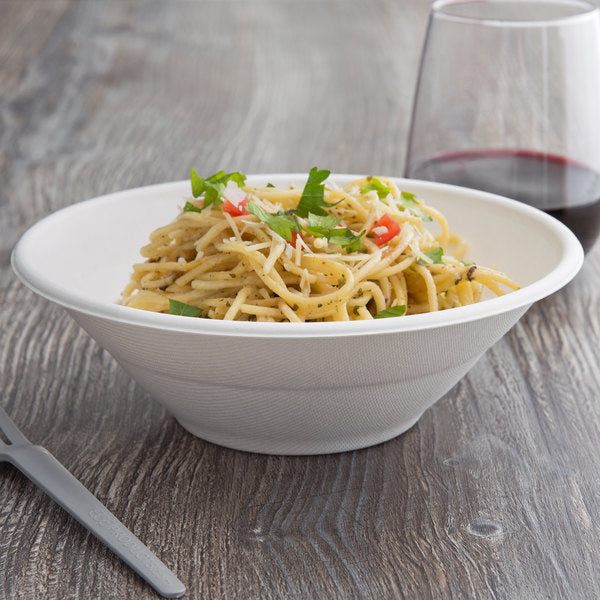
Fried rice lasts 3–4 days in the fridge if stored properly but time, not smell, determines safety. In this guide, you’ll learn how long fried rice actually lasts, the hidden risk of Bacillus cereus, and the exact storage rules that prevent food poisoning.
- Does Rice Expire? Shelf Life by Type, Cooked vs Uncooked, and the Hidden Risk in Your Pantry
- How Long Does Rice Last? Shelf Life of Uncooked and Cooked Rice Explained
- How to Tell If Rice Crackers Have Gone Bad: Shelf Life & Spoilage Checklist
- How to Tell If Kimchi Has Gone Bad: The Fermentation vs Spoilage Guide
Shelf Life Of Fried Rice at a Glance

- 3–4 days · Fridge 0–4°C · Airtight container · Refrigerate within 1 hour of cooking
- 1–2 months · Freezer−18°C · Best quality within 1 month · Safe indefinitely beyond
- 1 hr max · Room temp (before fridge) Cool and refrigerate within 1 hour of cooking. Do not leave to "cool down" on the counter for hours.
- 2 hr absolute max · Room temp After 2 hours at room temperature, discard. B. cereus toxins may already be forming.
The 1-hour rule for rice is stricter than most foods: Health Canada and the US FDA recommend refrigerating cooked rice within 1 hour of cooking — not the standard 2-hour window that applies to most cooked foods. This is because rice is a known high-risk environment for Bacillus cereus growth and toxin production, which happens faster in cooked rice than in most other cooked foods. The "let it cool down on the counter before refrigerating" habit that many people follow is the primary cause of fried rice syndrome.
The Real Danger: Bacillus cereus and Fried Rice Syndrome
Bacillus cereus — The Bacteria That Makes Rice Dangerous
The critical point: B. cereus produces two types of toxins. The emetic (vomiting) toxin is heat-stable — it is not destroyed by reheating. Once this toxin has formed in your fried rice, cooking it again at full heat will not make it safe. This is why "I'll just reheat it thoroughly" does not fix fried rice that was left out too long. The toxin that causes vomiting is already present and heat-resistant.
- Growth range: Multiplies between 4°C and 55°C — fastest between 28°C and 35°C (room temperature in most homes and restaurant kitchens). Stops growing below 4°C (fridge temperature).
- Toxin formation time: Emetic toxin can begin forming within 1–2 hours at room temperature in cooked rice. At 20–25°C (typical Canadian home temperature), significant toxin accumulation occurs within 3–4 hours.
- Symptoms: Emetic form: nausea and vomiting within 1–5 hours. Diarrheal form: diarrhea 8–16 hours after eating. Usually resolves within 24 hours. Rarely serious in healthy adults.
- Why you can't detect it: B. cereus does not change the smell, appearance, or texture of fried rice at concentrations that cause illness. The rice looks and smells completely normal. This is what makes it the hidden danger.
- Heat stability of toxin: The emetic toxin survives 126°C for 90 minutes. Normal reheating (100°C) does not destroy it. Reheating thoroughly does not make toxin-contaminated fried rice safe.
- Why fried rice specifically: Fried rice is made from pre-cooked rice — often rice that has been left to cool overnight (a common technique for better texture). This overnight cooling at room temperature is exactly the window where B. cereus thrives. Restaurant buffet fried rice held warm for hours is another high-risk scenario.
📌 "Fried rice syndrome" is the informal name for B. cereus food poisoning from rice. The term appeared in medical literature as early as the 1970s — it was named specifically because fried rice made from overnight rice was consistently identified as the vehicle. It remains one of the most common causes of food poisoning in Chinese and other Asian restaurants in Western countries — not from bad meat or contaminated vegetables, but from rice handling practices. The fix is entirely in storage timing, not in cooking technique.
6 Signs Fried Rice Has Gone Bad
The signs below cover both the visible/detectable spoilage indicators and the critical invisible risk. Note that sign 6 is the most important — it is the one that most people miss because the rice looks and smells fine.

Sour, fermented, or musty smell: Discard immediately
Visible mold — any color: Discard the entire container
Slimy or wet texture on the surface: Discard immediately
Extremely hard, dry, cardboard-like texture: Quality issue — check smell and age
Fried rice stored without an airtight container loses moisture to the dry refrigerator air, causing the rice grains to become very hard and dry — cardboard-like in texture when cold. This is primarily a quality issue rather than a safety issue in the first 3–4 days, but severe drying often accompanies improper storage conditions that may have also accelerated other spoilage. If the rice is extremely hard and dry but is still within the 3–4 day window and smells normal, it is likely still safe but will have inferior texture after reheating. Adding 1–2 tablespoons of water before reheating in a covered pan can partially restore texture. If the rice is also past day 4, discard regardless of whether it seems dry-not-slimy.
Off-color protein pieces — gray shrimp, dull chicken, discolored egg Inspect the protein carefully
Fried rice often contains shrimp, chicken, beef, egg, or other proteins. The rice itself may not show obvious spoilage signs while the protein already has. Gray or translucent shrimp (properly cooked shrimp should be pink-orange and opaque), dull gray chicken that is slimy when touched, or egg with an off-yellow color and unpleasant smell are signs that the protein in the rice has spoiled even if the rice grains themselves look fine. In fried rice, the protein and the rice have been cooked together and stored together — if the protein has spoiled, the entire dish is compromised regardless of the appearance of the rice component.
It has been at room temperature for more than 1–2 hours — even if it looks and smells perfect The invisible risk
This is the sign that most people miss because it involves no visible or olfactory cue. Fried rice that sat at room temperature for more than 2 hours before refrigerating, or that has been left on a buffet or countertop — even in a warming tray — for more than 2 hours after cooking, may contain dangerous levels of Bacillus cereus emetic toxin. The rice will look and smell completely normal. There is no visual test, smell test, or texture test that can detect this toxin. The only safety measure is time-based: if it sat out more than 2 hours, it should be discarded. Reheating it thoroughly will not remove the toxin — it is heat-stable up to 126°C. This is the rule that causes "but it looks totally fine" food poisoning — and it is the most important rule for rice of any kind.
What Happens Hour by Hour at Room Temperature
Understanding the timeline of B. cereus activity in cooked rice explains why the 1–2 hour room-temperature limit is not conservative — it is the minimum required window based on how quickly the bacterium operates at typical room temperatures (20–25°C).
0 – 30 minutes after cooking: Safe — B. cereus spores germinating, no active bacteria yet
Freshly cooked rice is sterile of active bacteria but contains heat-resistant B. cereus spores. The spores are beginning to germinate as the rice cools, but active bacterial cells have not yet established. This is the window to start the cooling process — do not leave the pot of rice on the stove or counter indefinitely.
30 minutes – 2 hours: Increasing risk — bacteria multiplying, pre-toxin stage
Active B. cereus bacteria are multiplying. Bacterial counts are rising but have not yet reached concentrations that produce significant toxin levels. The rice is likely still safe to eat at the 1-hour mark but should be refrigerated immediately. At 2 hours, bacterial counts may be approaching levels associated with toxin production onset. This is the cut-off — refrigerate by the 1-hour mark to stay well inside the safety window, and never go past 2 hours.

2 – 4 hours: Danger zone — emetic toxin actively forming
At typical room temperature, B. cereus has reached high bacterial concentrations and emetic toxin production is underway. The rice still looks and smells completely normal. Eating fried rice left out for 3–4 hours produces vomiting in 1–5 hours in a significant proportion of people who consume it. Reheating does not help — the emetic toxin is stable at cooking temperatures.
4+ hours / overnight: Discard — toxin levels almost certainly unsafe
Fried rice left at room temperature for more than 4 hours — including overnight on the counter — should be discarded without tasting or reheating. The emetic toxin present at this stage will cause illness reliably. Reheating overnight rice does not make it safe. This includes the very common scenario of leaving a wok of fried rice on the stove overnight to cook again in the morning — the heat applied in the morning kills any remaining active bacteria but has no effect on the heat-stable toxin already produced.
Does the Type of Fried Rice Change the Risk?
All fried rice carries the B. cereus risk because all fried rice is made from cooked rice. But the additional ingredients in different fried rice types create additional risk factors worth understanding.
| Fried Rice Type | Additional Risk | Fridge Limit | Notes |
|---|---|---|---|
| Plain egg fried rice | Moderate | 3–4 days | Egg adds protein spoilage risk alongside B. cereus. Egg fried rice tends to dry out faster without an airtight container. |
| Shrimp fried rice | High | 2–3 days | Shrimp is highly perishable — more so than the rice itself. The shrimp spoilage timeline shortens the safe window for the entire dish. Spoiled shrimp in fried rice may produce a detectable ammonia smell even when the rice still smells fine. |
| Chicken fried rice | Moderate–High | 3 days | Cooked chicken lasts 3–4 days on its own in the fridge, but in a mixed dish apply the shorter limit. Chicken in fried rice absorbs more moisture and may degrade faster than standalone cooked chicken. |
| Beef or pork fried rice | Moderate | 3–4 days | Cooked beef and pork last 3–4 days in the fridge — similar to the rice itself. No significant additional shortening of the window unless the meat was underdone originally. |
| Vegetable fried rice | Lower | 3–4 days | Lowest protein spoilage risk — but B. cereus risk is identical to all other types. High-water-content vegetables (corn, peas, bean sprouts) may cause texture degradation faster than the safety window. |
| Restaurant buffet fried rice | High | Do not take as leftovers | Buffet fried rice held in warming trays for hours — even at temperatures above 60°C — creates conditions for ongoing B. cereus spore cycling as the rice cools and reheats unevenly. The history of the rice before you served yourself is unknown. This is the highest-risk fried rice scenario. |
How to Store Fried Rice Properly
Refrigerator3–4 days · 0–4°C
Transfer fried rice to a shallow, wide container — the larger surface area allows the rice to cool faster and more evenly, which is critical for getting through the danger zone quickly. Seal with an airtight lid. Do not stack the container under other items in the fridge during the first hour — the rice needs airflow around it to cool efficiently.
Store at the back of the refrigerator where temperature is most consistent, not in the door where temperatures fluctuate with opening and closing. The ideal refrigerator temperature for fried rice storage is 1–3°C — the colder end of safe refrigeration, which slows B. cereus spore germination.
Refrigerate within 1 hour of cooking. Use within 3–4 days.Freezer 1–2 months · −18°C
Fried rice freezes well and is one of the better rice dishes for freezer storage because its lower moisture content (compared to plain boiled rice) prevents the grains from becoming mushy when frozen. Portion into meal-sized amounts in freezer bags or containers before freezing — the entire block does not need to be thawed at once.
Spread the rice flat in freezer bags to allow thin uniform freezing, which means faster thawing and fewer ice crystals forming large clusters that damage texture. Label with date — all frozen fried rice looks identical after 2 weeks.
Freeze within 1 hour of cooking (same rule as fridge). Label and use within 1–2 months.Room Temperature Maximum 2 hours — 1 hour preferred
Fried rice at room temperature is on a strict clock. The 2-hour window is the absolute maximum — the 1-hour recommendation for rice specifically accounts for the faster-than-average B. cereus activity in cooked rice compared to other foods. This clock starts when cooking is complete, not when the rice stops steaming visibly.
Common scenarios that violate the 1–2 hour rule: leaving fried rice on the stovetop while eating and then refrigerating the remainder; serving fried rice at a dinner party in a large bowl that sits at room temperature for 2–3 hours; and taking restaurant fried rice home in a warm car (especially in summer).
Never leave fried rice at room temperature for more than 2 hours. Discard if exceeded — do not taste first.
How to Cool Rice Before Refrigerating
The most common mistake people make with fried rice storage is leaving it on the counter "to cool down" before refrigerating — a habit built around the concern that putting hot food in the fridge heats up the refrigerator and spoils other items. While this concern has some validity for very large quantities of very hot food, for a standard portion of fried rice it is not a sufficient reason to leave rice at room temperature for more than 1 hour. Modern refrigerators are designed to handle small additions of warm food.
- Divide into shallow portions immediately: Transfer fried rice from the wok into one or two shallow containers (2–4 inches deep maximum) as soon as cooking is done. The shallow layer increases surface area and allows heat to dissipate much faster than a deep pot or wok.
- Spread flat — don't pile high: Spread the rice evenly across the container rather than leaving it in a mound. A flat 1–2 inch layer of rice cools to refrigerator temperature in 20–30 minutes in the fridge. A mound or deep pile retains heat in the center for much longer.
- Refrigerate loosely covered within 30 minutes: Place the shallow containers in the refrigerator within 30 minutes of cooking, loosely covered (not sealed yet — the condensation from a fully sealed hot container adds excess moisture). After 30–45 minutes in the fridge, seal completely. This prevents the rice from drying out while still allowing initial heat escape.
- Do not use ice baths for fried rice: Ice baths are effective for cooling hot liquids and some wet foods, but placing a container of fried rice in an ice bath adds external moisture that can condensate into the rice and compromise texture. The shallow-container method in the fridge is faster and more effective for a dry food like fried rice.
💡 The "overnight rice" technique used in professional kitchens — done safely: Many Chinese restaurant chefs deliberately cook rice the night before and refrigerate it overnight before making fried rice the next day. Day-old refrigerated rice produces better fried rice because the grains have dried out and separate more cleanly in the wok. This technique is safe — and is actually the safest way to handle the rice — as long as the rice was refrigerated within 1 hour of cooking the previous night. The problem is when people leave the freshly cooked rice at room temperature overnight to "let it cool" before refrigerating in the morning — that is the scenario that creates fried rice syndrome risk.
Reheating Fried Rice Safely
Reheating fried rice safely requires reaching an internal temperature of 74°C (165°F) throughout — not just warm on the outside. This kills any active bacteria that grew during refrigerator storage (though not any pre-formed B. cereus emetic toxin — which is why time limits matter more than reheating temperature).
Best method — hot wok or skillet: High heat in a wok or skillet, 1–2 tablespoons of oil, stirring constantly. Add 1–2 tablespoons of water partway through and cover for 30 seconds to steam-heat the interior of any clumps. Total reheating time 3–5 minutes. This method also partially restores the wok hei character of the original dish and prevents the rubbery texture that microwaving causes.
Microwave (acceptable but inferior): Place in a microwave-safe container, add 1 tablespoon of water, cover loosely, and heat on high for 2 minutes, stir, then heat for 1 more minute. Check that the center is steaming hot — microwave heating is uneven and cold spots can remain in the center of a dense rice portion. The result is acceptable but the texture of the rice grains will be softer and less distinct than skillet-reheated rice.
Never reheat rice more than once: Reheat only the portion you will eat immediately. Each reheating cycle creates another opportunity for the rice to spend time cooling through the danger zone. Reheating the entire container and returning the remainder to the fridge repeatedly shortens the safe storage window and increases risk with each cycle.
Storage Do's and Don'ts
✓ Do
- ✓Refrigerate fried rice within 1 hour of cooking — this is stricter than most foods for good reason
- ✓Spread rice in shallow containers to cool faster
- ✓Use an airtight container to prevent drying out in the fridge
- ✓Reheat only the portion you'll eat — don't reheat the whole batch
- ✓Reheat to steaming hot throughout (74°C internal) before eating
- ✓Label containers with the cook date — 3–4 days goes fast
- ✓Freeze portions you won't eat within 3–4 days
✗ Don't
- Leave fried rice "to cool down" on the counter before refrigerating — this is how B. cereus toxin forms
- Trust smell alone — B. cereus-contaminated rice smells completely normal
- Reheat fried rice that was left out more than 2 hours — reheating won't destroy the heat-stable toxin
- Store fried rice in the wok or pan it was cooked in — not airtight, retains heat poorly
- Take restaurant buffet fried rice as leftovers — unknown room-temperature history
- Reheat the same portion of rice more than once
- Keep shrimp fried rice beyond 2–3 days — shrimp spoils faster than the rice
Frequently Asked Questions: How to Tell If Fried Rice Has Gone Bad

How long does fried rice last in the fridge?
Is it safe to eat fried rice left out overnight?
What is fried rice syndrome?
Can you reheat fried rice?
Why does fried rice made from day-old rice taste better — and is it safe?
Can you freeze fried rice?
Conclusion
Fried rice safety comes down to one rule: control time, not just temperature. If it was left out for more than 2 hours, discard it—no reheating can fix the risk. If stored correctly, use within 3–4 days and reheat only once. When in doubt, throw it out. With rice, what you can’t see is the real danger.