If you're planning to open Mexican restaurant in Canada or the United States, you're entering one of the fastest-growing restaurant categories in North America. From tacos and burritos to regional Mexican specialties, consumer demand continues to rise as diners seek authentic and flavorful experiences.
However, successfully opening a Mexican restaurant requires more than great recipes. You need a clear business model, realistic startup budget, strong location strategy, reliable suppliers, effective marketing, and operational systems that can scale.
This guide explains everything you need to know to open Mexican restaurant successfully, including costs, permits, equipment, staffing, menu planning, marketing, and packaging considerations.
-
Quick Service Restaurants (QSRs): Everything You Need to Know
-
Food Truck – Guide complet pour les restaurateurs et les startups du secteur alimentaire
-
How Can Sushi Startup Overcome Challenges in a Diverse Sea of Sushi Market?
Why Open Mexican Restaurant? Market Potential Cultural Appeal

The demand for Mexican cuisine has surged North America, by an increasing appreciation for both its flavors cultural significance. People seeking dining experiences go beyond mere sustenance; they want to indulge in vibrant robust tastes that transport to Mexico. Here some key reasons why it a strategic time to this market:
- Rising Demand Authentic Mexican Cuisine: As more diners seek culinary experiences, traditional foods are gaining popularity. This trend is in the growing number Mexican restaurants in urban and suburban areas+ Fusion Opportunities: There’s a lucrative opening for fusion cuisine as well. Many customers are looking for options that cater to modern dietary preferences, such as vegan or gluten-free. By blending traditional Mexican dishes with these trends, you can create unique offerings that stand out from the competition.
- Cultural Richness: Mexican cuisine is filled with history and diversity, making it an attractive for a broad customer base. The colorful presentation and flavors can enhance the dining experience, drawing in both locals and tourists looking to savor something different.
Mexican Restaurant Business Models Compared
Before you open Mexican restaurant, you need to choose the right business model. The model you select affects startup costs, staffing requirements, operational complexity, and long-term profitability.
| Business Model | Investment | Complexity | Profit Potential |
|---|---|---|---|
| Food Truck | Low | Medium | Medium |
| Taqueria | Medium | Medium | High |
| Fast Casual | Medium-High | Medium | High |
| Full-Service Restaurant | High | High | Very High |
Most first-time restaurant owners start with either a taqueria or fast-casual Mexican concept because they require less capital and fewer employees than a full-service restaurant.
How to Open Mexican Restaurant
Step 1 – Choose the Right Concept Before You Open Mexican Restaurant

Before you open Mexican restaurant, you must define exactly what type of dining experience you want to offer. Your concept influences everything from startup costs and menu design to staffing requirements and marketing strategy.
- Choose Youriche: Determine the kind of Mexican restaurant you want to create. it a fast-casual eatery, a street-style taia, or an upscale dining experience? Each offers different appeals and operational frameworks.
- Develop a Menu: Consider focusing on regional specialties. For example, Oaxacan mole and Yucatán cochinita pibil are excellent choices that not only showcase authentic flavors but also distinguish your offerings.
- Emphasize Sustainability: Many customers today appreciate businesses that prioritize the environment. Highlighting the use of-friendly packaging and locally sourced ingredients can enhance your restaurant's appeal and align with customer values.
Step 2 – Research Your Market Before You Open Mexican Restaurant

Understanding your market is essential for success. Address key areas:
- Analyze Competitors: Take time to identify existing Mexican restaurants in your area. Look for gaps in the market are there certain types dishes or dining styles that are underrepresented?
- Understand Customer Preferences: Tap into local tastes and dietary needs by conducting surveys or focus groups. This help tailor your menu to better meet customer demands.
- Select a Strategic Location: Prioritize areas with high foot traffic and visibility. Locations near office buildings, schools, or popular shopping areas often yield better results.
How Much Does It Cost to Open Mexican Restaurant?
One of the first questions entrepreneurs ask is how much capital is required to open Mexican restaurant successfully. The answer depends on your location, restaurant size, equipment needs, and business model.
| Expense Category | Estimated Cost |
|---|---|
| Lease Deposit | $5,000–$30,000 |
| Renovations | $20,000–$150,000 |
| Kitchen Equipment | $25,000–$100,000 |
| Licenses & Permits | $2,000–$15,000 |
| Initial Inventory | $3,000–$15,000 |
| Marketing | $2,000–$20,000 |
| Working Capital | $20,000–$100,000 |
Most independent Mexican restaurants require between $150,000 and $600,000 to launch successfully.
Step 3 – Create a Comprehensive Business Plan
A thorough business plan acts as your blueprint for success:
- Executive Summary: Clearly outline your vision and mission. This helps not only in focusing your strategy but also in attracting potential investors.
- Financial Projections: Include realistic startup costs, projected revenues, and a break-even analysis. Accurate financial data is crucial for securing funding and managing future expenses.
- Operational Plan: Detail how the restaurant will run daily. Address staffing needs, supply chain management, and daily operations to ensure smooth functionality.
Step 4 – Secure Funding and Manage Finances
Funding is a critical component of launching your restaurant:
- Explore Funding Options: Look into various funding sources such as personal savings, loans, investors, or crowdfunding platforms. Each avenue has its pros and cons, so choose wisely.
- Budget Wisely: Develop a comprehensive budget that allocates funds for crucial areas such as kitchen equipment, renovations, marketing, and working capital. Staying on top of finances helps mitigate risks later on.
- Plan for Contingencies: Set aside a financial reserve to cover unexpected expenses. This safety net can be vital in the early stages when unforeseen challenges may arise.

Step 5 – Obtain Necessary Licenses and Permits
Navigating the bureaucratic landscape is essential to open your restaurant legally:
- Business Registration: Ensure compliance with local, state, and federal business registration requirements. Not being up to code can lead to costly delays+ Health and Safety Certifications: Meeting health and safety standards is paramount. Work with local health departments to understand and achieve necessary certifications.
- Liquor License: If your restaurant will serve alcohol, navigate the often-complex application process for obtaining the required liquor license. This can vary greatly by region, so research your local regulations thoroughly.
Common Licenses and Permits Required
Requirements vary by province, state, and municipality, but most restaurant owners need:
- Business registration
- Food service permit
- Health inspection approval
- Food handler certification
- Fire inspection approval
- Sales tax registration
- Liquor license (if serving alcohol)
Always verify local regulations before you open Mexican restaurant to avoid costly delays and compliance issues.
Step 6 – Design Your Restaurant Space
Authentic ambiance: Incorporate Mexican cultural elements into decor
To create a genuine experience for your customers, it’s essential to reflect the vibrant culture of Mexico in your restaurant’s interior design. Use colorful textiles, traditional pottery, and artwork from local Mexican artists. Consider murals depicting scenes from Mexican life, such as street vendors or historic landscapes. Lighting is equally important; warm, inviting tones can create a cozy atmosphere that encourages diners to linger longer.
Functional layout: Optimize kitchen workflow and customer seating
The layout of your restaurant should prioritize both functionality and customer comfort. An open kitchen design can enhance the dining experience, allowing guests to see the chefs at work, while also ensuring efficient workflow for your staff. Arrange seating to accommodate social gatherings, whether large groups or intimate dinners. Make pathways clear for both staff service and customer movement to minimize chaos during peak hours.
Sustainable materials: Use eco-friendly furnishings and fixtures where possible
Sustainability is becoming increasingly important to consumers. Invest in furnishings made from reclaimed wood, recycled materials, or sustainably sourced supplies. Consider using LED lighting fixtures to reduce energy consumption and installing water-saving devices. These choices not only appeal to eco-conscious customers but can also reduce your long-term operational costs.
Step 7 – Source Equipment and Suppliers

Kitchen essentials: Invest in quality cooking appliances and utensils
A successful Mexican restaurant requires specific cooking tools and appliances to prepare authentic dishes. Invest in high-quality commercial grade stoves, fryers, and grills for cooking tortillas, tacos, and other specialties. Ensure you have a reliable supply of kitchen utensils, including knives and serving tools, to facilitate smooth operations in the kitchen.
Eco-friendly packaging: Partner with suppliers offering sustainable options
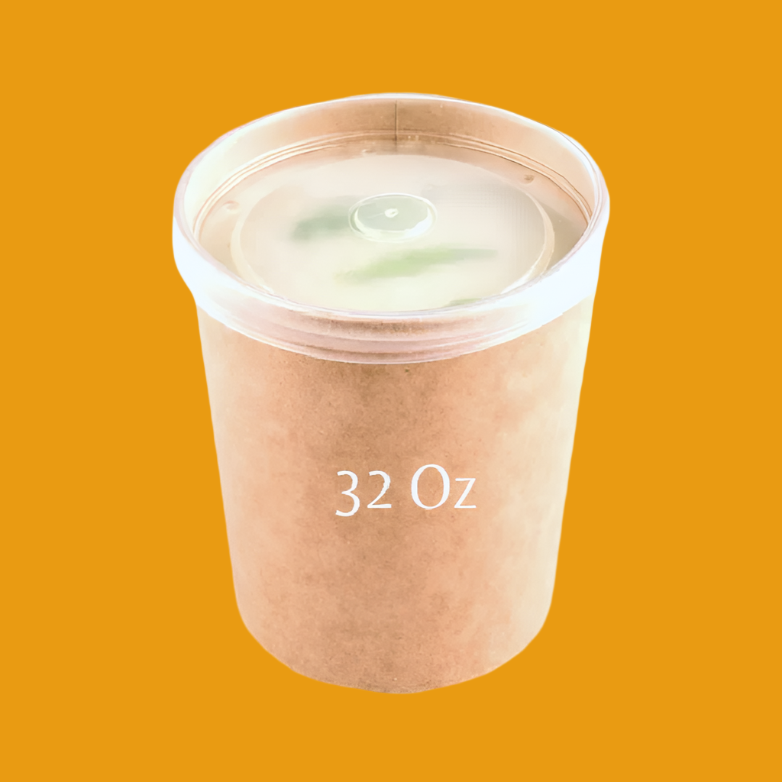
When sourcing takeout packaging, choose suppliers who provide biodegradable or compostable containers. These options do not compromise the quality of food while aligning with increasing consumer demand for eco-friendly practices. This attention to sustainability can also enhance your brand image.
Packaging Essentials for Mexican Takeout Orders
Takeout and delivery have become major revenue drivers for modern restaurants. Before you open Mexican restaurant, make sure your packaging can maintain food quality throughout the customer journey.
Common packaging requirements include:
- Burrito wraps
- Taco trays
- Nacho containers
- Salsa cups
- Compostable takeout boxes
- Paper bags with handles
- Custom-branded packaging
The right packaging helps prevent leaks, maintain food temperature, improve presentation, and strengthen brand recognition.
Reliable vendors: Establish relationships with trusted food and beverage distributors
Building relationships with dependable suppliers can help ensure consistent quality and availability of your ingredients. Look for local farmers and distributors who can provide fresh produce and authentic products, such as chiles, spices, and sauces. Maintain open communication to negotiate pricing and delivery schedules effectively.
Step 8 – Hire and Train Your Team
Recruit skilled staff: Seek individuals with experience in Mexican cuisine
Hiring individuals who have a passion for and experience with Mexican cuisine can elevate your restaurant’s authenticity. Look for chefs who are familiar with traditional cooking methods and flavors. Experienced servers can also enhance the dining experience through their knowledge of the menu and ability to recommend dishes.
Provide comprehensive training: Cover food preparation, customer service, and safety protocols
Training should encompass all aspects of restaurant operations, from food safety protocols to customer service skills. Ensure your team understands the importance of authentic ingredient use and presentation. Regular training sessions can help keep staff updated on procedures and product knowledge, ultimately boosting customer satisfaction.
Foster a positive culture: Encourage teamwork and continuous improvement
Creating a positive work environment can enhance employee retention and improve service quality. Encourage open communication among staff and establish a culture of respect and teamwork. Regularly gather feedback from your employees about operational processes, which can help foster a sense of ownership and investment in the restaurant’s success.
Great food needs a reliable team behind it. This video shares leadership ideas that can help restaurant owners build better staff performance.
Build a team that can deliver consistent flavor, service, and presentation every day.
Common Mistakes When Opening a Mexican Restaurant
Many entrepreneurs rush into the restaurant industry without fully understanding the challenges involved. Learning from common mistakes can save significant time and money.
The most common mistakes include:
- Creating an oversized menu
- Choosing the wrong location
- Underestimating startup costs
- Hiring too quickly
- Poor inventory management
- Ignoring delivery and takeout demand
- Failing to build operating systems
Avoiding these mistakes can significantly improve your chances of long-term success.
Step 9 – Develop a Marketing Strategy
Brand identity: Create a memorable logo and cohesive visual elements
Your restaurant’s branding should reflect the essence of Mexican culture. A memorable logo, color palette, and typography can create a strong visual identity. This will help your restaurant stand out in a crowded market and make a lasting impression on potential customers.
Online presence: Build a user-friendly website and engage on social media platforms
In today’s digital age, a strong online presence is crucial. Your restaurant’s website should be easy to navigate, with essential information like menus, hours, and location clearly displayed. Engage your audience through social media by sharing photos of your dishes, behind-the-scenes content, and upcoming events.
Community engagement: Participate in local events and offer promotions to attract customers
Building relationships within the local community can create a loyal customer base. Participate in local food festivals, farmers' markets, or charity events. Offering promotions, such as discount days or special menu items, can help attract new patrons and encourage repeat visits.
Step 10 – Launch and Monitor Performance

Soft opening: Test operations and gather feedback before the grand opening
Before your official opening, consider hosting a soft opening for family and friends to test your operations. This can provide valuable feedback on everything from the service flow to the menu items. Use their insights to make necessary adjustments before welcoming the public.
Track key metrics: Monitor sales, customer satisfaction, and online reviews
Post-launch, it’s important to monitor key performance indicators, including sales figures, customer reviews, and overall satisfaction. Tools like customer feedback platforms can enable you to track opinions and improve areas lacking in service or product quality.
Adapt and improve: Make data-driven decisions to refine your business model
Use the data from customer reviews and sales analytics to make informed decisions about menu changes or new marketing strategies. Staying flexible and responsive to feedback will help you continually improve your restaurant’s offerings and maintain profitability.
FAQs About Open Mexican Restaurant
How much does it cost to open Mexican restaurant?
Most Mexican restaurants require between $150,000 and $600,000 depending on location, size, equipment, leasehold improvements, and working capital needs.
Is a Mexican restaurant profitable?
Yes. A well-managed Mexican restaurant can generate healthy profit margins through efficient food cost control, beverage sales, catering services, and strong takeout revenue.
What food sells best in a Mexican restaurant?
Popular menu items include tacos, burritos, quesadillas, nachos, enchiladas, fajitas, guacamole, churros, and margaritas.
What licenses do I need to open Mexican restaurant?
Most restaurant owners need business registration, food service permits, health department approval, food handler certification, sales tax registration, and liquor licenses if alcohol is served.
Should I start a taqueria or full-service Mexican restaurant?
For first-time restaurant owners, a taqueria or fast-casual concept is often less risky because it requires lower startup costs, simpler operations, and fewer employees.
How can I attract customers after I open Mexican restaurant?
Focus on local SEO, social media marketing, influencer partnerships, online ordering platforms, community engagement, and customer loyalty programs to build awareness and repeat business.