A pho restaurant business can look simple—broth production, menu pricing, food cost percentage, labor scheduling, delivery margins, rent and occupancy costs, portion control, local SEO, and repeat customers—but profit lives in the details. This guide breaks down how pho shops really make money, what a realistic cost structure looks like, and which concept choices (traditional vs modern pho restaurant) are easiest to scale. If you’re a future restaurant owner deciding whether pho is the right model, you’ll leave with a practical framework for revenue streams, unit economics, and a clear growth roadmap.
How to Start a Pho Restaurant: Costs, Business Plan, Permits, and Timeline
How to Choose the Best Location for a Pho Restaurant
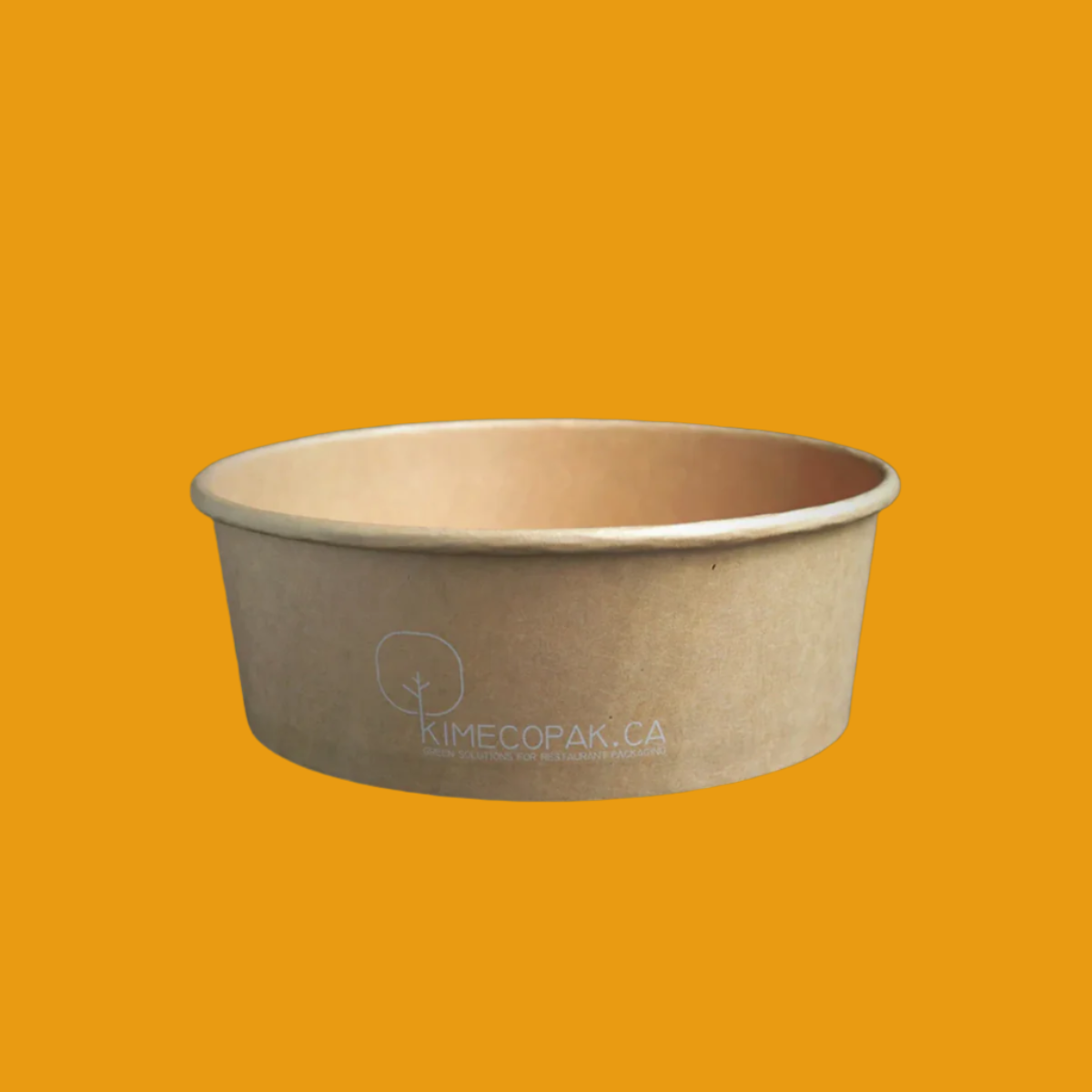
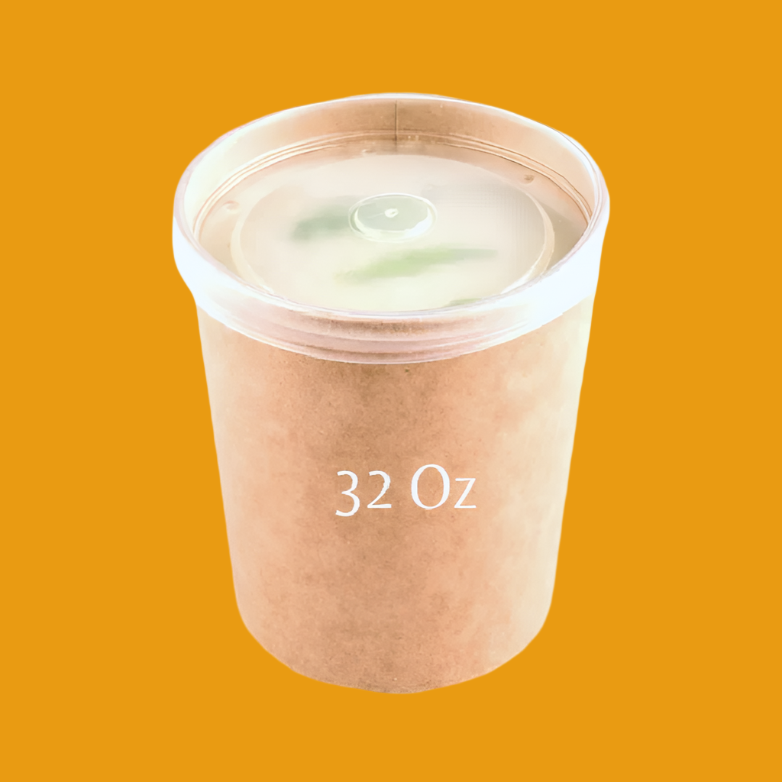
Paper Bowls for Pho: Leakproof, Heat-Resistant Soup Bowls for Takeout
Pho Recipe: How to Make Authentic Vietnamese Pho at Home
What is a pho restaurant business?
A pho restaurant business is a Vietnamese noodle soup concept built around one operational “engine”: producing flavorful broth consistently, fast, and at scale. In practice, you’re selling comfort + speed + customization—a hot bowl that feels handmade, delivered quickly enough for lunch traffic, and adaptable (rare steak, brisket, chicken, vegan, extra herbs).
A traditional pho restaurant leans on authenticity cues: a focused menu, classic cuts, and broth that’s simmered long and served with fresh herbs. A modern pho restaurant tends to add profit levers—combos, premium proteins, late-night hours, beverages, and a stronger dine-in “experience.” Recent restaurant stories show brands expanding by upgrading concepts (bar programs, extended hours, bigger menus) while keeping pho as the anchor product.

Pho restaurant industry overview and trends (Canada + demand signals)
Canada’s foodservice market is large and still growing in nominal terms, but owners have to interpret growth carefully. Restaurants Canada forecast foodservice sales growth in 2025, while noting inflation and population growth can flatten real per-capita spending—meaning you may not get “easy growth” without differentiation and retention.
Statistics Canada’s monthly reporting also shows sales changes alongside restaurant price inflation, which matters for pho: you may need price updates just to stay even on margins. For example, StatCan reported October 2025 sales and noted restaurant food price increases year-over-year.
The practical trend takeaway for pho: concepts that win tend to do one (or more) of these well:
- Speed + consistency for lunch and takeout
- Higher AOV via drinks, sides, and premium bowls
- Experience (late-night, bar, unique regional items)
- Operational discipline (portioning, prep systems, staffing to rush)
Pho restaurant business model (how money flows)
Most pho shops fall into two models:
1) “Core bowl” model (simplicity-first)
You keep SKUs tight, focus on 2–4 broth variants, and win on speed and repeat customers. This model scales through operational clarity: fewer ingredients, faster training, lower waste.
2) “Platform menu” model (AOV-first)
Pho is the anchor, but profit growth comes from add-ons: Vietnamese iced coffee, bubble tea, appetizers, desserts, and combos. This model can be more scalable if you standardize recipes and prevent the menu from slowing the line.
Across both models, your economics change by channel:
- Dine-in: you own the guest experience and avoid marketplace commissions.
- Pickup: often the “best of both worlds” if packaging performs.
- Delivery: can boost volume but can quietly shrink margins if fees and refunds aren’t engineered into pricing.
Pho Restaurant Business Model: Revenue Streams, Costs, Workflow + Scalability
Revenue streams in a pho restaurant (ranked by scalability)

Dine-in revenue (table turns + peak-hour strategy)
Dine-in is typically your brand builder: it creates reviews, repeat visits, and higher add-on attachment (drinks and sides). In pho, speed can be a competitive weapon—customers expect a quick bowl at lunch, and quick turns improve sales per seat without expanding rent.
Practical levers:
- Design a “rush-ready” menu board (top sellers first).
- Build a clear upsell ladder: drink → spring rolls → dessert.
- Use time-bound specials (lunch combos) to stabilize weekday traffic.
Takeout + pickup revenue (speed + packaging performance)
Pickup can be a high-margin growth stream because you avoid third-party delivery commissions. The catch is execution: pho needs packaging that prevents leaks and keeps noodles from turning gummy. Operationally, many shops do better with a takeout assembly SOP (broth separate, herbs packaged dry, clear reheating instructions).
Delivery apps vs direct ordering (fees, margins, control)
Delivery marketplaces can bring demand, but commissions can materially change your unit economics. Uber Eats lists marketplace plans with delivery fees that vary by tier (e.g., 20% to 30% delivery fee depending on plan), plus pickup fees.
DoorDash similarly shows tiered commission per delivery order (15%, 25%, 30% depending on plan).
How experienced operators handle this:
- Separate menu pricing for delivery (to cover fees)
- Use delivery-only bundles (higher AOV, fewer SKUs)
- Push repeat customers toward pickup/direct channels over time
Catering and office lunch programs (high-leverage growth)
Catering is one of the cleanest scaling plays for pho because it monetizes prep efficiency. If your broth and proteins are already batch-produced, catering trays and office lunch sets can deliver large orders with fewer tickets and less service friction. The key is a simplified catering menu (2–3 broths, 2 proteins, fixed garnish kits).
Retail add-ons (optional)
Some pho brands add retail: frozen broth, spice kits, bottled chili oil. This can help brand reach, but only after core operations are stable (otherwise it becomes distraction and inventory risk).
Table: Revenue streams and what they’re best for
| Revenue stream | Why it works | Main risk | Best KPI |
|---|---|---|---|
| Dine-in | Strong brand + add-ons | Labor intensity | AOV, table turns |
| Pickup | High margin growth | Packaging failures | Repeat rate |
| Delivery apps | Demand + discovery | Commission drag | Contribution margin by channel |
| Catering | Scalable volume | Ops planning | On-time rate, gross margin |
| Retail | Extra profit lever | Inventory complexity | Sell-through rate |
Cost structure of a pho restaurant (what actually drives profit)
Prime cost (food + labor) is your #1 KPI
Restaurant operators track prime cost because it combines the two biggest controllables: COGS + labor. Toast defines prime cost as the sum of cost of goods sold and labor costs.
Many industry guides cite benchmark prime cost ranges that vary by restaurant type; a common benchmark range is around 60–65% for many full-service contexts (with variation by model).
For pho, prime cost discipline typically comes from:
- Portion control (protein grams and noodle weights)
- Prep labor design (batch work + simplified garnishes)
- Menu SKU control (fewer ingredients, less waste)
Fixed costs: rent/occupancy, utilities, insurance
Pho restaurants can be equipment-heavy (hood/ventilation, refrigeration, stock pots), and utilities can be meaningful because broth production is heat-intensive. Your fixed-cost strategy is mostly decided before opening: location, footprint, lease terms, and build-out scope.
Variable costs: ingredients, packaging, delivery fees
Pho’s variable costs are sensitive to:
- Beef and bone pricing swings
- Herb quality and spoilage
- Packaging choices for takeout/delivery (and error rates)
Hidden costs that sink new pho restaurants
Common “quiet killers” include comps/refunds, inconsistent portioning, overtime from bad prep planning, and delivery issues (spills, missing garnish kits). These don’t look big day-to-day, but they compound monthly.
Unit economics: how to price pho profitably (without losing customers)
Bowl costing step-by-step (simple framework)
A practical pho costing workflow:
- Cost the broth by batch (bones + aromatics + yield in liters)
- Set a ladle standard (e.g., X ml broth per bowl)
- Cost proteins by portion grams (raw-to-cooked yield tested)
- Cost noodles + garnish kit
- Add packaging cost for takeout/delivery bowls
- Add a channel factor (delivery commissions, refunds)
Restaurant cost guidance often places food cost targets in a broad range depending on concept; many operators aim in the ~28–35% area, then adjust based on labor and rent realities.
Portion strategy (the fastest way to protect margins)
Pho margins often live and die in protein portions. The most scalable systems:
- Pre-portion proteins for peak hours
- Use standardized scoops/ladles
- Train “visual standards” with photos at the pass
Price architecture (good/better/best)
Instead of one price point, build a ladder:
- Good: classic brisket/chicken pho
- Better: combo (pho + roll + drink)
- Best: premium bowl (extra protein, special cuts)
This protects affordability while raising AOV for guests who want upgrades.
Menu design for profitability (pho-first but not pho-only)
The “tight menu” approach (fewer SKUs, faster line)
A tight pho menu improves:
- prep speed
- training speed
- purchasing power
- inventory accuracy
A common real-world pattern: start tight, then add items only when you can prove they don’t slow service or increase waste.
Pho Restaurant Menu: Profitable Structure, Pricing, and Menu Engineering

High-margin add-ons: beverages, appetizers, desserts
Many modern pho concepts expand profit with beverages and sides. This aligns with what marketplace platforms also encourage—bundles and higher check sizes to offset fees.
Delivery-only menu engineering (travel-proof items)
Delivery pho works better when you design for travel:
- broth separate (or insulated)
- herbs packaged dry
- noodles packaged to reduce overcooking
- fewer fragile garnishes
Operations that make pho scalable (the broth system)
Broth production workflow (batch schedule + safety)
Scaling pho is scaling broth. A scalable system includes:
- batch calendar (how many liters on which days)
- cooling and holding SOPs
- labeling and shelf-life rules
- taste calibration (salt, aromatics) by a trained lead
Prep station layout for speed
Pho speed comes from minimizing steps at the point of sale:
- broth hot-hold near the pass
- proteins staged safely
- garnish kits standardized
- clear expeditor role in rush windows
Inventory + vendor strategy
Pho’s supply chain is specialized (bones, herbs, noodles). As you grow:
- lock specs with vendors (bone cuts, noodle thickness)
- create substitutes for shortage scenarios
- track yield and waste weekly
Staffing plan for a pho restaurant (lean but realistic)
A pho restaurant can run lean if the menu is tight and prep is standardized. A realistic staffing map includes:
- Broth/lead cook (quality owner)
- Prep cook (batch and portioning)
- Line assembler (rush execution)
- FOH/cashier (speed + upsell)
- Shift lead (checklists + close)
Scheduling should match demand curves: lunch rush is often the profit center for pho, while dinner can be steadier but slower. The owners who scale best treat training like product: written SOPs, photos, portion charts, and a short “quality test” at shift start.
Read More:
Pho Restaurant Staffing Plan: Roles, Hiring, and Labor Optimization
Location and format strategy (traditional storefront vs modern formats)
Best locations for pho
Pho performs well where people need a fast, hot meal:
- office lunch corridors
- university districts
- transit nodes
- dense residential neighborhoods with takeout demand

Small footprint vs full-service dining room
If your concept is speed-first, smaller footprints can improve economics—if you don’t bottleneck the line. If you want higher AOV via experience (bar, late-night), you may need more seats and a stronger FOH system.
Ghost kitchen / commissary hybrid
A hybrid can work if delivery demand is strong and you already have brand pull. The risk is quality perception and review volatility; pho travels better when engineered for delivery from day one.
Marketing a pho restaurant business (what works in year 1)
Local SEO basics (non-negotiables)
- Accurate categories and hours on Google Business Profile
- High-quality menu photos
- A review system (ask consistently, respond professionally)
- Clear “what you’re known for” message (broth style, regional cues)
Launch plan
Successful openings often use a phased approach:
- soft open with limited menu
- fix prep timing and portioning
- expand hours/menu only after speed stabilizes
Retention systems
Pho is a repeat-friendly product. Simple retention systems include:
- loyalty stamp cards
- “weekday lunch” bundles
- SMS/email for seasonal bowls (limited-time)
Scalability roadmap (from 1 store to 3+)
When you’re ready for store #2
You’re closer than you think when:
- broth tastes identical across weeks
- portioning is consistent across staff
- prime cost is stable and tracked weekly
- your busiest hour can be executed without owner intervention
Central commissary model
Many multi-unit soup/ramen/pho concepts scale with centralized prep:
- broth base and proteins produced in one place
- stores finish and assemble
This reduces training complexity and improves consistency.
Franchise vs multi-unit ownership
Franchising requires documentation maturity: recipes, training, food safety, vendor specs, and brand standards. Multi-unit ownership can be slower but offers more control.
Common mistakes in pho restaurant businesses (and how to avoid them)
- Overbuilding the menu → slows speed, increases waste
- Underpricing → prime cost squeezes you until quality drops
- Delivery growth without channel math → commissions eat margin (tiered fees are real and must be engineered into pricing)
FAQs
1) How much does it cost to open a pho restaurant?
Costs vary widely by city, footprint, and build-out needs (hood/ventilation, plumbing, seating, permits). A practical way to estimate is to split startup into: build-out + equipment + initial inventory + working capital (cash buffer for the first months). New owners often underestimate working capital more than equipment.
2) Is a pho restaurant profitable? What’s a realistic margin?
Pho can be profitable because broth is batch-produced and the product is repeat-friendly. Realistic net margins in restaurants are often modest and depend heavily on rent, labor, and portion discipline—so focus on prime cost and channel profitability (dine-in vs delivery) rather than a single “industry margin.”
3) What’s the food cost percentage for pho?
Many restaurants aim for food cost targets in a broad range depending on model, often discussed around the high-20s to mid-30s as a starting point, then refined based on labor and rent.
4) How do you price pho on delivery apps?
Start with your in-store bowl cost, then add packaging + an allowance for commissions and errors. Uber Eats and DoorDash show tiered pricing structures/commissions that can materially impact contribution margin.
5) What equipment do you need for pho broth production?
At minimum: high-output range or burners, large stock pots, refrigeration capacity, proper ventilation/hood, and safe cooling/holding tools. Your exact list depends on whether you batch daily or run a commissary-style system.
6) How many staff do you need to run a pho restaurant?
A lean model can work with a small team if the menu is tight: 1 broth/lead, 1 prep, 1 line assembler, 1 cashier/FOH per shift (with adjustments for rush periods). Cross-training matters more than headcount.
7) How long does pho broth take, and can you batch it safely?
Broth is typically a long cook; batching is common. The scalability key is having written SOPs for cooling, labeling, reheating, and taste calibration—so quality doesn’t drift by shift.
8) What’s the best location for a pho restaurant?
Look for lunch demand, visibility, and easy pickup access. Offices, universities, transit corridors, and dense residential areas often match pho’s “fast comfort” use case.
9) Should you start with a food truck or pop-up first?
It can be a strong validation path: lower risk, real customer feedback, and proof of demand before signing a long lease. It also helps you test pricing and portioning in the real world.
10) How do you scale pho to multiple locations without losing quality?
Standardize broth as a production system: specs, yields, portion charts, training, and vendor contracts. Many multi-unit operators centralize broth/prep to protect consistency.
Conclusion
A pho restaurant business becomes scalable when it stops behaving like a one-person craft project and starts behaving like a repeatable system: broth SOPs, portion standards, menu discipline, and channel-specific math. The best pho concepts don’t just chase traffic—they protect contribution margin, build repeat customers, and expand revenue streams (pickup, catering, beverages) in a controlled order. If you’re planning your first shop, your next step is simple: map your revenue streams, build a prime-cost plan, and design a concept (traditional or modern) that can be executed perfectly at peak hour—every day.