A pho restaurant startup is won or lost in the basics: startup cost breakdown, lease and build-out, permits and inspections, kitchen equipment list, supplier sourcing, menu engineering, recipe costing, portion control, staff training, and a tight opening checklist. If you’re a ready-to-launch founder, this guide gives you a step-by-step path from concept to grand opening—plus a practical way to estimate your initial investment without guessing. You’ll learn where pho startups overspend, what to prioritize for speed and consistency, and how to plan your first 30 days like an operator—not a hobbyist.
Pho Business Overview: Unit Economics, Delivery Margins, and Scalability
Pho Kitchen Equipment List: Broth, Noodle Station, Prep, and Packing
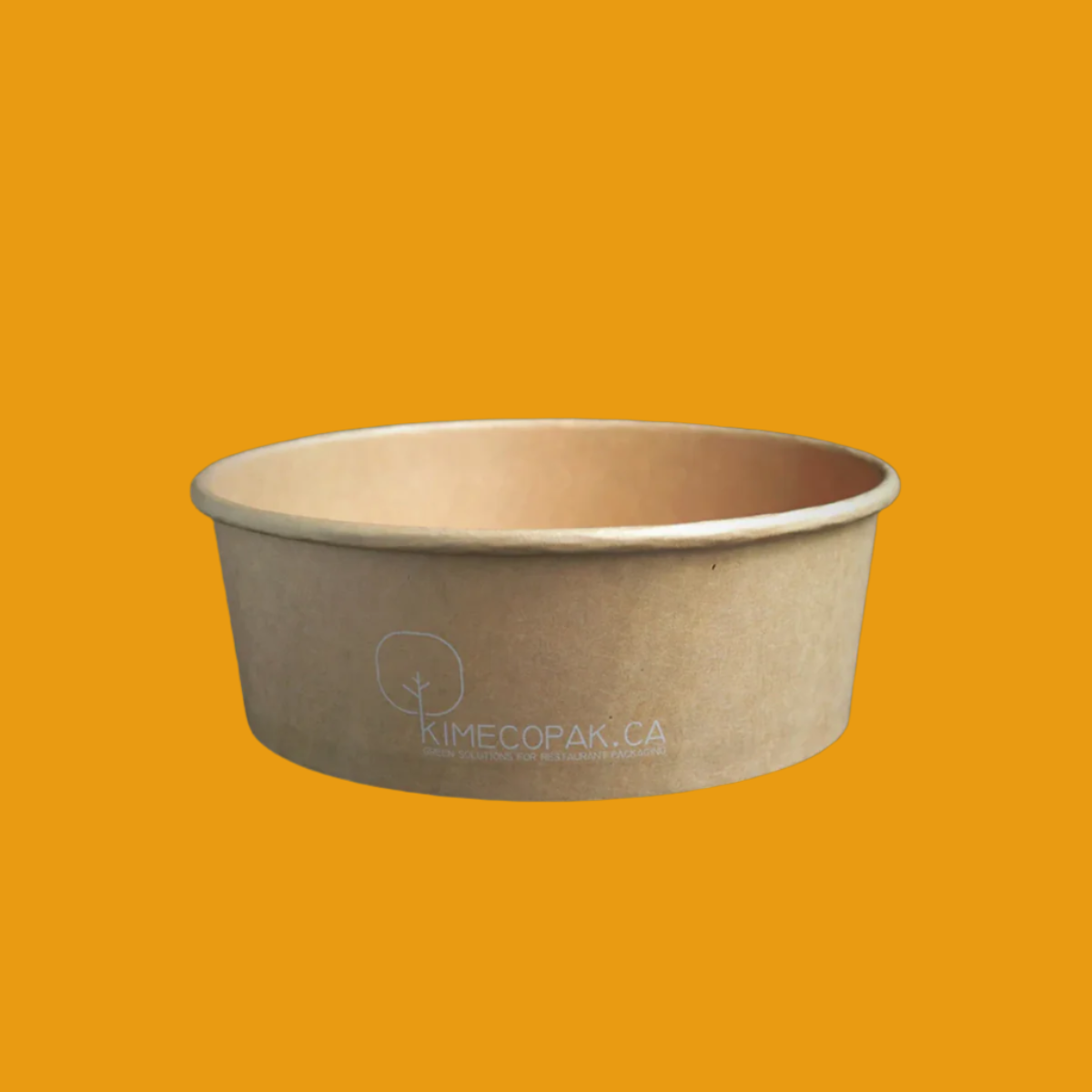
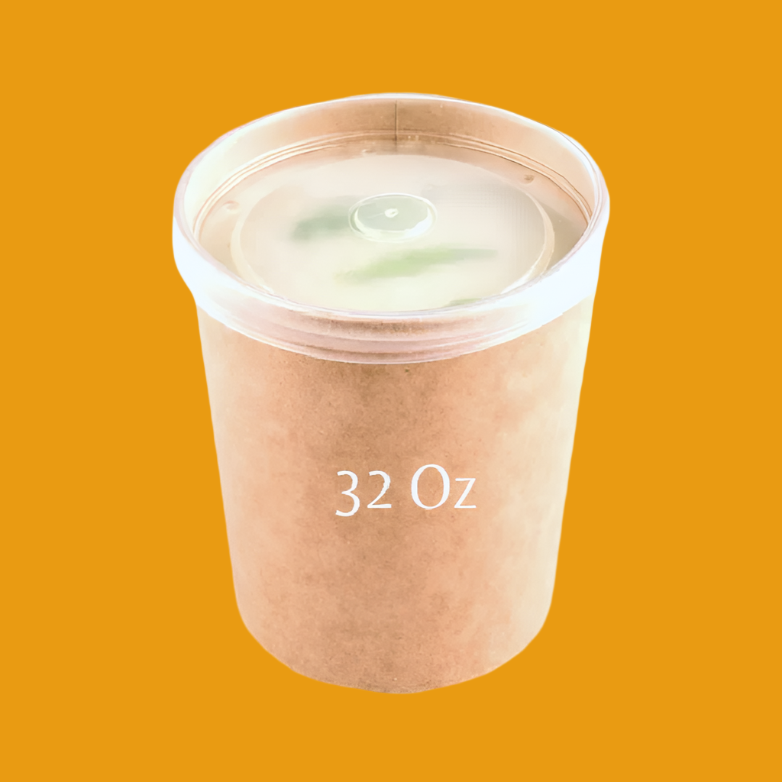
Paper Bowls for Pho Delivery: Leakproof Bowls & Secure Lids Explained
What “pho restaurant startup” really involves (so you plan correctly)
A pho restaurant is not just “a soup shop.” Operationally, it’s a production business that happens to sell comfort food. Your core product—broth—requires batch cooking, safe cooling and reheating procedures, and repeatable seasoning standards. That’s why pho startups succeed when they plan the “engine” first: the broth workflow, line layout, and portioning system that keep lunch rush fast.
Concept also changes your startup load. A traditional pho shop can run a tight menu and simpler FOH. A modern fast-casual pho concept often adds beverages, sides, and stronger branding—but that can raise equipment, training, and build-out complexity. Your goal at startup is simple: pick a concept you can execute perfectly with your first team and your first kitchen.

Step 1 — Validate demand and pick a pho restaurant concept
Start by defining who you want to serve and when. Pho performs best when it matches a strong need state: quick lunch, cold-weather comfort, late-night dining, or high-frequency takeout. Visit your target area at lunch and dinner for a week. Watch competitor line length, speed, and how many orders are pickup or delivery.
Then do a basic competitor scan:
- Top sellers and price points
- Review themes (service speed, broth flavor, portion size, cleanliness)
- Differentiation opportunities (regional style, premium cuts, late-night hours)
Finally, choose the concept with an execution checklist:
- Menu size you can prep daily without waste
- Service style (counter vs table service)
- Hours that match real demand (not optimism)
- Alcohol (adds licensing steps and complexity)
If you can’t explain your concept in one sentence, you’re not ready to lease a space.
Step 2 — Build a pho restaurant business plan (financing-ready)
A strong business plan is not for investors—it’s for you. It forces clear decisions on pricing, staffing, and volume assumptions before you commit to rent. At minimum, your pho restaurant business plan should include: concept, market snapshot, menu strategy, operations plan, staffing, marketing plan, and financial projections.
Your first pro forma should focus on sales drivers (transactions per day × average order value) and prime cost (food + labor). Prime cost matters because it’s the biggest controllable cost bucket in restaurants; Toast defines prime cost as COGS plus labor costs.
Build scenarios (conservative / expected / aggressive) and stress-test them against rent and build-out.
Funding note (practical): equipment leasing can preserve cash for payroll and working capital, but it still requires disciplined monthly planning. The mistake founders make is financing “hard assets” and then running out of cash during the slow first months.
Step 3 — Estimate pho restaurant startup costs (Canada-friendly categories)
Restaurant startup costs vary widely by city, size, and how much construction your site needs. A Canada-specific reference point: Toast’s Toronto guide cites a wide starting range (roughly $175,000 to $750,000+) depending on leasing, furniture, renovations, and permits. Use that range as a warning, not a quote—your job is to build a line-by-line budget.
A practical startup cost framework (use this as your template)
| Category | What it includes | Why it blows up |
|---|---|---|
| Build-out & renovations | hood/ventilation, plumbing, electrical, finishes | hidden mechanical issues, code upgrades |
| Kitchen equipment | ranges, refrigeration, prep tables, dish | buying wrong or overbuying early |
| Smallwares | ladles, strainers, bins, knives, hotel pans | underestimated until last week |
| Opening inventory | bones, aromatics, noodles, herbs, disposables | spoilage + supplier MOQs |
| Permits & professional fees | licensing, drawings, legal, accounting | delays and rework |
| Pre-opening payroll | hiring + training weeks | longer training than planned |
| Marketing & signage | photos, menus, exterior sign | rushed last-minute spend |
| Working capital | cash buffer for 2–3+ months | most common startup failure |
The line founders forget: working capital
Working capital is your survival budget while sales ramp up. Even strong openings stabilize over weeks—not days. If you plan to “open and immediately be busy,” you’re budgeting a fantasy.
Step 4 — Choose location, lease, and footprint (before you overbuild)
Location selection is both brand and math. Pho thrives where lunch demand is real and repeatable: office corridors, dense residential zones, transit nodes, university areas. But don’t pay premium rent for “visibility” if your model is mostly pickup and delivery.
How to Choose a Pho Restaurant Location (Trade Area + Rent-to-Sales Model)
Before you sign anything, run this sequence:
- Confirm municipal zoning restrictions
- Review renovation requirements and timelines
- Have a professional review your lease conditions
A government restaurant startup checklist (BC example) explicitly calls out zoning confirmation, renovation planning, and lease review before committing.
Footprint matters: smaller can be better if your line doesn’t bottleneck. For pho, design around:
- broth hot-hold near the pass
- protein portioning station
- noodles + bowls staging
- dedicated pickup shelf (reduces front congestion)

Step 5 — Permits, licenses, inspections (don’t let approvals delay opening)
Permitting is where timelines break. Plan it early and assume approvals take longer than you want. A BC restaurant startup checklist includes tasks like obtaining food safety certification (FOODSAFE), submitting a health operating permit application, submitting floor plans for approval, and completing health and municipal inspections.
Across Canada, typical requirements commonly include a business license, food service establishment permit, zoning approvals, and inspections (health and fire), plus tax registrations like GST/HST depending on your setup.
When federal licensing might apply (CFIA / SFCR)
Most dine-in restaurants won’t need a CFIA license. But the CFIA notes that under the Safe Food for Canadians Regulations (SFCR), certain food businesses require a license for activities like manufacturing/processing/packaging/labeling and trade across provinces or countries.
If you plan to sell packaged broth retail, ship across provinces, or export/import, treat CFIA licensing as a real planning item—not an afterthought.
(Note: I attempted to screenshot the BC checklist PDF for visual verification, but the tool returned a validation error; the cited content above comes from the PDF text extraction.)
Step 6 — Design the pho menu for speed + margins (not just authenticity)
Your startup menu should be designed for training speed, prep simplicity, and consistent bowls—not “everything you love.” The winning approach for new pho restaurants is a tight menu:
- 1–2 broths (beef + chicken, or beef + veg)
- a few protein options
- standardized garnish kits
- high-margin add-ons that don’t slow the line (drinks, rolls)
Build portion standards early: grams of protein, noodle weight, broth ladle volume. This protects your food cost and keeps bowls consistent across shifts.
How to Build a Profitable Pho Menu (Layout, Add-Ons, and Ordering Behavior)
Delivery/takeout packaging strategy (pho-specific)
Pho is packaging-sensitive. To protect quality and reduce refunds:
- package broth separately when possible
- keep herbs dry and separated
- include reheating instructions
- test travel time (15, 30, 45 minutes)
Menu engineering is not a “later” task. It’s how you prevent a beautiful concept from turning into chaotic prep and slow ticket times.
Best Paper Bowls for Pho Soup: Safe, Leakproof & Eco-Friendly Options
Step 7 — Suppliers + prep system (pho broth is your production line)
Suppliers determine consistency. For pho, treat bones, noodles, and herbs as your critical inputs. Build a supplier checklist:
- specs (bone cuts, noodle thickness, herb grade)
- backup vendors for shortages
- delivery schedule aligned to prep days
- pricing review cadence (monthly/quarterly)
Then build your broth production SOP:
- batch schedule (what days, what volume)
- labeling and storage rules
- taste calibration process (who signs off)
- safety workflow for cooling and reheating
This is also where waste control starts. Do yield tests (raw-to-cooked protein), track trim, and set par levels for perishables. New founders often assume waste is “small”—until herbs and aromatics start expiring weekly.
Step 8 — Hiring and training (so quality survives busy hours)
A pho restaurant can run lean, but only if roles are clear and training is documented. At startup, you need:
- a broth/lead cook (quality anchor)
- prep support (portioning + garnish kits)
- line assembler (rush execution)
- FOH/cashier (speed + accuracy)
Training should be SOP-driven, not memory-driven:
- portion charts with photos
- bowl assembly sequence
- “rush mode” stations
- cleaning and closing checklists
Schedule realistically for opening week. Founders tend to under-schedule to “save labor,” then pay for it with mistakes, refunds, and bad reviews. Your first two weeks are not the time to run the thinnest staffing you’ll ever run.

Step 9 — Pre-opening marketing + grand opening plan
Pre-opening marketing is mostly local infrastructure:
- Google Business Profile basics
- accurate hours, categories, and menu
- high-quality photos (especially bowls and storefront)
- a review request system from day one
Run a soft opening before a grand opening:
- limited menu
- measure speed and accuracy
- collect feedback
- fix the top 10 issues
- then expand
For grand opening offers, avoid deep discounting that trains customers to wait for deals. Instead, use margin-safe hooks: limited-time combo, free add-on for first week, or catering sampler for nearby offices.
Step 10 — Opening day checklist + first 30 days KPIs
Opening day checklist (founder version)
- all permits/inspections signed off
- POS tested (refunds, modifiers, combos)
- prep list complete + backup broth volume
- station map posted + roles assigned
- packaging tested + labels ready
- cleaning tools stocked
- manager “rush script” (what to do when behind)
First 30 days KPIs (track weekly)
- Sales and transactions by hour
- Average order value (AOV)
- Refunds/voids and root causes
- Food + labor (prime cost)
Prime cost is the headline KPI because it bundles food and labor together; it’s widely used because it reflects the costs you can actually control week to week.
Expect a “fix list” in month one: prep timing, portion drift, slow modifiers, packaging failures, staffing gaps. That’s normal—if you track it.
Common mistakes in a pho restaurant startup (and how to avoid them)
Underestimating approvals and build-out scope
Government checklists emphasize zoning, plan approval, and inspections before opening. Build those steps into your timeline early so you don’t pay rent while waiting.
Overbuilding the menu
A big menu creates slow service, waste, and training complexity. Add items only after your core bowls are fast and consistent.
Delivery volume that loses money
Delivery can grow sales and still shrink profit if fees and refunds aren’t priced in. DoorDash explains commissions and fees vary by plan and structure; the point is: treat delivery as a separate channel with separate economics.
FAQs
1) How much does it cost to open a pho restaurant in Canada?
Costs vary massively by city, footprint, and build-out needs. One Toronto-focused reference cites a wide total range of $175,000 to $750,000+ depending on lease, renovations, furniture, and permits. Use categories (build-out, equipment, pre-opening payroll, working capital) to build your own real number.
2) Is a pho restaurant profitable?
It can be, because broth is batch-produced and pho is repeat-friendly. Profit depends on pricing, portion control, rent, and prime cost discipline.
3) How long does it take to open a pho restaurant?
Most delays come from permitting, inspections, and build-out surprises. Plan conservatively and sequence approvals early (zoning → plans → permits → inspections).
4) What equipment do I need to start a pho restaurant?
At minimum: hot cooking capacity, refrigeration, prep space, dishwashing, and safe holding/cooling tools. For a complete general equipment baseline, commercial equipment guides recommend building a category-based list (cooking, refrigeration, prep, warewashing, safety). Add pho-specific needs (stock pots, broth holding workflow, portioning tools).
5) What licenses and permits do I need in Canada?
Typical needs include business licensing, a food service permit, zoning approvals, and inspections (health/fire), plus tax registrations. Requirements vary by province/municipality.
6) Do I need a federal CFIA license to run a pho restaurant?
Often no for standard dine-in. But if you manufacture/package food for broader distribution or interprovincial trade, SFCR licensing can apply.
7) How do I price pho for delivery apps?
Start with bowl cost + packaging, then add a channel factor for delivery fees/commissions and refund risk. Treat delivery as a separate menu if needed.
8) How many staff do I need to open?
Enough to protect speed and quality: a lead cook, prep support, line assembler, and FOH/cashier per shift is a common lean start—then flex up for lunch rush.
9) What’s the best location for a pho restaurant?
Places with predictable lunch demand and easy pickup access: offices, transit corridors, dense residential zones, universities.
10) What should a pho restaurant business plan include?
Concept, market snapshot, menu strategy, operations plan, staffing, marketing, and financial projections with prime cost assumptions.
Conclusion
A pho restaurant startup becomes manageable when you treat it like an execution project: concept → business plan → cost model → lease/site → permits → build-out → suppliers → menu + SOPs → hiring → soft open → grand opening → KPIs. The founders who win don’t have the “most authentic idea”—they have the most repeatable system. Build the broth workflow first, keep the menu tight, budget working capital honestly, and use a checklist so approvals and build-out don’t surprise you.
If you want a strong next internal article for your site, publish a companion post: “Pho restaurant startup checklist (printable)” and another: “Pho restaurant equipment list (pho-specific)”—they naturally interlink and match high-intent searches.