Canada's coffee culture is not slowing down. If you're planning to start a coffee shop business, there has never been a better time to evaluate the opportunity. Independent cafés continue to attract customers looking for specialty coffee, local brands, and unique experiences that large chains often cannot provide.
However, many entrepreneurs start a coffee shop business without fully understanding the costs, permits, staffing requirements, and financial realities involved. This guide explains how to start a coffee shop business in Canada, including startup costs, licensing requirements, equipment, break-even calculations, and common mistakes to avoid.
-
13 Tips to Open a Successful Coffee Shops in Canada
-
What sets your coffee shops different from the competition?
-
Beyond Lattes: How Coffee Shops Are Adapting to the Healthy Consumer?
Why Start a Coffee Shop Business in Canada?

Coffee remains one of the most resilient food and beverage categories in Canada. Many entrepreneurs choose to start a coffee shop business because coffee purchases are habitual, repeatable, and less vulnerable to economic fluctuations than many other retail sectors.
A successful coffee shop business can generate recurring daily revenue from commuters, office workers, students, and neighbourhood residents. Combined with growing demand for specialty beverages and local café experiences, there is still significant opportunity for operators who can control costs and create a strong customer experience.
Defining Your Coffee Shop Concept
Before you dive in, it’s essential to define what your coffee shop will be all about. Will it focus on sustainability with locally sourced ingredients? Perhaps you envision a cozy nook for book lovers, or a trendy spot for young creatives to gather. Whatever your concept, this will set the tone for everything else!
Understanding the Current Coffee Market Trends
It’s important to stay updated on market trends. Currently, many coffee lovers value ethically sourced beans, unique flavor profiles, and a strong community connection. The rise of specialty coffee and plant-based options means there’s plenty of room to innovate. Keeping your finger on the pulse of these trends can give you a competitive edge.
Choose the Right Model Before You Start a Coffee Shop Business
Your startup costs, equipment needs, permit requirements, and staffing will all vary significantly depending on which model you choose. Here are the five main types operating in Canada:
Coffee Kiosk
A small booth or cart inside a mall, transit hub, office building, or grocery store. Lowest startup cost, smallest footprint, no dine-in. Works well for high-traffic locations with captive customers.
- Startup cost: $75,000–$150,000 CAD
- Space: 50–200 sq ft
- Staff: 1–2 per shift
- Best for: Testing a concept, low overhead, transit or office locations
Takeout Coffee Shop
Counter-only service, no seating or minimal seating. Fast throughput and lower rent than a full café. The dominant model for independent coffee in Canadian urban cores right now.
- Startup cost: $100,000–$250,000 CAD
- Space: 400–800 sq ft
- Staff: 2–4 per shift
- Best for: High foot traffic streets, near offices or transit
Sit-Down Café
Full dine-in experience with seating, wi-fi, and a food menu. Higher rent and staffing, but higher average ticket and longer customer stays.
- Startup cost: $200,000–$400,000 CAD
- Space: 800–2,000 sq ft
- Staff: 4–8 per shift
- Best for: Neighbourhood destinations, remote worker traffic, university areas
Specialty Coffee Shop
Focused on single-origin, manual brew methods, and coffee education. Commands premium pricing. Smaller menu, highly trained staff, specific equipment (Victoria Arduino, Modbar, Slayer).
- Startup cost: $150,000–$350,000 CAD
- Equipment budget higher due to specialty gear
- Best for: Coffee-forward markets, cities with established specialty culture (Vancouver, Toronto, Montreal, Calgary)
Bakery Café
Coffee plus house-made baked goods. Higher revenue per customer, but adds significant complexity, commercial baking equipment, additional health permits, larger kitchen footprint, more staff.
- Startup cost: $250,000–$500,000 CAD
- Requires separate food premises permit for baking in most provinces
- Best for: Neighbourhood destinations with strong brunch/morning traffic
Which Coffee Shop Model Is Best for First-Time Owners?
If you're planning to start a coffee shop business for the first time, the best model is often not the largest one.
For many entrepreneurs, a coffee kiosk or takeout-focused coffee shop provides a lower-risk entry point because startup costs, staffing requirements, and operational complexity are easier to manage.
Before you start a coffee shop business, evaluate your available capital, target customer base, and long-term growth goals rather than choosing a model based purely on personal preference.
Create a Business Plan Before You Start a Coffee Shop Business
A business plan is one of the most important tools you'll create before you start a coffee shop business. It helps determine whether your concept is financially viable and provides a roadmap for growth during the first few years of operation.
The goal is not simply to attract investors. A strong business plan helps you understand costs, revenue targets, staffing requirements, and break-even timelines before you commit significant capital.
Crafting a Compelling Executive Summary
Start with a snapshot of your coffee shop vision. This brief overview should excite readers and outline your goals, concept, and what makes you unique. It’s your opportunity to draw investors and partners into your dream!
Market Analysis: Knowing Your Customers and Competition
Conduct thorough research on your target market and potential competitors. Who will your ideal customers be? How can you meet their needs better than the shop down the street? Understanding your competition can help you carve out your niche in the local market.
Defining Your Unique Selling Proposition (USP)
This is where you differentiate yourself. What makes your coffee shop the go-to place? Is it your artisan brews, your customer service, or perhaps your ambiance? Highlighting your USP will make your shop memorable to customers.
Menu Development: From Classic Brews to Signature Drinks
Your menu should reflect your concept and cater to your audience. Think about offering classic options but also getting creative with your own signature drinks. Seasonal specials can draw in regulars who love trying something new!
Operations Plan: Day-to-Day Management
Detail out how your shop will operate on a daily basis. How many employees will you need? What will their roles be? Having a solid operations plan will help ensure smooth sailing once you open your doors.
One lesson many successful café owners learn after they start a coffee shop business is that operational systems matter just as much as coffee quality. Consistent workflows, staff training, inventory controls, and customer service standards help create a business that can scale without sacrificing quality.
As your customer volume grows, standardized systems help maintain drink quality, improve service speed, and reduce operational mistakes during busy periods.
Marketing and Sales Strategy: Attracting Your First Customers
Consider how you’ll draw in customers when you first open. Social media is key, but also think about local marketing, partnerships with other businesses, or hosting opening events. The more buzz, the better!
Financial Projections: Estimating Costs and Revenue
Constructing financial projections allows you to anticipate your shop’s financial needs. Estimate your startup costs and forecast potential revenue. This will not only help you set realistic goals but will also be vital if you’re seeking funding.
How Much Does It Cost to Start a Coffee Shop Business in Canada?

Here is a realistic cost breakdown in CAD. Numbers vary by city, café type, and whether the space needs full renovation or is already fitted out.
Startup Cost Breakdown (CAD)
| Cost Item | Low | High |
|---|---|---|
| Lease deposit (first + last month) | $6,000 | $25,000 |
| Leasehold improvements / renovation | $30,000 | $150,000 |
| Espresso machine (commercial) | $8,000 | $22,000 |
| Grinders (espresso + batch) | $2,000 | $8,000 |
| Batch brewer / pour-over station | $1,000 | $5,000 |
| Refrigeration (bar fridge, display case) | $3,000 | $12,000 |
| Ice machine | $1,500 | $5,000 |
| Water filtration system | $500 | $3,000 |
| POS system + payment terminals | $1,500 | $8,000 |
| Furniture and fixtures | $5,000 | $40,000 |
| Signage | $1,500 | $8,000 |
| Permits and licences (Year 1) | $1,500 | $8,000 |
| Initial inventory (beans, milk, syrups, pastries) | $3,000 | $8,000 |
| Packaging and disposables (opening stock) | $1,000 | $4,000 |
| Branding and marketing setup | $2,000 | $10,000 |
| Working capital (3 months) | $20,000 | $60,000 |
| Total | ~$88,000 | ~$376,000 |
Sources: LAMOSE Coffee Shop Startup Costs Canada 2024, Square Canada, BDC. All figures CAD.
Monthly Operating Costs to Model
| Expense | Typical % of Revenue |
|---|---|
| Cost of goods (coffee, milk, food) | 25–35% |
| Labour (including payroll deductions) | 35–40% |
| Rent | 8–12% |
| Utilities | 3–6% |
| Packaging and supplies | 2–4% |
| Marketing | 1–3% |
| POS, software, subscriptions | 1–2% |
Target: A healthy independent café in Canada aims for 65–75% gross margin on beverages and 10–15% net profit at maturity. Beverage-only margins are strong, it is rent and labour that determine whether you survive year one.
Break-even example: A café with $25,000/month fixed costs at a $7.50 average ticket needs approximately 110 customers per day to break even. Build this calculation for your specific location before you sign a lease.
How Much Working Capital Do You Need to Start a Coffee Shop Business?
One of the most common mistakes entrepreneurs make when they start a coffee shop business is focusing only on renovation and equipment costs.
Even after opening, you'll still need sufficient working capital to cover payroll, inventory, rent, utilities, marketing, and unexpected expenses while customer traffic builds.
Many café consultants recommend maintaining at least three to six months of operating expenses before launching.
Step-by-Step Guide to Start a Coffee Shop Business in Canada

Step 1: Research the Market Before You Start a Coffee Shop Business
Walk your target neighbourhood at 7am, 12pm, and 3pm on different days. Count foot traffic. See who is there, office workers, students, residents, tourists. Check what is already operating within 500 metres. A great concept in the wrong location underperforms every time.
Your concept should answer three questions clearly:
- What type of café are you running? (See types above)
- Who is your primary customer and what do they need from a café?
- What is the one thing you do better than anyone within walking distance?
Step 2: Write a Business Plan With Real Numbers
Your business plan is not for show, it is the document that forces you to confront whether your idea is financially viable before you spend a dollar. At minimum it needs:
- Revenue model: seats × turns × average ticket, or daily customer count × average ticket
- Monthly P&L projection for months 1–24 (model a slow ramp, month 1 is not month 12)
- Break-even analysis
- 3-month cash reserve requirement
- Staffing plan with actual wages (minimum wage varies by province - $16.55/hr in Ontario, $17.40/hr in BC as of 2025)
The Business Development Bank of Canada (BDC) offers free business plan templates and financial projection tools at bdc.ca.
Step 3: Secure Funding to Start a Coffee Shop Business
Options available to Canadian café operators:
- Personal savings most common; gives full control, carries full risk
- Canada Small Business Financing Program (CSBFP) government-backed loans up to $1M for equipment and leasehold improvements; apply through any major Canadian bank
- BDC Small Business Loan flexible terms, well-suited for equipment purchases
- Friends and family / silent partners common for first-time operators with strong local networks
- Crowdfunding works well for community-rooted concepts with an existing following before launch
Step 4: Choose Your Location and Negotiate Your Lease
Location factors in order of importance for a Canadian coffee shop:
- Daily foot traffic pattern: morning commuter flow is worth more than afternoon pedestrian count for most cafés
- Visibility: can people see you from across the street or while walking past?
- Proximity to offices, transit, or campus: these drive repeat daily visits
- Rent as % of projected revenue: if rent pushes above 12% of your revenue model, renegotiate or walk away
- Lease term and tenant improvement allowance: negotiate a TI allowance for renovation costs; standard in Canada is $20–$60/sq ft in competitive markets
Before signing: Have a commercial real estate lawyer review the lease. A clause you miss can cost more than the lawyer's fee in the first year alone.
Step 5: Apply for Permits and Licences
See the full permits section below. Start this process the day you sign your lease not after renovation is done.
Step 6: Build Your Menu and Pricing Strategy
A focused menu outperforms a broad one on a coffee bar. Start with:
- Core espresso drinks: espresso, americano, latte, cappuccino, flat white, cortado
- Cold coffee: iced latte, cold brew, iced matcha
- Non-coffee: matcha, chai, hot chocolate
- Food: 3–5 items maximum to start, pastries sourced from a local bakery until you know your volume
Pricing formula: Calculate your cost per drink including cup, lid, sleeve, milk, and beans. Divide by 0.30 to get a price targeting 30% beverage cost. A drink costing $1.80 in ingredients prices at $6.00. Adjust up in high-rent locations.
Tip: Add $0.20–$0.40 per drink to your cost calculation to account for cup, lid, and sleeve — most new café owners forget this.
Step 7: Design Your Layout for Rush Hour, Not Average Hours
Your layout should be optimized for your busiest 45 minutes, typically 7:45am–8:30am on weekdays. Everything else is secondary.
- Espresso bar: grinder → machine → milk station → handoff point, in a straight or L-shape line. No backtracking.
- POS placement: at entry, not at the end of the bar, customers should order first, then wait at the handoff point
- Pickup station: clearly separated from the ordering area, prevents the bottleneck that kills morning flow
- Storage: dry goods and packaging within arm's reach of the bar, not in a back room staff have to walk to mid-service
Step 8: Buy Equipment (in the Right Order)
Buy your espresso machine last, after your space is built, your water filtration is in, and your electrical is confirmed. Espresso machines are calibrated to specific water pressure and temperature. Install in the wrong environment and you will spend weeks troubleshooting flavour issues.
See the full equipment checklist below.
Step 9: Set Up POS, Payment, and Inventory
In Canada, Interac tap is non-negotiable, cash-only or card-insert-only will cost you customers every day. Your POS also needs to handle:
- Modifier options (milk type, size, temperature, extra shot)
- Loyalty program integration
- Daily sales reporting by item (so you know what to cut from the menu after month 1)
- Inventory tracking for beans and high-cost ingredients
Good options for Canadian coffee shops: Square for Restaurants, Lightspeed Restaurant, Toast, Clover, Moneris (Canadian-native processor, strongest Interac support).
Step 10: Hire and Train Baristas
For a takeout café or sit-down café, hire at minimum one experienced lead barista before opening. someone who can dial in espresso recipes, train other staff, and troubleshoot equipment. If you are not an experienced barista yourself, this hire is not optional.
Training checklist before opening:
- Espresso recipe dialled in and documented (dose, yield, extraction time)
- Milk steaming consistency across all staff
- POS operation and order flow
- Sanitation and cleaning protocols (espresso machine backflushing, grinder cleaning, milk fridge)
- Food handler certification confirmed for all staff preparing food or beverages
Provincial minimum wages (2025): Ontario $16.55/hr, BC $17.40/hr, Alberta $15.00/hr. Budget CPP and EI contributions on top — approximately 8–9% of gross wages per employee.
Step 11: Stock Packaging and Run a Soft Opening
Stock a minimum 2 weeks of packaging supply before your soft opening. Running out of lids or sleeves during your first week of service is avoidable and damaging to first impressions.
Run your soft opening with friends, family, and local media 1–2 weeks before your public launch. Use it to:
- Identify workflow bottlenecks at peak volume
- Dial in your espresso recipe under real service conditions
- Train staff on handling a queue
- Test your POS and payment setup under load
Permits and Licences Required to Start a Coffee Shop Business in Canada

There is no single national café licence. You need to clear three levels, federal, provincial, and municipal and some of these run in parallel, so start early. Budget 3–4 months minimum for permits before your target opening date.
Federal: CRA Registration
- Business Number (BN): Register at canada.ca/en/revenue-agency
- GST/HST Registration: Mandatory once revenue exceeds $30,000 CAD/year, most cafés hit this in the first 1–2 months
- Payroll Account: Required once you hire staff; used to remit CPP, EI, and income tax deductions to CRA
Provincial: Business Registration and Food Premises
- Register your business name provincially: ServiceOntario (ON), BC Registry Services (BC), CORES (AB)
- Food Premises Permit (called Food Service Establishment Licence in some provinces), issued by your provincial or regional health authority; this is the core permit allowing you to prepare and serve food and beverages
- Food Handler Certification: Required for you and key staff. FOODSAFE Level 1 in BC, Food Handler Certificate in Ontario, ProServe in Alberta. Cost: $100–$150 CAD per person
- Liquor Licence, if you plan to serve alcohol (wine, beer, coffee cocktails): AGCO in Ontario, BC LCRB, AGLC in Alberta. Timeline: 8–16 weeks. Start this first if it applies to you.
Municipal: Local Licences and Inspections
- Municipal Business Licence — issued by your city or regional district
- Health Inspection — your local public health unit inspects your kitchen and prep areas before you open
- Fire and Occupancy Inspection — covers exits, sprinklers, hood suppression, and maximum occupancy. Required before you can legally open
- Signage Permit — required by most cities before installing exterior signage
- Patio Permit — if you want outdoor seating; applied separately through your city. In Toronto and Vancouver, patio permits have seasonal restrictions and separate fees
- Zoning Confirmation — confirm your location is zoned for food service retail before you sign a lease
Toronto specifically: Apply for an Eating or Drinking Establishment licence through Toronto Municipal Licensing & Standards. See: toronto.ca → "Eating or Drinking Establishment."
Useful tool: Use BizPaL at bizpal.ca to generate a customized permit checklist for your business type and municipality across Canada.
Equipment Needed to Start a Coffee Shop Business

Espresso Bar
- Commercial espresso machine — 2-group minimum for any real volume (La Marzocca, Synesso, Nuova Simonelli, Victoria Arduino)
- Espresso grinder — one per group head minimum, separate decaf grinder
- Knock box, tamper, tamping mat, portafilter set
- Dedicated undercounter milk fridge
- Steam pitchers in multiple sizes (12 oz, 20 oz, 32 oz)
Batch and Alternative Brew
- Commercial batch brewer (Fetco, Bunn) for drip coffee
- Pour-over station if offering manual brew
- Cold brew keg system if offering cold brew on tap
Cold Drinks and Refrigeration
- Commercial blender (Vitamix or equivalent) for frappes and smoothies
- Ice machine — size to your volume; undercounter for kiosks, freestanding for higher volume
- Refrigerated display case for grab-and-go food and bottled drinks
- Bar refrigerator for milk and dairy alternatives
Water Filtration
Not optional. Hard water destroys espresso machines, voids most manufacturer warranties, and ruins flavour. Budget $500–$3,000 CAD. Install before your espresso machine.
Food Prep (if serving food)
- Panini press or commercial toaster
- Sandwich prep fridge
- 3-compartment sink (required by health code in every Canadian province)
- Handwashing sink at every food prep station
Ventilation and Safety
- Exhaust hood over any open-flame or high-heat cooking equipment
- Ansul-type fire suppression system if required by local fire code
- Fire extinguisher — inspected and tagged annually
Cleaning and Sanitation
- Espresso machine cleaning supplies (Cafiza, blind filter, backflush discs)
- Grinder cleaning tablets (Grindz)
- Food-safe sanitizing solution approved by your health authority
- Commercial floor mats (non-slip), mop, cleaning schedule posted for inspectors
Packaging Checklist for a Coffee Shop Business
You go through cups, lids, and bags every single service. Get this sorted before your soft opening not during it.
Hot Drinks
| Item | Spec | Notes |
|---|---|---|
| Double-wall kraft hot cups | 8, 12, 16 oz | Double-wall eliminates need for a sleeve |
| Flat sip lids | Match cup diameter | Confirm fit before ordering in volume |
| Dome lids | For specialty topped drinks | |
| Cup sleeves | If using single-wall cups | Branded sleeves = cost-effective logo placement |
| 4-cup carriers | Kraft or recycled board | Essential for any multi-order pickup |
Cold Drinks
| Item | Spec | Notes |
|---|---|---|
| Clear PET cold cups | 16, 24, 32 oz | For iced coffee, cold brew, frappes |
| Dome lids | For whipped cream drinks | |
| Flat lids | Standard cold drinks | |
| Paper straws | Required or preferred in BC, ON, QC | Stock compostable as default |
Food and Serviceware
- Kraft paper bags — flat for pastries, twisted handle for multi-item orders
- Pastry boxes — for cakes, boxes of muffins, cookie sets
- Paper napkins — 2-ply for food service
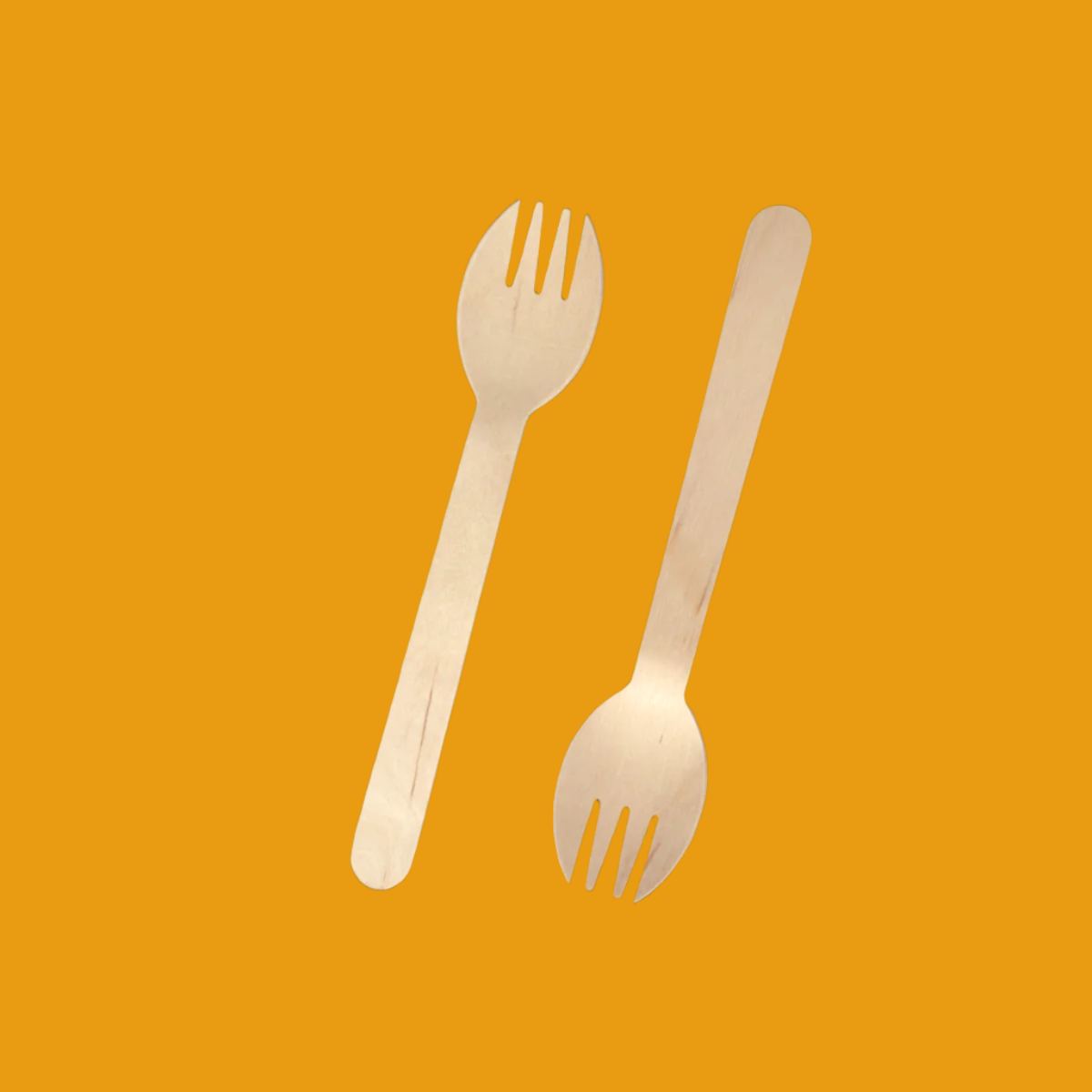
- Wooden or compostable cutlery sets
- Condiment cups with lids (1 oz, 2 oz) for honey, sauces, cream
Canadian packaging regulations: BC's Single-Use Item Reduction Regulation is in effect. Ontario and Quebec have incoming single-use plastic restrictions. Kraft and compostable packaging is the standard choice for Canadian independent cafés — and increasingly an expectation from customers.
On custom logo packaging: Your hot cup is the most visible branded item in your café. Every customer who walks out with it carries your branding onto the street, into offices, and onto transit. A branded double-wall cup costs marginally more than plain and functions as outdoor advertising at no additional media spend.
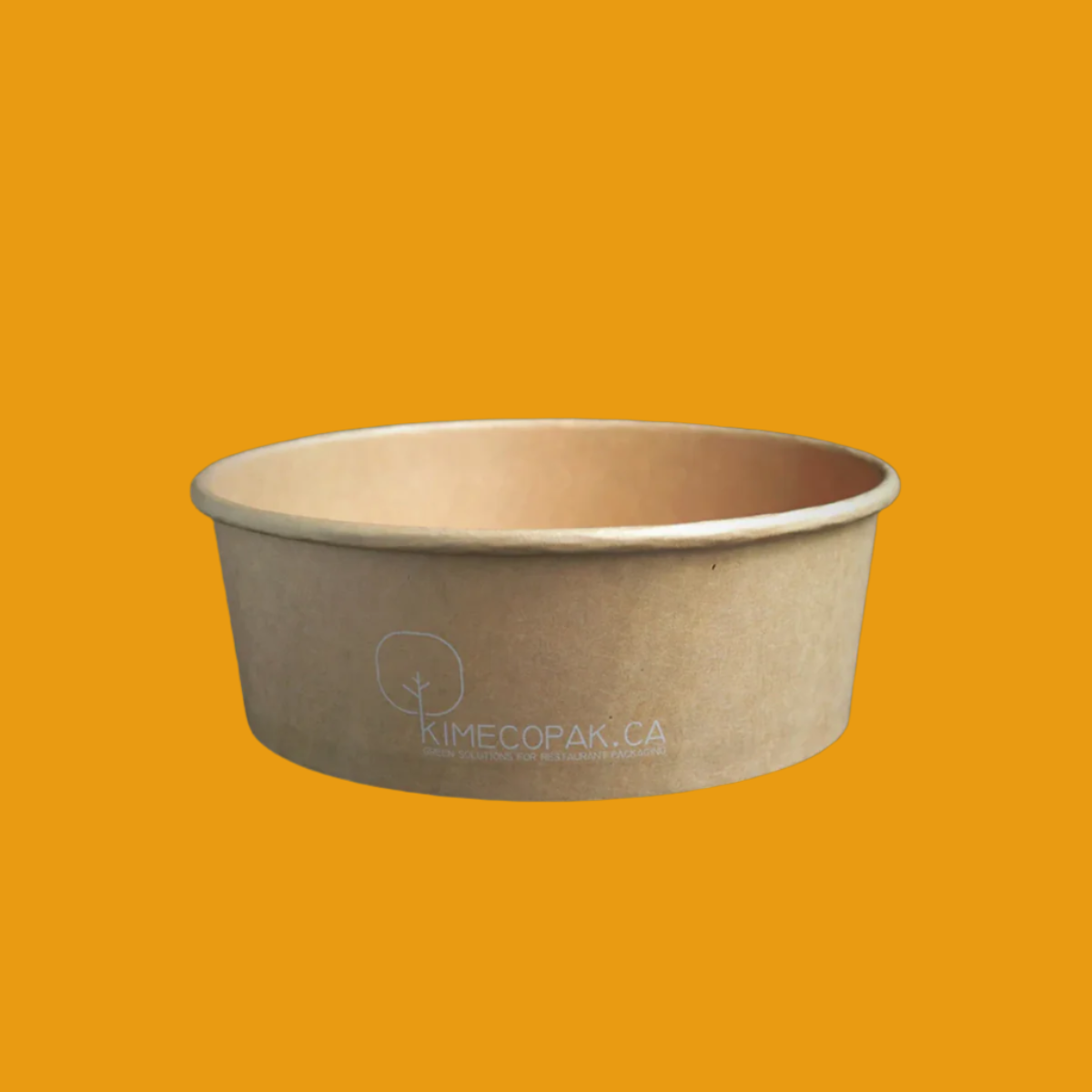
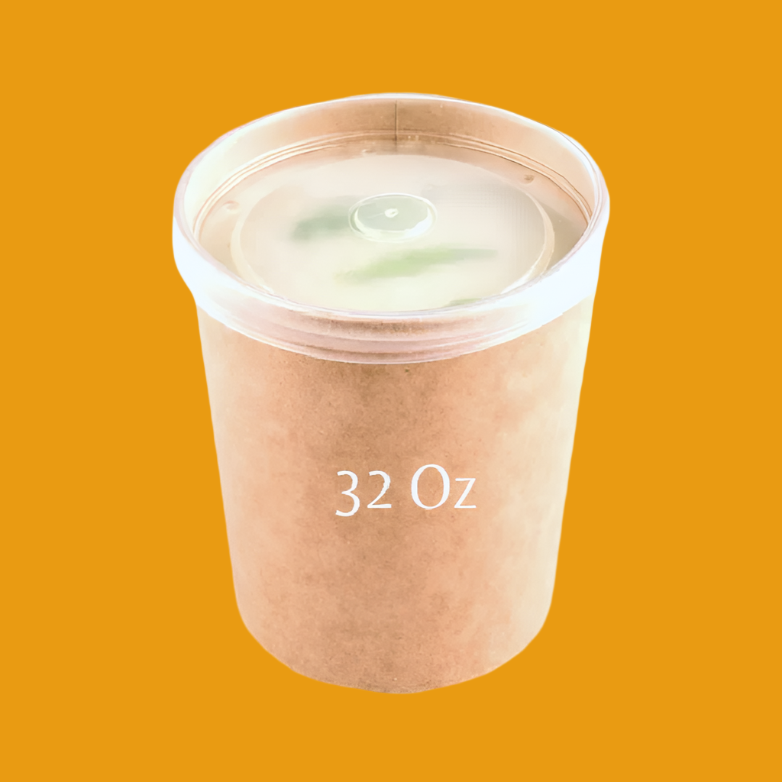
Kimecopak supplies Canadian coffee shops with double-wall hot cups, cold cups, lids, sleeves, cup carriers, pastry boxes, napkins, wooden cutlery, and custom logo packaging — shipped Canada-wide, low minimums on standard items.
Common Mistakes When You Start a Coffee Shop Business
Signing the lease before confirming zoning.
Food service retail is not permitted in every commercial space. Confirm with your city before you negotiate, not after.
Buying the espresso machine before the build-out is done.
Water pressure, electrical, and ventilation all need to be in place first. Machines installed in the wrong environment take weeks to dial in.
Underestimating labour.
Many first-time owners budget for the number of staff they want to hire, not the number they need to run service safely. Model 35–40% of revenue going to labour from day one.
Skipping the water filtration system to save money.
A $1,500 filtration system protects a $15,000 espresso machine. This is not an optional line item.
Opening without a 3-month cash reserve.
Month one revenue is never month six revenue. You need runway for the ramp-up period, plan for it before you open, not when you are running low.
Not dialling in espresso before opening day.
Your espresso recipe changes with every new bag of beans, every humidity shift, every grinder calibration. Practice dialling in for weeks before you serve a paying customer.
Keep reading — we’ve got you covered.
👉 Want early access? [SIGN UP HERE] to get the guide first when it launches.
FAQs About How to Start a Coffee Shop Business
How much does it cost to start a coffee shop?
-
Low End: Around $50,000 - $100,000 for a small coffee shop in a less expensive location.
-
High End: $150,000 - $300,000 or more for a large or high-end coffee shop in a prime location with extensive renovations and high-quality equipment.
What are the most common challenges faced when starting a coffee shop?
Many new owners struggle with financing, finding the right location, and managing day-to-day operations.
How can I create a unique and memorable coffee shop brand?
Focus on a strong visual identity, friendly customer service, and a unique customer experience.
What is the average profit margin for a coffee shop?
Typically, coffee shops can expect a profit margin of about 10% to 15%, although this can vary greatly depending on location and business model.
Is it better to buy an existing coffee shop or start from scratch?
Buy an existing shop if you want faster setup, existing customers, and lower risk — but be careful of hidden issues. Start from scratch if you want full creative control and have time/money to build it — but it’s riskier and slower.
How much money do I need to start a coffee shop business?
The amount required to start a coffee shop business depends on your concept, location, and equipment needs. In Canada, most independent cafés require between $88,000 and $376,000 CAD to launch. Smaller kiosks and takeout concepts generally require less capital than full-service cafés.
Is it profitable to start a coffee shop business?
Yes, it can be profitable to start a coffee shop business when labor, rent, and inventory costs are properly managed. Most successful independent cafés target beverage gross margins above 65% and long-term net profit margins between 10% and 15%.
Can I start a coffee shop business with limited capital?
Many entrepreneurs start a coffee shop business through kiosks, takeout cafés, shared commercial spaces, or smaller neighbourhood concepts. Starting with a focused menu and a smaller footprint can significantly reduce startup costs while allowing you to validate customer demand.
Conclusion
Starting a coffee shop business requires much more than serving great coffee. The most successful café owners understand their numbers, choose the right location, build efficient systems, and create a memorable customer experience.
Whether you're planning a kiosk, takeout café, specialty coffee shop, or full-service café, taking the time to plan carefully before you start a coffee shop business can significantly improve your chances of long-term success. Focus on strong operations, financial discipline, and customer loyalty, and your café will be positioned for sustainable growth.