Shawarma shops win on volume until soggy wraps, spilled garlic sauce, and cold fries start costing you refunds and repeat customers. At kimecopak.ca, we help Canadian restaurants, cafés, bakeries, and food businesses choose packaging systems that protect food quality, streamline peak-hour workflow, and reinforce brand value with eco-friendly options. If you’re not a restaurant owner, please share this article with friends who run a restaurant.
- Types of Shawarma: Differences in Meat, Serving Style, and Flavor
- Shawarma vs Kebab: Key Differences in Taste, Calories, and Nutrition
- How Long Does Shawarma Last?
- Shawarma and Falafel: What’s the Difference (and Which Works Best for Takeout)?
What makes a shawarma shop profitable

High-throughput menu design (wraps + platters + sides)
Profit in a shawarma shop is usually driven by throughput and attachment rate (how often customers add fries, drinks, extra protein, or sauces). The best-performing menus typically share three characteristics:
- Core items are standardized (same proteins, same toppings, same build sequence).
- Add-ons are easy (fries, salads, rice, dips) without slowing the line.
- Packaging supports speed (no “hunt for lids,” no messy double-bagging, no mid-rush rework).
The moment packaging becomes a bottleneck wrong sizes, weak lids, greasy paper, or inconsistent portioning your line slows, labor cost rises, and customer satisfaction drops.
Delivery-proof execution (heat, steam, sauces, fries)
Shawarma is a high-risk delivery food because it combines:
- Heat + steam (wraps condense and get soggy),
- Sauces (garlic, tahini, hot sauce—spill-prone),
- Fried sides (fries lose crispness quickly).
Your recipe can be perfect—and still arrive “bad” because the packaging system wasn’t designed around:
- Moisture control (steam management),
- Seal integrity (no leaks),
- Separation strategy (hot vs cold, dry vs wet),
- Carry strength (bags that hold weight and grease).
Packaging as margin protection (refund reduction + repeat orders)
Packaging isn’t just a cost line—it’s margin insurance.
A single delivery complaint can cost you:
- the refund or replacement,
- a driver fee (if applicable),
- staff time,
- and a lost future customer (the biggest cost).
A packaging system that prevents leaks and preserves texture improves:
- ratings and reviews,
- repeat orders,
- upsell success (customers trust you),
- and brand perception (your food feels premium and reliable).
Shawarma shop menu formats customers expect
Shawarma wraps (chicken, beef, mixed) and portion standards
Most shawarma shops rely on wraps as the volume driver. Customers expect:
- consistent size and fill,
- clean eating experience,
- and minimal mess—even with extra sauce.
Operational note: Portion standards protect margin. If staff “freehand” protein and sauces, your cost per wrap drifts upward fast.
Packaging implication: Wraps need a system that:
- holds structure,
- prevents grease soak-through,
- and contains sauce without trapping too much steam.
Platters/bowls (rice, salad, pickles) and upsell structure

Platters and bowls drive higher average ticket and create a strong upsell path:
- “Make it a platter” (rice or fries base),
- “Add extra protein,”
- “Add hummus or salad.”
Bowls are also a safer delivery format than wraps because they’re less sensitive to steam and movement if the lid seal is strong and the container is sized correctly.
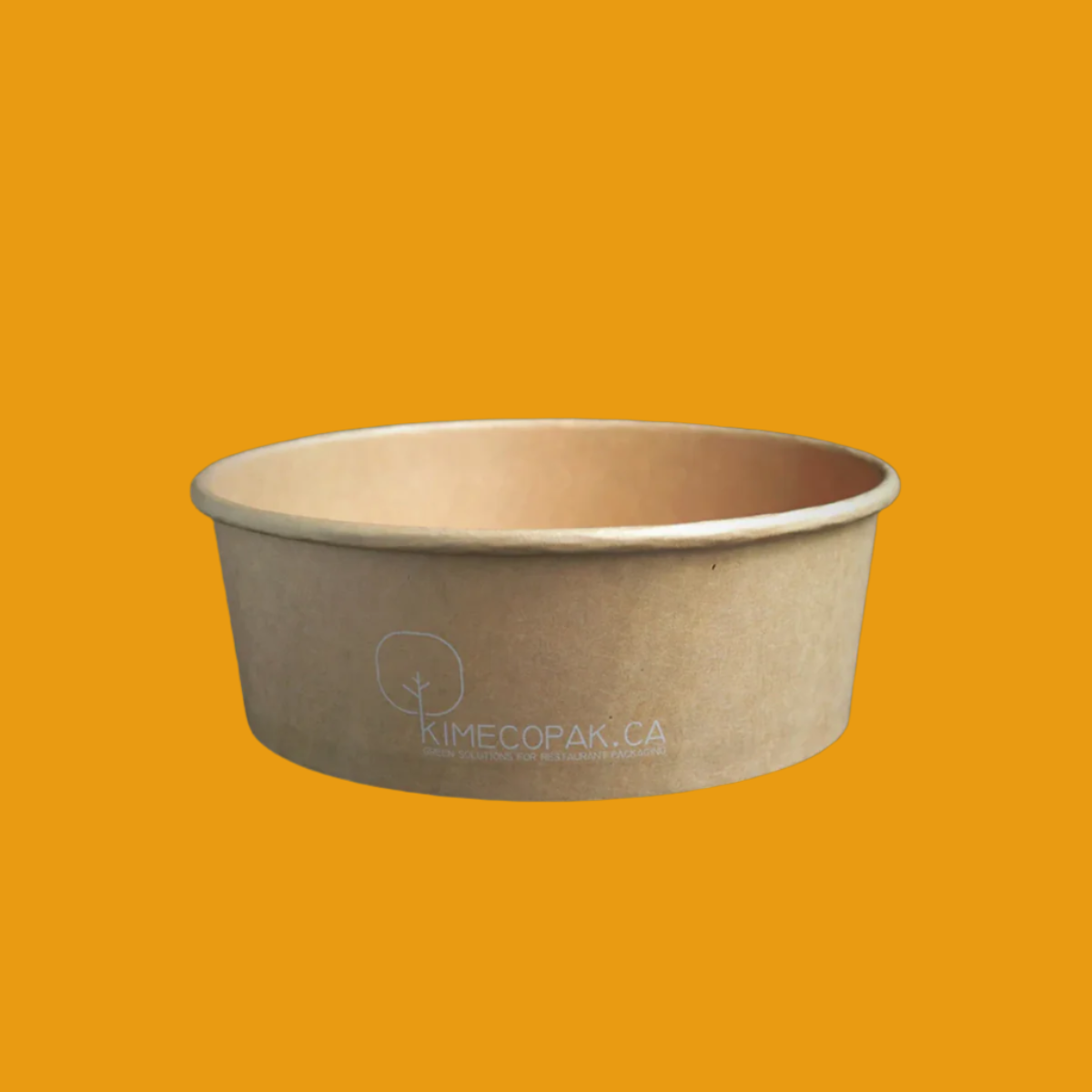
A go-to option for hot bowls/platters is a sturdy kraft bowl with a fitted lid: Disposable Kraft Paper Bowls with Lids
Fries and sides that travel well
Fries are a classic add-on—and the most common disappointment in delivery.
Customers will forgive fries that soften slightly. They won’t forgive:
- fries that are limp and wet,
- fries that are cold,
- or fries that arrive mixed with sauce.
Operational best practice: Make fries a separate “module”:
- fries container,
- sauce cup(s),
- main wrap or bowl.
This protects texture and reduces “everything is soggy” complaints.
Sauces & add-ons (garlic sauce, tahini, hot sauce) as profit levers
Sauces are where shawarma shops can win big:
- extra sauce add-ons,
- premium sauces,
- combo bundles.
But sauce is also where you lose money:
- spills,
- broken lids,
- over-portioning.
Control sauces like a product. Standardize sizes (e.g., 1 oz / 2 oz / 4 oz), then train staff to portion consistently.
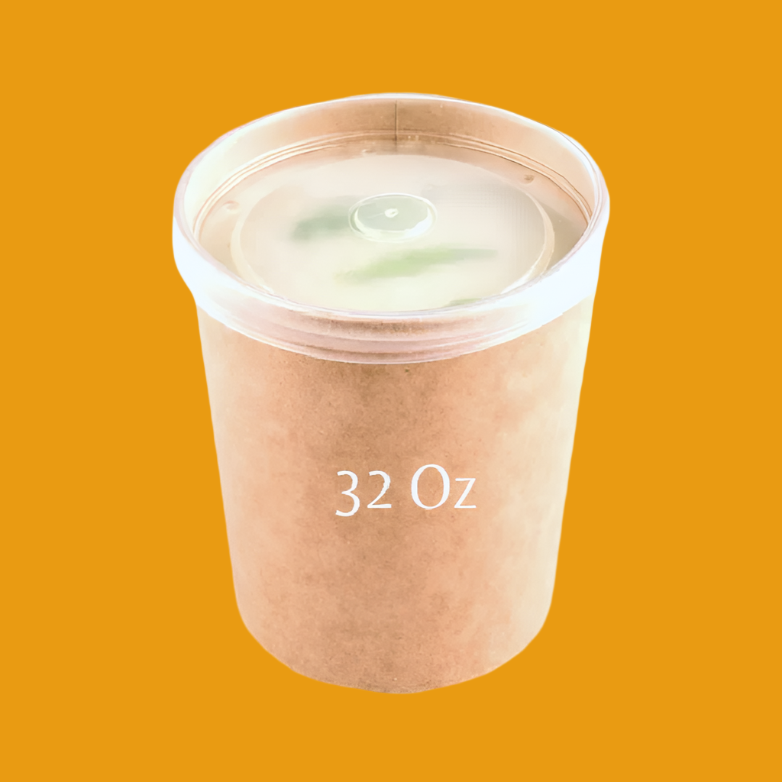
A reliable sauce strategy starts with: Disposable Portion Cups with Lids
How to choose the right packaging for a shawarma shop
The 5 non-negotiables (grease resistance, steam control, secure carry, stackability, branding)
When you evaluate packaging, use these five non-negotiables:
- Grease resistance
Wraps and proteins release oils—packaging must resist soak-through and keep hands clean. - Steam control
Too much sealing traps steam and ruins texture; too much venting can leak or cool food. You want the right balance for your delivery distance. - Secure carry
Bags must hold weight, resist grease, and stay intact when handled quickly. - Stackability
A stackable system prevents crushed fries, lid pops, and bag tears. - Branding potential
Packaging is your silent sales rep. If it looks generic, your shop becomes forgettable.
Wrap packaging options (wrap paper vs foil vs paper sleeves): pros/cons for speed + quality
There isn’t one perfect wrap packaging choice—there’s a best system for your menu and service model.
Wrap paper (with grease resistance)
- Pros: fast, clean, brandable, lighter waste
- Cons: may require a secondary layer if sauces are heavy
Foil or foil-lined approach
- Pros: holds heat well, contains grease
- Cons: traps steam (risk of sogginess), branding is harder unless combined with printed paper/sleeve
Paper sleeves (outer wrap sleeve)
- Pros: improves carry comfort, looks premium, supports brand identity
- Cons: adds a step unless staged efficiently
Operator decision: If your shawarma is sauce-heavy, build in a “sauce separation” rule (portion cup) instead of trying to make wrap packaging do everything.

Platter/bowl packaging options — when bowls beat clamshells
For shawarma platters, bowls often win because:
- they stack better,
- they seal more reliably,
- and they look more “premium” for rice + protein + toppings.
When bowls beat clamshells:
- you run delivery and pickup volume,
- you serve saucy proteins,
- you sell “build-your-bowl” style plates.
GET FREE SAMPLES PACKAGING HERE!
Fries packaging options — crispness vs hold time
No packaging can keep fries “fresh-fried” forever but you can stop the worst failures.
Practical rules:
- keep fries separate from wet items,
- avoid sealing fries in a way that traps steam completely,
- and serve sauce in a separate cup.
If fries are a key differentiator for your shop, your packaging test should include:
- a 15-minute hold test,
- a delivery shake test,
- and a condensation check.
Sauce containment strategy — portion cups, lids, and “no-leak” assembly
A “no-leak” sauce strategy has three parts:
- Right cup size (don’t overfill small cups)
- Reliable lids (snap-fit lids that stay on)
- Assembly discipline (cups placed upright, not sideways)
Packaging system by order type (ready-to-implement)
The “Classic Wrap Order” system (wrap + sleeve + bag + napkins)
Goal: fast assembly + clean customer experience.
Recommended build sequence:
- Wrap is built and cut
- Wrap paper or foil layer applied
- Sleeve applied (if used)
- Napkins included
- Bag packed (wrap placed flat, not vertical)
Why it works: It reduces sauce pressure points and prevents the wrap from sitting in a “sauce puddle” at the bottom of the bag.
For the carry step, choose a bag designed to handle hot, greasy items: Paper Bags
The “Wrap + Fries Combo” system (separate fries to preserve texture)
Goal: prevent soggy fries and messy wrap.
Recommended system:
- Wrap packed as above
- Fries in their own container
- Sauces in portion cups (not poured over fries for delivery)
- Optional: “sauce on the side” default for delivery orders
Business benefit: You get fewer “everything was soggy” reviews. You also sell more sauces because customers like choosing dips when they’re not forced into a single style.
The “Platter/Bowl” system (stackable hot + cold components)
Goal: premium presentation + reliable delivery.
Recommended system:
- Rice/protein base in a sturdy bowl
- Cold toppings (pickles, salad components) either separated or layered thoughtfully
- Sauces in portion cups
- Lid sealed, bowl placed at bottom of bag, toppings/sauces above
Operator tip: Don’t overload the bowl. Overfilling creates lid stress and increases leak probability.
Catering / family-size orders (bulk packaging + labeling workflow)
Catering is where shawarma shops can dramatically grow average order value—but only if packaging and labeling are systematic.
Catering packaging principles:
- Use larger, stable containers for proteins and rice
- Separate cold components
- Label everything clearly (protein type, spice level, allergens where relevant)
- Provide serving utensils and napkins in a single organized pack
Workflow tip: Pre-assemble a “catering kit” (utensils, labels, napkins, portion cups) so staff aren’t improvising during rush periods.
Cost, operations, and speed: how packaging impacts your numbers
Cost-per-order math (build a packaging BOM)
Your packaging BOM (bill of materials) is the fastest way to control cost-per-order.
Example packaging BOM categories:
- primary container (wrap paper/sleeve or bowl),
- fries container (for combos),
- sauce cups + lids,
- bag,
- napkins/utensils,
- label/sticker (optional but powerful for branding).
Why this matters: If your packaging choices aren’t standardized, your cost-per-order fluctuates and becomes hard to price accurately.
Buyer-centric insight: Even small per-order savings are meaningful at volume but don’t chase “cheapest” at the expense of leaks. A single leak incident can erase dozens of small savings.
Line workflow: fastest assembly sequence for peak hours
Speed comes from staging:
- Cups + lids pre-stacked
- Bags pre-opened and staged
- Bowls and lids within one reach
- Standard sauce sizes only (limit custom chaos)
Peak-hour system rule: Packaging must be “grab, fill, close, place.” If staff have to search for sizes or lids, your speed and accuracy collapse.
Reducing complaints: leaks, soggy bread, cold fries, sauce spills
Most shawarma complaints map back to four preventable issues:
- Leaks → wrong lid fit, overfill, cups placed sideways
- Sogginess → steam trapped, sauce poured inside wrap for delivery, wet toppings not separated
- Cold fries → fries packed with wet items or held too long before bagging
- Spills → weak bags, overloaded stacks, poor assembly order
Fix strategy: Choose a packaging system first, then build your assembly SOP around it. Not the other way around.
If sauces are a frequent complaint, review your sauce packaging setup: Sauce Packaging: A Complete Guide to Types and Materials
Branding ROI: when custom printing pays off (repeat orders + recall)
Custom packaging isn’t just “nice”—it’s measurable when:
- you run consistent takeout volume,
- your shop competes in a busy area,
- and you want to increase repeat orders without discounting.
Branding impact points:
- A customer sees your bag and cups before the first bite
- Your logo becomes the memory anchor (“where was that shawarma from?”)
- Packaging photos show up in social posts and reviews
If your goal is growth, custom branding is often cheaper than recurring discounts and it builds long-term equity: Custom Logo on Food Packaging Canada
Regulations & sustainability considerations in Canada
What “compostable” and “recyclable” should mean in practice (operator-friendly)
“Sustainable” packaging decisions have to work in real operations:
- must hold hot, oily foods,
- must seal properly,
- and must be understandable to customers.
Practical best practice: Choose packaging you can apply consistently across orders, and train staff on correct use (especially lids and portion cups). Sustainability that fails in delivery becomes waste—and harms your brand.
Labeling and customer instructions for delivery/reheating
A short label or instruction card can reduce complaints:
- “Sauce on side”
- “Best enjoyed within X minutes”
- “Reheat protein separately” (if your bowl includes cold toppings)
Even minimal instructions can protect your product experience during delivery and increase repeat orders.
Staff training checklist (so packaging works consistently)
Use a simple training checklist:
- correct fill line for cups and bowls
- lid press method (snap all the way around)
- cup placement rule (upright, never sideways)
- bag load rule (heaviest items bottom, sauces top)
- double-check for catering labels
Consistency here directly impacts refunds, reviews, and speed.
FAQs about Shawarma Shop
What size portion cups are best for garlic sauce and tahini?
Most shawarma shops standardize 1–2 core sizes so training stays simple:
- smaller cups for strong sauces (garlic, hot sauce),
- slightly larger cups for tahini, hummus add-ons, or combo orders.
How do shawarma shops keep fries crispy for takeout?
You can’t keep fries perfect forever, but you can stop the biggest failures:
- pack fries separately,
- keep sauces in portion cups (not poured over fries),
- avoid trapping excessive steam,
- and reduce hold time before bagging.
Operationally, the biggest improvement is separating wet from dry components.
Is it worth getting custom printed packaging for a shawarma shop?
If you have steady takeout volume, custom branding often pays off through:
- higher repeat orders (customers remember you),
- stronger perceived value,
- and better social/review visibility.
Conclusion
A profitable shawarma shop isn’t just about recipes, it’s about repeatable execution at speed. The best operators build a packaging system that protects the product experience: wraps that stay structured, sauces that don’t leak, fries that don’t arrive soaked, and bowls that stack and seal reliably. When packaging supports workflow, you gain faster service, fewer complaints, and stronger brand perception—without relying on discounts to compete.