Thinking about how to start a catering business? With low startup costs and high demand for quality food services, catering is a smart and flexible way to turn your cooking passion into profit. This guide breaks down the key steps, from choosing your niche and getting licensed to building a client base and scaling with confidence.
To start a catering business in Canada, you need to choose a catering niche, write a business plan, confirm whether you can operate from home or need a licensed commercial kitchen, register your business, obtain local licences and food safety certifications, buy catering equipment, set menu pricing, plan delivery logistics, and build a client acquisition strategy.
- How Much Does a Catering Business License Cost? A Complete Guide for Beginners
- Catering Services: The Ultimate Guide for Events and Businesses
What Does It Mean to Start a Catering Business?

Starting a catering business means preparing and providing food for events, from small private gatherings to large parties, weddings, corporate meetings, and community functions. Depending on the service model, a caterer may handle menu planning, food preparation, delivery, setup, staffing, serving, and clean-up.
Some catering businesses operate as full-service event caterers, while others focus on drop-off catering, corporate lunches, wedding catering, meal prep, or specialty menus such as vegan, halal, gluten-free, or cultural cuisine.
Popular types
Catering businesses can serve different customer groups depending on their kitchen capacity, staffing, menu style, and delivery model. Common catering business types include event catering, corporate catering, wedding catering, meal prep catering, drop-off catering, full-service catering, and specialty catering.
Catering Business Types and Best-Fit Customers
| Catering Type | Best For | Common Services | Key Challenges |
|---|---|---|---|
| Event catering | Birthdays, private parties, community events | Buffet, plated meals, grazing tables | Menu variety, timing, setup |
| Corporate catering | Offices, meetings, conferences | Boxed lunches, coffee breaks, buffet meals | Repeat orders, delivery timing |
| Wedding catering | Weddings and formal events | Full-service dining, cocktail hour, dessert tables | High expectations, staffing, logistics |
| Meal prep catering | Busy individuals and families | Weekly prepared meals, subscription meals | Food safety, packaging, recurring delivery |
| Drop-off catering | Small events and casual gatherings | Prepared food delivered ready to serve | Packaging, temperature control |
| Full-service catering | Premium events | Food, staff, setup, service, cleanup | Labour, equipment, coordination |
| Specialty catering | Vegan, halal, gluten-free, cultural cuisine | Niche menus and dietary needs | Ingredient sourcing, trust, certification |
Why Start a Catering Business?

Starting a catering business today can be a profitable venture for several reasons.
- High demand and growing market: The catering industry continues to expand with an increasing number of events, corporate functions, and a rise in social gatherings, especially post-pandemic. People are hosting more events, and they often prefer the convenience of professional catering services.
- Lower startup cost compared to traditional restaurants: Unlike opening a restaurant, which often requires a significant initial investment for space, furniture, and equipment, a catering business can often be started with a more manageable budget, particularly if you're working from home.
- Profit potential and flexible operations: Catering businesses can yield high profit margins. You have the flexibility to set your schedule, select the types of events you want to cater, and even work from home to minimize overhead costs. Many catering businesses also scale easily, allowing you to expand your operations as demand increases.
Can You Start a Catering Business from Home in Canada?

Home-based catering rules in Canada vary by province, municipality, and public health unit. In many areas, selling prepared food to the public may require an approved commercial kitchen or inspected food premises. Some low-risk foods may be allowed under specific local rules, but higher-risk catering involving meat, dairy, cooked meals, or temperature-controlled foods usually has stricter requirements.
Before promoting your catering service, contact your local public health authority and municipality to confirm whether your home kitchen is allowed, whether you need a commissary kitchen, and what inspections, licences, or food safety certifications apply.
Requirements for operating from a residential kitchen
Starting a catering business from home is an appealing option for many aspiring caterers. However, certain requirements must be met:
- Licenses and Permits: You’ll need to check local regulations regarding food sales from home. This may include obtaining a business license and food handler’s permit.
- Equipment and Supplies: Ensure you have the necessary kitchen equipment and supplies. This includes cookware, serving dishes, utensils, and storage for food.
Local health department regulations
Each state has its own health department regulations for food businesses. Familiarizing yourself with these rules is crucial, as they may dictate how food is prepared, stored, and served. You may even need to schedule an inspection of your kitchen before you can start operating.
Pros and cons of home-based catering
There are advantages and disadvantages to consider when starting a home-based catering business:
- Pros:
- Lower initial costs
- Flexible working hours
- Ability to start small and scale up as you grow
- Cons:
- Space limitations
- Zoning laws may restrict business operations
- Balancing home life and business responsibilities can be challenging
Catering Business Plan Essentials

Market research and niche definition
Successful catering businesses know their target market well. Conducting market research can help you identify local demand, customer preferences, and competitors. Choosing a niche whether it’s high-end weddings, corporate events, or health-conscious meal prep will help you focus your marketing efforts and better serve your clients.
Startup budget and profitability forecast
Prepare a detailed startup budget, including costs for equipment, licenses, food ingredients, and marketing. Understanding your potential earnings is essential: calculate your pricing strategies based on costs and determine how you will manage your profitability.
Sample operations and pricing strategy
Outline operational processes, from acquiring ingredients to food preparation and delivery. A clear pricing strategy is critical. Consider labor, material costs, and desired profit margins to ensure your pricing remains competitive while covering your overhead costs.
Catering owners manage quotes, orders, schedules, and follow-ups. KimVu’s automation video fits well here because smart systems can reduce manual work.
Use automation where possible so you can focus on food quality and client experience.
What Licences and Permits Do You Need to Start a Catering Business in Canada?

Catering business requirements vary by province, municipality, and public health authority. Before selling food, confirm the rules for your location and business model.
| Requirement | What It Means |
|---|---|
| Business registration | Register your business name or corporation depending on your structure |
| Municipal business licence | Some cities require a local licence to operate a catering business |
| Food premises approval | You may need to operate from an inspected home kitchen, commissary kitchen, or commercial kitchen |
| Food handler certification | Many regions require at least one certified food handler or supervisor |
| Public health inspection | Your kitchen, storage, and food handling process may need approval |
| Zoning approval | Home-based or commercial catering may be restricted by local zoning |
| Liability insurance | Protects against client claims, accidents, and food-related incidents |
| Vehicle insurance | Important if you deliver food or transport catering equipment |
| Liquor licence or event permit | Required if you serve or coordinate alcohol at events |
Use BizPaL and your local public health authority to check the exact licences and permits required in your province or city.
Catering Equipment Checklist

Having the right equipment is essential for running a successful catering business. Ensure you have comprehensive lists of what's needed.
Cooking Appliances, Storage, and Delivery Gear
Invest in reliable cooking appliances such as ovens, ranges, and grills. Additionally, strategizing your storage methods for ingredients and cooked food is vital; consider refrigeration and shelving for efficient organization. Don’t forget essential delivery gear, including insulated bags or boxes to keep food at safe temperatures during transportation.
Hot/Cold Food Holding Tools
To maintain food quality, you’ll need hot and cold food holding equipment, such as chafing dishes and coolers. These tools help ensure your food stays at the right temperature, preserving flavor and safety.
Sustainable Packaging Solutions from Kimecopak.ca
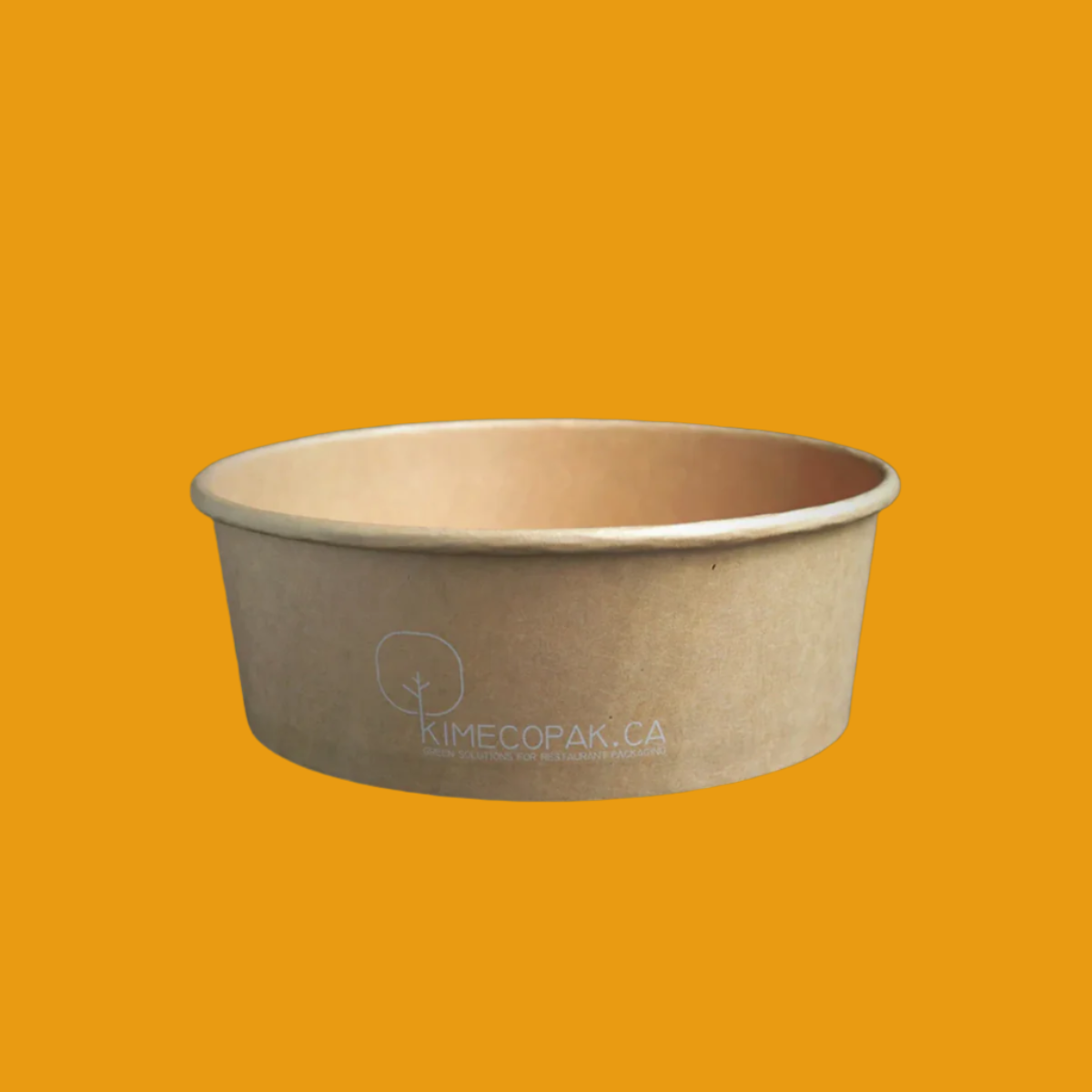
As the catering industry increasingly leans towards sustainability, consider implementing eco-friendly packaging solutions from Kimecopak.ca. Their range of biodegradable containers and utensils not only helps the environment but also enhances your brand's image.
Choosing the Right Packaging for Your Catering Service

Selecting the correct packaging is crucial for maintaining food quality and impressing your clients.
Importance of Food-Safe, Eco-Friendly Packaging
Using food-safe materials is non-negotiable for any catering service. Moreover, introducing eco-friendly packaging can make your catering services more appealing to environmentally conscious clients. Sticking to sustainable options reflects your commitment to quality and responsibility.
Must-Have Items: Boxes, Containers, Trays
Essential packaging items for your catering business should include various boxes, containers, and trays. Different events may call for different sizes and types, so having a versatile inventory helps you cater to various needs effectively.
Why Caterers Prefer Kimecopak.ca's Green Packaging Options
Kimecopak.ca offers an array of designs that not only cater to different food types but emphasize sustainability, making them a preferred choice among caterers. Their packaging solutions also enhance the presentation of your dishes, elevating your service's appeal.
Catering Packaging Checklist
The right packaging helps protect food quality, control portions, prevent spills, and improve the customer experience. Caterers should choose packaging based on menu type, delivery distance, serving style, and whether food is served hot, cold, plated, boxed, or buffet-style.
| Catering Need | Recommended Packaging |
|---|---|
| Boxed lunches | Meal boxes, sandwich boxes, salad bowls, cutlery packs |
| Hot entrees | Heat-resistant containers, foil trays, vented lids |
| Saucy dishes | Leak-resistant bowls, deli containers, secure lids |
| Buffets | Catering trays, serving pans, lids, labels |
| Desserts | Bakery boxes, cupcake inserts, pastry boxes |
| Beverages | Cups, lids, carriers, beverage dispensers |
| Condiments | Sauce cups, portion cups, labelled containers |
| Delivery | Takeout bags, tamper-evident labels, insulated bags |
| Branding | Custom logo stickers, sleeves, printed bags, custom boxes |
Kimecopak helps caterers choose practical packaging for boxed lunches, corporate meals, weddings, buffets, meal prep, and delivery orders, including containers, trays, bowls, cups, napkins, cutlery, bags, labels, and custom logo packaging.
Catering Marketing Strategies

Marketing can make or break your catering business. Implementing effective strategies is essential for attracting and retaining clients.
Branding Your Service
Creating a strong brand identity is foundational. Your logo, colors, and messaging should align with the image you want to project, whether it’s upscale, homestyle, or health-focused. Consistent branding helps build recognition in your target market.
Local SEO and Social Media Tips
Make sure to optimize your website for local SEO to attract nearby clients searching for catering options. Additionally, leverage social media platforms to showcase your dishes, engage with potential clients, and promote events.
Launch Promos and Referral Deals
Enticing customers with launch promotions can help you gain initial traction. Consider offering referral deals to encourage satisfied clients to spread the word about your catering services, increasing your client base through word-of-mouth.
Catering Content Ideas to Attract Clients

Creating engaging content can help you connect with your audience while promoting your catering business.
Recipe Videos and Prep Showcases
Recipe videos are an engaging way to display your culinary skills. Sharing behind-the-scenes content of food preparation can also attract clients by showcasing your passion and expertise.
Behind-the-Scenes and Event Coverage
Capture and share snippets from events you cater. Clients enjoy seeing their events, and this kind of content can serve as a powerful marketing tool, demonstrating your reliability and service quality.
Client Testimonials and Review Encouragement
Encouraging your satisfied clients to leave reviews can bolster your reputation. Highlighting these testimonials in your marketing materials can instill trust in potential customers, influencing their decision to choose your services.
How Much Does It Cost to Start a Catering Business in Canada?
Catering startup costs depend on whether you operate from an approved home kitchen, rent a commissary kitchen, or build your own commercial kitchen. A small drop-off catering business can start lean, while full-service catering requires more equipment, staff, vehicles, insurance, and packaging.
| Cost Item | Small Home-Based / Commissary Model | Full-Service Catering Model |
|---|---|---|
| Business registration and licences | $100-$1,000 | $500-$3,000+ |
| Food safety certification | $50-$300/person | $100-$600+ |
| Commissary kitchen rental | $25-$75/hour or monthly plan | $1,000-$5,000+/month |
| Cooking equipment and smallwares | $1,000-$10,000 | $10,000-$50,000+ |
| Hot/cold holding equipment | $500-$5,000 | $5,000-$25,000+ |
| Packaging and disposables | $500-$3,000 | $3,000-$15,000+ |
| Delivery bags and transport gear | $300-$3,000 | $3,000-$15,000+ |
| Insurance | $500-$3,000/year | $3,000-$10,000+/year |
| Website, branding, and marketing | $500-$5,000 | $5,000-$20,000+ |
| Initial ingredients and inventory | $500-$5,000 | $5,000-$25,000+ |
| Staff and training | $0-$3,000 | $5,000-$30,000+ |
These are planning ranges only. Your actual cost will depend on your city, kitchen setup, menu type, event size, delivery distance, staffing model, and packaging needs.
Startup Costs of a Catering Business

Understanding your startup costs is vital in planning and budgeting for your catering business.
Equipment, License, Marketing Cost Breakdown
Initial costs will mainly arise from purchasing equipment, obtaining necessary licenses, and investing in marketing. A detailed breakdown can help in understanding where to allocate your budget efficiently.
Hidden Costs: Packaging, Transportation, Staff
Keep an eye on hidden costs that can add up, such as packaging supplies, transportation, and possibly hiring staff. Properly planning for these expenses will help you avoid financial strain down the line.
Budget Tips for Small-Scale Launch
If you're starting on a tight budget, consider gradually building your inventory and focusing your marketing efforts on cost-effective channels like social media and community events. This can help manage expenses while establishing your presence in the market.
Mistakes to Avoid When Starting Out

Launching a catering business is exciting, but several pitfalls can hinder your success.
Inconsistent Service or Food Quality
Quality control should be your top priority. Inconsistent service or food quality can quickly damage your reputation, so ensure your offerings consistently meet high standards.
Underestimating Delivery Time and Distance
Always factor in delivery time and distances when planning events. Underestimating these can lead to delayed service, which could impact client satisfaction.
Skipping Marketing or Online Presence
Neglecting marketing or failing to establish an online presence can prevent you from reaching potential clients. Ensure we develop a robust marketing plan to build visibility for your catering services.
FAQs About Starting a Catering Business
How much does it cost to start a catering business in Canada?
A small catering business using a home kitchen or commissary kitchen may start with a lower budget, while full-service catering can require more investment in equipment, staff, transport, insurance, and packaging. Costs depend on your city, menu, kitchen setup, event size, and service style.
Can I start a catering business from home in Canada?
It depends on your province, municipality, public health authority, and food type. Some low-risk foods may be allowed under specific local rules, but higher-risk foods often require an approved commercial kitchen or inspected food premises.
What licences do I need to start a catering business?
You may need business registration, a municipal business licence, food handler certification, public health approval, food premises approval, insurance, and possibly event-related permits. Always check local rules before selling food.
Do I need a commissary kitchen for catering?
You may need a commissary kitchen if your home kitchen is not approved for commercial food production or if your menu requires more space, refrigeration, equipment, or inspection-ready facilities.
Is catering profitable?
Catering can be profitable when pricing includes food cost, labour, packaging, delivery, kitchen rental, insurance, admin time, and profit margin. Underpricing is one of the most common reasons new catering businesses struggle.
What equipment do I need to start catering?
Basic catering equipment includes cookware, prep tools, food storage, thermometers, hot holding equipment, cold holding equipment, insulated delivery bags, serving tools, packaging, and cleaning supplies.
What packaging do caterers need?
Caterers often need meal boxes, trays, bowls, lids, sauce cups, napkins, cutlery, bags, labels, beverage cups, bakery boxes, and custom logo packaging depending on the event type and menu.
How do I get catering clients?
Start with local SEO, Google Business Profile, social media, food photos, referral offers, partnerships with event planners, corporate outreach, tasting menus, and testimonials from early clients.
Conclusion
Starting a catering business offers significant potential for growth and flexibility. By adopting eco-conscious packaging solutions and implementing effective strategies, you can elevate your brand while satisfying your clients' needs. Now is the time to bring your vision to life and contribute to this exciting industry.
Related: Commercial Kitchen Cost – A Startup Guide for New F&B Entrepreneurs