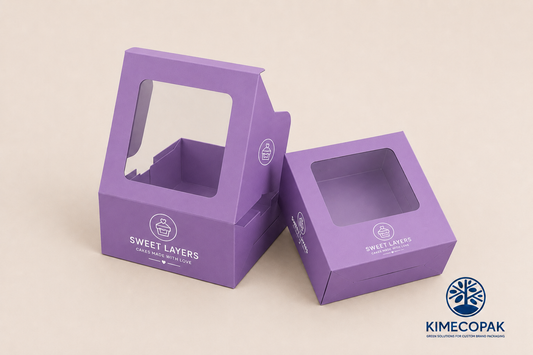
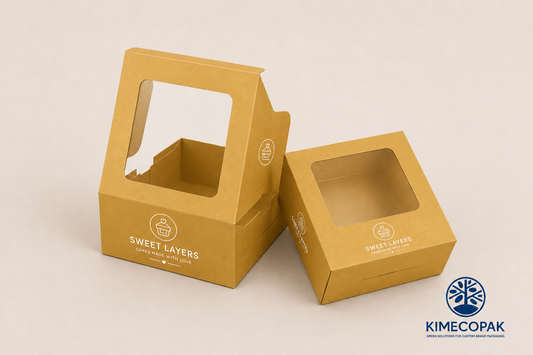
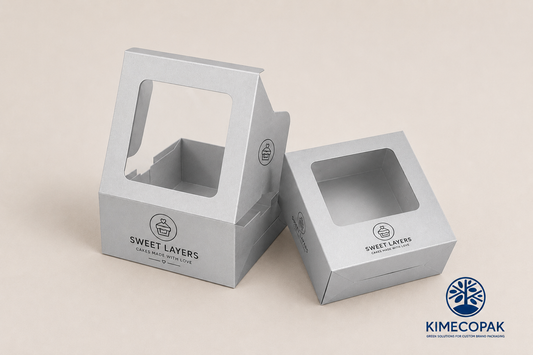
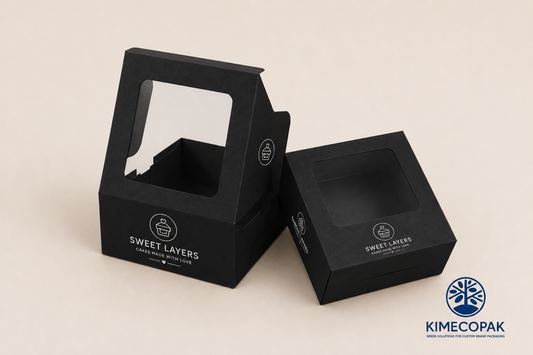
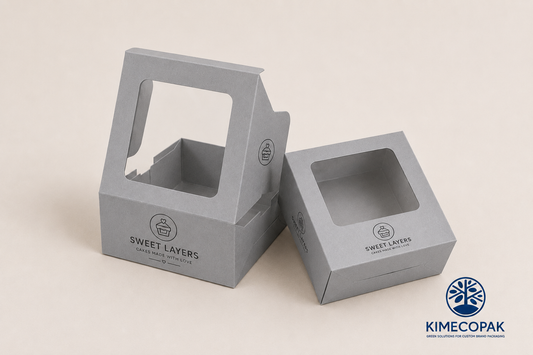
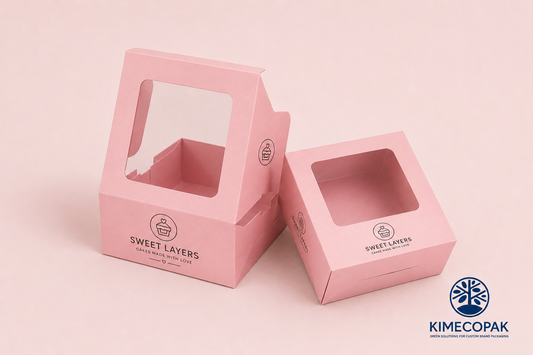
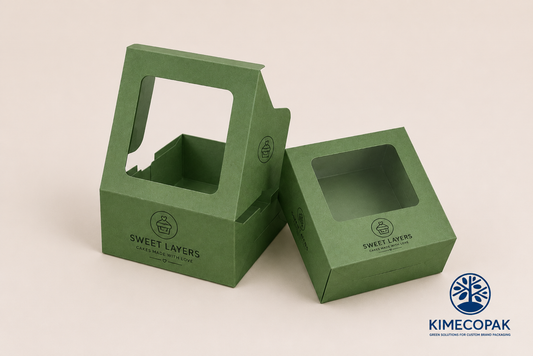
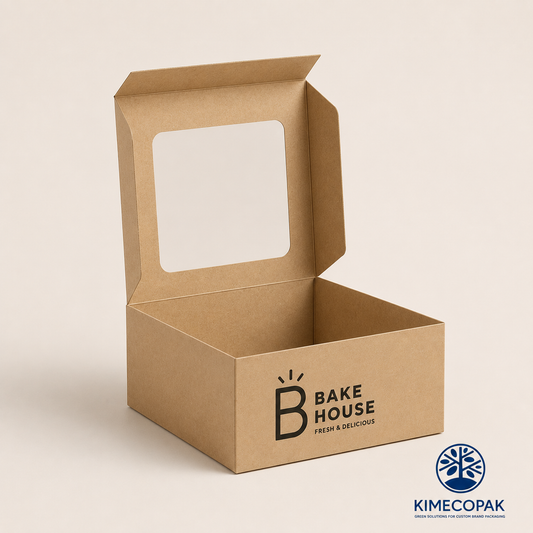
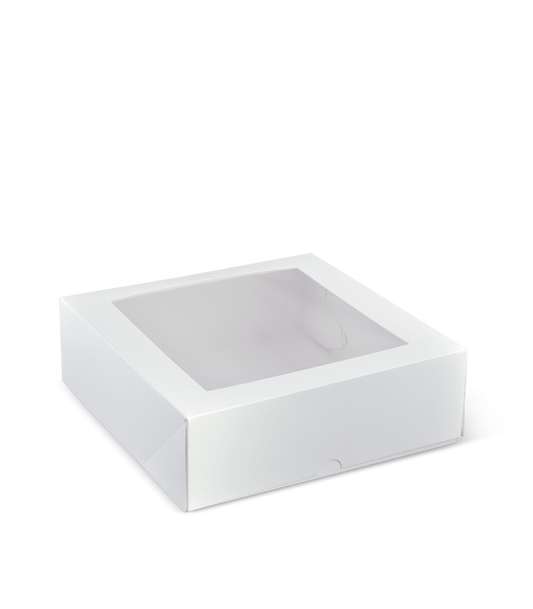
Custom cookie boxes look like a “branding detail,” but for bakeries and cookie brands they directly impact freshness perception, giftability, and repeat purchase. At KIMECOPAK, we help food businesses choose packaging that protects product quality while supporting consistent operations and scalable branding.
You’ll learn:
-
What makes custom cookie boxes work for retail, gifting, and shipping
-
How to choose materials, windows, and finishes without overpaying
-
How to avoid common printing mistakes (that cause delays and reprints)
-
What to ask suppliers about MOQs, lead time, and compliance
If you’re not a restaurant owner, please share this article with friends who run a restaurant.
Quick starting links (save time)
- Custom request / quoting process: Custom Logo Packaging Supply - High-Quality Materials
- Browse commonly customized packaging formats: Custom Logo on Food Packaging Canada
- If you want “see-to-sell” cookie boxes (window formats): WHOLESALE WINDOW PACKAGING for Cake, Cookie
What Are Custom Cookie Boxes

Custom cookie boxes are packaging solutions designed around your brand identity + cookie size + operational needs. Unlike generic boxes, they let you customize dimensions, structure, printing, messaging, and finishes so the box becomes part of the product experience.
Custom vs Standard Cookie Boxes
-
Standard boxes: limited sizes/designs, basic materials, minimal branding.
-
Custom boxes: flexible sizing, stronger brand presence, better fit for retail/gift/shipping use cases.
Custom often costs more upfront, but can return value through stronger presentation, higher perceived quality, and better brand recall.
Why businesses choose custom
-
Differentiation: packaging becomes a recognizable brand asset
-
Presentation: makes cookies feel more premium and gift-ready
-
Marketing: encourages unboxing photos and repeat recognition
-
Operations: standardized sizes improve packing speed and consistency
If you’re deciding between “cookie packaging” and “bakery packaging” as you scale, this lens makes the trade-offs clearer: https://www.kimecopak.ca/blogs/news/cookie-packaging-vs-bakery-packaging
Types of Custom Cookie Boxes

Custom Window Cookie Boxes
A clear window helps customers see the product instantly, improving trust and purchase confidence. Window materials may include PET, PLA, or cellulose depending on your sustainability and performance goals.
Custom Tuck Top Cookie Boxes
Simple, fast to assemble, and suitable for many everyday retail workflows. Add sealing or inserts if shipping longer distances.
Custom Mailer Cookie Boxes
Built for shipping with stronger structure (often corrugated) and locking closures. Designed to reduce damage in transit.
Custom Gift Cookie Boxes
Designed for premium presentation, often with upgrades like specialty finishes, inserts, compartments, or ribbon features.
Custom Kraft Cookie Boxes
Natural kraft look works well for brands positioning as artisanal or eco-leaning. Prints well, durable, typically cost-effective.
Custom Biodegradable Cookie Boxes
Uses compostable/recyclable materials where possible. Confirm performance and local disposal infrastructure before making “green” claims.
Custom Divided Cookie Boxes
Built-in compartments protect delicate cookies, prevent flavor mixing, and keep assortments neat (great for gift sets).
Custom Insulated Cookie Boxes
For temperature-sensitive shipping or extreme climates. Higher cost, but can reduce returns and protect product quality.
If sustainability is a key part of your positioning, use this guide to avoid “green claims” that don’t hold up operationally: https://www.kimecopak.ca/blogs/news/eco-cookie-packaging
Get a quote on a custom cookie box within 24 hours

Materials Used for Custom Cookie Boxes
Food-Safe Paperboard Custom Cookie Boxes
Food-safe paperboard is the most common material for cookie boxes, offering the right balance of protection, printability, and cost-effectiveness. This material is specifically manufactured to meet food contact regulations, ensuring it won't contaminate your products or pose health risks to consumers.
The paperboard comes in various thicknesses, typically measured in points (pt). For most cookie applications, 14-18 pt paperboard provides adequate protection while remaining cost-effective. Heavier cookies or longer storage periods might require thicker materials for better structural integrity.
Manufacturing standards for food-safe paperboard include restrictions on heavy metals, chemicals, and other potentially harmful substances. Reputable suppliers provide certifications confirming their materials meet FDA requirements and other relevant food safety standards.
Kraft Custom Cookie Boxes
Kraft material offers natural brown coloring and rustic appeal that resonates with customers seeking authentic, artisanal products. Made from unbleached wood pulp, kraft paperboard is inherently stronger than bleached alternatives and provides excellent printability for custom designs.
The natural fiber structure of kraft material makes it more tear-resistant and durable during handling. It also accepts various printing techniques well, from simple black ink to full-color processes, though the brown background affects color reproduction.
Environmental benefits include the use of recycled content and easier recycling after use. Many kraft materials are made from 100% post-consumer recycled content, appealing to environmentally conscious consumers and businesses.
Corrugated Custom Cookie Boxes
Corrugated materials provide superior protection through their multi-layer construction, making them ideal for shipping applications or heavy cookie loads. The fluted inner layer provides cushioning and insulation while maintaining relatively light weight.
Different flute sizes offer varying levels of protection and box thickness. E-flute is common for retail packaging, while B-flute or C-flute might be necessary for shipping applications. The choice depends on your specific protection requirements and cost considerations.
Printing on corrugated materials requires special considerations due to the surface texture. While full-color printing is possible, simpler designs often work better and are more cost-effective on corrugated surfaces.
Cardboard Custom Cookie Boxes
Cardboard encompasses various paperboard materials of different weights and characteristics. For cookie boxes, this typically means solid bleached sulfate (SBS) or similar high-quality paperboards that provide excellent printing surfaces and structural integrity.
The smooth surface of quality cardboard allows for high-definition printing, making it ideal for detailed logos, photographs, or complex designs. It accepts various finishing techniques like UV coating, lamination, or foil stamping with excellent results.
Thickness options range from lightweight options suitable for simple cookie packaging to heavy-duty materials capable of supporting significant weight. The choice depends on your product requirements, budget, and desired presentation level.
Grease-Resistant Custom Cookie Boxes
Grease-resistant materials or coatings prevent oil and fat from cookies from seeping through the packaging. This is particularly important for cookies with high fat content or those containing nuts, chocolate, or other oily ingredients.
Treatment options include special barrier coatings applied during manufacturing or inherent grease resistance built into the material structure. Some materials use clay coatings or synthetic barriers to provide this protection without affecting printability.
The level of grease resistance needed depends on your specific cookie recipes and storage requirements. Testing with your actual products helps determine the appropriate resistance level needed for optimal performance.
Coated and Lined Custom Cookie Boxes

Coated boxes feature protective layers that enhance moisture resistance, grease resistance, or printability. Common coatings include polyethylene (PE) for moisture barriers, clay coatings for grease resistance, or UV coatings for print protection.
Lined boxes incorporate additional material layers, often including food-safe films or papers that provide enhanced protection. These linings can be permanently attached during manufacturing or inserted as separate components.
The choice between coatings and linings depends on your specific protection requirements, cost considerations, and environmental goals. Some coatings may affect recyclability, while linings might be removable to maintain recycling compatibility.
Window Materials for Custom Cookie Boxes (PET, PLA, Cellulose)
PET (Polyethylene Terephthalate) windows provide excellent clarity and durability while being food-safe and recyclable. They resist moisture and provide good barrier properties, making them suitable for cookies that need protection from humidity.
PLA (Polylactic Acid) windows offer similar clarity to PET but are made from renewable plant materials and are compostable under commercial composting conditions. They appeal to environmentally conscious businesses but may have temperature limitations.
Cellulose windows are made from plant-based materials and offer good clarity while being fully compostable. They provide adequate protection for most cookie applications while aligning with sustainability goals.
Custom Cookie Box Sizes and Dimensions
Standard Sizes for Custom Cookie Boxes
While custom boxes can be made in any dimension, certain standard sizes have emerged based on common cookie quantities and display requirements. Single cookie boxes typically measure around 4" x 4" x 2", providing adequate space for individual large cookies or decorated cookies that need protection.
Half-dozen boxes commonly measure 8" x 6" x 3", accommodating six standard-sized cookies with proper spacing to prevent damage. Full dozen boxes usually require dimensions of approximately 10" x 8" x 4", though these can vary significantly based on cookie size and arrangement preferences.
Larger boxes for bulk quantities or specialty arrangements can range from 12" x 12" x 4" up to 18" x 24" x 6" for catering or large gift orders. These sizes require careful structural design to prevent sagging or collapse under the weight of multiple cookies.
Upgrade to custom-printed cookie boxes: Order Custom Logo Cookie Box
How to Choose the Right Dimensions for Custom Cookie Boxes
Selecting appropriate dimensions requires careful consideration of your cookie sizes, quantities, and presentation goals. Start by measuring your cookies at their largest dimensions, including any decorative elements or irregular shapes that might affect spacing requirements.
Allow adequate clearance around each cookie to prevent damage during transport and handling. Generally, 1/4" to 1/2" clearance on all sides works well for most cookie types. Delicate decorated cookies might require additional space to prevent damage from box walls or other cookies.
Consider stacking requirements if you plan to display boxes or store them before use. Boxes should maintain structural integrity when stacked and fit efficiently in your storage and display areas. Height limitations in retail displays often influence box dimension choices.
Custom Die-Cut Cookie Boxes for Unique Shapes
Die-cutting allows for boxes with unique shapes that match your cookies, brand identity, or special occasions. Heart-shaped boxes for Valentine's Day, star shapes for celebrations, or custom silhouettes matching your logo can create memorable packaging experiences.
The die-cutting process uses steel rule dies to cut precise shapes from flat materials. While initial die costs add to the project expense, they can be reused for future orders, making unique shapes cost-effective for regular production runs.
Design considerations include ensuring adequate structural integrity in the final shape. Some shapes may require additional reinforcement or modified folding patterns to maintain durability. Complex shapes might also affect minimum order quantities due to specialized manufacturing requirements.

Custom Cookie Boxes for One Cookie, Dozen Cookies, or Bulk Orders
Single cookie boxes serve specialty markets like wedding favors, promotional giveaways, or premium individual treats. These small boxes require careful design to provide adequate protection while maintaining cost-effectiveness. Automated packaging equipment compatibility should be considered for high-volume operations.
Dozen cookie boxes represent the most common size for gift giving and retail sales. The internal layout should accommodate various cookie shapes while preventing movement during transport. Dividers or molded inserts might be necessary to maintain cookie positioning and prevent damage.
Bulk order boxes serve bakeries, catering operations, or large events. These boxes require robust construction to handle significant weight while providing easy access for portion removal. Consider including handles or other features that facilitate carrying and serving.
Design and Branding Ideas for Custom Cookie Boxes
Adding Logos and Branding on Custom Cookie Boxes
Logo placement on cookie boxes requires strategic thinking about visibility, brand impact, and production costs. The most prominent position is typically the box lid or front panel, where customers first encounter your brand. However, consider placing logos on multiple surfaces for maximum exposure.
Size considerations balance visibility with cost, as larger printed areas generally increase production expenses. A logo that's too small loses impact, while oversized graphics can appear overwhelming or cheap. Testing different sizes through digital mockups helps find the optimal balance.
Color matching is crucial for brand consistency. Work with your packaging supplier to establish accurate color standards using Pantone colors or other standardized systems. Consider how your logo colors will appear on different box materials, as kraft or colored substrates can affect color reproduction.
Step-by-step custom logo consultation for corporate cookie packaging

Choosing Colors, Fonts, and Visual Elements
Color psychology plays a significant role in customer perception and purchase decisions. Warm colors like reds and oranges can stimulate appetite and create feelings of comfort, making them excellent choices for cookie packaging. Cool colors like blues and greens suggest freshness and quality but might be less appetite-stimulating.
Font selection should reflect your brand personality while ensuring readability across all box surfaces and sizes. Script fonts can convey elegance and handmade quality, while clean sans-serif fonts suggest modern professionalism. Always test font legibility at actual production sizes.
Visual elements beyond text and logos can include patterns, textures, illustrations, or photography. These elements should support your brand message without overwhelming the design or increasing production costs unnecessarily. Simple, clean designs often prove more effective and cost-efficient than complex layouts.
Creating Seasonal Custom Cookie Box Designs
Seasonal designs capitalize on holiday emotions and gift-giving traditions to boost sales and customer engagement. Christmas designs might incorporate traditional colors, winter imagery, or holiday typography. Valentine's Day boxes could feature romantic colors, heart motifs, or elegant script fonts.
Production planning for seasonal boxes requires advance ordering to ensure delivery before peak selling periods. Consider creating versatile designs that can work for multiple seasons or holidays to reduce inventory complexity and costs.
Storage considerations include space requirements for seasonal inventory and the shelf life of printed materials. Some businesses opt for smaller quantities of multiple seasonal designs rather than large runs of single designs to reduce storage needs and waste.
Protect assorted cookies with inserts: Buy Kraft Box with Insert & Window
Personalized Custom Cookie Boxes for Events and Holidays
Personalization options range from simple text additions to complex variable data printing that customizes each box individually. Common personalization elements include names, dates, event details, or custom messages that make each package unique.
Wedding cookie boxes might include the couple's names and wedding date, while corporate gifts could feature recipient names or company-specific messaging. Birthday celebrations could incorporate age-specific designs or personalized birthday messages.
Technology requirements for personalization include digital printing capabilities and variable data processing systems. These requirements might affect supplier selection and pricing, as not all manufacturers offer extensive personalization services.
Minimalist vs Luxury Design for Custom Cookie Boxes
Minimalist designs emphasize clean lines, simple color schemes, and abundant white space. This approach appeals to customers who appreciate understated elegance and can be more cost-effective to produce. Minimalist designs also tend to age better and remain relevant longer than trend-driven approaches.
Luxury designs incorporate premium finishes, complex graphics, and high-end materials to create an upscale impression. Elements might include foil stamping, embossed textures, spot UV coatings, or multi-color printing. These designs typically command higher prices but also incur greater production costs.
The choice between approaches should align with your brand positioning, target market, and price points. A high-end bakery might justify luxury packaging costs, while a value-focused operation might benefit more from clean, minimalist designs that reduce costs while maintaining professional appearance.
Printing and Finishing Options for Custom Cookie Boxes

Offset vs Digital Printing
-
Offset: best for large runs (often ~1,000+). Higher setup cost, but lower unit cost at scale and very consistent color/detail.
-
Digital: best for small runs, quick turnaround, and personalization. Higher unit cost at scale, but no setup fees.
Color note: offset is strongest for precise Pantone matching; digital can be more limited for specialty colors/effects.
Spot UV, Foil Stamping, Embossing
-
Spot UV: glossy highlight for logos/text; cost-effective “premium boost.”
-
Foil: metallic accent (gold/silver or colors); higher cost due to dies.
-
Emboss: raised texture; premium feel, especially when combined with foil.
Matte, Gloss, Soft-Touch
-
Matte: elegant, hides fingerprints, works well for minimal/natural brands.
-
Gloss: vibrant and shelf-pop; shows fingerprints more easily.
-
Soft-touch: luxury “velvet” feel; higher cost and may affect recyclability.
Eco-Friendly Ink Options
-
Soy-based: renewable and easier in recycling processes (colors can differ slightly).
-
Water-based: low VOC, food-packaging friendly (slightly less punchy color).
-
UV-curable: fast curing, durable, lower emissions.
Dielines & Proofing
Use a supplier dieline, approve a digital proof (layout/color), then confirm with a physical sample (fit, assembly, cookie placement) before full production.
See all custom logo packaging formats: Shop Custom Logo Packaging Collection
Pricing and Cost Factors for Custom Cookie Boxes
What drives cost
-
Material + thickness (paperboard vs corrugated/coated)
-
Printing complexity (1-color vs full color)
-
Finishes (foil/emboss/spot UV add cost)
-
Size + structure (larger or complex die-cuts cost more)
Cost per unit by volume
Bigger runs lower unit cost because setup/tooling is spread across more units. Simple boxes can work at lower volumes; premium finishes usually need higher volume to be economical.
How to save money
Standardize box sizes/structures, avoid rush orders, and simplify artwork (fewer colors, less edge-to-edge printing).
Comparing manufacturers
Ask for itemized quotes (materials, print, finish, shipping) and request samples, cheap quotes can hide quality or missing costs.
Custom Cookie Box Order Process at Kimecopak.ca
The “MOQ ORDER | Step by Step” page explains the end-to-end process for placing custom printed packaging orders with minimum order quantities (MOQ). The steps are:
Step 1: ORDER
-
Customers can:
-
Place an order directly on the website (add to cart + checkout), or
-
Submit a Request a Quote form if they need custom sizes or custom printing.
-
-
Logo requirements: vector files preferred, or high-resolution JPG/PNG/PDF. Text must be converted to outline.
-
The KimEcopak team replies within 1 business day to confirm design details and production timelines.
Step 2: DESIGN APPROVAL
-
KimEcopak sends a blank dieline template so customers can place their logo/design.
-
Once the customer returns the design file, KimEcopak creates a mock-up for approval before production.
Step 3: PRODUCTION
-
Standard production lead time for custom printed orders is 6–10 weeks after final design approval.
-
Custom sizes or non-standard designs may require additional processing time.
Step 4: DELIVERY
-
When products are ready, KimEcopak notifies customers with delivery details.
-
Warehousing: Free storage for up to 30 days at their Manitoba or Ontario warehouse if customers cannot receive the goods immediately.
-
After 30 days, shipping to the customer’s location incurs a small fee.
Step 5: Shipping Fees / Conditions
-
Free shipping within Canada for orders over $399 CAD.
-
Free shipping to the USA for orders over $599 CAD.
-
Subscription program (“Subscribe for a Happy Life”) offers recurring deliveries, discounts, and warehousing benefits.
Step 6: MOQ (Minimum Order Quantity)
-
Example shown: custom printed sushi paper box → MOQ 50,000 units.
-
MOQ depends on product type and customization requirements.
Step 7: Transparency & Progress Updates
-
KimEcopak provides full transparency during manufacturing, including images and videos of production stages.
-
They highlight this as a key value: “100% Transparent Process”.
Step 8: Certifications & Sustainability
-
KimEcopak lists certifications such as FSC, ISO 9001, OK Compost, etc.
-
Strong positioning as an eco-friendly packaging supplier.
Please contact Kimecopak for advice on your order within 24 hours.
Shipping and Storage for Custom Cookie Boxes

How to Ship Cookies Safely in Custom Cookie Boxes
Shipping cookies is a balance of protection, cost, and customer experience. Choose boxes with sturdy structure and use inserts/cushioning to reduce movement and breakage. For chocolate or delicate decorations, plan for heat: insulated mailers or temperature-aware shipping may be needed in extreme weather. Orientation labels (“fragile,” “this side up”) helpbut don’t replace proper internal protection.
Packaging Inserts and Protective Layers
-
Molded pulp inserts: eco-friendly, snug-fit protection, great for decorated cookies.
-
Corrugated dividers: lightweight, cost-effective separation for assorted sets.
-
Food-safe cushioning: tissue, food-grade films, or approved protective materials, avoid anything non-food-safe.
Storing Custom Cookie Boxes to Maintain Shape and Quality
Store boxes dry, cool, and away from sunlight to prevent warping and color fading. Stack within safe limits (typically 4–6 ft when aligned) and use pallets/shelving to avoid crushing. Rotate inventory using FIFO (first in, first out) to keep older stock moving first.
Eco-Friendly and Sustainable Custom Cookie Boxes
Recyclable Custom Cookie Boxes
Recyclability is easiest with single-material paperboard. Heavy plastic coatings or laminations can reduce recyclability, so use minimal or water-based coatings when possible. If your box has a plastic window or mixed parts, design it so customers can remove components easily, and add clear disposal instructions.
Compostable Custom Cookie Boxes
Compostable packaging usually works best with commercial composting, not home bins. Look for recognized compostability standards/certifications, and consider whether your local market actually has composting infrastructure, otherwise the benefit may not be practical.
Using FSC Certified and Recycled Materials
FSC-certified materials support responsible forestry. Recycled content can range widely, higher content improves sustainability but may affect strength/print. Use what fits your performance needs and ask suppliers for certification documentation.
Printing Sustainability Messages
Keep sustainability messaging simple and specific (clear icons + short disposal instructions). Avoid vague claims that can sound like greenwashing. Integrate sustainability notes without crowding out essential brand and product info.
Get a retail-ready window cookie box: Buy Grease-Resistant Kraft Cookies Box
Food Safety and Compliance for Custom Cookie Boxes
Food-Grade Certifications for Custom Cookie Boxes
FDA compliance ensures materials meet safety standards for direct food contact. Materials should be manufactured specifically for food packaging applications and avoid substances that could migrate into food products. Request certification documentation from suppliers to verify compliance.
Third-party certifications like SQF (Safe Quality Food) or HACCP (Hazard Analysis Critical Control Points) provide additional assurance of food safety standards. These certifications involve regular audits and documentation of safety procedures throughout the manufacturing process.
International standards might be necessary for export markets or multinational operations. Different countries have varying requirements for food packaging materials, so research destination market requirements before finalizing material selections.
Using Non-Toxic, Food-Safe Inks and Adhesives
Ink composition should avoid heavy metals, volatile organic compounds, or other substances that could contaminate food products. Low-migration inks are specifically formulated to minimize any potential transfer
Use Cases and Applications of Custom Cookie Boxes
Custom Cookie Boxes for Retail Bakeries
Retail bakeries use custom cookie boxes to create a cohesive brand experience, protect baked goods, and enhance shelf appeal. Branded boxes help establish trust and differentiate the products from competitors. Windowed designs allow customers to see the cookies inside, while sturdy materials keep them safe during transport. Custom printed boxes also help bakeries promote new flavors, seasonal treats, and gift sets.
Get cookie box samples for your business

Custom Cookie Boxes for E-Commerce Shipping
For online businesses, custom cookie boxes must combine durability with attractive presentation. Corrugated mailers with inner cookie boxes are a popular choice because they prevent breakage during transit. Custom packaging also elevates the unboxing experience, increasing customer satisfaction and repeat purchases. Eco-friendly materials can appeal to environmentally conscious consumers, while inserts keep cookies intact during shipment.

Custom Cookie Boxes for Corporate Gifting
Companies often use custom cookie boxes as part of branded gift sets for clients, employees, and partners. These boxes typically include premium finishes such as foil stamping, embossing, or luxury paper. Personalized messages or logo placements help strengthen brand recognition and make the gift feel thoughtful and professional.

Custom Cookie Boxes for Weddings and Events
Custom cookie boxes are popular for weddings, birthdays, baby showers, and special celebrations. They serve as elegant party favors or dessert table packaging. Designs can match event colors, themes, or monograms. Many event planners choose personalized boxes that hold one or two cookies, creating a memorable, custom keepsake for guests.

Custom Cookie Boxes for Holiday Promotions
Seasonal holidays such as Christmas, Valentine’s Day, Easter, and Mother’s Day drive high demand for themed cookie packaging. Holiday-themed boxes help increase sales, create excitement, and encourage gift purchases. Custom printing allows businesses to use festive colors, patterns, and messaging that resonate with holiday shoppers.

Marketing and SEO for Custom Cookie Boxes
How to Sell Custom Cookie Boxes Online
Selling custom cookie boxes online requires clear product presentation, strong visuals, and SEO-optimized content. Provide detailed descriptions, display multiple images, include size charts, and highlight customization options. Adding customer reviews, trust badges, and production timelines can help establish credibility. Offering a design tool or downloadable dieline also boosts conversions.
Creating Product Descriptions for Custom Cookie Boxes
Effective product descriptions should be clear, specific, and keyword-rich. Describe the materials, sizes, printing methods, finishes, and benefits. Include information about food-safety compliance, eco-friendliness, and durability. Use a mix of short paragraphs, bullet points, and measurable details such as dimensions and weight capacity.
Using High-Intent Keywords for Custom Cookie Box Pages
High-intent keywords help attract buyers who are ready to purchase. Examples include:
- “custom cookie boxes with logo”
- “wholesale cookie packaging”
- “printed cookie boxes for bakeries”
- “custom kraft cookie boxes”
- “cookie boxes no minimum order”
Incorporate these keywords throughout product pages, categories, FAQs, and internal links.
Internal Linking Strategies for Custom Cookie Box Products
Organize your website using a clear internal linking structure:
- Link from the main “custom cookie boxes” category to all related subcategories.
- Add cross-links between similar products such as windowed boxes, kraft boxes, and mailer boxes.
- Use breadcrumb navigation to keep users engaged.
- Include internal links in blog posts and guides to drive traffic to product pages.
This approach increases crawlability, improves user navigation, and boosts overall SEO performance.
Adding Schema Markup for Custom Cookie Boxes
Schema markup helps search engines understand your product details, pricing, availability, and reviews. Add Product, FAQ, and Breadcrumb schema to improve visibility in search results. Rich snippets can increase click-through rates by displaying ratings, price ranges, and stock status in the search preview.
Custom Cookie Boxes Design Checklist

Size and Dimension Checklist
- Confirm internal dimensions based on cookie size and quantity
- Allow extra space for inserts or dividers
- Choose box depth that prevents crushing
- Verify that the box fits shelves, mailers, or displays
- Ensure compatibility with shipping packaging if needed
Logo and Branding Checklist
- Ensure logo placement is visible and balanced
- Match colors with brand guidelines
- Include taglines, contact info, or QR codes
- Use high-resolution artwork files
- Check contrast for legibility on kraft or matte materials
Material and Finish Checklist
- Choose food-grade materials
- Consider kraft, paperboard, or corrugated options
- Select window materials like PET or PLA
- Decide between matte, gloss, or soft-touch finishes
- Evaluate eco-friendly or recyclable material options
Food Safety and Labeling Checklist
- Verify FDA-compliant or food-safe certifications
- Use non-toxic inks and adhesives
- Include ingredient or allergen labels when required
- Add batch numbers or expiry dates if applicable
- Ensure packaging meets local regulatory standards
Final Proof and Printing Checklist
- Review dieline accuracy
- Check alignment, bleed, and trim settings
- Proof colors for consistency
- Approve a physical or digital sample
- Confirm final printing quantities and schedule
Read more:
-
Sign up for a free consultation on Custom Cookie Boxes
-
Cookies Packaging Ideas That Instantly Elevate Your Brand
- Innovative & Sustainable: Large-Volume Window Packaging for Cookies
Frequently Asked Questions (FAQs) About Custom Cookie Boxes
What Are Custom Cookie Boxes?
Custom cookie boxes are personalized packaging solutions designed specifically to store, protect, and present cookies. They can be customized in size, material, printing, colors, window options, and branding elements.
What Materials Are Best for Custom Cookie Boxes?
Food-grade paperboard, kraft paper, cardboard, and corrugated board are the most common materials. Many businesses prefer eco-friendly options such as recyclable or compostable kraft materials.
How Much Do Custom Cookie Boxes Cost?
Pricing depends on material type, box size, printing method, finishes, and order volume. Digital printing is cost-effective for small runs, while offset printing lowers costs at higher quantities.
What Is the Minimum Order Quantity for Custom Cookie Boxes?
MOQ varies by manufacturer. Some offer no-minimum digital printing, while others require 100–5,000 units depending on the production process and customization required.
Can I Order Eco-Friendly Custom Cookie Boxes?
Yes, many suppliers offer recyclable, compostable, and biodegradable custom cookie boxes made from kraft paper or sustainable paperboard. Eco-friendly inks and window materials are also available.
How Long Does It Take to Produce Custom Cookie Boxes?
Production timelines range from 5–25 business days depending on order size, customization complexity, and printing method. Rush production may be available from certain suppliers.
Are Custom Cookie Boxes Safe for Food Contact?
Yes, as long as they are made with certified food-grade materials and printed with non-toxic, food-safe inks. Many manufacturers provide compliance documentation.
Can Custom Cookie Boxes Be Recycled or Composted?
Most kraft and paperboard cookie boxes are fully recyclable and may also be compostable if they do not contain plastic windows or lamination. PLA or cellulose windows increase compostability.
Can I Ship Cookies in Custom Cookie Boxes?
Yes, but for safe shipping, pair custom cookie boxes with protective mailers or insulated corrugated packaging. Using inserts or dividers prevents cookies from shifting during transit.
How Do I Design My Own Custom Cookie Boxes?
Start with selecting the right size and material, then create artwork using the supplier’s dieline template. Add branded elements such as logos, colors, and messaging. Review proofs carefully before printing.
Start by exploring KIMECOPAK food packaging solutions.
-
LEARN MORE about How "Subscribe for a Happy Life" will benefits your business HERE!
-
LEARN MORE about Kim Vu, sharing on the challenges she faced as a former restaurant owner, and how she overcame them to create KimEcopak HERE!