The bannock recipe is one of the most searched traditional bread recipes because it is simple, flexible, and deeply rooted in history. Unlike yeast breads that require long rising times and precise techniques, bannock can be made quickly with basic pantry ingredients and minimal equipment.
People search for a bannock recipe for many reasons. Some want to reconnect with traditional or Indigenous foodways, others are looking for an easy camping bread, and many simply want a reliable, no-fuss bread recipe that works in almost any kitchen. Regardless of the motivation, the common expectation is clear: a bannock recipe should be simple, practical, and dependable.
This guide delivers exactly that. It focuses primarily on detailed, easy-to-follow recipe steps, while also explaining why each step matters, so you can make bannock successfully whether you are at home, outdoors, or cooking for the first time.
- Bannock: A Complete Guide to Meaning, History, Types, and Cultural Significance
- Homemade Sandwich Sauce Recipe: Easy Ways to Add Flavor to Every Bite
- Holiday Cheese Recipes – Festive Ideas for Thanksgiving & Christmas
Bannock Recipe Ingredients

A traditional bannock recipe uses ingredients that are widely available and easy to substitute. This flexibility is one reason bannock has remained popular for generations.
Basic Bannock Recipe Ingredients
-
Salt
-
Fat (butter, oil, or lard)
-
Liquid (water or milk)
These ingredients form the foundation of most modern bannock recipes.
Ingredient Notes for Best Results
-
Flour: All-purpose flour is the most common choice and produces a balanced texture.
-
Fat: Butter adds flavor, oil keeps bannock softer longer, and traditional animal fats create a richer crumb.
-
Liquid: Water produces a neutral bread, while milk adds softness and mild sweetness.
Optional add-ins such as sugar, berries, cheese, or herbs can be included, but the classic bannock recipe works perfectly without them.
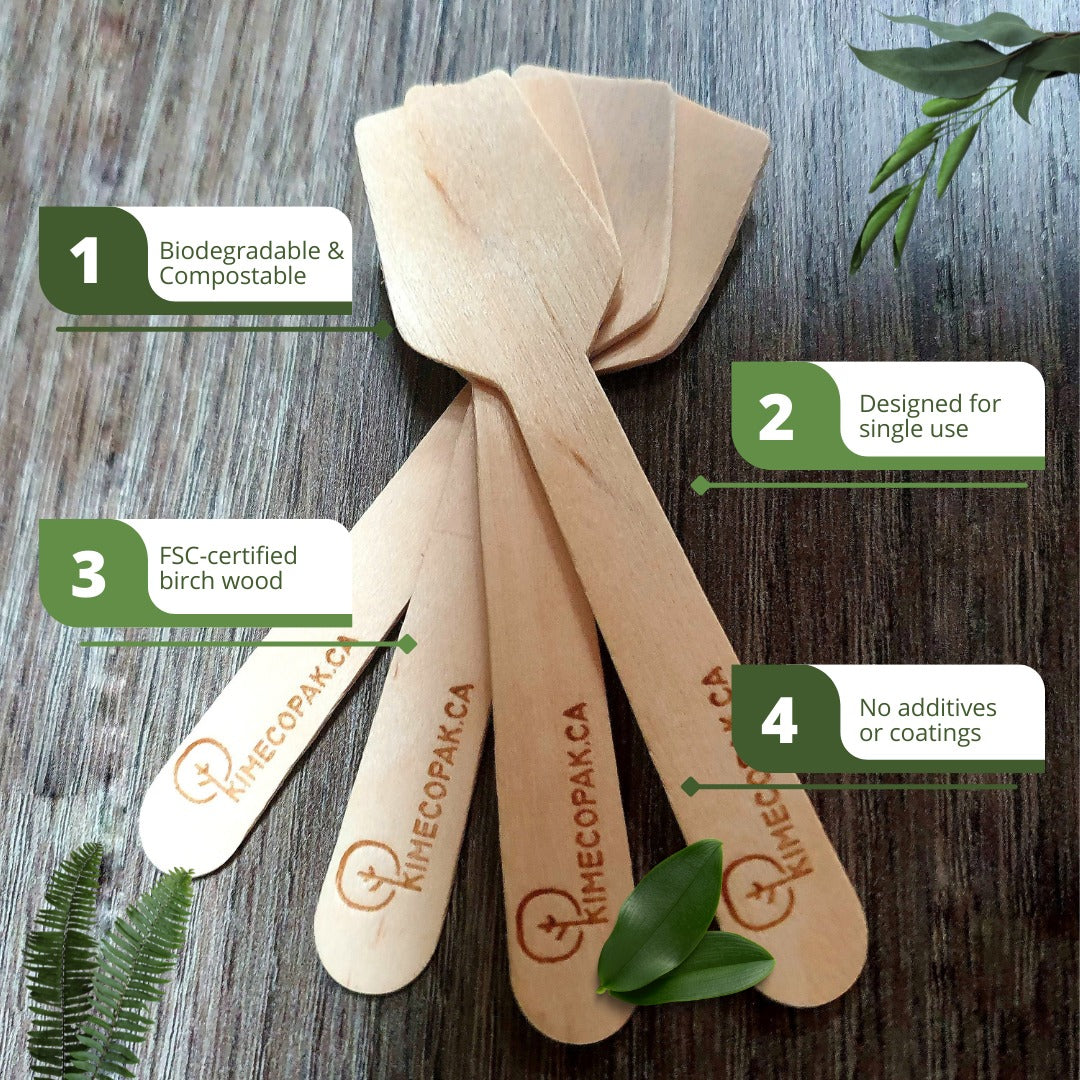
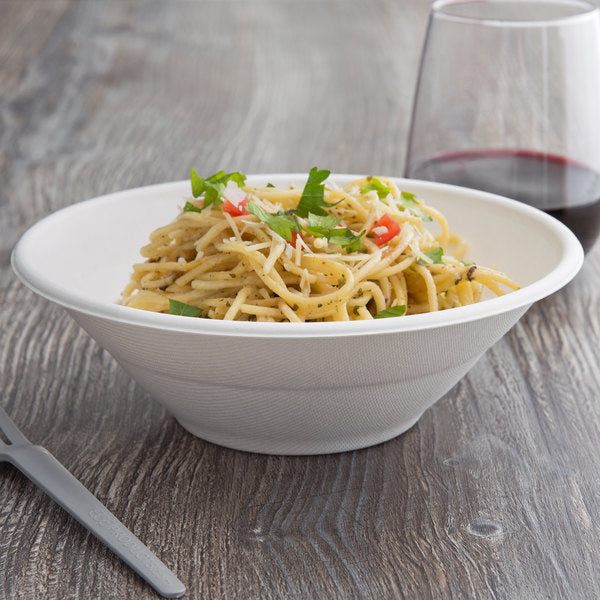
Green packaging is a simple way to align food products with sustainability values.
Bannock Recipe Equipment
One of the biggest advantages of a bannock recipe is how little equipment it requires.
Basic Equipment
-
Mixing bowl
-
Spoon or fork
-
Measuring cups or simple ratio-based measuring
-
Frying pan, skillet, or baking tray
Optional Equipment
-
Cast iron skillet (excellent for even heat)
-
Baking sheet (for oven-baked bannock)
For camping or outdoor cooking, bannock can even be made using a single pan or cooked on a stick over a fire.
Bannock Recipe: Step-by-Step Overview

This bannock recipe follows five core stages:
-
Mix the dry ingredients
-
Cut in the fat
-
Add liquid and form dough
-
Shape the bannock
-
Cook using your chosen method
Each step is explained in detail below so you understand not just what to do, but how to recognize when each stage is done correctly.
Step 1: Mix the Dry Ingredients
Start by adding the flour, baking powder, and salt to a mixing bowl.
Stir the dry ingredients thoroughly so the baking powder is evenly distributed throughout the flour. This step is critical because uneven mixing can cause parts of the bannock to rise unevenly, resulting in dense or flat sections.
Key texture cue: The dry mixture should look uniform, with no visible clumps of baking powder.
Step 2: Cut in the Fat
Add your chosen fat to the dry ingredients.
Using your fingers or a spoon, work the fat into the flour mixture until it resembles coarse crumbs. Small pieces of fat distributed throughout the dough help create a tender texture once cooked.
Why this step matters: Proper fat distribution prevents the bannock from becoming tough or dry.
Common mistake: Leaving large chunks of fat can cause uneven cooking, while overmixing can make the bannock dense.
Step 3: Add Liquid and Form the Dough
Slowly add the liquid to the mixture while stirring.
The goal is to form a soft but not sticky dough. You may not need all the liquid at once, so add it gradually. The dough should come together easily and pull away from the sides of the bowl.
Texture cue: The dough should feel slightly firm but pliable, not wet and not crumbly.
Once combined, stop mixing. Overworking the dough can make the bannock tough.
Step 4: Shape the Bannock
Turn the dough out onto a lightly floured surface.
Gently press or roll the dough into a round shape, usually about 1 to 2 inches thick. Thickness matters because it affects cooking time and interior texture.
-
Thicker bannock = softer inside
-
Thinner bannock = crispier outside
There is no strict rule here, but consistency helps ensure even cooking.
Step 5: Choose Your Cooking Method
One of the defining features of a bannock recipe is its flexibility. Below are the most common cooking methods, each explained in detail.
Bannock Recipe: Pan-Fried Bannock (Most Popular Method)
Heat a lightly oiled skillet over medium heat.
Place the shaped dough into the pan and cook slowly. Bannock cooks best over moderate heat, allowing the inside to cook through without burning the outside.
Cook until the bottom is golden brown, then flip and cook the other side.
Cooking cues:
-
The surface should be golden, not dark brown
-
The bannock should sound slightly hollow when tapped
Pan-fried bannock produces a crisp exterior and soft interior, making it one of the most popular methods.
Bannock Recipe: Oven-Baked Bannock
Preheat the oven and place the shaped dough on a lined baking tray.
Bake until the bannock is golden and fully cooked through. Baking creates a more bread-like texture and is ideal when cooking for larger groups.
Best for: Home kitchens, batch cooking, even texture.
Bannock Recipe: Fried Bannock
For fried bannock, heat oil in a pan and carefully place the dough into the hot oil.
Fried bannock develops a crisp exterior and richer flavor but absorbs more fat. It is often associated with celebratory or indulgent versions of bannock.
Bannock Recipe: Campfire Bannock
Campfire bannock can be cooked in a pan over fire, wrapped around a stick, or placed near hot embers.
This method emphasizes bannock’s origins as a travel and survival bread.
Tip: Cook slowly and rotate frequently to avoid burning.
Bannock Recipe Cooking Tips (Critical for Success)

-
Use moderate heat to avoid burning the outside before the inside cooks
-
Do not overmix the dough, which can make bannock dense
-
Adjust liquid gradually, especially in dry climates
-
Let the bannock rest briefly after cooking to set the interior
These small details make a noticeable difference in final texture.
Bannock Recipe Variations

A bannock recipe can easily be adapted without changing the core method.
Sweet Bannock Recipe Variations
-
Add sugar or honey
-
Mix in berries or dried fruit
-
Sprinkle with cinnamon
Savory Bannock Recipe Variations
-
Add grated cheese
-
Include herbs or onions
-
Serve as sandwich bread
Vegan Bannock Recipe
-
Use oil instead of butter
-
Use water or plant-based milk
Bannock Recipe Without Baking Powder
Traditional bannock can be made without leavening, resulting in a denser, flatter bread.
Bannock Recipe FAQs
What is the traditional bannock recipe?
A traditional bannock recipe uses flour, fat, water, and salt, with or without baking powder.
Is bannock fried or baked?
Bannock can be fried, baked, or pan-cooked depending on preference.
Can bannock be made ahead of time?
Yes, bannock can be cooked in advance and reheated.
Is bannock the same as frybread?
No. While similar, bannock and frybread differ in origin and preparation.
What does bannock taste like?
Bannock has a mild, neutral flavor that pairs well with both sweet and savory foods.
Conclusion
This bannock recipe works because it focuses on fundamentals rather than complexity. By understanding each step and recognizing the key texture and cooking cues, anyone can make bannock successfully.
Whether you are cooking at home, outdoors, or exploring traditional breads, bannock remains one of the most approachable and rewarding recipes you can learn.