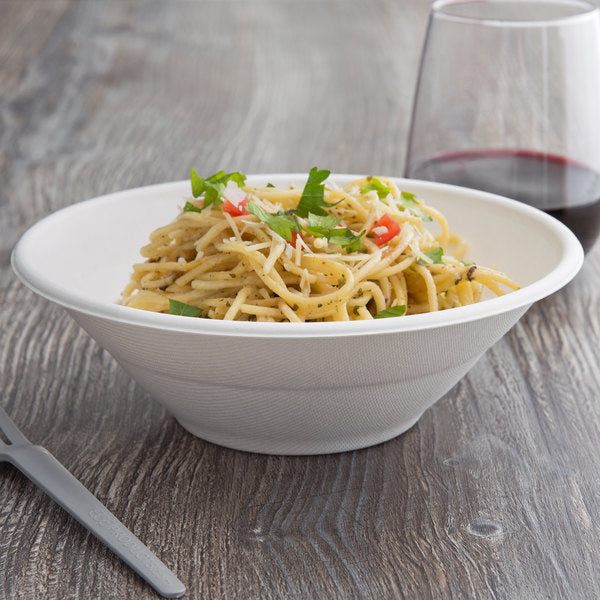
Halal munchies platters especially chicken or lamb over rice are one of the most popular street food meals across North America. They’re filling, high in protein, and widely available at halal carts and fast-casual restaurants. However, many people underestimate the Halal Munchies calories in a full platter because several components rice, meat, and white sauce all contribute to the total.
In this guide, we’ll break down Halal Munchies calories in detail, explain how each ingredient affects the total, and show how chicken, lamb, rice, and white sauce change the nutritional profile of the meal.
Related blogs:
- Halal Food in Canada: Business Guide for Restaurants, Cafés & Bakeries
- Halal Food Calories: How many calories are in Halal Food Calories?
- Indian Food Calories: A Practical Guide to Dishes, Takeout Portions & Smarter Combos
- Samosa Calories: How Many Calories Are in 1 Samosa (By Size) + Fried vs Baked

What Are Halal Munchies?
Halal munchies usually refer to the popular halal street-food platter served at halal carts, food trucks, and fast-casual restaurants across North America. The meal is typically built around seasoned rice topped with halal meat, fresh salad, and the signature white sauce and hot sauce.
A standard halal munchies platter commonly includes:
- Halal chicken, lamb, or mixed meat (often gyro-style or grilled chicken)
- Seasoned rice cooked with spices or broth
- Fresh salad such as lettuce and tomatoes
- White sauce, a creamy mayo-based sauce that defines the flavor
- Hot sauce for heat and contrast
The dish is heavily inspired by New York halal cart cuisine, where chicken over rice and lamb over rice became iconic late-night street foods. Today, halal munchies platters are widely available in the US and Canada and are known for being filling, protein-rich, and customizable.

Because the meal is assembled from multiple components — rice, meat, sauces, and vegetables — the total calories can vary significantly depending on portion size and sauce quantity.
Every Component Broken Down: A halal munchies platter
A halal munchies platter is an assembly of components — not a single cooked dish. This is nutritionally important: each component can be adjusted, reduced, or skipped independently. Understanding what each component contributes makes the entire platter trackable.


White Sauce Calories By Pour Amount
The white sauce at a halal cart or halal restaurant is the single most calorically variable element of the meal — and the element most consistently underestimated by diners. Understanding exactly what it is, how much is typically applied, and how much that contributes to the platter total is the most useful piece of nutritional knowledge for anyone who eats halal food regularly.
What white sauce is made from: The classic halal cart white sauce is an emulsified condiment with mayonnaise as its fat base, typically blended with plain Greek yogurt or sour cream (for tang and protein), white vinegar (for acidity), a small amount of sugar (for balance), lemon juice, and dried herbs — usually parsley, dill, and sometimes garlic powder. The ratio of mayo to yogurt varies between restaurants: more mayo = richer, thicker, higher calorie; more yogurt = tangier, slightly lower calorie, thinner consistency.

Why the white sauce is hard to estimate: Unlike a dipping sauce served separately, the halal platter white sauce is poured over the rice and meat before service — it integrates with the rice and is difficult to separate or estimate visually once applied. At a NYC-style halal cart, the sauce application is generous and fast. At a sit-down halal restaurant, it is served in a squeeze bottle you control. The squeeze bottle format gives you accurate portion control; the cart format does not. When in doubt at a cart, say "light sauce" — they will understand and apply a smaller amount.
Full Platter Calorie Totals by Type

Context: A 950–1,100 kcal halal platter represents approximately 48–55% of a 2,000 kcal daily reference intake in a single meal. This is high but not unusual for a full lunch or dinner — a Chipotle burrito is 900–1,200 kcal; a typical fast-casual burger meal is 900–1,300 kcal. The halal platter's nutritional advantage over those comparisons is its significantly higher protein content (35–50g per platter vs 25–35g for most burger meals) and lower saturated fat when chicken is the protein.
Protein Comparison: Chicken vs Lamb vs Beef vs Falafel

The protein hierarchy for the halal platter: chicken breast delivers the most protein per calorie (36g protein, 200 kcal = 18g protein per 100 kcal). Chicken thigh is nearly as efficient (30g protein, 265 kcal = 11g protein per 100 kcal) with better flavor for most people. Beef sits in between. Lamb is the richest and most calorie-dense protein but also has the strongest flavor. Falafel is lowest in calories per serving but also lowest in protein — not adequate as the sole protein source if you are targeting 25–35g protein per meal.
Full Nutrition Label: Standard Chicken Over Rice Platter
One full chicken over rice platter — chicken thigh (150g), seasoned rice (280g), standard white sauce pour (80g), salad (80g), hot sauce (15g). No pita included.
|
Nutrient |
Amount |
% Daily Value |
Primary Source |
|
Calories |
940 kcal |
47% |
Rice (40%), chicken (28%), white sauce (18%), other (14%) |
|
Total Fat |
38g |
49% |
White sauce (24g) + chicken fat (12g) + rice cooking oil (2g) |
|
Saturated Fat |
7g |
35% |
Chicken skin/fat + mayo in white sauce |
|
Cholesterol |
145mg |
48% |
Chicken + egg yolk in mayo (white sauce) |
|
Sodium |
1,680mg |
73% |
Chicken marinade + rice seasoning + white sauce + hot sauce |
|
Total Carbohydrates |
82g |
30% |
Rice (75g) + salad/vegetables (5g) + hot sauce (2g) |
|
Dietary Fiber |
3g |
11% |
Rice, salad vegetables |
|
Sugars |
5g |
— |
White sauce (sugar added) + natural vegetable sugars |
|
Protein |
42g |
84% |
Chicken (30g) + rice (7g) + white sauce (3g) + salad (2g) |
|
Vitamin C |
~12mg |
13% |
Salad vegetables, tomato |
|
Iron |
~3mg |
17% |
Chicken, rice |
📌 Sodium is the most significant nutritional concern — at 1,680mg in a standard platter, this is 73% of the recommended daily limit of 2,300mg in a single meal. The sodium comes from multiple sources simultaneously: the chicken marinade (typically heavy with salt and soy or Worcestershire), the seasoned rice (cooked in salted broth or with added salt), the white sauce (mayo and the sauce base are moderately salty), and the hot sauce (high sodium concentrate). Diners managing blood pressure or sodium intake should be aware that a halal platter is among the higher-sodium fast-casual options.
How to Cut 300+ Calories in Halal Munchies Without Losing the Experience

The highest-protein, lowest-calorie halal order: Chicken breast (no skin, explicitly requested) over a smaller rice portion, white sauce on the side with a light self-applied drizzle, extra hot sauce, extra salad, no pita. Total: approximately 580–650 kcal with 38–42g protein. This is an excellent protein-to-calorie ratio — better than most fast-casual options at a similar price point.
Frequently Asked Questions: Halal Munchies Calories
How many calories are in a halal platter?
A standard halal chicken over rice platter with white sauce and salad contains approximately 900–1,100 calories. A lamb over rice platter is 1,000–1,300 calories. A mixed chicken and lamb platter runs 1,050–1,200 calories. These counts assume a standard restaurant-size rice portion (250–280g), 150g of protein, and a typical white sauce pour (80–100g). Adding pita adds 155–175 calories. Ordering "extra sauce" can add another 100–150 calories above these totals. The white sauce is the biggest single variable — it can contribute 65–325 calories depending on how much is applied.
How many calories is the white sauce at a halal restaurant?
The white sauce (a tangy mayo-yogurt blend) contains approximately 200–250 calories per 100g. The amount applied at a typical halal cart or restaurant varies: a light drizzle (~30g) is 60–75 calories; a standard restaurant pour (~80g) is 160–200 calories; a generous "extra sauce" pour (~130g) is 260–325 calories. This makes the white sauce one of the highest-calorie components on the platter — often more than the salad, hot sauce, and pita combined. Asking for sauce on the side gives you full control over this variable.
Is halal chicken over rice healthy?
A halal chicken over rice platter is a nutritionally complete meal with meaningful advantages: high protein (35–45g per platter), moderate fiber from the salad and rice, and a reasonable fat profile when white sauce is kept modest. The main concerns are sodium (1,400–1,800mg per platter — 60–78% of the daily recommended limit) and total calories, which are substantial at 900–1,100 for a full serving. Compared to similar fast-casual options (burgers, burritos, pizza), halal chicken rice is competitive or better on protein and fat quality. The calorie density is mainly driven by portion size and sauce quantity — both controllable.
How many calories are in halal lamb over rice?
A halal lamb over rice platter with standard white sauce is approximately 1,000–1,300 calories. Gyro-style lamb (the most common halal preparation) is about 340 calories per 150g serving — roughly 75–100 calories more than the equivalent chicken portion — because lamb has higher fat content. The rest of the platter (rice, sauce, salad) is identical between chicken and lamb preparations. A lamb platter with light sauce and no pita is approximately 780–950 calories; with generous sauce and pita it can exceed 1,400 calories.
What is the lowest calorie option at a halal restaurant?
The lowest calorie order at a halal restaurant is: chicken breast over a small rice portion, white sauce on the side (apply 1–2 tablespoons yourself), extra hot sauce, extra salad, no pita. Total: approximately 550–650 calories with 38–42g protein. Alternatively, a falafel wrap (no rice) with light white sauce and salad is approximately 450–550 calories — though with significantly less protein (15–20g vs 38–42g). If protein is a priority, the modified chicken breast platter is the better nutritional choice at a similar calorie level.
Why is halal food so high in sodium?
Halal platters are high in sodium (typically 1,400–1,900mg per meal) because multiple components are salted independently: the meat marinade (salt + soy sauce or Worcestershire), the rice (cooked in salted broth), the white sauce (mayo is moderately salty), and the hot sauce (concentrated chili paste with high sodium content). All of these sodium sources combine in a single meal. To reduce sodium: request unsalted or lightly seasoned rice, use hot sauce sparingly, and apply white sauce in modest amounts. The chicken marinade sodium is generally not adjustable unless you are making the dish at home.
Conclusion
Understanding Halal Munchies calories starts with looking at each part of the platter. While the meal is rich in protein and satisfying, the rice portion and especially the white sauce can significantly increase the total calorie count. By adjusting sauce portions or choosing leaner proteins like chicken, it’s possible to enjoy halal munchies while keeping the meal within a more balanced calorie range.