

A LETTER FROM OUR FOUNDER
BAKERY BAG COLLECTION
BAKERY BAG COLLECTION

WHO IS KIMECOPAK & WHAT MAKES US DIFFERENT?
WHO IS KIMECOPAK & WHAT MAKES US DIFFERENT?


START WITH WHY???


CHECK IT OUT IF YOU NEED CUSTOM PACKAGING
Does your packaging actually level-up your brand?
Take the quiz & discover the packaging style that fits your brand best. Start now and get a FREE MOCK-UP WITH LOGO & advise on packaging needs.
1 of 7
What type of business do you operate?
Great! Let's Get Your Custom Quote
Based on your answers, we'll create a personalized solution for your business
CUSTOM PAPER BAG IN 4 EASY STEPs!
CUSTOM PAPER BAG IN 4 EASY STEPs!


What Our Customers Are Saying ABOUT CUSTOM PAPER BAG
What Our Customers Are Saying
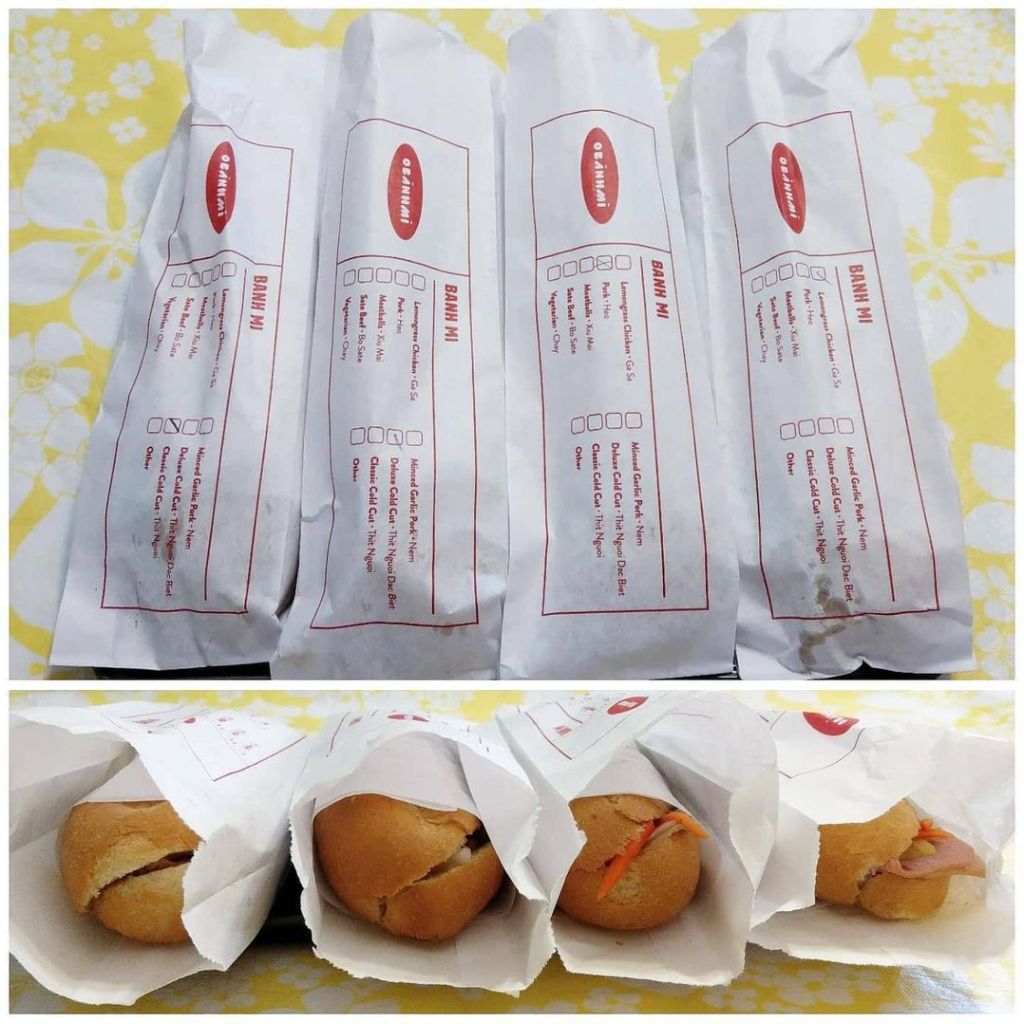


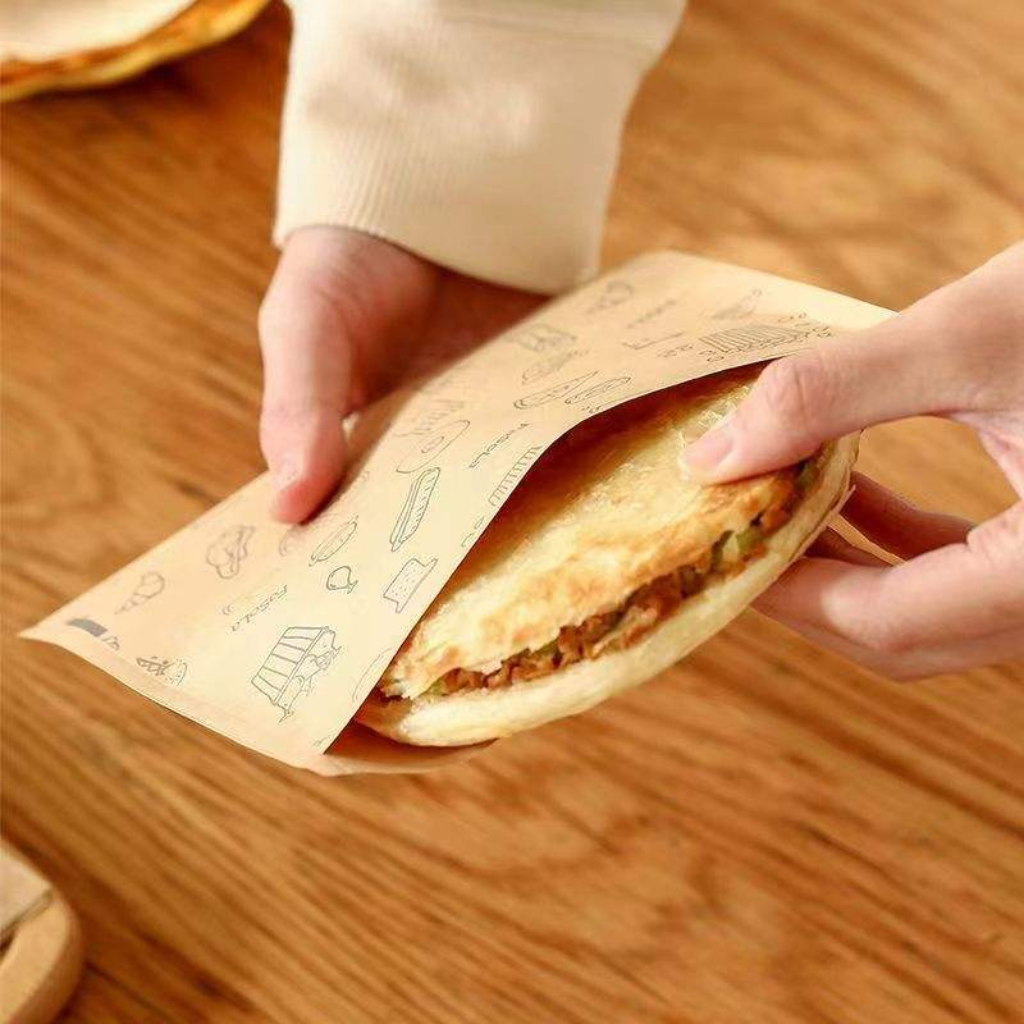
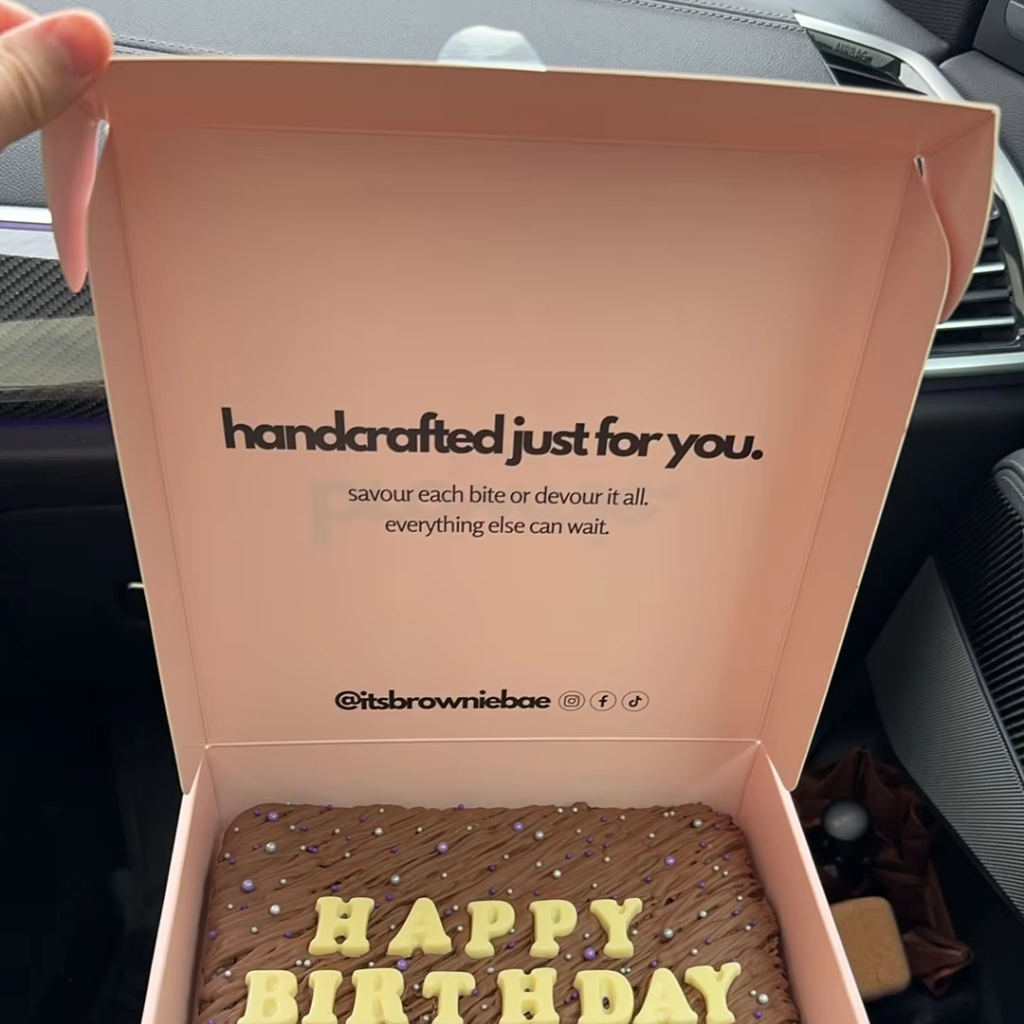
START CUSTOMIZING PAPER PACKAGING FOR YOUR BREAD TODAY!
START CUSTOMIZING YOUR BAKERY PACKAGING TODAY!
YOUR QUESTIONS. ANSWERED
YOUR QUESTIONS. ANSWERED
Bakery Packaging Insights: Smart Tips from Our Experts
Bakery Packaging Insights: Smart Tips from Our Experts

Choosing paper bags isn’t just about picking small or large—the wrong size can increase costs, cause product damage, or make your brand look unprofessional at the point of sale.
In this guide, KIMECOPAK will help you:
-
Understand the most common paper bag sizes and how they’re typically used
-
Match the right paper bag size to different business types (retail, grocery, takeaway, food service)
-
Optimize cost, functionality, and customer experience by avoiding over- or under-sized packaging
Are you unsure which paper bag size works best for takeaway meals, retail items, or grocery orders—and worried about wasting material or compromising presentation? This article breaks it down clearly so you can choose with confidence.
- Paper Shopping Bags by Material and Use: A Guide for Businesses
- What Type of Paper Bag Can Be Recycled?
- How and Where to Store Paper Bags?
- Exploring Different Types of Paper Bags with Handles for Retail and Business
How to Measure Paper Bag Size?
Accurately measuring a paper bag is crucial for ensuring it meets your packaging needs. The dimensions of a paper bag are typically listed in the following order: width x depth x height. Here’s a quick breakdown of how to measure each part:
- Width (W): The distance across the opening of the bag from one side to the other.
- Depth (D): The distance from the front of the bag to the back, measured from the bottom.
- Height (H): The measurement from the bottom of the bag to the top.
When selecting paper bags for your products, always account for how much room the items need in all three dimensions. Ensuring the correct fit will avoid product damage and create a better customer experience.
How Much Do Paper Bags Cost? Retail vs Wholesale Pricing Guide
Why Choosing the Right Paper Bag Size Matters?
Choosing the correct size of paper bag is crucial for a number of reasons:
- Cost Efficiency: Buying the right size avoids excess material costs. Oversized bags for small products are wasteful, while too-small bags are impractical for larger purchases.
- Customer Experience: A well-sized bag enhances the customer experience by being easy to carry and fit for purpose.
- Product Protection: Items in the correct size bag are more secure, reducing the risk of damage during transport or handling.
- Brand Image: Opting for well-fitted, branded paper bags can leave a lasting impression, especially when they are visually appealing and aligned with your brand's eco-friendly values.
Small Paper Bags
Small paper bags are perfect for carrying lightweight, compact items. They are commonly used in retail environments like jewelry stores, cosmetic shops, or specialty boutiques. These bags can hold items like small accessories, trinkets, beauty products, or greeting cards. Their compact size also makes them ideal for personal use, such as gift bags or party favors.

Typical Dimensions:
- Width: 4-6 inches
- Height: 8-10 inches
- Depth: 2-3 inches
Common Uses:
- Jewelry stores (e.g., rings, bracelets)
- Cosmetic shops (e.g., lipsticks, compact mirrors)
- Gift shops and stationery stores
- Small baked goods (e.g., cookies, macarons)
Examples of Industries:
- Boutiques and specialty stores
- Bakeries and patisseries
Paper Take out Bag | NO Handle | All sizes 6/12/20/50Lbs | Wholesale Pricing in Canada
Medium Paper Bags
Medium paper bags are slightly larger and provide more capacity for items that are too big for small bags but do not require a large bag. They are often used in retail settings for clothing, books, or takeaway food. These bags usually come with or without handles, depending on the specific need.

Typical Dimensions:
- Width: 8-10 inches
- Height: 10-12 inches
- Depth: 4-6 inches
Common Uses:
- Clothing and accessories (e.g., scarves, t-shirts)
- Takeaway food and snacks (e.g., sandwiches, salads)
- Bookstores (e.g., books, notebooks)
- Gift wrapping and custom packaging
Examples of Industries:
- Retail stores and boutiques
- Takeaway restaurants and cafes
- Bookshops
Large Paper Bags
Large paper bags are designed for heavier items or bulkier purchases. These bags are popular in grocery stores and department stores where customers are purchasing multiple or large items. They are sturdy and often come with handles to make carrying easier. They can also be used for delivering groceries or larger takeaway orders.

Typical Dimensions:
- Width: 12-16 inches
- Height: 16-20 inches
- Depth: 6-8 inches
Common Uses:
- Groceries (e.g., fruits, vegetables, canned goods)
- Clothing stores (e.g., jackets, pants, shoes)
- Department stores (e.g., home decor, electronics)
- Takeaway meals for families or large orders
Examples of Industries:
- Grocery stores and supermarkets
- Clothing and department stores
- Takeaway restaurants
Kraft Paper Bags Twisted Handles | Shopping Bag | Wholesale Pricing in Canada
Specialty Paper Bags
Specialty paper bags vary in size and design, depending on their specific use cases. For example, satchel bags, greaseproof paper bags, and pinch bottom bags are available in multiple sizes to fit a wide range of food items or retail products. These bags are typically used for takeaway food, baked goods, and snacks, offering greaseproof qualities and a more tailored approach to packaging.
Common Uses:
- Greaseproof bags for fast food (e.g., fries, burgers)
- Satchel bags for bakery products (e.g., bread, croissants)
- Wine and bottle bags (e.g., spirits, wines)
- Gift bags with custom designs for special occasions
Examples of Industries:
- Fast food and takeaway
- Bakeries and delis
- Specialty retail and wine shops
- Events and corporate gifting
Custom Paper Bag Sizes
In addition to standard paper bag sizes, many businesses opt for custom paper bags tailored to their specific needs. Custom sizes can range from ultra-small bags for luxury items (like jewelry) to oversized bags for industrial products. Customization also extends to handle types (flat paper, twisted paper, or ribbon handles), colors, and branding opportunities, allowing businesses to reinforce their brand image through their packaging.
GET FREE SAMPLE BAG FOR TESTING SIZE AND MATERIAL HERE

Benefits of Custom Paper Bags:
- Tailored to specific product dimensions
- Enhanced brand recognition through logos and designs
- Flexibility in choosing eco-friendly options (e.g., recycled paper)
Popular Customization Options:
- Small custom bags for high-end boutiques
- Large branded bags for department stores
- Eco-friendly custom options for sustainable brands
Paper Bag Size Charts
To help you visualize the various paper bag sizes available, here’s a typical size chart that outlines the most common dimensions and their applications:
|
Bag Size |
Dimensions (Inches) |
Dimensions (cm) |
Suitable Products |
|
Small |
5″ x 7″ x 3.5″ |
12.7cm x 17.8cm x 8.9cm |
Lightweight items, single-serving products, gift packaging |
|
6″ x 9″ x 4″ |
15.2cm x 22.9cm x 10.2cm |
Party favors, small retail items |
|
|
7″ x 10″ x 5″ |
17.8cm x 25.4cm x 12.7cm |
||
|
Medium |
8″ x 11″ x 6″ |
20.3cm x 27.9cm x 15.2cm |
Clothing, accessories, food items, office supplies |
|
10″ x 13″ x 7″ |
25.4cm x 33cm x 17.8cm |
||
|
12″ x 15″ x 8″ |
30.5cm x 38.1cm x 20.3cm |
||
|
Large |
14″ x 18″ x 9″ |
35.6cm x 45.7cm x 22.9cm |
Bulky or heavy items, clothing, bedding, multiple products |
|
16″ x 20″ x 10″ |
40.6cm x 50.8cm x 25.4cm |
||
|
18″ x 24″ x 12″ |
45.7cm x 61cm x 30.5cm |
||
|
Food Packaging (Medium) |
8″ x 4.75″ x 2.5″ |
20.3cm x 12.1cm x 6.4cm |
Small portions of snacks, candies, bread |
|
8.25″ x 6.25″ x 3.75″ |
21cm x 15.9cm x 9.5cm |
Single-serving fast food items (burgers, sandwiches, donuts) |
|
|
10″ x 8″ x 4″ |
25.4cm x 20.3cm x 10.2cm |
Medium portions of snacks, cookies, bread, pastries |
|
|
12″ x 9″ x 5″ |
30.5cm x 22.9cm x 12.7cm |
Larger portions of food items (french fries, fried chicken, salads) |
Factors to Consider When Selecting Paper Bag Sizes
Choosing the right paper bag size involves more than just matching dimensions. Several key factors can influence the size and style of paper bag that’s most appropriate for your needs:
- Product Dimensions: Measure your products carefully to ensure they fit within the width, depth, and height of the bag. Consider extra room for packaging if needed.
- Weight Capacity: Heavier items require larger, more durable bags. For fragile or bulky products, bags with reinforced bottoms and double layers are ideal.
- Intended Use: Different industries have different requirements. For instance, food packaging may need greaseproof features, while retail bags may require customization for brand promotion.
- Customer Convenience: Consider the ease of carrying the bag. Handles are essential for larger bags, especially for groceries or retail items.
- Sustainability Goals: If sustainability is a priority for your business, opt for eco-friendly options such as recycled paper or biodegradable materials, without compromising on size or strength.
Conclusion
Paper bags come in a wide variety of sizes, each designed for specific purposes in retail, grocery, food services, and more. Whether you're in need of small bags for a boutique or extra-large bags for a supermarket, there are plenty of options to meet your needs. Businesses should carefully consider the size, durability, and design of their paper bags to ensure they provide the best customer experience and align with their sustainability goals.
For customized solutions, including eco-friendly options, KimEcopak offers a wide range of paper bags to suit your business needs. Contact us today to find the perfect paper bag size and style for your store.
-
LEARN MORE about How "Subscribe for a Happy Life" will benefit your business HERE!
-
LEARN MORE about Kim Vu, sharing on the challenges she faced as a former restaurant owner, and how she overcame them to create KimEcopak HERE!
✓ Stay tuned for updates on our upcoming paper cups, bio straws, and other biodegradable products on the market, as well as interesting stories about green solutions on our social media platforms.
✓ FOLLOW #Kimecopak on Facebook @kimecopak and Instagram @kimecopak_canada to find out how we're helping Canada become more environmentally friendly.
KimEcopak - Green Solutions for Restaurant Packaging

What happens when you put a paper bag in the microwave? Is it harmful to food or is there a risk of fire or explosion? Although convenient, but paper bags are not recommended to use with microwave. In today article, discover the reasons what can happen and why you should not microwaving paper bags.
- What Can and Can’t You Microwave?
- Are Disposable Plates Microwaveable?
- Can Plastic Bottles Go in the Microwave?
What Will Happen If You Put a Paper Bag in Microwave?
Paper bags are a familiar sight in our lives. They're a handy and eco-friendly way to carry groceries, pack lunches, or even hold popcorn for a movie night. Their versatility makes them a go-to option for many everyday tasks. However, it’s not safe to put a paper bag in microwave.
Microwaves offer a quick and convenient way to heat up food. But the intense heat generated inside the appliance presents a significant risk when combined with paper bags. Unlike containers designed specifically for microwaves, regular paper bags simply aren't built to handle those high temperatures.
Microwaving a paper bag can lead to several potential hazards:
- Fire Risk: The biggest concern is the risk of fire. Paper bags are not designed to withstand the intense heat generated by microwaves. As the paper heats up, it can dry out, start to smoke, and eventually ignite. A fire in your microwave can not only damage the appliance but also pose a serious safety threat to your kitchen.
- Fumes and Toxins: When paper is exposed to high temperatures, it can break down and release harmful fumes and toxins. These fumes can contaminate your food, making it unsafe to eat. Additionally, inhaling these fumes can be irritating to your lungs and potentially harmful to your health.

Why Paper Bags Are Not Suitable with Microwave?
While the dangers of microwaving paper bags are clear, understanding the science behind these risks can further solidify the importance of safe food handling practices. Here's a closer look at the specific materials and properties of paper bags that make them incompatible with the intense heat environment of a microwave:
Material Composition
- Regular paper bags are primarily composed of cellulose fibers. Cellulose is a naturally occurring organic polymer, the main building block of plant cell walls. While cellulose offers several desirable properties like strength and biodegradability, it also has a significant downside – it's highly flammable.
- Under high temperatures, like those generated by a microwave, cellulose fibers can readily undergo a process called thermal decomposition. During this process, the cellulose breaks down, releasing heat and volatile gases. If the temperature continues to rise, these gases can ignite, leading to a fire.
Lack of Heat Dissipation
Unlike microwave-safe containers like glass or ceramic, paper bags are poor conductors of heat. This means they don't efficiently distribute the heat waves generated by the microwave throughout the material. Instead, the heat tends to concentrate in specific areas, creating localized hotspots within the bag. These hotspots can reach temperatures far exceeding the average temperature inside the microwave, significantly increasing the risk of fire.
Unpredictable Content
- The potential dangers of microwaving paper bags extend beyond the paper itself. During the manufacturing process, some paper bags might contain trace amounts of chemicals, inks, or dyes used for printing or strengthening the material.
- While these additives are generally safe under normal conditions, exposure to high temperatures in a microwave can cause them to break down and release harmful fumes. These fumes can not only contaminate your food, making it unsafe to eat, but can also be irritating or even hazardous if inhaled.
Alternatives to microwaving with paper bags
Since paper bags pose a significant safety risk in the microwave, it's crucial to explore alternative methods for heating your food. Below are some safe and effective options.
Microwave-safe containers
This is the gold standard for safe and efficient microwave heating. Invest in a set of microwave-safe containers made from glass, ceramic, or certain types of plastic. These materials are specifically designed to withstand high temperatures and distribute heat evenly throughout the food.
Benefits:
- Ensures even cooking and prevents hot spots that could burn your food.
- Reduces the risk of fire or harmful fumes being released.
- Comes in various sizes and shapes to accommodate different food items.
Tips:
- Look for containers with the microwave-safe symbol on the label.
- Avoid using plastic containers with cracks or scratches.
- Consider investing in containers with lids for reheating leftovers or storing food.
Transfer food to a plate
If you find yourself needing to heat food that came in a paper bag, don't microwave it directly. Here's a safe alternative:
Process: Carefully transfer the food from the paper bag to a microwave-safe plate.
Benefits:
- Removes the fire and fume risk associated with paper bags.
- Allows for even heating of your food.
Tips:
- Choose a plate large enough to hold the food comfortably.
- Avoid using plates with metallic patterns or trims, as they can spark in the microwave.
- Ensure the plate is clean and free of cracks or chips.
Opt for a Different Container from the Start
When packing lunches or preparing snacks, consider using reusable containers specifically designed for microwave use. These containers come in various shapes and sizes, allowing you to portion and store food conveniently. They offer:
- Safety and Convenience: They are safe for microwaving and eliminate the need to transfer food later.
- Durability: Reusable containers are a sustainable option that reduces reliance on disposable paper bags.
- Versatility: Many can be used for storage in the refrigerator or freezer and then reheated in the microwave.
By prioritizing safety and choosing proper alternatives, you can ditch the paper bag in the microwave and enjoy safe and efficient food heating. Remember, your health and safety are always worth the extra effort of using a microwave-safe container.
Conclusion
In conclusion, while paper bags offer convenience for carrying food, they pose a significant risk when used in the microwave. By understanding the dangers and embracing safe alternatives like microwave-safe containers or transferring food to plates, you can ensure your meals are heated safely and efficiently.

Making the switch to paper bags offers numerous benefits for supermarkets and convenience stores, including reducing plastic waste and complying with regulations banning single-use plastic checkout bags. However, are you struggling to find an efficient and space-saving way to organize your paper bags? This article will provide you with practical solutions to tackle this challenge.
- How To Store Right Reusable Bags?
- How to Store Glass Straws?
- The Right Way to Clean Your Reusable Bags
Benefits of Storing Paper Bags
Storing properly paper bags brings various benefits for supermarket and convenience stores. While the environmental advantages are undeniable, there's another benefits, including:
- Cost savings: Paper bags are a significant investment for any store. Disorganized storage can lead to damage, loss, and the constant need to restock. Implementing a well-structured system safeguards your paper bags, minimizing unnecessary purchases and ensuring you have the right amount on hand for peak periods.
- Improved customer experience: Frustration can arise during checkout when cashiers struggle to find the appropriate bag size. Easy access to a variety of bag options streamlines the checkout process, creating a more positive experience for your customers.
- Space optimization: Floor space is precious real estate in any retail environment. Utilizing designated storage areas for paper bags frees up valuable floor space in your checkout area. This allows you to maximize the use of this prime area for displaying merchandise or creating additional customer service points.
- Enhanced brand image: A well-organized and tidy bag area reflects a sense of professionalism and efficiency. This can leave a lasting positive impression on your customers, contributing to a stronger brand image and fostering customer loyalty.
Overall, prioritizing paper bag storage is an investment in both operational efficiency and customer satisfaction. In the next section, let’s go deeper where and how your business can do to store paper bags.

Where to Store Paper Bags?
Storing paper shopping bags properly helps save space for your store or business. In addition, store bags also need to be stored in the right place to avoid damage, while also being easily accessible for employees. Here are some suggestions for storing paper bags:
- Backroom Storage: The backroom is a great place to store large quantities of paper bags. It is out of the way of customers and employees, and it provides a safe and secure place to keep the bags.
- Designated Shelving: Installing labeled shelves near checkout counters is a great way to store commonly used sizes of paper bags. This makes it easy for employees to find the right size bag for customers, and it also helps to keep the checkout area organized.
- Wall-Mounted Dispensers: Wall-mounted dispensers are another great option for storing paper bags. They can be installed near checkout counters or in other high-traffic areas, and they allow customers to easily grab a bag without having to ask an employee for help.
However, no matter which method you choose, be sure to store your paper bags in a dry place to prevent them from becoming damaged.
The above are just a few suggestions for your business. Depending on the size of the business, the needs, the number of bags used, and the frequency of deliveries, the business will choose the most suitable option.
How to Store Paper Bags?
When it comes to storing paper bags, there are many different ways to keep them neat and organized. Here are some common methods:
- Folding Techniques: Training staff on efficient paper bag folding techniques is a cornerstone of organized storage. This not only maximizes space but also prevents tearing and damage. Different folding methods work for various bag sizes, so ensuring your team is familiar with the most space-saving and effective techniques is crucial.
- Segregating by Size: Chaos reigns supreme when various bag sizes are jumbled together. To maintain a clutter-free environment, dedicate specific areas for different sizes. This could involve designated shelves labeled with corresponding bag sizes, making it easy for staff to grab the perfect bag for each customer.
- First-In, First-Out Philosophy: Prevent older bags from accumulating dust and potential damage by implementing a first-in, first-out system (FIFO). This means using the newly delivered bags first, ensuring a steady rotation and minimizing the risk of outdated bags languishing in storage.
- Boxed Reserves: Be Prepared for Anything: Unexpected surges in customer traffic can deplete your readily available bag stock. To handle this, maintain a boxed reserve of bags in the backroom. This ensures a smooth checkout experience even during peak hours and minimizes the frustration of running out.
Beside the methods above, your business can consider the ways below for the best suitable practice:
- Invest in sturdy containers: Utilize stackable bins or boxes for organized and protected storage.
- Utilize vertical space: Install shelves high on walls or utilize overhead storage to maximize floor space.
- Clear containers for quick identification: This allows staff to grab the right size bag without having to open every container.
- Labeling: Clearly label all containers and shelves with bag sizes and quantities for fast and easy access.
By implementing these strategies, supermarkets and convenience stores can transform paper bag storage from a mundane task into an efficient and streamlined process.
Frequent Asked Question
Question 1: How often should we check paper bag inventory?
The ideal frequency for checking paper bag inventory depends on your store's average daily usage and peak hours. Here are some factors to consider:
- Average Daily Usage: Track your daily paper bag consumption to establish a baseline.
- Peak Hours: Identify the days and times of highest customer traffic, as these periods are more likely to lead to stock depletion.
- Delivery Lead Time: Factor in the time it takes for a new paper bag shipment to arrive.
Question 2: What happens to damaged bags?
Damaged paper bags compromise the customer experience and pose a safety risk. Here's how to manage them:
- Identification: Train staff to identify damaged bags during unpacking or while restocking shelves.
- Proper disposal: Allocate a designated bin for damaged bags. Ensure proper disposal practices are followed, adhering to local recycling or waste management regulations.
Question 3: Are there eco-friendly options for paper bag storage?
In today's environmentally conscious world, even storage solutions should be sustainable. Consider using recycled cardboard boxes or repurposed shelving for your paper bag storage.
Conclusion
Storing paper bags in the right ways and right places is necessary to maximize efficiency, maintain a positive customer experience, and ensure a sustainable operation. By implementing the strategies outlined in this article, from effective folding techniques to eco-friendly storage solutions, businesses can confidently navigate the switch to paper bags, achieving both operational excellence and environmental responsibility.

When it comes to packaging cookies, there’s no better solution than paper cookie bags. They are not only functional but also environmentally friendly and stylish. Whether you’re a professional baker, an entrepreneur, or just someone who loves gifting homemade cookies, paper cookie bags are the perfect choice for showcasing your sweet treats. In this article, we’ll explore everything you need to know about paper cookie bags—their benefits, types, uses, and why they are an essential part of modern baking and gifting.
- Should You Choose Wax Paper Sandwich Bags Over the Plastic Bags?
- What Are Paper Bags? Exploring Their History, Types, and Uses
- Paper Bag Sizes: How to Select the Best Size for Your Products
- How Many Paper Bags in 1 Kg? Choosing the Right Measurement Method for Paper Bags
What are Paper Cookie Bags?
Paper cookie bags are a practical and aesthetically pleasing way to package and present cookies. These bags are typically made from food-safe paper and come in various designs, colors, and sizes, making them ideal for bakeries, cafes, and home bakers alike. Their primary purpose is to keep cookies fresh while providing an attractive display for customers or guests.
In addition to their functional role, paper cookie bags elevate the presentation of baked goods. Whether you’re offering cookies at a fundraiser, giving them as gifts, or selling them in a shop, these bags add a touch of charm and professionalism that can enhance the overall experience.
What Is the Best Packaging for Cookies? Discover Eco-Friendly & Worthy Picks
Why Choose Paper Cookie Bags? Unpacking the Benefits
Eco-Friendly Advantages
One of the most significant benefits of paper cookie bags is their eco-friendliness. They are biodegradable and compostable, meaning they break down naturally without harming the environment. This is particularly important as the world increasingly seeks sustainable alternatives to traditional plastic packaging. Unlike plastic bags, which can take hundreds of years to decompose, paper options provide a guilt-free way to enjoy delicious cookies while being kind to the planet.
Consider that more and more consumers are prioritizing sustainability in their purchasing decisions. By choosing paper cookie bags, businesses can appeal to this environmentally conscious demographic, demonstrating a commitment to reducing plastic waste.
Enhanced Presentation
Presentation matters in the world of baking, and paper cookie bags provide a polished look that can impress customers and guests alike. The texture and design of these bags can complement the cookies inside, adding to their allure.
Moreover, paper cookie bags offer an opportunity for branding and customization. Bakeries can print their logos on the bags, creating a cohesive brand image that sticks in the minds of customers. This not only enhances the unboxing experience but also turns every cookie purchase into a marketing opportunity. Imagine a customer enjoying their cookies while proudly showcasing the beautifully branded bag – it's powerful brand visibility in a delightful package.
Food Safety and Freshness
Food safety is crucial in any food business, and using the right packaging can help maintain the quality of baked goods. Many paper cookie bags come in greaseproof options, which makes them resistant to grease and moisture. This feature helps to keep cookies fresh during transport and storage, ensuring that customers receive products in optimal condition.
As a personal anecdote, I've often been disappointed by cookies that have become soft or stale by the time I reached home. Using high-quality paper cookie bags would have ensured my cookies stayed delicious and ready to be enjoyed.
Versatility and Convenience
Paper cookie bags are versatile, available in various sizes and styles to suit different cookie types and occasions. Whether it's a single cookie for a quick snack or a dozen for a party, there’s a bag for every need. Their size range makes them suitable for everything from large cookies to mini bites.
In addition to their variety, they are remarkably easy to use and store. They can be stacked and kept in drawers or cabinets without taking up much space, making them an accessible option for those who regularly bake or sell cookies.

Types of Paper Cookie Bags: Finding the Right Fit
Standard Flat Paper Bags
Standard flat paper bags are a classic choice for quick service setups, such as bakeries or cafes. These bags are perfect for packaging single cookies, making them ideal for on-the-go purchases. The simplicity of these bags allows customers to grab their treats quickly while ensuring a clean presentation.
- Pros: Cost-effective, easy to use, minimal storage space required.
- Cons: Limited in size options for larger cookies or multiple treats.
Gusseted Paper Bags
Gusseted paper bags are designed with folds on the sides, allowing them to expand. This makes them an excellent option for packaging multiple cookies or larger baked goods. With increased capacity, these bags are ideal for orders that come in various sizes and quantities.
- Pros: Versatile, can hold various shapes and sizes, great for bulk sales.
- Cons: Slightly bulkier than flat bags, may take up more space during storage.
Window Paper Bags
Window paper bags feature a transparent section that showcases the contents inside. This visibility allows customers to see the cookies before purchase, enhancing the overall appeal. These bags balance aesthetics with protection, keeping treats secure while inviting customers to indulge.
- Pros: Attractive presentation, encourages impulse buying.
- Cons: May be less durable if not made with high-quality materials.
Greaseproof Paper Bags
Greaseproof paper bags are specifically designed to prevent oil stains from affecting the exterior of the bag. This is essential for cookies that contain butter or other oily ingredients. The integrity of these bags ensures that the cookies arrive in a presentable condition, enhancing customer satisfaction.
- Pros: Prevents leaks and stains, maintains a professional appearance.
- Cons: Generally more expensive than standard paper bags.
Compostable Paper Cookie Bags
With sustainability on the rise, compostable paper cookie bags are the environmentally-friendly option for businesses and individuals prioritizing ecological impact. Made from materials that break down naturally, these bags allow consumers to enjoy their treats without harming the planet.
- Pros: Eco-friendly, attracts environmentally-conscious customers.
- Cons: Can be more expensive and less durable than traditional options.
Custom Printed Paper Cookie Bags
Custom printed paper cookie bags offer a unique branding opportunity. Businesses can print logos, taglines, or custom designs directly onto the bags, creating a personalized touch that enhances brand recognition. This can be particularly effective for special promotions or events.
- Pros: Boosts brand visibility, creates a memorable customer experience.
- Cons: Initial setup costs may be higher, requiring a minimum order quantity.

Key Considerations When Buying Paper Cookie Bags
Size and Capacity
When choosing paper cookie bags, it is crucial to match the size and capacity of the bag to the cookies being sold. Smaller bags might suffice for standard cookies, while larger bags or gusseted designs may be necessary for specialty items or bulk orders.
Material and Thickness
The material and thickness of the paper are critical for ensuring the durability and grease resistance of the bags. Thicker paper is typically stronger and can handle heavier baked goods without breaking.
Window or No Window?
Balancing visibility with protection is a key consideration. Window bags allow customers to view the contents, increasing sales potential, while bags without windows may offer better protection. It’s important to evaluate the product and customer preferences.
Closure Type
The type of closure can significantly impact the bag's usability. Options include open-top bags, self-adhesive seals, or tie closures. The right choice can enhance convenience for customers while preserving the freshness of the cookies.
Cost and Quantity
Cost and quantity are crucial factors. Bulk purchasing often provides better value, allowing businesses to save money while ensuring they have enough bags on hand for busy periods. Comparing options can help find an affordable solution that meets packaging needs.
Unique Features
Look for unique features like integrated freshness seals that help maintain product quality. While not every bag will have these, finding one with added functionality can enhance the user experience and improve customer satisfaction.

Where to Buy Paper Cookie Bags
Online Retailers and Marketplaces
For convenience and variety, online retailers are a go-to option for purchasing paper cookie bags. Websites like Amazon, Etsy, and eBay offer a range of sizes, styles, and quantities. These platforms often feature customer reviews and ratings, allowing buyers to make informed choices. In addition, many online shops specialize in packaging supplies, offering an extensive selection tailored for bakers and food businesses.
Packaging Supply Stores
Local packaging supply stores are another resource for acquiring paper cookie bags. These stores typically stock a variety of packing materials, including cookie bags in different materials, colors, and sizes. Not only can you physically inspect the quality of the bags, but you may also find staff who can provide valuable advice based on your specific needs. Additionally, many packaging stores offer bulk discounts for larger orders.
Wholesale Suppliers
For those needing large quantities, wholesale suppliers specialize in bulk packaging solutions. Companies like ULINE and WebstaurantStore provide options for paper cookie bags that are both economical and customizable. Purchasing wholesale can save significant costs, especially for businesses looking to package cookies for events or retail sales.
Direct from Manufacturers
Some businesses may prefer to buy directly from manufacturers, allowing for better pricing and customized options. Many paper bag manufacturers offer custom designs, prints, and sizes tailored to your needs. By buying directly, you can often negotiate pricing for large orders and ensure you get exactly what you want for your packaging.

Tips for Using Paper Cookie Bags Effectively
To maximize the impact of your paper cookie bags, consider the following tips:
- Proper storage of cookies in paper bags: Always store cookies in a cool, dry place. While paper bags allow for some airflow, it's crucial to avoid direct sunlight or humid environments to maintain freshness.
- Enhancing presentation with labels and ribbons: Personalizing your paper bags with labels or decorative ribbons can elevate their appeal. Using themed stickers or custom labels not only provides branding opportunities but also adds a personal touch—ideal for gifting.
- Consideration for different types of cookies: Different cookie types may require different handling. For delicate cookies, opt for greaseproof paper bags, while sturdier, drier cookies can typically be stored in regular paper bags without issue. This prevents breakage and ensures each cookie arrives intact.
The Future of Paper Cookie Bags: Trends and Innovations
The landscape of packaging, particularly for food items like cookies, is rapidly evolving. Several trends are shaping the future of paper cookie bags:
- Growing demand for sustainable packaging: As consumers become more environmentally conscious, there is an increasing demand for packaging made from renewable resources. Many brands are investing in biodegradable or compostable paper bags to meet consumers' preferences for eco-friendly options.
- Developments in paper technology for enhanced functionality: Innovations in paper production are leading to bags that are not only stylish but also functional. Newer materials can offer moisture resistance, greaseproof features, and durability—all while maintaining the natural look of paper.
- Creative and innovative designs: Novel and unique shapes of paper cookie bags are emerging in response to market desires for creativity. Geometric designs, windowed bags that showcase cookies, and interactive packaging elements can all capture consumer attention and enhance the unboxing experience.
Conclusion
In conclusion, paper cookie bags provide a versatile and stylish option for packaging cookies, offering numerous benefits such as sustainability and customization. Whether you are an individual baker or a small business, choosing the right bags can enhance both the presentation and preservation of your delicious treats. Explore various sources to find the perfect paper cookie bags that fit your needs, and delight your customers with thoughtful and appealing packaging.
Case Studies or Examples of Businesses Using Paper Cookie Bags
Case Study 1: Local Bakery Success
A local bakery saw increased sales after switching to custom-branded paper cookie bags. By incorporating their logo and eco-friendly messages, they appealed to environmentally conscious consumers and stood out in a competitive market.
Case Study 2: Event Caterer Insights
An event catering company reported success in using decorative paper cookie bags for party favors. By offering personalized touches, such as names and event dates on the bags, clients appreciated the extra effort in presentation.
FAQ About Paper Cookie Bags
Are paper cookie bags eco-friendly?
Yes, many are biodegradable and compostable, making them a more sustainable option than plastic.
Can I get paper cookie bags with my logo printed on them?
Yes, many suppliers offer custom printing services for branding.
Will paper cookie bags keep my cookies fresh?
While they provide good protection, consider greaseproof options and proper storage for optimal freshness.
What are the different sizes of paper cookie bags available?
Paper cookie bags come in a wide range of sizes, from small individual bags to larger bags for multiple cookies or gift sets.
Related Articles:
Choosing paper bags isn’t just about picking small or large—the wrong size can increase costs, cause product damage, or make your brand look unprofessional at the point of sale.
In this guide, KIMECOPAK will help you:
-
Understand the most common paper bag sizes and how they’re typically used
-
Match the right paper bag size to different business types (retail, grocery, takeaway, food service)
-
Optimize cost, functionality, and customer experience by avoiding over- or under-sized packaging
Are you unsure which paper bag size works best for takeaway meals, retail items, or grocery orders—and worried about wasting material or compromising presentation? This article breaks it down clearly so you can choose with confidence.
- Paper Shopping Bags by Material and Use: A Guide for Businesses
- What Type of Paper Bag Can Be Recycled?
- How and Where to Store Paper Bags?
- Exploring Different Types of Paper Bags with Handles for Retail and Business
How to Measure Paper Bag Size?
Accurately measuring a paper bag is crucial for ensuring it meets your packaging needs. The dimensions of a paper bag are typically listed in the following order: width x depth x height. Here’s a quick breakdown of how to measure each part:
- Width (W): The distance across the opening of the bag from one side to the other.
- Depth (D): The distance from the front of the bag to the back, measured from the bottom.
- Height (H): The measurement from the bottom of the bag to the top.
When selecting paper bags for your products, always account for how much room the items need in all three dimensions. Ensuring the correct fit will avoid product damage and create a better customer experience.
How Much Do Paper Bags Cost? Retail vs Wholesale Pricing Guide
Why Choosing the Right Paper Bag Size Matters?
Choosing the correct size of paper bag is crucial for a number of reasons:
- Cost Efficiency: Buying the right size avoids excess material costs. Oversized bags for small products are wasteful, while too-small bags are impractical for larger purchases.
- Customer Experience: A well-sized bag enhances the customer experience by being easy to carry and fit for purpose.
- Product Protection: Items in the correct size bag are more secure, reducing the risk of damage during transport or handling.
- Brand Image: Opting for well-fitted, branded paper bags can leave a lasting impression, especially when they are visually appealing and aligned with your brand's eco-friendly values.
Small Paper Bags
Small paper bags are perfect for carrying lightweight, compact items. They are commonly used in retail environments like jewelry stores, cosmetic shops, or specialty boutiques. These bags can hold items like small accessories, trinkets, beauty products, or greeting cards. Their compact size also makes them ideal for personal use, such as gift bags or party favors.
Typical Dimensions:
- Width: 4-6 inches
- Height: 8-10 inches
- Depth: 2-3 inches
Common Uses:
- Jewelry stores (e.g., rings, bracelets)
- Cosmetic shops (e.g., lipsticks, compact mirrors)
- Gift shops and stationery stores
- Small baked goods (e.g., cookies, macarons)
Examples of Industries:
- Boutiques and specialty stores
- Bakeries and patisseries
Paper Take out Bag | NO Handle | All sizes 6/12/20/50Lbs | Wholesale Pricing in Canada
Medium Paper Bags
Medium paper bags are slightly larger and provide more capacity for items that are too big for small bags but do not require a large bag. They are often used in retail settings for clothing, books, or takeaway food. These bags usually come with or without handles, depending on the specific need.
Typical Dimensions:
- Width: 8-10 inches
- Height: 10-12 inches
- Depth: 4-6 inches
Common Uses:
- Clothing and accessories (e.g., scarves, t-shirts)
- Takeaway food and snacks (e.g., sandwiches, salads)
- Bookstores (e.g., books, notebooks)
- Gift wrapping and custom packaging
Examples of Industries:
- Retail stores and boutiques
- Takeaway restaurants and cafes
- Bookshops
Large Paper Bags
Large paper bags are designed for heavier items or bulkier purchases. These bags are popular in grocery stores and department stores where customers are purchasing multiple or large items. They are sturdy and often come with handles to make carrying easier. They can also be used for delivering groceries or larger takeaway orders.
Typical Dimensions:
- Width: 12-16 inches
- Height: 16-20 inches
- Depth: 6-8 inches
Common Uses:
- Groceries (e.g., fruits, vegetables, canned goods)
- Clothing stores (e.g., jackets, pants, shoes)
- Department stores (e.g., home decor, electronics)
- Takeaway meals for families or large orders
Examples of Industries:
- Grocery stores and supermarkets
- Clothing and department stores
- Takeaway restaurants
Kraft Paper Bags Twisted Handles | Shopping Bag | Wholesale Pricing in Canada
Specialty Paper Bags
Specialty paper bags vary in size and design, depending on their specific use cases. For example, satchel bags, greaseproof paper bags, and pinch bottom bags are available in multiple sizes to fit a wide range of food items or retail products. These bags are typically used for takeaway food, baked goods, and snacks, offering greaseproof qualities and a more tailored approach to packaging.
Common Uses:
- Greaseproof bags for fast food (e.g., fries, burgers)
- Satchel bags for bakery products (e.g., bread, croissants)
- Wine and bottle bags (e.g., spirits, wines)
- Gift bags with custom designs for special occasions
Examples of Industries:
- Fast food and takeaway
- Bakeries and delis
- Specialty retail and wine shops
- Events and corporate gifting
Custom Paper Bag Sizes
In addition to standard paper bag sizes, many businesses opt for custom paper bags tailored to their specific needs. Custom sizes can range from ultra-small bags for luxury items (like jewelry) to oversized bags for industrial products. Customization also extends to handle types (flat paper, twisted paper, or ribbon handles), colors, and branding opportunities, allowing businesses to reinforce their brand image through their packaging.
GET FREE SAMPLE BAG FOR TESTING SIZE AND MATERIAL HERE
Benefits of Custom Paper Bags:
- Tailored to specific product dimensions
- Enhanced brand recognition through logos and designs
- Flexibility in choosing eco-friendly options (e.g., recycled paper)
Popular Customization Options:
- Small custom bags for high-end boutiques
- Large branded bags for department stores
- Eco-friendly custom options for sustainable brands
Paper Bag Size Charts
To help you visualize the various paper bag sizes available, here’s a typical size chart that outlines the most common dimensions and their applications:
|
Bag Size |
Dimensions (Inches) |
Dimensions (cm) |
Suitable Products |
|
Small |
5″ x 7″ x 3.5″ |
12.7cm x 17.8cm x 8.9cm |
Lightweight items, single-serving products, gift packaging |
|
6″ x 9″ x 4″ |
15.2cm x 22.9cm x 10.2cm |
Party favors, small retail items |
|
|
7″ x 10″ x 5″ |
17.8cm x 25.4cm x 12.7cm |
||
|
Medium |
8″ x 11″ x 6″ |
20.3cm x 27.9cm x 15.2cm |
Clothing, accessories, food items, office supplies |
|
10″ x 13″ x 7″ |
25.4cm x 33cm x 17.8cm |
||
|
12″ x 15″ x 8″ |
30.5cm x 38.1cm x 20.3cm |
||
|
Large |
14″ x 18″ x 9″ |
35.6cm x 45.7cm x 22.9cm |
Bulky or heavy items, clothing, bedding, multiple products |
|
16″ x 20″ x 10″ |
40.6cm x 50.8cm x 25.4cm |
||
|
18″ x 24″ x 12″ |
45.7cm x 61cm x 30.5cm |
||
|
Food Packaging (Medium) |
8″ x 4.75″ x 2.5″ |
20.3cm x 12.1cm x 6.4cm |
Small portions of snacks, candies, bread |
|
8.25″ x 6.25″ x 3.75″ |
21cm x 15.9cm x 9.5cm |
Single-serving fast food items (burgers, sandwiches, donuts) |
|
|
10″ x 8″ x 4″ |
25.4cm x 20.3cm x 10.2cm |
Medium portions of snacks, cookies, bread, pastries |
|
|
12″ x 9″ x 5″ |
30.5cm x 22.9cm x 12.7cm |
Larger portions of food items (french fries, fried chicken, salads) |
Factors to Consider When Selecting Paper Bag Sizes
Choosing the right paper bag size involves more than just matching dimensions. Several key factors can influence the size and style of paper bag that’s most appropriate for your needs:
- Product Dimensions: Measure your products carefully to ensure they fit within the width, depth, and height of the bag. Consider extra room for packaging if needed.
- Weight Capacity: Heavier items require larger, more durable bags. For fragile or bulky products, bags with reinforced bottoms and double layers are ideal.
- Intended Use: Different industries have different requirements. For instance, food packaging may need greaseproof features, while retail bags may require customization for brand promotion.
- Customer Convenience: Consider the ease of carrying the bag. Handles are essential for larger bags, especially for groceries or retail items.
- Sustainability Goals: If sustainability is a priority for your business, opt for eco-friendly options such as recycled paper or biodegradable materials, without compromising on size or strength.
Conclusion
Paper bags come in a wide variety of sizes, each designed for specific purposes in retail, grocery, food services, and more. Whether you're in need of small bags for a boutique or extra-large bags for a supermarket, there are plenty of options to meet your needs. Businesses should carefully consider the size, durability, and design of their paper bags to ensure they provide the best customer experience and align with their sustainability goals.
For customized solutions, including eco-friendly options, KimEcopak offers a wide range of paper bags to suit your business needs. Contact us today to find the perfect paper bag size and style for your store.
-
LEARN MORE about How "Subscribe for a Happy Life" will benefit your business HERE!
-
LEARN MORE about Kim Vu, sharing on the challenges she faced as a former restaurant owner, and how she overcame them to create KimEcopak HERE!
✓ Stay tuned for updates on our upcoming paper cups, bio straws, and other biodegradable products on the market, as well as interesting stories about green solutions on our social media platforms.
✓ FOLLOW #Kimecopak on Facebook @kimecopak and Instagram @kimecopak_canada to find out how we're helping Canada become more environmentally friendly.
KimEcopak - Green Solutions for Restaurant Packaging
What happens when you put a paper bag in the microwave? Is it harmful to food or is there a risk of fire or explosion? Although convenient, but paper bags are not recommended to use with microwave. In today article, discover the reasons what can happen and why you should not microwaving paper bags.
- What Can and Can’t You Microwave?
- Are Disposable Plates Microwaveable?
- Can Plastic Bottles Go in the Microwave?
What Will Happen If You Put a Paper Bag in Microwave?
Paper bags are a familiar sight in our lives. They're a handy and eco-friendly way to carry groceries, pack lunches, or even hold popcorn for a movie night. Their versatility makes them a go-to option for many everyday tasks. However, it’s not safe to put a paper bag in microwave.
Microwaves offer a quick and convenient way to heat up food. But the intense heat generated inside the appliance presents a significant risk when combined with paper bags. Unlike containers designed specifically for microwaves, regular paper bags simply aren't built to handle those high temperatures.
Microwaving a paper bag can lead to several potential hazards:
- Fire Risk: The biggest concern is the risk of fire. Paper bags are not designed to withstand the intense heat generated by microwaves. As the paper heats up, it can dry out, start to smoke, and eventually ignite. A fire in your microwave can not only damage the appliance but also pose a serious safety threat to your kitchen.
- Fumes and Toxins: When paper is exposed to high temperatures, it can break down and release harmful fumes and toxins. These fumes can contaminate your food, making it unsafe to eat. Additionally, inhaling these fumes can be irritating to your lungs and potentially harmful to your health.
Why Paper Bags Are Not Suitable with Microwave?
While the dangers of microwaving paper bags are clear, understanding the science behind these risks can further solidify the importance of safe food handling practices. Here's a closer look at the specific materials and properties of paper bags that make them incompatible with the intense heat environment of a microwave:
Material Composition
- Regular paper bags are primarily composed of cellulose fibers. Cellulose is a naturally occurring organic polymer, the main building block of plant cell walls. While cellulose offers several desirable properties like strength and biodegradability, it also has a significant downside – it's highly flammable.
- Under high temperatures, like those generated by a microwave, cellulose fibers can readily undergo a process called thermal decomposition. During this process, the cellulose breaks down, releasing heat and volatile gases. If the temperature continues to rise, these gases can ignite, leading to a fire.
Lack of Heat Dissipation
Unlike microwave-safe containers like glass or ceramic, paper bags are poor conductors of heat. This means they don't efficiently distribute the heat waves generated by the microwave throughout the material. Instead, the heat tends to concentrate in specific areas, creating localized hotspots within the bag. These hotspots can reach temperatures far exceeding the average temperature inside the microwave, significantly increasing the risk of fire.
Unpredictable Content
- The potential dangers of microwaving paper bags extend beyond the paper itself. During the manufacturing process, some paper bags might contain trace amounts of chemicals, inks, or dyes used for printing or strengthening the material.
- While these additives are generally safe under normal conditions, exposure to high temperatures in a microwave can cause them to break down and release harmful fumes. These fumes can not only contaminate your food, making it unsafe to eat, but can also be irritating or even hazardous if inhaled.
Alternatives to microwaving with paper bags
Since paper bags pose a significant safety risk in the microwave, it's crucial to explore alternative methods for heating your food. Below are some safe and effective options.
Microwave-safe containers
This is the gold standard for safe and efficient microwave heating. Invest in a set of microwave-safe containers made from glass, ceramic, or certain types of plastic. These materials are specifically designed to withstand high temperatures and distribute heat evenly throughout the food.
Benefits:
- Ensures even cooking and prevents hot spots that could burn your food.
- Reduces the risk of fire or harmful fumes being released.
- Comes in various sizes and shapes to accommodate different food items.
Tips:
- Look for containers with the microwave-safe symbol on the label.
- Avoid using plastic containers with cracks or scratches.
- Consider investing in containers with lids for reheating leftovers or storing food.
Transfer food to a plate
If you find yourself needing to heat food that came in a paper bag, don't microwave it directly. Here's a safe alternative:
Process: Carefully transfer the food from the paper bag to a microwave-safe plate.
Benefits:
- Removes the fire and fume risk associated with paper bags.
- Allows for even heating of your food.
Tips:
- Choose a plate large enough to hold the food comfortably.
- Avoid using plates with metallic patterns or trims, as they can spark in the microwave.
- Ensure the plate is clean and free of cracks or chips.
Opt for a Different Container from the Start
When packing lunches or preparing snacks, consider using reusable containers specifically designed for microwave use. These containers come in various shapes and sizes, allowing you to portion and store food conveniently. They offer:
- Safety and Convenience: They are safe for microwaving and eliminate the need to transfer food later.
- Durability: Reusable containers are a sustainable option that reduces reliance on disposable paper bags.
- Versatility: Many can be used for storage in the refrigerator or freezer and then reheated in the microwave.
By prioritizing safety and choosing proper alternatives, you can ditch the paper bag in the microwave and enjoy safe and efficient food heating. Remember, your health and safety are always worth the extra effort of using a microwave-safe container.
Conclusion
In conclusion, while paper bags offer convenience for carrying food, they pose a significant risk when used in the microwave. By understanding the dangers and embracing safe alternatives like microwave-safe containers or transferring food to plates, you can ensure your meals are heated safely and efficiently.
Making the switch to paper bags offers numerous benefits for supermarkets and convenience stores, including reducing plastic waste and complying with regulations banning single-use plastic checkout bags. However, are you struggling to find an efficient and space-saving way to organize your paper bags? This article will provide you with practical solutions to tackle this challenge.
- How To Store Right Reusable Bags?
- How to Store Glass Straws?
- The Right Way to Clean Your Reusable Bags
Benefits of Storing Paper Bags
Storing properly paper bags brings various benefits for supermarket and convenience stores. While the environmental advantages are undeniable, there's another benefits, including:
- Cost savings: Paper bags are a significant investment for any store. Disorganized storage can lead to damage, loss, and the constant need to restock. Implementing a well-structured system safeguards your paper bags, minimizing unnecessary purchases and ensuring you have the right amount on hand for peak periods.
- Improved customer experience: Frustration can arise during checkout when cashiers struggle to find the appropriate bag size. Easy access to a variety of bag options streamlines the checkout process, creating a more positive experience for your customers.
- Space optimization: Floor space is precious real estate in any retail environment. Utilizing designated storage areas for paper bags frees up valuable floor space in your checkout area. This allows you to maximize the use of this prime area for displaying merchandise or creating additional customer service points.
- Enhanced brand image: A well-organized and tidy bag area reflects a sense of professionalism and efficiency. This can leave a lasting positive impression on your customers, contributing to a stronger brand image and fostering customer loyalty.
Overall, prioritizing paper bag storage is an investment in both operational efficiency and customer satisfaction. In the next section, let’s go deeper where and how your business can do to store paper bags.
Where to Store Paper Bags?
Storing paper shopping bags properly helps save space for your store or business. In addition, store bags also need to be stored in the right place to avoid damage, while also being easily accessible for employees. Here are some suggestions for storing paper bags:
- Backroom Storage: The backroom is a great place to store large quantities of paper bags. It is out of the way of customers and employees, and it provides a safe and secure place to keep the bags.
- Designated Shelving: Installing labeled shelves near checkout counters is a great way to store commonly used sizes of paper bags. This makes it easy for employees to find the right size bag for customers, and it also helps to keep the checkout area organized.
- Wall-Mounted Dispensers: Wall-mounted dispensers are another great option for storing paper bags. They can be installed near checkout counters or in other high-traffic areas, and they allow customers to easily grab a bag without having to ask an employee for help.
However, no matter which method you choose, be sure to store your paper bags in a dry place to prevent them from becoming damaged.
The above are just a few suggestions for your business. Depending on the size of the business, the needs, the number of bags used, and the frequency of deliveries, the business will choose the most suitable option.
How to Store Paper Bags?
When it comes to storing paper bags, there are many different ways to keep them neat and organized. Here are some common methods:
- Folding Techniques: Training staff on efficient paper bag folding techniques is a cornerstone of organized storage. This not only maximizes space but also prevents tearing and damage. Different folding methods work for various bag sizes, so ensuring your team is familiar with the most space-saving and effective techniques is crucial.
- Segregating by Size: Chaos reigns supreme when various bag sizes are jumbled together. To maintain a clutter-free environment, dedicate specific areas for different sizes. This could involve designated shelves labeled with corresponding bag sizes, making it easy for staff to grab the perfect bag for each customer.
- First-In, First-Out Philosophy: Prevent older bags from accumulating dust and potential damage by implementing a first-in, first-out system (FIFO). This means using the newly delivered bags first, ensuring a steady rotation and minimizing the risk of outdated bags languishing in storage.
- Boxed Reserves: Be Prepared for Anything: Unexpected surges in customer traffic can deplete your readily available bag stock. To handle this, maintain a boxed reserve of bags in the backroom. This ensures a smooth checkout experience even during peak hours and minimizes the frustration of running out.
Beside the methods above, your business can consider the ways below for the best suitable practice:
- Invest in sturdy containers: Utilize stackable bins or boxes for organized and protected storage.
- Utilize vertical space: Install shelves high on walls or utilize overhead storage to maximize floor space.
- Clear containers for quick identification: This allows staff to grab the right size bag without having to open every container.
- Labeling: Clearly label all containers and shelves with bag sizes and quantities for fast and easy access.
By implementing these strategies, supermarkets and convenience stores can transform paper bag storage from a mundane task into an efficient and streamlined process.
Frequent Asked Question
Question 1: How often should we check paper bag inventory?
The ideal frequency for checking paper bag inventory depends on your store's average daily usage and peak hours. Here are some factors to consider:
- Average Daily Usage: Track your daily paper bag consumption to establish a baseline.
- Peak Hours: Identify the days and times of highest customer traffic, as these periods are more likely to lead to stock depletion.
- Delivery Lead Time: Factor in the time it takes for a new paper bag shipment to arrive.
Question 2: What happens to damaged bags?
Damaged paper bags compromise the customer experience and pose a safety risk. Here's how to manage them:
- Identification: Train staff to identify damaged bags during unpacking or while restocking shelves.
- Proper disposal: Allocate a designated bin for damaged bags. Ensure proper disposal practices are followed, adhering to local recycling or waste management regulations.
Question 3: Are there eco-friendly options for paper bag storage?
In today's environmentally conscious world, even storage solutions should be sustainable. Consider using recycled cardboard boxes or repurposed shelving for your paper bag storage.
Conclusion
Storing paper bags in the right ways and right places is necessary to maximize efficiency, maintain a positive customer experience, and ensure a sustainable operation. By implementing the strategies outlined in this article, from effective folding techniques to eco-friendly storage solutions, businesses can confidently navigate the switch to paper bags, achieving both operational excellence and environmental responsibility.
When it comes to packaging cookies, there’s no better solution than paper cookie bags. They are not only functional but also environmentally friendly and stylish. Whether you’re a professional baker, an entrepreneur, or just someone who loves gifting homemade cookies, paper cookie bags are the perfect choice for showcasing your sweet treats. In this article, we’ll explore everything you need to know about paper cookie bags—their benefits, types, uses, and why they are an essential part of modern baking and gifting.
- Should You Choose Wax Paper Sandwich Bags Over the Plastic Bags?
- What Are Paper Bags? Exploring Their History, Types, and Uses
- Paper Bag Sizes: How to Select the Best Size for Your Products
- How Many Paper Bags in 1 Kg? Choosing the Right Measurement Method for Paper Bags
What are Paper Cookie Bags?
Paper cookie bags are a practical and aesthetically pleasing way to package and present cookies. These bags are typically made from food-safe paper and come in various designs, colors, and sizes, making them ideal for bakeries, cafes, and home bakers alike. Their primary purpose is to keep cookies fresh while providing an attractive display for customers or guests.
In addition to their functional role, paper cookie bags elevate the presentation of baked goods. Whether you’re offering cookies at a fundraiser, giving them as gifts, or selling them in a shop, these bags add a touch of charm and professionalism that can enhance the overall experience.
What Is the Best Packaging for Cookies? Discover Eco-Friendly & Worthy Picks
Why Choose Paper Cookie Bags? Unpacking the Benefits
Eco-Friendly Advantages
One of the most significant benefits of paper cookie bags is their eco-friendliness. They are biodegradable and compostable, meaning they break down naturally without harming the environment. This is particularly important as the world increasingly seeks sustainable alternatives to traditional plastic packaging. Unlike plastic bags, which can take hundreds of years to decompose, paper options provide a guilt-free way to enjoy delicious cookies while being kind to the planet.
Consider that more and more consumers are prioritizing sustainability in their purchasing decisions. By choosing paper cookie bags, businesses can appeal to this environmentally conscious demographic, demonstrating a commitment to reducing plastic waste.
Enhanced Presentation
Presentation matters in the world of baking, and paper cookie bags provide a polished look that can impress customers and guests alike. The texture and design of these bags can complement the cookies inside, adding to their allure.
Moreover, paper cookie bags offer an opportunity for branding and customization. Bakeries can print their logos on the bags, creating a cohesive brand image that sticks in the minds of customers. This not only enhances the unboxing experience but also turns every cookie purchase into a marketing opportunity. Imagine a customer enjoying their cookies while proudly showcasing the beautifully branded bag – it's powerful brand visibility in a delightful package.
Food Safety and Freshness
Food safety is crucial in any food business, and using the right packaging can help maintain the quality of baked goods. Many paper cookie bags come in greaseproof options, which makes them resistant to grease and moisture. This feature helps to keep cookies fresh during transport and storage, ensuring that customers receive products in optimal condition.
As a personal anecdote, I've often been disappointed by cookies that have become soft or stale by the time I reached home. Using high-quality paper cookie bags would have ensured my cookies stayed delicious and ready to be enjoyed.
Versatility and Convenience
Paper cookie bags are versatile, available in various sizes and styles to suit different cookie types and occasions. Whether it's a single cookie for a quick snack or a dozen for a party, there’s a bag for every need. Their size range makes them suitable for everything from large cookies to mini bites.
In addition to their variety, they are remarkably easy to use and store. They can be stacked and kept in drawers or cabinets without taking up much space, making them an accessible option for those who regularly bake or sell cookies.
Types of Paper Cookie Bags: Finding the Right Fit
Standard Flat Paper Bags
Standard flat paper bags are a classic choice for quick service setups, such as bakeries or cafes. These bags are perfect for packaging single cookies, making them ideal for on-the-go purchases. The simplicity of these bags allows customers to grab their treats quickly while ensuring a clean presentation.
- Pros: Cost-effective, easy to use, minimal storage space required.
- Cons: Limited in size options for larger cookies or multiple treats.
Gusseted Paper Bags
Gusseted paper bags are designed with folds on the sides, allowing them to expand. This makes them an excellent option for packaging multiple cookies or larger baked goods. With increased capacity, these bags are ideal for orders that come in various sizes and quantities.
- Pros: Versatile, can hold various shapes and sizes, great for bulk sales.
- Cons: Slightly bulkier than flat bags, may take up more space during storage.
Window Paper Bags
Window paper bags feature a transparent section that showcases the contents inside. This visibility allows customers to see the cookies before purchase, enhancing the overall appeal. These bags balance aesthetics with protection, keeping treats secure while inviting customers to indulge.
- Pros: Attractive presentation, encourages impulse buying.
- Cons: May be less durable if not made with high-quality materials.
Greaseproof Paper Bags
Greaseproof paper bags are specifically designed to prevent oil stains from affecting the exterior of the bag. This is essential for cookies that contain butter or other oily ingredients. The integrity of these bags ensures that the cookies arrive in a presentable condition, enhancing customer satisfaction.
- Pros: Prevents leaks and stains, maintains a professional appearance.
- Cons: Generally more expensive than standard paper bags.
Compostable Paper Cookie Bags
With sustainability on the rise, compostable paper cookie bags are the environmentally-friendly option for businesses and individuals prioritizing ecological impact. Made from materials that break down naturally, these bags allow consumers to enjoy their treats without harming the planet.
- Pros: Eco-friendly, attracts environmentally-conscious customers.
- Cons: Can be more expensive and less durable than traditional options.
Custom Printed Paper Cookie Bags
Custom printed paper cookie bags offer a unique branding opportunity. Businesses can print logos, taglines, or custom designs directly onto the bags, creating a personalized touch that enhances brand recognition. This can be particularly effective for special promotions or events.
- Pros: Boosts brand visibility, creates a memorable customer experience.
- Cons: Initial setup costs may be higher, requiring a minimum order quantity.
Key Considerations When Buying Paper Cookie Bags
Size and Capacity
When choosing paper cookie bags, it is crucial to match the size and capacity of the bag to the cookies being sold. Smaller bags might suffice for standard cookies, while larger bags or gusseted designs may be necessary for specialty items or bulk orders.
Material and Thickness
The material and thickness of the paper are critical for ensuring the durability and grease resistance of the bags. Thicker paper is typically stronger and can handle heavier baked goods without breaking.
Window or No Window?
Balancing visibility with protection is a key consideration. Window bags allow customers to view the contents, increasing sales potential, while bags without windows may offer better protection. It’s important to evaluate the product and customer preferences.
Closure Type
The type of closure can significantly impact the bag's usability. Options include open-top bags, self-adhesive seals, or tie closures. The right choice can enhance convenience for customers while preserving the freshness of the cookies.
Cost and Quantity
Cost and quantity are crucial factors. Bulk purchasing often provides better value, allowing businesses to save money while ensuring they have enough bags on hand for busy periods. Comparing options can help find an affordable solution that meets packaging needs.
Unique Features
Look for unique features like integrated freshness seals that help maintain product quality. While not every bag will have these, finding one with added functionality can enhance the user experience and improve customer satisfaction.
Where to Buy Paper Cookie Bags
Online Retailers and Marketplaces
For convenience and variety, online retailers are a go-to option for purchasing paper cookie bags. Websites like Amazon, Etsy, and eBay offer a range of sizes, styles, and quantities. These platforms often feature customer reviews and ratings, allowing buyers to make informed choices. In addition, many online shops specialize in packaging supplies, offering an extensive selection tailored for bakers and food businesses.
Packaging Supply Stores
Local packaging supply stores are another resource for acquiring paper cookie bags. These stores typically stock a variety of packing materials, including cookie bags in different materials, colors, and sizes. Not only can you physically inspect the quality of the bags, but you may also find staff who can provide valuable advice based on your specific needs. Additionally, many packaging stores offer bulk discounts for larger orders.
Wholesale Suppliers
For those needing large quantities, wholesale suppliers specialize in bulk packaging solutions. Companies like ULINE and WebstaurantStore provide options for paper cookie bags that are both economical and customizable. Purchasing wholesale can save significant costs, especially for businesses looking to package cookies for events or retail sales.
Direct from Manufacturers
Some businesses may prefer to buy directly from manufacturers, allowing for better pricing and customized options. Many paper bag manufacturers offer custom designs, prints, and sizes tailored to your needs. By buying directly, you can often negotiate pricing for large orders and ensure you get exactly what you want for your packaging.
Tips for Using Paper Cookie Bags Effectively
To maximize the impact of your paper cookie bags, consider the following tips:
- Proper storage of cookies in paper bags: Always store cookies in a cool, dry place. While paper bags allow for some airflow, it's crucial to avoid direct sunlight or humid environments to maintain freshness.
- Enhancing presentation with labels and ribbons: Personalizing your paper bags with labels or decorative ribbons can elevate their appeal. Using themed stickers or custom labels not only provides branding opportunities but also adds a personal touch—ideal for gifting.
- Consideration for different types of cookies: Different cookie types may require different handling. For delicate cookies, opt for greaseproof paper bags, while sturdier, drier cookies can typically be stored in regular paper bags without issue. This prevents breakage and ensures each cookie arrives intact.
The Future of Paper Cookie Bags: Trends and Innovations
The landscape of packaging, particularly for food items like cookies, is rapidly evolving. Several trends are shaping the future of paper cookie bags:
- Growing demand for sustainable packaging: As consumers become more environmentally conscious, there is an increasing demand for packaging made from renewable resources. Many brands are investing in biodegradable or compostable paper bags to meet consumers' preferences for eco-friendly options.
- Developments in paper technology for enhanced functionality: Innovations in paper production are leading to bags that are not only stylish but also functional. Newer materials can offer moisture resistance, greaseproof features, and durability—all while maintaining the natural look of paper.
- Creative and innovative designs: Novel and unique shapes of paper cookie bags are emerging in response to market desires for creativity. Geometric designs, windowed bags that showcase cookies, and interactive packaging elements can all capture consumer attention and enhance the unboxing experience.
Conclusion
In conclusion, paper cookie bags provide a versatile and stylish option for packaging cookies, offering numerous benefits such as sustainability and customization. Whether you are an individual baker or a small business, choosing the right bags can enhance both the presentation and preservation of your delicious treats. Explore various sources to find the perfect paper cookie bags that fit your needs, and delight your customers with thoughtful and appealing packaging.
Case Studies or Examples of Businesses Using Paper Cookie Bags
Case Study 1: Local Bakery Success
A local bakery saw increased sales after switching to custom-branded paper cookie bags. By incorporating their logo and eco-friendly messages, they appealed to environmentally conscious consumers and stood out in a competitive market.
Case Study 2: Event Caterer Insights
An event catering company reported success in using decorative paper cookie bags for party favors. By offering personalized touches, such as names and event dates on the bags, clients appreciated the extra effort in presentation.
FAQ About Paper Cookie Bags
Are paper cookie bags eco-friendly?
Yes, many are biodegradable and compostable, making them a more sustainable option than plastic.
Can I get paper cookie bags with my logo printed on them?
Yes, many suppliers offer custom printing services for branding.
Will paper cookie bags keep my cookies fresh?
While they provide good protection, consider greaseproof options and proper storage for optimal freshness.
What are the different sizes of paper cookie bags available?
Paper cookie bags come in a wide range of sizes, from small individual bags to larger bags for multiple cookies or gift sets.
Related Articles:

In recent years, the demand for paper bags has surged, driven by the need for more sustainable packaging alternatives to plastic. Paper bags are environmentally friendly, biodegradable, and often made from renewable resources. But how exactly are these bags produced? This guide walks through the step-by-step process of manufacturing paper bags, emphasizing sustainable practices and eco-friendly innovations.
- What Are Paper Bags? Exploring Their History, Types and Uses
- Paper Shopping Bags by Material and Use: A Guide for Businesses
- Paper Bag Sizes: How to Select the Best Size for Your Products
- What Type of Paper Bag Can Be Recycled?
- How and Where to Store Paper Bags?
Sourcing Raw Materials
The process of making paper bags begins with sourcing the raw materials. Paper bags are typically made from kraft paper or recycled paper, both of which come from sustainable forests or post-consumer waste. Here’s how the sourcing process works:
- Kraft Paper: Kraft paper is made from wood pulp, primarily sourced from sustainably managed forests. This type of paper is strong and durable, making it ideal for carrying heavier items.
- Recycled Paper: Another popular option for producing paper bags is using recycled paper. By repurposing waste paper, manufacturers reduce the need for new raw materials and minimize environmental impact.

Sustainable forest management is essential in sourcing wood for paper production. Companies often follow guidelines from the Forest Stewardship Council (FSC) to ensure that the trees harvested for paper production are replenished, promoting long-term environmental health.
Pulping Process
Once the raw materials are sourced, the next step is turning wood or recycled fibers into pulp. This process involves several steps:
- Chipping: Logs are first chipped into small pieces.
- Cooking: The wood chips are then cooked in a chemical solution to break down the lignin (the substance that binds fibers together).
- Bleaching: The pulp is often bleached to remove the natural brown color if white or lighter-colored paper is required. However, for eco-friendly bags, manufacturers may opt for unbleached kraft paper, which retains a natural brown color and reduces chemical usage.
The pulping process is crucial in creating a smooth, strong material that can be easily formed into paper.
Sheet Formation
After pulping, the next step is to turn the pulp into sheets of paper. This step involves:
- Pressing: The pulp is spread out and pressed between rollers to remove excess water.
- Drying: The pressed pulp is then dried to remove the remaining moisture.
- Rolling: The dried paper is wound onto large rolls, which can later be cut into smaller sheets for various bag sizes.
This stage ensures that the paper is of the right thickness and texture for bag production.

Cutting and Folding
Once the paper is ready, the manufacturing process moves to cutting and folding. Here’s how it works:
- Cutting: The large rolls of paper are cut into specific sizes based on the desired dimensions of the paper bag. Different sizes and shapes of bags require precise cutting to ensure consistent results.
- Folding: After cutting, the paper is folded into the desired bag shape. Machines fold the paper into various configurations depending on whether the bag is flat, has gussets (side folds), or features a square bottom.
At this stage, the basic structure of the paper bag is formed. This is also when the bag’s shape is finalized, whether it’s a flat bag, a satchel, or a V-bottom bag.
Gluing and Sealing
Once the paper is folded into shape, the next step is gluing and sealing. This ensures the bag holds together and can carry items without falling apart:
- Gluing: Industrial glue is applied along the seams and edges of the bag to secure it in place. Special adhesives are used depending on the weight capacity required for the bag.
- Sealing: Some bags, such as mailing bags, may require additional sealing features, such as self-adhesive strips.
For bags with handles, this is also the stage where handles (made from twisted paper, flat paper strips, or fabric) are glued or attached to the bag.

Printing and Customization
One of the most important steps for many brands is the customization of paper bags. This step involves adding logos, brand colors, and other visual elements to the bags. Here’s how it works:
- Printing: Advanced printing techniques like flexography or offset printing are used to print designs, logos, and other graphics on the bag. This is usually done before the bag is fully assembled.
- Customizations: Bags can be customized with various features such as windows (often made from plastic or cellulose), embossing, or unique shapes to meet specific marketing or functional needs.
This step helps brands create a distinct look for their products while offering sustainable packaging solutions.
Quality Control
Before paper bags are shipped to customers, they go through rigorous quality control checks. This includes:
- Strength Testing: Bags are tested for durability and strength to ensure they can hold the weight they are designed for.
- Visual Inspection: The bags are inspected for any printing errors, tears, or misaligned handles.
Quality control ensures that the bags meet the desired specifications and can function as intended.
Packaging and Distribution
Once the bags have passed quality checks, they are packaged and prepared for distribution. This is the final step before they reach retailers, restaurants, and other businesses.
- Bulk Packaging: Paper bags are typically stacked and packaged in bulk to reduce packaging waste.
- Shipping: The bags are then shipped to distribution centers or directly to businesses.
Sustainable Practices in Paper Bag Manufacturing
Sustainability is at the forefront of modern paper bag manufacturing. Here are some eco-friendly innovations used by manufacturers:
- Recycled Materials: Many manufacturers prioritize using 100% recycled paper, which reduces the need for virgin wood pulp and minimizes waste.
- Water-Based Inks: Eco-conscious producers use water-based inks for printing, reducing the use of harmful chemicals.
- Composting and Biodegradability: Paper bags are fully biodegradable and can even be composted in some cases, making them a superior alternative to plastic bags in terms of environmental impact.
Sustainable paper bag production not only helps reduce plastic waste but also promotes the use of renewable materials, making it a critical component of the global movement toward more eco-friendly packaging solutions.
Conclusion
The manufacturing process of paper bags involves several crucial steps, from sourcing sustainable raw materials to cutting, folding, and sealing. With advancements in technology and a focus on eco-friendly practices, paper bags have become an essential part of the packaging industry. Not only are they functional, but they also offer a sustainable alternative to plastic, helping businesses and consumers alike contribute to environmental protection.
By understanding how paper bags are made, businesses can make more informed choices about their packaging needs while aligning with sustainable values.