Falafel is one of the easiest menu items to sell and one of the easiest to damage in delivery. When it’s done right, it’s everything customers crave: crisp outside, fluffy inside, warm spices, fresh herbs, and a satisfying plant-based bite that works in wraps, bowls, and platters. When it’s done wrong (or packed wrong), it turns into the opposite: soggy, oily, dry, bland, or crumbling into a mess at the bottom of the container.
That’s why the keyword Falafel and Chickpeas matters more than it looks. Chickpeas aren’t just an ingredient, they’re the foundation of your texture, your holding performance, and your takeout success. This guide answers the core questions (is falafel made from chickpeas, which kind, and why soaking matters), then goes further for Canadian food businesses: how to keep chickpea falafel crispy for takeout, how to portion sauces without leaks, and how to choose packaging that protects the product you worked hard to make using KIMECOPAK solutions where they directly support quality and margin.
If you’re not a restaurant owner, please share this article with friends who run a restaurant.
- Falafel Recipe: Crispy, Fluffy Homemade Falafel (Fried, Baked, or Air Fryer)
- Falafel: Everything You Need to Know (What It Is, What It’s Made Of & How to Make It Crispy)
- Types of Falafel You Must Know: Egyptian Ta’ameya vs Chickpea Falafel + Every Style Explained
- Falafel Salad: The Ultimate Falafel Salad Bowl Guide (Best Bases, Dressings, Calories + Meal Prep)
The Short Answer: Is Falafel Made From Chickpeas?

Yes, often chickpeas (and sometimes fava beans or a blend)
Yes, falafel is very commonly made from chickpeas, though in some traditions it’s made from fava beans, or a blend of both. From a practical operator viewpoint, what matters is not the debate; it’s the result. Chickpeas produce a flavor profile most customers in Canada recognize as “classic falafel”: nutty, earthy, herb-forward, warmly spiced, and easy to pair with tahini, garlic sauce, pickles, and salads. Fava-based falafel can be deeper and sometimes more “bean-forward,” which can be a differentiator if you serve an audience familiar with that style.
Why chickpea falafel is the most common version in North America
In Canada and North America more broadly, chickpeas are the most familiar base for falafel because they’re widely available, cost-stable relative to many specialty ingredients, and align with customer expectations around plant-based protein. Chickpea falafel is also an operationally versatile product: it can be used as a core protein, a snack/appetizer, a bowl topping, or a catering item. That versatility is why it’s a strong business choice—if you can protect its texture through holding and delivery.
What “authentic” means (regional variations in one paragraph)
“Authentic” depends on region and tradition. The more useful question for a food business is: what will your customers expect, and what will your kitchen execute consistently? Some guests will expect chickpeas; some will love a fava version; most will simply want “great falafel.” Your menu can be authentic by being clear: specify chickpea-based, fava-based, or blended, and then deliver the texture promise reliably.
What Chickpeas Add to Falafel (Flavor + Texture)
Flavor profile: nutty, earthy, herb-forward, warmly spiced
Chickpeas give falafel a clean, nutty-earthy base that supports bold aromatics without feeling heavy. In a well-built mix, chickpeas carry:
- Herb freshness (parsley/cilantro)
- Warm spices (cumin, coriander, paprika-style warmth)
- Savory aromatics (garlic, onion)
The result is a flavor that’s satisfying on its own but also “friendly” to upsells—sauces, pickles, salads, fries because it doesn’t clash. For operators, this matters: falafel is a great add-on protein because it plays well with almost any bowl or wrap build.
Texture goals: crisp outside, fluffy center—how chickpeas support that
Great falafel texture is contrast: crisp shell, tender interior. Chickpeas support this when your prep method preserves structure. The interior should be fluffy and slightly crumbly not gummy. Chickpeas help create a light interior when they’re processed correctly (especially when soaked rather than cooked). If you cook chickpeas before forming falafel, you often push the mixture toward mush, which can lead to dense interiors and oil absorption.
Common defects and what they signal (dry, dense, oily, bland)
From a business perspective, falafel defects are not “small issues.” They’re review issues. Here’s what each defect usually signals:
- Dry: overcooked, held too long, or a mix that’s too binder-heavy
- Dense: chickpeas too wet/cooked, over-processed mixture, poor aeration
- Oily: oil temperature too low, overcrowding, or a mix that breaks and absorbs oil
- Bland: under-seasoning, weak herb ratio, spices not standardized
Notice what’s missing? Many “delivery complaints” aren’t actually kitchen problems. They’re packaging problems: steam and trapped moisture can destroy crispness even if your falafel was perfect at pickup. That’s why the last-mile system matters.

Dried vs Canned Chickpeas for Falafel (What Changes and Why)
Why dried + soaked chickpeas are the classic method
For classic falafel texture, dried chickpeas that are soaked (not cooked) are the gold standard. Soaking hydrates chickpeas while keeping their structure intact. When you grind soaked chickpeas with herbs and spices, you get a mixture that forms cohesive balls/patties without turning into paste. That structure is what gives you a fluffy interior after frying and reduces the “mushy” problem.
Operator translation: dried+soaked is a quality investment. It often produces:
- Better texture
- Less binder reliance
- Stronger crispness
- Better holding performance
The tradeoff is prep time and forecasting. But if falafel is a core menu item, that tradeoff often pays back in fewer complaints and higher repeat orders.
What goes wrong with canned/cooked chickpeas (binding + mush risk)
Canned chickpeas are cooked. That’s the issue. Cooked chickpeas can turn your mix into a paste-like mass, which often creates:
- Dense interiors
- Increased need for binders (flour, starch)
- Higher oil absorption during frying
- Higher risk of crumbling or flattening
This doesn’t mean canned chickpeas are “impossible.” It means you’re fighting physics. If your production reality forces cooked chickpeas, you’ll need a different approach to texture and you must be extra disciplined with frying temperature and portion size to avoid greasy results.
When “shortcuts” can work in a commercial kitchen (speed vs quality tradeoff)
Some kitchens use shortcuts when falafel isn’t a flagship item—maybe it’s a lunch add-on, a vegetarian option, or a seasonal special. If you’re in that category, shortcuts can work if you treat falafel as a controlled SKU:
- Smaller batches, cooked fresh more often
- Sauce strategy to support texture
- Strong packaging discipline to prevent steam damage
But if falafel is a high-volume item, shortcuts often cost you more than they save because refund rates and negative reviews are expensive. A smart operator chooses a method that supports consistency first, then speeds it up with SOPs.
Chickpea Falafel vs Fava Falafel (And Why Some Kitchens Blend)
Taste differences (clean/nutty vs deeper/bean-forward)
Chickpea falafel tends to taste clean and nutty with a bright herb layer. Fava-based falafel can taste deeper and more “bean-forward,” which some guests love because it feels hearty and traditional. In mixed crowds, chickpea falafel is often the safer bet for first-timers; fava can be a signature if your audience expects it.
Texture differences (light/fluffy vs denser, what drives it)
Texture differences come down to ingredient behavior and technique. Chickpea falafel is often associated with a fluffier interior when made from soaked chickpeas. Fava can run a bit denser depending on method and grind. Blends can help: some kitchens blend to balance flavor and create a texture that holds up better during service.
Blend strategy: balancing cost, consistency, and customer preference
Blending isn’t just culinary, it’s operational. A blend can:
- Stabilize flavor from batch to batch
- Improve structure (depending on your process)
- Differentiate your menu (“house blend”)
- Reduce risk if supply costs fluctuate
The key is clarity. If you blend, name it and own it. Customers respond to confidence: “Our house falafel uses a chickpea-and-bean blend for a crisp bite and a tender center.”
Menu language that sets expectations (so customers don’t feel surprised)
The simplest menu line that prevents confusion: “Crispy chickpea falafel with fresh herbs and warm spices”
Or, if blended: “House falafel blend with herbs, garlic, and warm spices”
This reduces customer uncertainty and helps staff sell it consistently.

Nutrition and Customer Perception (Why Chickpeas Sell)
Plant-based protein + fiber: what customers believe and look for
Chickpeas carry strong customer perceptions: plant-based protein, fiber, and “wholesome” energy. Whether or not a guest is vegetarian, many customers order falafel because it feels like a better-for-you choice. That perception is valuable because it supports pricing, and it supports add-on sales (salads, bowls, sides) without resistance.
Fried vs baked: how preparation changes perceived “healthiness”
Fried falafel usually tastes better to most customers: crisp shell, richer aroma. Baked can be positioned as lighter, but it can also read dry if not engineered. From a business standpoint, choose the method that matches your brand and your operational strengths. If you bake, you need excellent sauce strategy and packaging that prevents dryness. If you fry, you need temperature discipline and packaging that prevents steam softening.
How to position falafel as a profitable vegetarian option (wrap, bowl, platter)
Falafel is profitable when you build formats that scale:
- Wraps (fast, familiar, high volume)
- Bowls (higher margin, portion control, customization)
- Platters (highest AOV, add-ons, catering)
Packaging matters for each. A bowl needs headspace and a lid that stacks. A platter needs structure and separation. Wraps need moisture control so the pita doesn’t turn soggy.
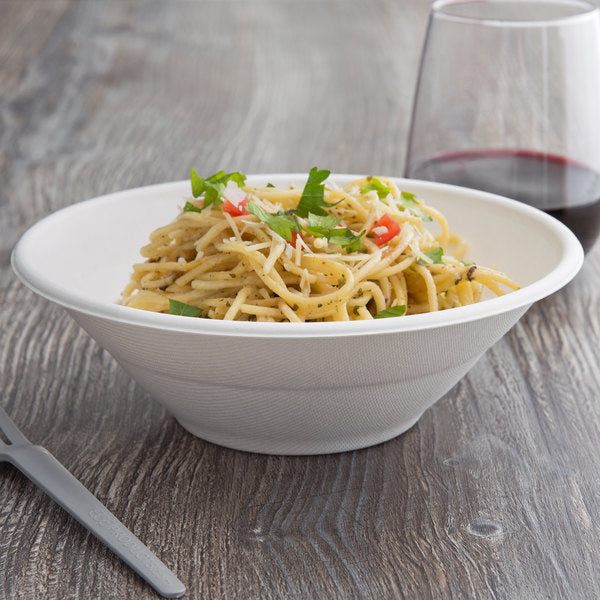
If you’re building bowl formats, start by aligning your packaging system. Options like Paper Bowl support a premium look and reliable stacking for delivery-heavy operations.
For Restaurant Owners — Keep Chickpea Falafel Crispy for Takeout & Delivery
The #1 enemy is steam (why falafel turns soft in transit)
Falafel crispness dies in airtight steam. Hot falafel releases moisture; sealed containers trap it; condensation forms; the crust softens. Customers won’t describe this as “steam.” They’ll say: “It was soggy,” “It was mushy,” “It didn’t travel well.” Even worse: they may assume you served old food.
If you want falafel to win in delivery, treat packaging as part of your frying process. The goal is controlled moisture, not total sealing.
Separation rules: falafel vs wet toppings vs sauces
A simple separation strategy fixes most takeout failures:
- Keep falafel separate from wet toppings (salads with dressing, tomatoes, pickles)
- Keep sauces sealed and separate until the customer eats
- Avoid stacking falafel tightly give it airflow
- If serving a platter, place wet items in a separate compartment or cup
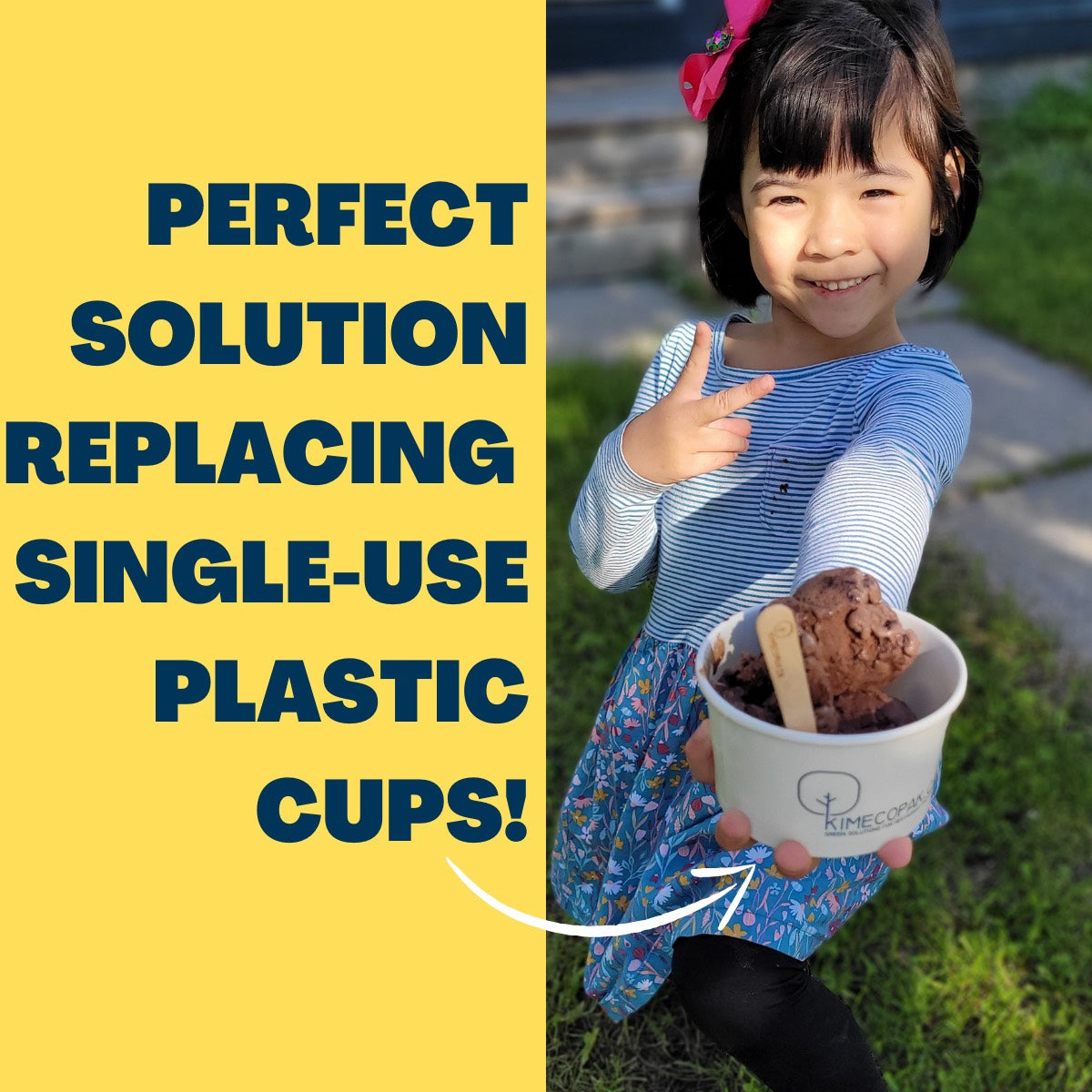
This is why portion cups are such a high-impact tool: they stop leaks and keep wet elements away from crisp items. For sauces and wet add-ons, use Disposable Portion Cups to protect texture and reduce bag mess.
GET FREE SAMPLES PACKAGING HERE!
Sauce control: portion sizing, lids, labeling, leak prevention
Sauce is where money quietly disappears. “Extra tahini” and “extra garlic sauce” add up fast. Standardize portion sizes so you can control cost and reduce inconsistency. The second benefit is customer satisfaction: when sauce portions are consistent, customers know what to expect, and fewer complain about “too dry” or “too messy.”
Practical approach:
- One standard sauce cup per order
- Optional paid extra cup
- Lids that seal reliably
- Labels: “Tahini,” “Garlic,” “Spicy,” etc.
If you’re choosing a baseline size for dips and drizzles, 2 oz Clear Portion Cups are a common starting point that balances customer satisfaction and cost control.
Venting + liners: simple packaging principles to preserve crispness
To keep falafel crisp, you need a container setup that manages oil and steam:
- Venting prevents condensation from destroying crust
- Liners absorb excess oil without trapping too much moisture
- Structure prevents crushing and keeps presentation intact
If you’re serving falafel in bowls or mixed platters, choose a container that holds up under heat, stacking, and travel. Review Paper Container options that support hot foods while maintaining a more premium, eco-forward look.
A 7-step packing SOP your team can follow in rush hour
Here’s a fast SOP that doesn’t slow service:
- Falafel last: fry, drain briefly, and pack immediately (don’t let it sit and sweat)
- Avoid airtight trapping: choose a setup that allows moisture to escape
- Keep sauces sealed: portion cups, lidded, labeled
- Separate wet items: pickles, dressed salads, saucy slaws in cups/compartments
- Stack smart: falafel shouldn’t be crushed under heavier items
- Travel-time logic: for longer delivery, prioritize venting and separation
- Customer instruction: “Sauce on side—dip to keep it crispy.”
FAQs about Falafel and Chickpeas

Is falafel made from chickpeas or fava beans?
Both exist. Many falafel styles are made from chickpeas, while some traditions use fava beans, and some kitchens use a blend. The best choice is the one you can execute consistently and communicate clearly on the menu.
Can you use canned chickpeas for falafel?
You can, but canned chickpeas are cooked and tend to create a softer, denser mixture that may require binders and can absorb more oil. For classic fluffy texture, soaked dried chickpeas usually perform better.
Why do you soak chickpeas for falafel?
Soaking hydrates chickpeas without cooking them, helping you grind them into a mixture that holds together while staying light. This supports a crisp exterior and a fluffy interior after frying.
Is falafel healthy?
Falafel is widely viewed as a plant-based protein option made from legumes and herbs. Healthiness depends on portion size and cooking method. Fried falafel will generally be higher in calories than baked, but both can fit into a balanced menu when served with vegetables and controlled sauces.
What does chickpea falafel taste like?
Chickpea falafel typically tastes nutty and earthy with fresh herbs and warm spices. It’s savory, aromatic, and pairs well with tahini, garlic sauce, pickles, and salads.
How do you keep falafel crispy for takeout?
Keep sauces sealed and separate, isolate wet toppings, and avoid trapping steam in airtight containers. Use venting and a structured container that prevents crushing. A consistent sauce-cup system also reduces leaks and keeps the wrap or bowl from getting soggy.
Conclusion — The Chickpea-to-Delivery Success Formula
Falafel quality starts with the chickpea decision and ends in the customer’s hands. When chickpeas are handled correctly, falafel achieves the texture people crave: crisp outside, fluffy inside, aromatic and satisfying. When shortcuts, inconsistency, or steam damage take over, falafel becomes soggy or dry—and customers don’t reorder.