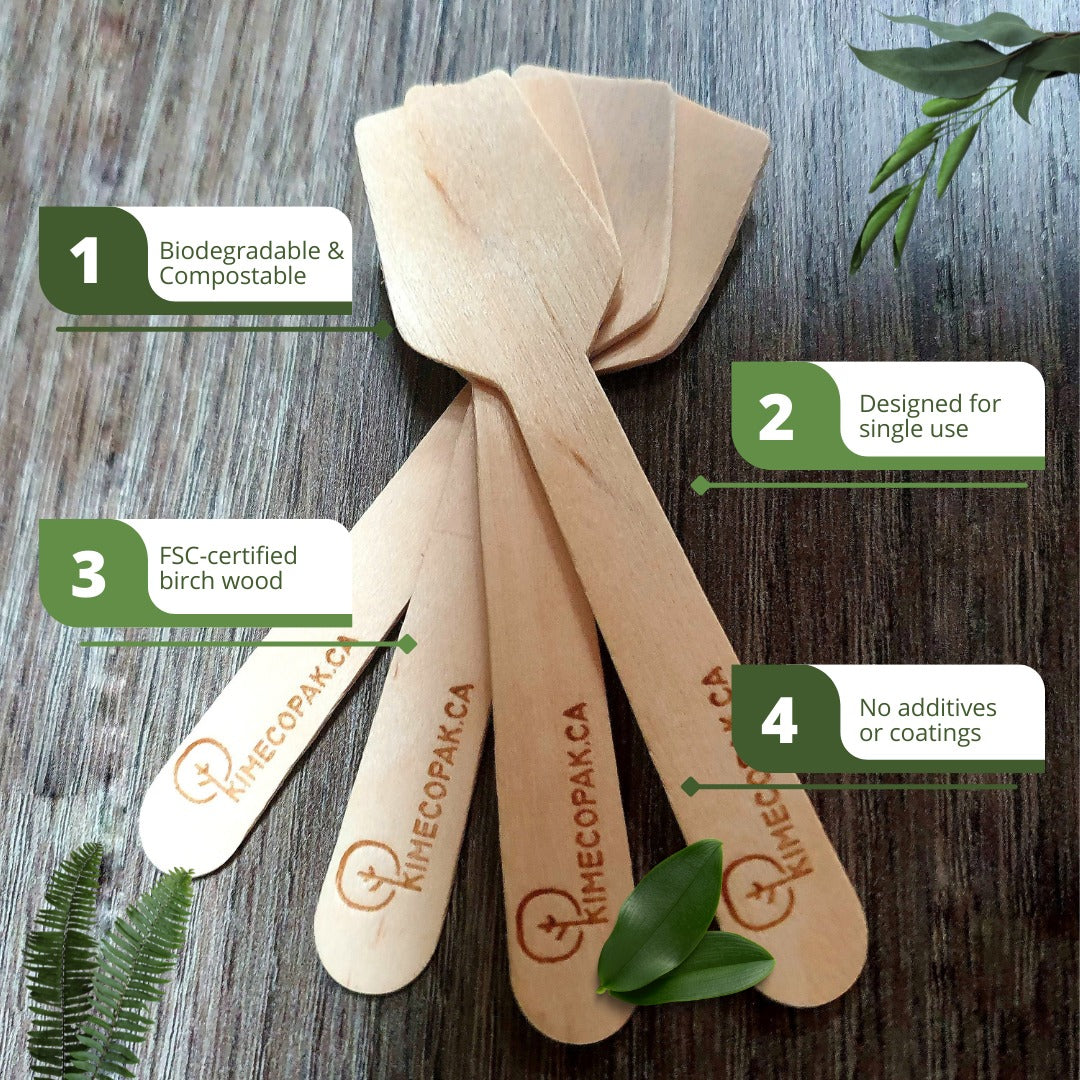
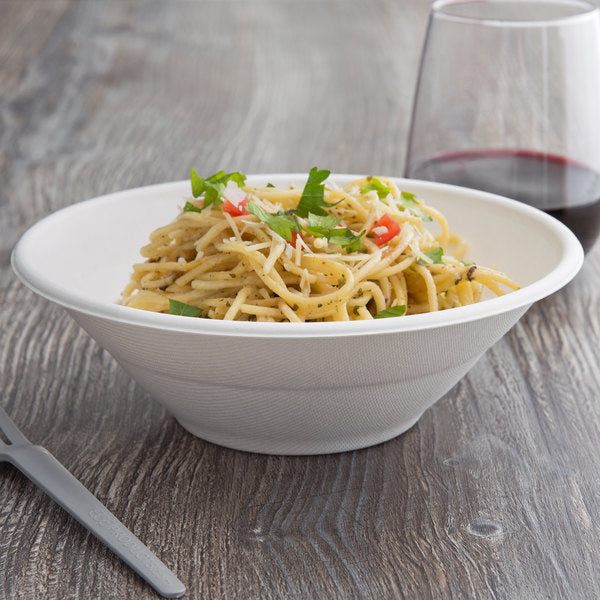
Falafel has one of the rarest success stories in food and the history of Falafel is exactly why it continues to win on modern menus. From its roots as a street-food staple to its global rise as a plant-based favorite, this story isn’t just cultural; it’s operationally useful for Canadian restaurants, cafés, bakeries with savory programs, and caterers. At kimecopak, we help food businesses across Canada package items like falafel so they travel well, stay crisp, and look premium reducing refunds while strengthening brand consistency. If you’re not a restaurant owner, please share this article with friends who run a restaurant.
- Shawarma and Falafel: What’s the Difference (and Which Works Best for Takeout)?
- Difference Between Ta’ameya and Falafel (Canada Guide for Food Businesses)
What is falafel? (and why it matters)

Falafel is a fried (or sometimes baked) ball or patty made from ground legumes most commonly fava beans in parts of Egypt, and chickpeas in many Levantine styles mixed with herbs, aromatics, and spices. It’s typically served as street food in a sandwich (pita or flatbread) or as part of a platter with dips, salad, and pickles.
For a deeper internal primer your team can use for staff training or menu copy, see: Falafel: Everything You Need to Know
Falafel vs “ta’ameya” (naming you’ll see)
If you operate in a Canadian city with a diverse Middle Eastern and North African dining scene, you’ll likely see both “falafel” and “ta’ameya” (or “ta‘amiya”) used. In many contexts:
- Ta’ameya often refers to the Egyptian fava-bean version
- Falafel is the more globally recognized name and commonly chickpea-based in Levantine contexts
That said, naming varies by region, diaspora community, and restaurant positioning. The key is to choose a naming strategy that reflects your product and is understandable to your market.
Why falafel became a street-food staple (simple, filling, scalable)
Falafel is built for street-food economics:
- Legumes are relatively affordable, especially compared to meat proteins
- The mix can be prepared in volume
- Portions are easy to standardize
- The eating format is fast (handheld sandwich or simple platter)
Operator note: Falafel’s “history” is also a business model. It’s one of the original high-volume, low-ingredient-count foods that still feels premium when paired with dips, herbs, pickles, and warm bread.
Where did falafel originate? What historians agree on
Falafel’s origin story is widely discussed, sometimes heatedly debated, and often oversimplified online. Many popular narratives say falafel is “ancient,” but serious historical discussion is more careful: falafel is strongly associated with Egypt and later becomes deeply integrated into Levantine street-food culture, but pinning down a single, definitive “first falafel” moment is difficult.
The strongest origin case: Egypt (and why certainty is hard)
The most common scholarly and food-history framing points to Egypt as the likely origin of falafel in a form that resembles what we recognize today—especially with the fava-bean version. However, early documentation is inconsistent, and much of food history is transmitted through practice rather than written records. That’s why good history writing usually says “likely” rather than “proven.”
Operator note: Customers love origin stories, but they also dislike overconfident claims that feel like marketing myths. If you use an origin story in your branding, use careful language: “inspired by,” “rooted in,” or “commonly traced to.”
Myth-busting “ancient Pharaoh” claims (what evidence supports instead)
You’ll see claims that falafel dates back to ancient Egypt and was eaten by Pharaohs. The problem isn’t that Egypt lacks deep culinary history—it’s that the specific claim is rarely supported with reliable evidence. Frying in large quantities also requires access to oil and infrastructure that may not match the simplistic “Pharaoh-era street snack” narrative.
A stronger approach is to treat “ancient” stories as cultural mythology rather than documented history—and then focus on what we can say confidently: falafel is a regional staple that becomes widely popular in the modern era through urban street-food culture.
Operator note: Myth-busting can actually build trust. A short “What’s fact vs legend?” paragraph in your menu story makes your brand feel informed and respectful.
Operator note: how “origin stories” influence customer expectations
In Canada, “authenticity” expectations vary by audience:
- Some customers want a traditional experience (texture, herbs, spice profile)
- Others want a familiar fast-casual format
- Plant-based diners often look for clarity: vegan, dairy-free sauces, gluten-free options
Your history section should support your positioning:
- If you serve fava-based falafel, that’s a differentiator—say it clearly
- If you serve chickpea-based falafel, focus on herbs/spices and freshness
- If you serve a modern baked falafel, frame it as a contemporary take
The timeline: How falafel spread from Egypt to the Levant and beyond
Falafel’s rise is best understood as a timeline of adaptation: a staple moves through regions, ingredients shift based on availability and local preference, and serving styles evolve with urban street-food systems.

Migration route and ingredient shift (fava → chickpea in many regions)
One of the most recognizable evolutions is ingredient base:
- Egyptian styles often feature fava beans (ta’ameya)
- Many Levantine styles commonly use chickpeas
This isn’t a “better vs worse” story. It’s a regional adaptation story, what’s available, what tastes good locally, and what fits the cooking system of the time.
Operator note: Ingredient base affects texture and customer experience. If you’re training staff, teach them how to describe the difference in a confident, simple way: “fava is lighter and greener inside,” “chickpea is nuttier and denser,” etc.
Falafel as a modern sandwich/street-food format
Falafel’s street-food success is tightly linked to its serving formats:
- Sandwiches: pita/flatbread + veg + pickles + sauces
- Plates/platters: falafel + dips + salad + bread
The sandwich became a high-speed, high-volume format, while the platter became a premium, higher-ticket meal option.
Operator note: menu wording that signals authenticity without over-claiming
Instead of claiming “the original,” consider language that signals knowledge:
- “Egyptian-style fava falafel (ta’ameya)”
- “Levantine chickpea falafel with herbs”
- “House blend inspired by regional street-food traditions”
This gives customers confidence and reduces the risk of cultural overreach.
Regional variations that shaped today’s falafel
Falafel is not one “standard” recipe globally. Regional variations are part of its identity and they’re a real business advantage because they let you differentiate your menu.
Egypt: fava-bean style (texture + flavor profile)
Egyptian ta’ameya (fava-based) is often greener inside due to herbs and the legume base. Many people describe it as:
- Lighter texture
- Strong herb aroma
- Crisp exterior, soft interior
From an operations standpoint, your fava-based falafel can be positioned as a signature item—especially in Canadian markets where customers may only know chickpea falafel.
Levant: chickpea style (texture + spice/herb profile)
Chickpea-based falafel is widely recognized internationally. It often presents as:
- Slightly denser bite
- Nutty flavor
- Warm spices and aromatics
For customers, this is the “default expectation,” which makes it a reliable seller. But it also means you need to differentiate through freshness, sauce quality, and presentation.
If you want a clean pairing story (and a useful upsell narrative), reference: Falafel and Hummus: Best Ways to Serve Together
Shapes, herbs, and serving traditions
Falafel may be balls, patties, or slightly flattened discs. That choice isn’t only aesthetic:
- Patties can cook more evenly and stack well in sandwiches
- Balls can feel more traditional in some contexts and work well for platters
- Herb intensity shifts the “green interior” look and perceived freshness
Serving traditions also vary:
- Some focus on sandwich speed
- Others emphasize mezze-style spreads and shared plates
Operator note: how to position “regional” falafel on your menu
If you’re building a falafel program for a café or a bakery lunch menu, don’t overcomplicate it. Pick one clear identity:
- Street sandwich concept (fast, affordable, lunch-friendly)
- Falafel platter concept (premium, higher ticket, catering-ready)
- Hybrid (one sandwich + one platter, shared ingredient base)
Then build consistency around that identity: portioning, sauce lineup, packaging, and upsells.
The politics of falafel and “who owns it”

Falafel has, in modern times, become more than a food. It can be used as a cultural symbol, and discussions about “ownership” can become emotionally charged. For a Canadian business, the goal isn’t to wade into arguments, it’s to speak respectfully and accurately.
Why falafel became a symbol in national cuisines
Falafel is tied to identity because it’s:
- Ubiquitous and accessible
- Associated with everyday life (street food)
- Widely loved across communities
- Easy to claim as “ours” in modern narratives
How to discuss culture respectfully in your brand voice
A safe and respectful approach:
- Credit regions without exclusivity (“popular across the Middle East,” “roots in Egypt and the Levant”)
- Avoid “invented by X people” claims unless you’re deeply certain and prepared to support it
- Focus on what you serve and how you serve it
Operator note: avoiding backlash while still telling a compelling story
Your brand story can be compelling without controversy:
- Emphasize craftsmanship: herbs, spices, fresh frying, crispness
- Emphasize hospitality: generous platters, fresh bread, house sauces
- Emphasize community: “street-food comfort” and shared meals
How falafel became global (Europe/North America and plant-based demand)
Falafel’s global rise accelerated when migration brought street-food traditions to new cities and later when vegetarian and plant-based demand surged.
Migration, street carts, and mainstream adoption
Falafel’s format made it easy to sell in urban environments:
- Fast service
- Handheld sandwich
- Low-cost ingredients
- High perceived value when paired with toppings
In Canada, falafel has become a familiar menu item in food courts, fast casual, and independent restaurants often serving as a “default” plant-based option.
Vegetarian/vegan growth and fast-casual fit
Falafel benefits from modern dietary trends:
- Naturally plant-based when sauces are dairy-free
- Works with bowls, salads, wraps, and platters
- Can be positioned as “better-for-you” without losing comfort-food appeal
Operator note: Plant-based demand increases your need for clarity. Customers will ask: vegan? gluten-free? sesame? Your labeling and packaging inserts should support these expectations.
International Falafel Day (new key topic)
International Falafel Day is a modern celebration that highlights falafel’s global popularity and social-media-friendly status. For food businesses, it’s also a smart seasonal marketing hook—because it creates a reason to run:
- Limited-time platter bundles
- “Buy one, add extra dip” promotions
- Catering trays for offices
- Social content around falafel history and regional styles
Operator note: Treat International Falafel Day like a mini-campaign:
- Create one hero product (sandwich or platter)
- Add one upsell pack (extra hummus/tahini)
- Bundle with sides that travel well
- Use consistent packaging so photos look clean and branded
This is a great moment to connect story + sales: “Here’s the history, here’s our style, here’s the limited-time combo.”
Takeout reality—what history didn’t need, but modern falafel does
Traditional street food was eaten quickly. Modern falafel is often delivered. That changes everything—especially texture.
The crispness problem (steam, condensation, holding time)
Falafel’s #1 takeout problem is steam. Pack falafel too hot, seal too tightly, or hold too long and the crisp exterior softens fast.
Operational fixes:
- Fry closer to pickup times
- Avoid stacking falafel directly on wet salad
- Use packaging that separates components
- Standardize “build order” so staff don’t improvise
If your falafel is breaking apart or not holding structure, solve the root cause first. This internal troubleshooting guide is ideal for training: 12 Costly Errors That Make Falafel Fall Apart
Sauce + salad leakage problems (tahini, hummus, pickles)
Tahini and hummus are delicious—and messy. In delivery, they’re also the top cause of bag spills, smearing, and customer frustration.
The rule: all sauces and wet sides must be sealed.
That means standardizing a lidded portion cup system rather than improvising.
A reliable starting point is: Portion Cups with Lids
Packaging system basics (separation + lidded cups + stable trays)
A modern falafel takeout system needs:
- A stable base (tray/plate) that presents cleanly
- Sealed portion cups for dips and wet sides
- A build layout that prevents cross-mixing
- Labeling that reduces confusion (especially for catering)
For platter bases and catering builds, start with: Disposable Plates
Operator packaging checklist (fast and practical)
- Dips always lidded and not overfilled
- Falafel kept away from wet salad
- Bread separated from wet items
- Tray stable in the bag (no tilt)
- Label: “tahini,” “hummus,” “spicy,” “vegan,” etc.
If you’re selling falafel in takeout, delivery, or catering, packaging is not a cost, it’s a quality control system. GET FREE SAMPLES NOW to test packaging with your real menu.
FAQs: History of Falafel

Is falafel Egyptian or Middle Eastern?
Falafel is widely considered a Middle Eastern staple and is commonly traced to Egypt in many histories, while it became deeply integrated into Levantine street-food culture and spread globally from there. Different regions have their own versions, which is part of falafel’s identity.
What is the origin of the word “falafel”?
“Falafel” is commonly explained as a plural form used in Arabic, and it became the internationally recognized name as the food spread across regions and languages. In Egypt, you may also see “ta’ameya” used for fava-based versions.
Why is falafel made with fava beans in Egypt and chickpeas elsewhere?
Ingredient base often reflects regional availability and preference. In Egypt, fava beans are common in ta’ameya. In many Levantine styles, chickpeas are more common. Both versions are “authentic” within their regional traditions.
When did falafel become popular worldwide?
Falafel became widely recognized internationally as Middle Eastern diaspora communities established restaurants and street-food businesses in Europe and North America. Its global popularity accelerated further as plant-based eating grew and falafel became a mainstream vegetarian/vegan option.
Is falafel traditionally vegan?
Falafel itself is typically vegan (legumes, herbs, spices). However, sauces and toppings can include dairy (like yogurt-based sauces) depending on the restaurant. Vegan positioning is strongest when you label clearly and offer dairy-free sauces.
Conclusion
Falafel’s history is best understood as a regional street-food staple that evolved through migration, ingredient adaptation, and modern urban eating habits. It’s connected to Egypt and the Levant through different versions, then becomes a global icon because it’s affordable, filling, and naturally plant-forward.
If you’re building a falafel program in Canada, the best way to respect falafel’s history is not just to tell the story, it’s to deliver the experience consistently: crisp, fresh, cleanly packaged, and branded like you mean it.