Tapas – the small, flavorful dishes originating from Spain have become a global culinary phenomenon, especially popular in takeout and catering services. With their variety of flavors and convenience, tapas not only offer a rich dining experience but also perfectly align with modern eating trends. However, alongside the rapid growth of the takeout market, choosing the right packaging that both preserves the quality of the food and is environmentally friendly has become a crucial challenge for restaurants and businesses.
In this article, we will explore the most popular types of tapas in 2026 and sustainable packaging solutions that help elevate your brand while protecting the planet.
-
Discover the Most Unique Types of Tacos You Must Try in Mexico
-
Guideline to Create the Perfect & Profitable Bar Food Menu
What Are Tapas?
Tapas are small, savory dishes that originated in Spain, historically served as snacks or appetizers to accompany drinks. The word “tapa” means “cover” or “lid” in Spanish, referring to the original practice of covering drinks with small plates of food to prevent dust or insects from getting in. Over time, tapas evolved into a sophisticated culinary tradition, with restaurants offering elaborate small plates that combine to form a complete meal.
In Central America, similar small plates are known as bocas, and many countries have adapted tapas with local flavors and ingredients. Today, tapas are enjoyed worldwide, from Spanish tapas bars in Madrid to high-end restaurants in New York, London, and Tokyo.
Why Tapas Are Perfect for Takeout in 2026
Tapas have become a takeout and catering favorite due to several key factors:
- Variety – Tapas provide multiple flavors and textures in one meal, appealing to diverse tastes.
- Convenience – Small plates are easy to package, portion, and serve, making them ideal for delivery and events.
- Customizable Menus – Tapas can cater to dietary preferences, including vegan, vegetarian, gluten-free, and low-carb options.
- Social and Visual Appeal – Tapas are colorful and Instagram-worthy, which drives social media engagement and customer interest.
In 2026, restaurants and caterers are capitalizing on these benefits to meet growing consumer demand for shareable, convenient, and visually stunning meals.

Most Popular Types of Tapas in 2026
Tapas can be broadly categorized into cold, hot, and vegetarian options, with each category offering endless variations for taste, texture, and presentation.
Cold Tapas
- Olives: Marinated or spiced, olives remain a classic cold tapa, often served with herbs or citrus zest for added flavor.
- Cheeses: Varieties like Manchego or Idiazabal are popular, offering rich, creamy textures perfect for pairing with wines.
- Anchovies: Salt-cured or grilled, anchovies are a salty, umami-rich option often served with olive oil and bread.
Hot Tapas
- Meatballs (Albondigas): Juicy meatballs typically cooked in a rich tomato sauce or with chorizo, a hearty and comforting choice.
- Calamari (Calamares): Fried squid rings, crispy on the outside and tender inside, often served with aioli or lemon.
- Patatas Bravas: Fried potato cubes topped with a spicy tomato sauce and garlic aioli; a perennial favorite with a popular vegan sauce variant in 2026.
Vegetarian Tapas
- Grilled Vegetables: Seasonal vegetables like peppers, zucchini, and eggplant, often charred and drizzled with olive oil and herbs.
- Mushrooms: Garlic mushrooms cooked with smoked paprika and sherry, a flavorful and low-carb option.
- Chickpeas (Espinacas con Garbanzos): Spinach and chickpeas cooked with smoked paprika and sherry vinegar, a protein-rich dish rooted in Andalusian tradition.

Common Tapas Takeout Packaging Challenges
Specific Packaging Needs by Tapas Type
- Cold Tapas: Require packaging that maintains freshness and prevents moisture buildup, such as ventilated containers to avoid sogginess.
- Hot Tapas: Need heat-retentive, leak-proof containers with shock absorption to keep items like meatballs and calamari warm and intact during transit.
- Vegetarian Tapas: Often include delicate ingredients like grilled vegetables or mushrooms that require gentle handling and moisture control to preserve texture.
Common Packaging Challenges
- Soggy Texture: Poor ventilation or moisture retention can cause crispy items like patatas bravas or fried calamari to become soggy, diminishing quality.
- Spills and Leaks: Sauces and oily dishes risk leaking if packaging is not properly sealed or leak-resistant, leading to messy deliveries and unhappy customers.
- Temperature Control: Maintaining appropriate temperatures for hot and cold tapas is critical; inadequate insulation can result in cold or overheated food.
- Shock Absorption: Tapas often include delicate elements that can be crushed or displaced if packaging lacks structural integrity or cushioning.
Impact of Poor Packaging
Using substandard packaging can lead to a negative customer experience due to compromised food quality, including texture loss, spills, and unappealing presentation, which can harm brand reputation and repeat business.

Best Sustainable Packaging Solutions for Each Type of Tapas
Hot Tapas
For hot tapas such as meatballs, calamari, and patatas bravas, heat-resistant kraft trays with tight-fitting lids are ideal. These trays are typically made from molded fiber or kraft paper, which can withstand high temperatures (up to around 200°F) and keep food warm without compromising sustainability. They also provide good structural integrity to protect delicate hot items during delivery.
Try our Eco-Friendly Takeout Boxes - heat-resistant and leakproof.
Cold Tapas
For olives, cheeses, and anchovies, use recycled PET containers or bagasse trays:
- Recycled PET offers clear visibility and freshness.
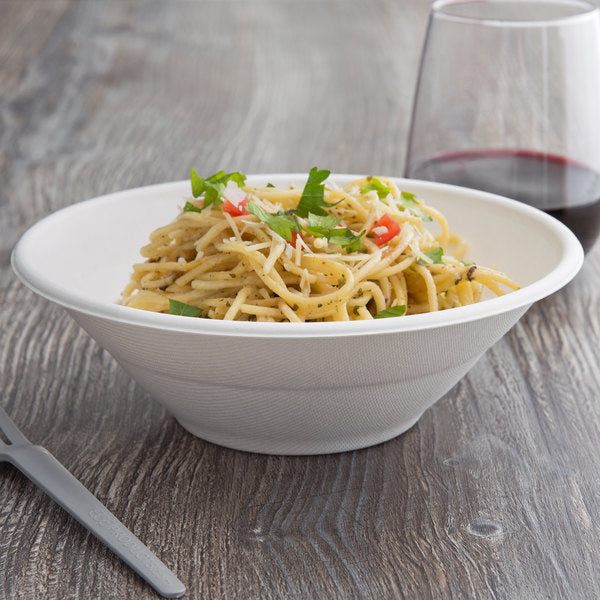
- Bagasse (sugarcane fiber) is fully compostable and food-safe.
Explore our Clamshell Boxes for stylish cold tapas presentation.
Tapas with Sauces or Oils
Tapas like patatas bravas or meatballs need leakproof sauce cups.
Choose PLA-coated paper cups or bagasse sauce pots to prevent messes.
Discover Compostable Food Containers perfect for dips and sauces.
Mixed Platters
For assortments combining various tapas types, compartmentalized trays or combo boxes made from molded fiber or bagasse are recommended. These allow separation of hot, cold, and saucy items, preserving texture and flavor while using fully compostable materials.
Branding Suggestion
Printing custom branding on kraft paper bags or trays enhances brand visibility and communicates your commitment to sustainability. Custom kraft paper packaging not only looks premium but also resonates with eco-conscious consumers, creating a positive customer experience and reinforcing your tapas business’s eco-friendly image.

Why Eco-Friendly Packaging Is the Smart Choice
Long-Term Cost Savings
Switching to sustainable packaging can reduce waste disposal fees and lower logistics costs due to lighter packaging weight. Many regions offer tax incentives and grants for businesses adopting eco-friendly materials. Over time, these savings help offset the initial higher costs of sustainable packaging.
Improved Brand Image
Eco-friendly packaging attracts environmentally conscious customers, who increasingly prefer brands that prioritize sustainability. About 45% of consumers actively seek out such brands, and 44% are willing to pay more for eco-friendly products. Using biodegradable or compostable packaging strengthens customer loyalty and differentiates your tapas business in a competitive market.
Compliance with Environmental Regulations
North America and other regions are tightening environmental regulations on single-use plastics and packaging waste. Adopting sustainable packaging now ensures compliance with current and future laws, avoiding costly penalties and positioning your business as a leader in responsible practices.

FAQs: Sustainable Tapas Packaging
Q1: What is the best eco-friendly packaging for tapas?
A: Bagasse trays or kraft boxes, they’re compostable, strong, and heat-resistant.
Q2: How do I keep tapas crispy during delivery?
A: Choose ventilated kraft boxes or sugarcane clamshells to prevent steam buildup.
Q3: Can I brand eco packaging with my restaurant’s logo?
A: Absolutely. Kimecopak offers custom printing options for bags, boxes, and sleeves.
Conclusion: Serve Tapas Responsibly in 2026
Tapas bring people together small dishes, big flavor, and endless creativity. But in 2026, how you package those dishes matters just as much as how you serve them. Sustainable packaging not only protects your food but also reflects your brand’s commitment to the planet and to your customers.
By choosing eco-friendly, compostable, and customizable packaging from Kimecopak, you’re doing more than upgrading your takeout presentation, you’re building a responsible, future-ready business.