


A continental breakfast is a light morning meal built around bread, pastries, fruit, cereal and simple beverages such as coffee, tea and juice. Unlike a traditional full English or American breakfast, it usually requires little or no cooking. Hotels often serve it as a self-service buffet because guests can choose what they want quickly and staff can replenish ready-to-serve items throughout the morning. This guide explains what the term means, which foods belong on the menu, how it differs from other hotel breakfasts, and how hospitality operators can plan a practical, well-presented service.
What Does “Continental Breakfast” Mean?
The word continental refers to mainland Europe. In hospitality, the term describes a lighter breakfast style associated with foods such as bread, rolls, pastries, butter, preserves and coffee or tea. It is commonly contrasted with the more substantial cooked breakfast traditionally associated with Britain.
The term is best understood as a hotel menu category, not a universal description of European eating habits. Breakfast traditions vary widely across countries and regions, so a continental breakfast served in a North American hotel is an adapted hospitality format rather than an exact representation of what all Europeans eat.
In practical terms, the defining feature is the service style and menu emphasis: simple, mostly ready-to-eat foods rather than a meal centred on cooked-to-order dishes. There is no single mandatory menu, and hotels may use the label differently.
Where the Term Came From—and What It Does Not Mean
The term reflects a historical contrast between lighter European-style breakfasts and the larger cooked breakfasts familiar in Britain and North America. The phrase was in use by the late nineteenth century; one historical account traces an early published reference to 1896.
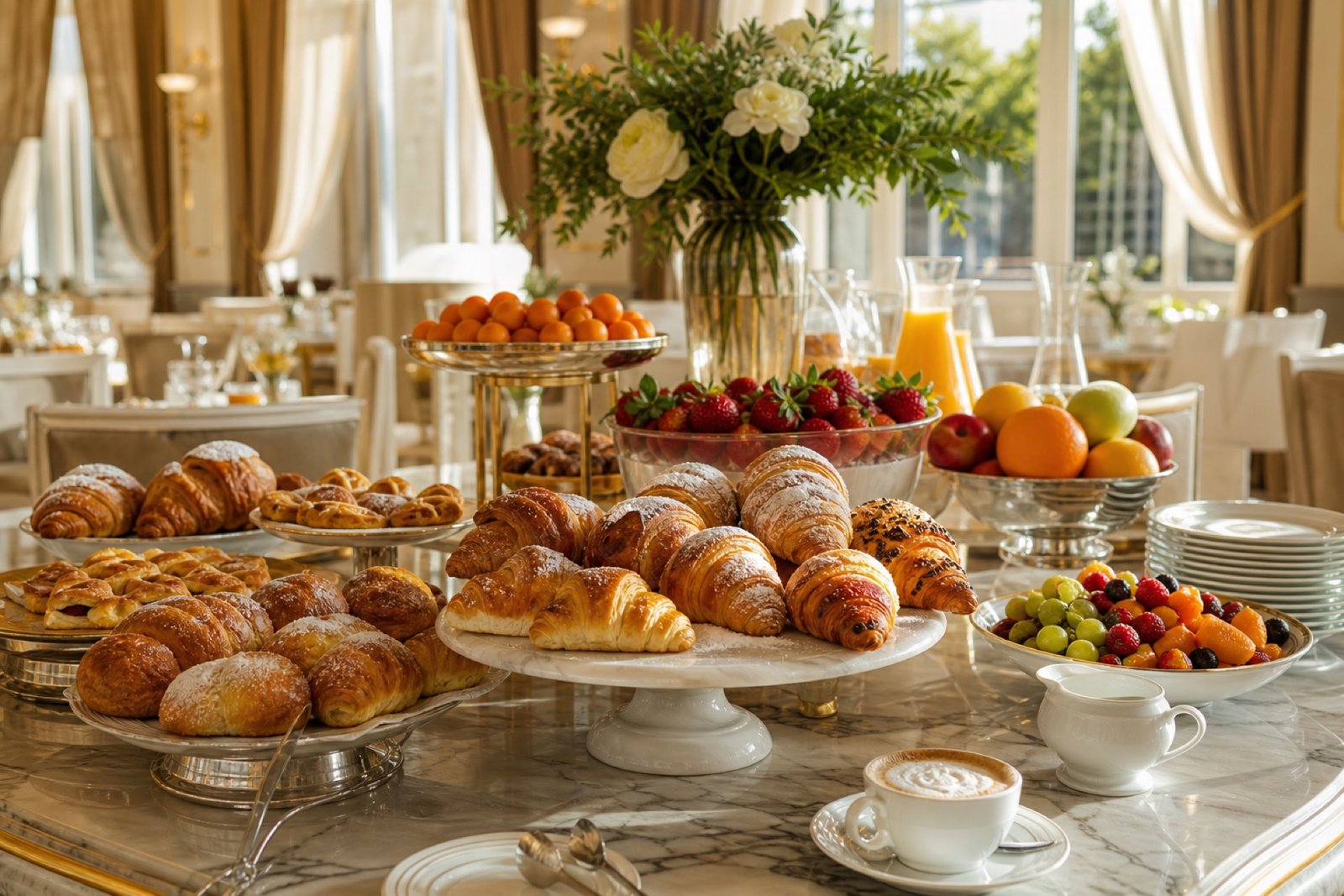
That history helps explain the name, but it should not be treated as a strict menu rule. A hotel in France, Germany or Italy may serve a very different breakfast from a hotel in Canada or the United States. The modern hospitality meaning is more consistent: a relatively light, convenient breakfast built around bakery items, cold foods and beverages.
For menu planning, this distinction matters. Guests generally expect a continental breakfast to be quick and straightforward. If the offer includes several hot entrées, made-to-order eggs or a substantial selection of breakfast meats, describing it as a hot breakfast or breakfast buffet may set clearer expectations.
What Is Usually Included in a Continental Breakfast?
A continental breakfast does not have a fixed ingredient list. Most menus combine a few familiar categories, then adjust the selection to suit the property, guest profile, available space and service budget.
| Menu category | Common options | Operator considerations |
|---|---|---|
| Bread and pastries | Croissants, muffins, bagels, toast, rolls, Danish pastries | Offer variety without overfilling the display |
| Fruit | Whole apples, bananas, oranges, grapes, seasonal cut fruit | Whole fruit needs less preparation; cut fruit needs controlled chilled storage |
| Cereals and grains | Cornflakes, granola, muesli, oatmeal | Provide suitable bowls, serving tools and clear labels |
| Dairy and alternatives | Yogurt, milk, non-dairy beverages, cheese | Keep products at the required holding conditions |
| Spreads | Butter, jam, honey, cream cheese, nut butter | Use individual portions or clean, dedicated serving utensils |
| Beverages | Coffee, tea, juice, water | Plan cup, lid, stirrer and replenishment needs |
Bakery Items Usually Set the Tone
Bread and pastries are often the most recognisable part of a continental breakfast. A small selection can feel complete when it includes different textures and formats—for example, a flaky croissant, a soft muffin and sliced bread for toasting.

Choose products around the type of guest and length of service. Individually portioned pastries can be convenient for a quick breakfast or takeaway option, while larger bakery displays may suit a hotel with a dedicated dining area.
Fruit, Yogurt and Cereal Add Choice
Fruit, yogurt and cereal help balance a pastry-led selection. They also give guests alternatives when they do not want baked goods first thing in the morning.
A practical approach is to offer a mix of whole fruit and a smaller quantity of prepared fruit, alongside one or two cereal choices and plain yogurt. Add toppings such as granola or fruit separately so guests can customise their portions.
For another breakfast menu idea, see these cottage cheese breakfast recipes.
If dairy-free choices are offered, identify them clearly and keep their serving utensils separate where needed. Do not label a buffet item as allergen-free unless ingredients and cross-contact risks have been properly assessed.
Coffee, Tea and Juice Complete the Offer
Beverages are an important part of the experience. A basic station may include regular coffee, tea, water and one juice option. Larger properties may add decaffeinated coffee, multiple juices, milk and non-dairy alternatives.
Plan the beverage area as its own service point when possible. Guests collecting coffee may take longer than guests picking up a pastry, so placing drinks at the end of a narrow food line can create unnecessary congestion.
Continental Breakfast vs. Other Hotel Breakfast Types
The main difference is the style and extent of the food offering—not whether guests serve themselves.

| Breakfast type | Typical menu | Preparation level | What guests generally expect |
|---|---|---|---|
| Continental breakfast | Bread, pastries, fruit, cereal, yogurt, coffee and tea | Mostly ready to serve | A light, convenient meal |
| Deluxe continental breakfast | Continental items plus selected hot or premium options | Some additional preparation | More variety while retaining a light-breakfast format |
| American breakfast | Eggs, breakfast meat, potatoes, pancakes or waffles, toast and beverages | Often requires cooking or reheating | A more substantial meal |
| Full English breakfast | Eggs, bacon, sausage, beans, tomatoes, mushrooms and toast | Cooked meal preparation | A hearty traditional breakfast |
| Breakfast buffet | Any combination of hot and cold foods | Depends on the menu | A self-service format, not a specific menu |
A breakfast buffet can be continental, American, English or a combination. The word buffet describes how food is presented and served; continental describes the general menu style.
Is a Deluxe Continental Breakfast Different?
“Deluxe continental breakfast” is not a universally standardised category. Hotels commonly use the phrase to signal a broader selection, upgraded bakery items, more fruit, additional dairy choices or a limited number of hot foods.
The label is less important than the actual offer. A short menu description on the hotel website or booking page should make it clear whether guests can expect pastries and coffee only, a broader cold buffet, or hot breakfast options.
How Hotels Can Plan a Continental Breakfast
A good continental breakfast is not simply a large number of items on a table. It is a menu that guests can understand, staff can replenish and the business can manage without unnecessary waste.
1. Build the Menu Around Guest Demand
Start with the guest profile and service pattern. A business hotel with early departures may need a fast, portable offer. A family-oriented property may need more fruit, cereal, milk and child-friendly choices. A smaller inn may prefer a compact spread that is easy to maintain.
Before adding another menu item, consider:
- Whether guests have requested it or regularly select similar items.
- Whether it requires extra preparation, equipment or staff attention.
- Whether it creates a meaningful choice that the current menu lacks.
- Whether the product can be stored and replenished safely.
- Whether the expected demand justifies the purchase and waste risk.
2. Estimate Participation Instead of Using Room Count Alone
Occupied rooms do not tell the whole story. Some guests skip breakfast, leave before service begins or eat elsewhere. Use the number of eligible guests and the property's own participation history to estimate demand.
A simple planning model is:
Expected breakfast covers = Eligible guests × historical participation rate
For example, if 80 guests are eligible and the property's recorded participation rate is 60%, the initial estimate is 48 breakfast covers. This is a planning estimate, not a guarantee. Adjust it for weekday patterns, weekends, events, seasonality and changes in guest mix.
Track actual consumption by item over time. The number of croissants taken, for example, may differ considerably from the number of yogurt portions used.
3. Organise the Buffet to Reduce Queues
A clear layout makes the buffet easier to navigate and easier to supervise. Group items by how guests use them rather than arranging products wherever counter space happens to be available.
A practical sequence might be:
- Plates, bowls and napkins.
- Bakery items and toaster.
- Spreads and condiments.
- Cereal, yogurt and fruit.
- Any hot items, if offered.
- Coffee, tea, juice and other beverages.
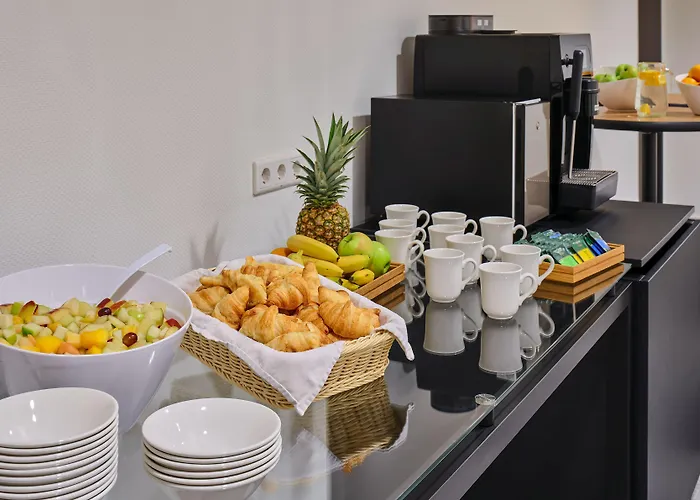
If space permits, separate the beverage station from the main food route. Place frequently used items such as cups, napkins and sweeteners where guests can reach them without blocking the rest of the line.
4. Replenish in Smaller Batches
Large displays may look generous at opening time, but they can lead to unnecessary exposure and waste. Use smaller trays or containers and refill them as demand becomes clearer.
Staff should have a simple replenishment routine that covers:
- Checking product levels at set intervals.
- Replacing empty or unsuitable serving utensils.
- Cleaning spills promptly.
- Removing items that have exceeded the operation's approved display time.
- Keeping backup stock under the correct storage conditions.
- Recording items that are repeatedly left over.
For pastries, review the display quantity as service approaches its end. A smaller, tidy selection is often more practical than keeping every tray full until closing.
5. Use Clear Labels and Manage Dietary Information
Labels should identify the food clearly and help guests make informed choices. Depending on the menu, this may include product names, major allergens, vegetarian options, dairy-free alternatives and decaffeinated beverages.
Do not rely on a label alone to manage food allergies. Shared tongs, crumbs in a toaster, utensils moved between containers and spills can all create cross-contact risks. Staff should know where ingredient information is kept and should never guess when a guest asks about an allergen.
Packaging for Guests Who Take Breakfast to Go
Some guests need to leave before they can sit down for breakfast. Hotels may offer a takeaway option with a pastry, fruit and a beverage, or prepare a simple breakfast bag for early departures.
If your hotel, café or bakery is reviewing packaging for pastries, breakfast items or takeaway drinks, explore eco-conscious packaging solutions at KimEcopak and match the format to your actual menu and service needs.
Choose packaging according to the food and the journey rather than appearance alone. Consider whether the item is dry or moist, whether it needs ventilation, whether it will be carried with a hot drink, and how long it may remain packed before consumption.
KimEcopak offers bakery bags, food packaging, and paper cups and lids. Material names alone do not establish whether a package is recyclable, compostable or suitable for every food.
FAQs
Is a continental breakfast always included in a hotel stay?
No. Some hotels include breakfast in the room rate, while others offer it as a paid add-on or include it only in selected packages. Guests should check the booking details to confirm what is covered.
Does a continental breakfast include eggs?
Not necessarily. A traditional continental breakfast is generally centred on bread, pastries, fruit, cereal and beverages. Some hotels add hard-boiled eggs or other simple protein options, while a menu with several cooked egg dishes may be better described as a hot breakfast.
Can a continental breakfast include hot food?
Yes, but the term is usually associated with a lighter selection that requires little cooking. Hotels sometimes use “deluxe continental breakfast” for an expanded menu with a limited number of hot items. Because the term is not standardised, the actual menu should be described clearly.
What is the difference between a continental breakfast and a breakfast buffet?
A continental breakfast describes the general type of food offered. A breakfast buffet describes the way food is presented for self-service. A buffet can serve continental items, hot breakfast dishes or a combination of both.
What should a small hotel serve for a basic continental breakfast?
A small hotel can start with a few bakery choices, whole fruit, cereal, yogurt, coffee, tea and juice. The right selection depends on guest demand, available refrigeration, service space and staffing. Review consumption and leftovers before expanding the menu.
Conclusion
A continental breakfast is a light, convenient breakfast built around bakery items, fruit, cereal and beverages. For hospitality operators, the strongest offer is not necessarily the largest one. Choose foods that suit your guests, organise the buffet for easy movement, replenish in manageable quantities and maintain safe storage and display practices. Track what guests actually eat, then refine the menu around demand rather than assumptions.


