Veggie burger and vegan burger are among the most popular plant-based food options today. As consumers shift toward healthier and more sustainable eating habits, plant-based burgers have become a staple for vegetarians, vegans, and flexitarians alike.
This guide explains everything you need to know about veggie burgers and vegan burgers, from ingredients and nutrition to cooking methods, health benefits, and sustainability.
- 30+ Burger Toppings That Will Blow Your Mind – From Classic to Gourmet vs Keto-Friendly Ideas
- Is a Burger a Sandwich? Breaking Down Sandwich vs Burger
- How to Stack a Perfect Burger: Step by Step Guide from Basic to Advanced
What Is a Veggie Burger and Vegan Burger?

A veggie burger is a meatless burger patty made primarily from vegetables, legumes, grains, and plant-based protein sources. Depending on the recipe or brand, veggie burgers may include animal-derived ingredients such as eggs or dairy, which are commonly used as binders to improve texture and structural integrity.
A vegan burger, by contrast, is entirely plant-based and contains no animal products of any kind. Vegan burgers rely on ingredients like beans, lentils, soy protein, pea protein, flaxseed, or starches to achieve binding and consistency, making them suitable for individuals following a vegan or fully plant-based lifestyle.
Veggie Burger vs Vegan Burger: Key Differences
Although the terms are often used interchangeably, there are important distinctions between veggie burgers and vegan burgers:
-
Veggie burgers may contain eggs, cheese, or dairy-based ingredients
-
Vegan burgers are 100% free from animal-derived products
-
Not all veggie burgers are suitable for vegans
-
Ingredient labels should always be checked carefully
Understanding these differences is especially important for consumers with dietary restrictions or ethical considerations.
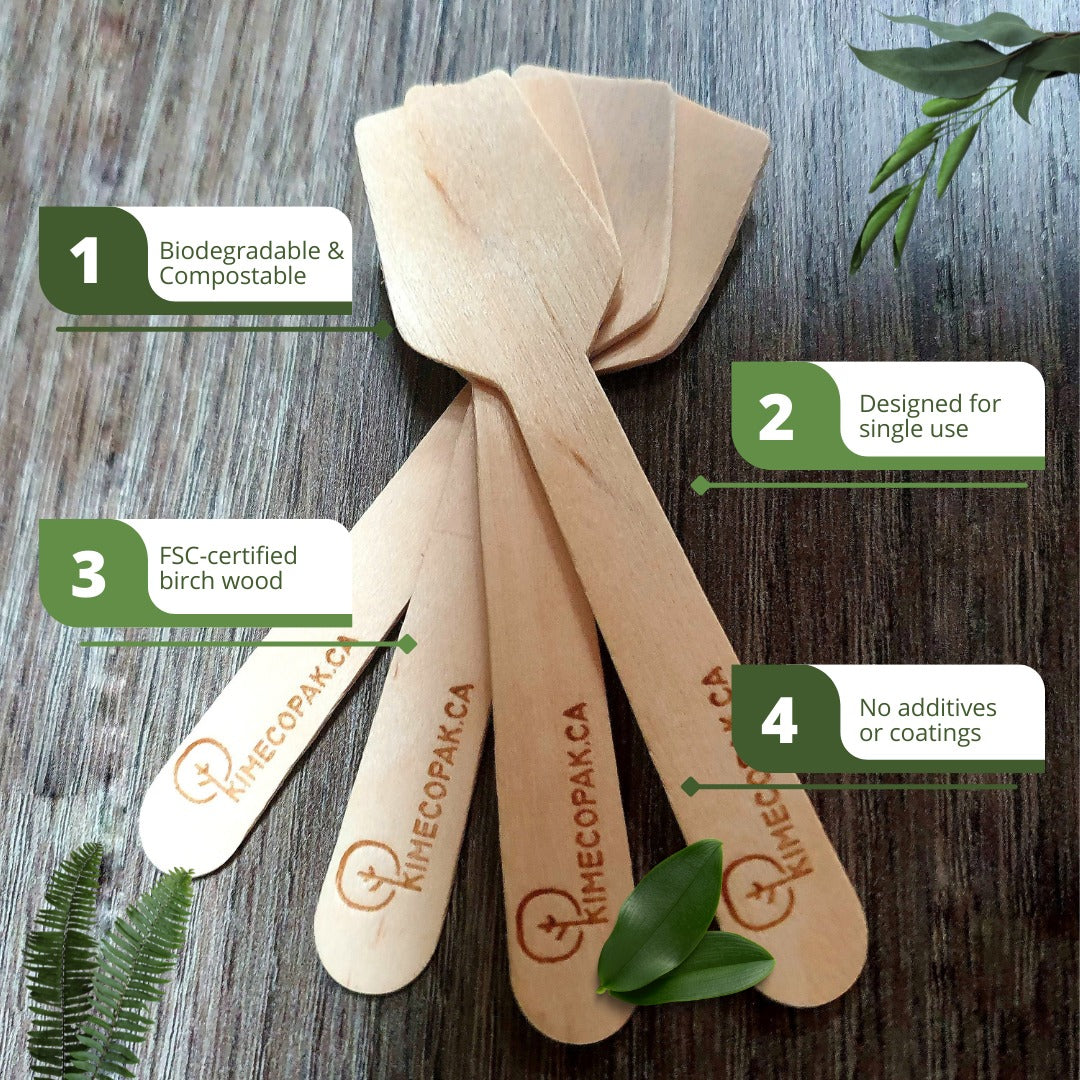
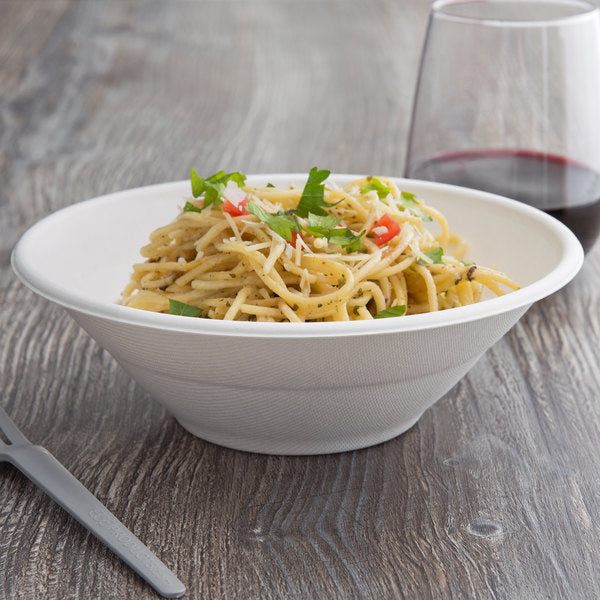
Choose eco-friendly packaging to serve veggie burgers in a way that reflects your plant-based and sustainable values.
History and Evolution of Veggie Burgers

The concept of the veggie burger originated in early vegetarian communities, where simple combinations of mashed beans, cooked grains, and vegetables were shaped into patties as a meat substitute. These early veggie burgers focused primarily on nutrition and affordability rather than taste or texture.
As plant-based diets gained popularity, food science and culinary innovation dramatically transformed veggie burgers. Modern plant-based burgers now incorporate advanced ingredients such as pea protein isolate, soy protein, beet juice for color, and plant-based oils to replicate the juiciness and mouthfeel of traditional beef burgers. This evolution has played a significant role in bringing veggie burgers into mainstream food culture.
Types of Veggie Burgers and Vegan Burgers
Bean-Based Veggie Burgers
Bean-based veggie burgers are among the most traditional and widely consumed varieties, valued for their high fiber content, plant protein, and affordability.
-
Black bean veggie burger, known for its rich flavor and dense texture
-
Chickpea veggie burger, offering a mild taste and creamy consistency
-
Lentil veggie burger, high in iron, protein, and complex carbohydrates
These veggie burgers are often favored by consumers seeking minimally processed, whole-food options.
Vegetable-Based Veggie Burgers
Vegetable-based veggie burgers focus heavily on fresh or cooked vegetables, delivering natural flavors and vibrant colors while maintaining a lighter nutritional profile.
-
Mushroom veggie burger, prized for its umami-rich flavor
-
Sweet potato veggie burger, offering subtle sweetness and moisture
-
Carrot and zucchini veggie burger, known for balance and texture
These veggie burgers are especially popular in homemade recipes and health-focused menus.
Grain-Based Veggie Burgers
Grain-based veggie burgers incorporate whole grains to improve structure, texture, and satiety.
-
Quinoa veggie burger, providing a complete plant protein
-
Brown rice veggie burger, offering mild flavor and chewiness
-
Oat-based veggie burger, commonly used as a binder and filler
Grains help veggie burgers hold together while delivering sustained energy.
Plant-Based Meat-Style Vegan Burgers
Plant-based meat-style vegan burgers are designed to closely mimic the taste, appearance, and cooking behavior of beef burgers.
-
Beyond Burger
-
Impossible Burger
These vegan burgers are widely used in restaurants, fast-food chains, and foodservice operations due to their familiarity and strong consumer appeal.
Veggie Burger Ingredients Explained

Most veggie burgers are formulated using a combination of carefully selected ingredients that balance flavor, nutrition, and texture.
-
Protein sources such as beans, lentils, soy protein, or pea protein
-
Binders including eggs, flaxseed, chia seeds, or plant starches
-
Flavor enhancers like garlic, onion, herbs, spices, and yeast extracts
-
Healthy fats derived from olive oil, coconut oil, or canola oil
Commercial vegan burgers may also contain stabilizers or preservatives to ensure consistency and extended shelf life.
Nutritional Value of Veggie Burgers and Vegan Burgers
Calories and Macronutrients
Veggie burgers typically contain fewer calories than beef burgers while offering higher levels of dietary fiber, making them a suitable option for individuals seeking balanced and nutrient-dense meals.
Protein Content in Veggie Burgers
Thanks to advances in plant-based protein sources, many vegan burgers now provide between 15 and 25 grams of protein per serving, supporting muscle maintenance and active lifestyles.
Veggie Burger vs Beef Burger Nutrition
Compared to traditional beef burgers, veggie burgers generally offer:
-
Zero cholesterol
-
Lower saturated fat
-
Higher fiber content
-
Reduced environmental impact
Health Benefits of Veggie Burgers
Veggie burgers can contribute to overall wellness by supporting heart health, weight management, and digestive health when consumed as part of a balanced diet.
Are Veggie Burgers Healthy?
Veggie burgers made from whole, minimally processed ingredients are generally healthier than ultra-processed alternatives, particularly when sodium and additives are kept to a minimum.
Potential Downsides of Veggie Burgers

Despite their benefits, some store-bought vegan burgers are highly processed and may contain elevated sodium levels or common allergens such as soy, gluten, or nuts. Careful label reading is essential for making healthier choices.
How to Serve Veggie Burgers
Veggie burgers are highly versatile and can be served on whole wheat buns, gluten-free buns, or lettuce wraps, paired with fresh vegetables, vegan sauces, and plant-based toppings.
Veggie Burgers for Special Diets
There are many veggie burger options tailored to specific dietary needs, including gluten-free veggie burgers, soy-free vegan burgers, and high-protein veggie burgers designed for athletes.
FAQs – Veggie Burger and Vegan Burger
Are veggie burgers healthy?
Yes, especially when made from whole ingredients.
What is the difference between a veggie burger and a vegan burger?
Veggie burgers may contain animal products; vegan burgers do not.
Are veggie burgers processed food?
Some are minimally processed, while others are highly processed.
Do veggie burgers taste like meat?
Plant-based meat-style burgers are designed to mimic meat closely.
Are veggie burgers gluten-free?
Some are, but always check labels.
Conclusion
Veggie burger and vegan burger options provide delicious, nutritious, and sustainable alternatives to meat burgers. Whether homemade or store-bought, they offer flexibility for various diets while supporting environmental sustainability.