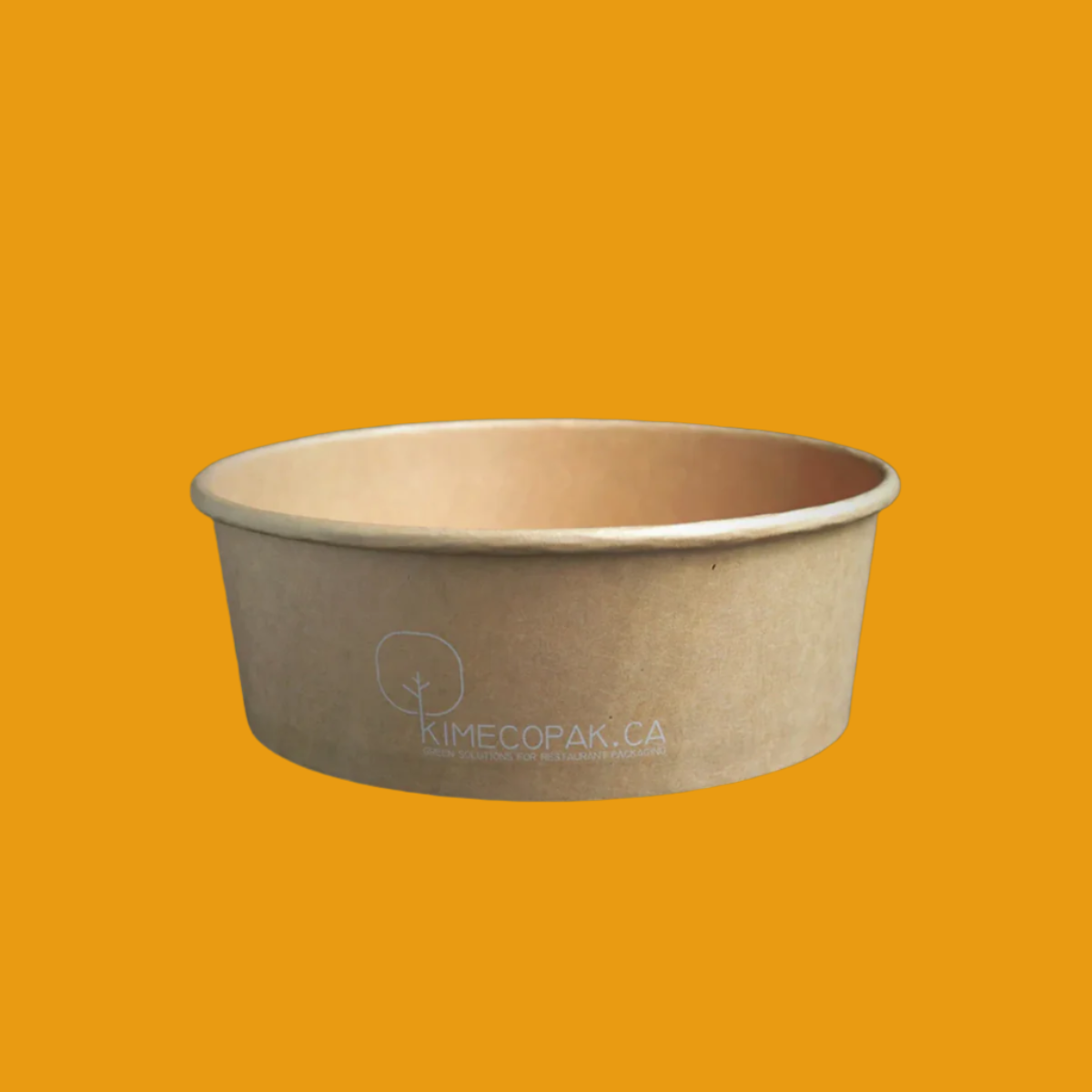
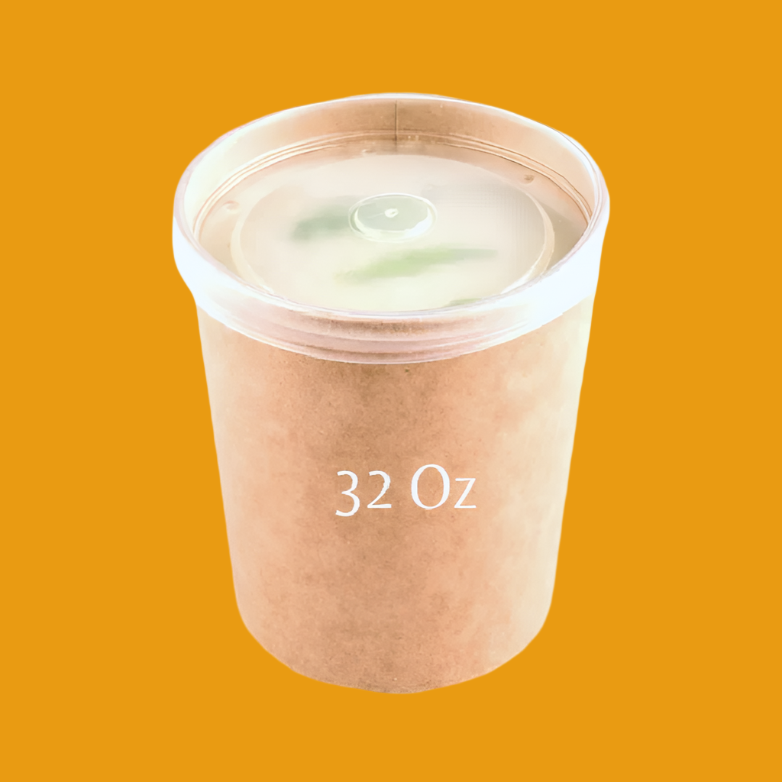
Opening a frozen yogurt business can be an exciting opportunity for entrepreneurs looking to enter the dessert industry. Frozen yogurt appeals to families, students, health-conscious consumers, and anyone looking for a customizable treat. However, success requires more than buying machines and signing a lease.
Before investing your time and money, you need to validate demand, understand your competition, calculate costs, secure permits, and create a plan for long-term profitability.
This guide walks you through every major step of starting a frozen yogurt business in Canada or the United States.
Why Frozen Yogurt Businesses Still Have Market Potential

Frozen yogurt remains popular because it offers customers flexibility. Many consumers view frozen yogurt as a lighter alternative to traditional ice cream, especially when paired with fresh fruit, low-sugar toppings, or dairy-free options.
A successful frozen yogurt shop can attract:
- Families with children
- College and university students
- Health-conscious consumers
- Tourists
- Office workers
- Fitness-focused customers
However, demand varies significantly by location. Warm climates, tourist destinations, shopping districts, and family-oriented neighborhoods often perform better than isolated locations with limited foot traffic.
Step 1: Validate Your Frozen Yogurt Business Idea

Before signing a lease or purchasing equipment, confirm that customers in your target area actually want a frozen yogurt shop.
Many entrepreneurs assume that because frozen yogurt is popular elsewhere, it will automatically succeed in their city. This can be an expensive mistake.
What to Research Before Investing
| Research Area | Questions to Answer |
|---|---|
| Customer Demand | How often do local consumers buy frozen desserts? |
| Competition | How many dessert shops already serve the area? |
| Seasonality | Will winter demand support year-round operations? |
| Spending Habits | What are customers willing to pay per serving? |
| Market Gaps | What products or experiences are competitors missing? |
Quick Validation Actions
- Visit 5–10 local dessert shops.
- Track customer traffic during different times.
- Survey potential customers.
- Test demand through pop-up events or catering.
- Analyze local Google reviews.
Step 2: Research the Market and Competitors

Once you have confirmed there is demand for frozen yogurt in your area, the next step is understanding the competitive landscape. A successful frozen yogurt business does not need to be completely unique, but it should offer customers a clear reason to choose your shop over existing alternatives.
Take time to study both direct and indirect competitors. Look beyond frozen yogurt stores and analyze ice cream shops, bubble tea businesses, smoothie bars, bakeries, and acai bowl concepts that attract similar customers.
What to Analyze
| Area | What to Look For |
|---|---|
| Pricing | Average cost per serving |
| Menu | Flavors, toppings, drinks, desserts |
| Reviews | Common complaints and praise |
| Traffic | Peak hours and customer volume |
| Marketing | Social media activity and promotions |
| Service | Speed, cleanliness, customer experience |
Identify Market Gaps
Many frozen yogurt businesses succeed by solving problems that competitors ignore.
Common opportunities include:
- Dairy-free and vegan options
- Health-focused toppings
- Premium local ingredients
- Faster service
- Better store cleanliness
- Loyalty programs
- Online ordering and delivery
Common Mistake to Avoid
Avoid copying a competitor's menu without understanding why customers visit their store. Focus on creating a stronger customer experience rather than simply offering the same products.
Action Steps
- List your top 10 local competitors.
- Read at least 50 customer reviews.
- Compare pricing and menu offerings.
- Identify 2–3 competitive advantages for your business.
Step 3: Choose the Right Frozen Yogurt Business Model
Common Frozen Yogurt Business Models
| Model | Advantages | Challenges |
| Independent Shop | Full control and branding | Build systems from scratch |
| Franchise | Training and brand recognition | Franchise fees and royalties |
| Self-Serve Shop | Higher average tickets | More equipment maintenance |
| Counter-Service Shop | Better portion control | More labor required |
| Mall Kiosk | Lower rent and footprint | Limited menu space |
| Hybrid Dessert Shop | Multiple revenue streams | More complex operations |
Independent vs Franchise
An independent frozen yogurt business gives you complete control over your menu, branding, suppliers, and pricing strategy. However, you must develop your own operating systems and marketing plan.
A franchise provides an established brand, training, and supplier relationships, but usually requires franchise fees, royalty payments, and adherence to company standards.
Consider Hybrid Concepts
Many modern frozen yogurt shops increase revenue by offering complementary products such as:
- Smoothies
- Acai bowls
- Coffee
- Bubble tea
- Fresh juices
- Dessert waffles
This can help offset slower frozen yogurt sales during colder seasons.
Common Mistake to Avoid
Choosing a franchise simply because it feels safer. Always compare the total investment, royalty fees, and long-term profitability before making a decision.
Action Steps
- Compare startup costs for different models.
- Evaluate franchise opportunities if applicable.
- Determine whether your market supports a standalone or hybrid concept.
- Select a model that aligns with your budget and goals.
Step 4: Estimate Startup Costs and Break-Even Requirements
Understanding your startup costs is essential before signing a lease or purchasing equipment. Many frozen yogurt businesses underestimate how much working capital is required during the first few months of operation.
While costs vary by location and business model, most frozen yogurt shops require a significant investment in equipment, renovations, and inventory.
Typical Startup Costs
| Expense Category | Estimated Range |
| Lease Deposit | $5,000–$30,000+ |
| Renovations | $20,000–$150,000+ |
| Frozen Yogurt Machines | $15,000–$80,000+ |
| Refrigeration Equipment | $5,000–$25,000+ |
| POS System | $1,000–$5,000+ |
| Licenses and Permits | $500–$5,000+ |
| Initial Inventory | $3,000–$15,000+ |
| Packaging Supplies | $1,000–$10,000+ |
| Marketing | $2,000–$20,000+ |
| Working Capital | $20,000–$100,000+ |
A typical frozen yogurt business may require between $150,000 and $500,000+ depending on location, size, and concept.
Don't Overlook Packaging Costs
Packaging is often treated as a minor expense, but it plays an important role in customer experience and branding. Frozen yogurt cups, lids, spoons, napkins, and takeout packaging should be included in your startup budget from the beginning.
For businesses planning to build a recognizable brand, custom printed packaging can also support marketing and customer retention.
Calculate Your Break-Even Point
Before opening, estimate:
- Monthly rent
- Labor costs
- Utilities
- Ingredients
- Packaging costs
- Marketing expenses
- Loan payments
Knowing your monthly expenses helps determine how many cups of frozen yogurt you must sell each day to become profitable.
Common Mistake to Avoid
Many new owners budget only for opening expenses and fail to reserve enough cash for operating costs during the first 3–6 months.
Action Steps
- Create low, medium, and high budget scenarios.
- Request equipment and renovation quotes.
- Build a monthly cash flow forecast.
- Calculate your break-even sales target before signing a lease.
Frozen Yogurt Shop Operations Plan
Describe day-to-day operations: store hours, opening and closing procedures, inventory ordering schedule, equipment cleaning and maintenance protocols, health inspection compliance, and topping bar restocking cadence. Specify your POS system (Toast, Square, or pay-by-weight specific system) and how sales data will be tracked and reviewed weekly.
Step 5: Write a Frozen Yogurt Business Plan
A business plan helps turn your idea into a realistic roadmap. It forces you to think through your target market, startup costs, pricing strategy, and financial projections before making major investments.
Whether you plan to apply for financing, attract investors, or simply manage your business more effectively, a well-prepared business plan can reduce costly mistakes and improve decision-making.
Key Sections of a Frozen Yogurt Business Plan
| Section | Purpose |
|---|---|
| Executive Summary | Overview of the business concept |
| Market Analysis | Research on customers and competitors |
| Business Model | How the business generates revenue |
| Menu Strategy | Products and pricing structure |
| Marketing Plan | Customer acquisition strategy |
| Operations Plan | Daily workflow and staffing |
| Financial Forecast | Revenue, expenses, and profitability |
| Risk Management | Potential challenges and solutions |
Build Realistic Financial Projections
Avoid using generic industry averages. Instead, estimate:
- Average transaction value
- Daily customer count
- Monthly sales targets
- Labor expenses
- Food and ingredient costs
- Rent and utility costs
Creating best-case, expected-case, and worst-case scenarios can help prepare for fluctuations in customer demand.
Common Mistake to Avoid
Many entrepreneurs create a business plan only to secure funding and never update it again. Your business plan should evolve as you gather real data and supplier quotes.
Action Steps
- Create a 12-month sales forecast.
- Estimate monthly operating expenses.
- Define your target customer profile.
- Update projections as new information becomes available.
Running a frozen yogurt business becomes much easier when you build repeatable systems for staffing, inventory management, customer service, and daily operations. The video below explains how creating systems can help business owners spend less time managing day-to-day tasks and more time growing the business.
As your shop grows, documented processes for machine cleaning, topping inventory, employee training, and packaging management can help maintain consistency across every shift.
Step 6: Obtain Licenses, Permits, and Food Safety Approvals
Frozen yogurt businesses must comply with local food service regulations before opening to the public. Requirements vary by city, state, province, and municipality, so always verify local regulations early in the planning process.
Starting this process before signing a lease can prevent expensive delays later.
Common Licenses and Permits
| Requirement | Purpose |
| Business Registration | Legal operation |
| Food Service Permit | Food handling approval |
| Health Inspection | Food safety compliance |
| Sales Tax Registration | Tax collection |
| Occupancy Permit | Building approval |
| Sign Permit | Exterior signage approval |
| Food Safety Certification | Staff training requirements |
Additional Requirements May Include
- Fire safety inspections
- Waste disposal agreements
- Accessibility compliance
- Employee registrations
- Commercial kitchen approvals
Common Mistake to Avoid
Assuming permit requirements are the same in every city. Even neighboring municipalities may have different food service regulations.
Action Steps
- Contact your local health authority.
- Confirm zoning requirements before signing a lease.
- Request a pre-opening inspection checklist.
- Maintain organized records of permits and certificates.
Step 7: Protect Your Business With Insurance
Insurance is an essential part of risk management for any food business. A single incident involving equipment failure, food contamination, property damage, or customer injury can create significant financial losses.
Proper coverage helps protect both your business and personal investment.
Types of Insurance to Consider
| Coverage Type | What It Protects |
| General Liability | Customer injuries and accidents |
| Product Liability | Food-related claims |
| Commercial Property | Equipment and store assets |
| Workers' Compensation | Employee injuries |
| Equipment Breakdown | Machine failures |
| Business Interruption | Revenue loss during disruptions |
Why Equipment Coverage Matters
Frozen yogurt businesses rely heavily on refrigeration and soft-serve machines. If equipment fails unexpectedly, inventory spoilage and lost sales can quickly become expensive.
Common Mistake to Avoid
Choosing the cheapest insurance policy without reviewing exclusions for food spoilage, equipment breakdown, or business interruption.
Action Steps
- Request quotes from multiple providers.
- Review food-service-specific coverage options.
- Verify landlord insurance requirements.
- Reassess coverage annually as the business grows.
Step 8: Choose the Right Location
Location is often one of the biggest factors influencing long-term success. Even an excellent frozen yogurt concept can struggle if it is hidden, difficult to access, or located in an area with weak customer demand.
Because frozen yogurt is often an impulse purchase, visibility and foot traffic are particularly important.
Strong Locations for Frozen Yogurt Shops
- Shopping centers
- Family-oriented neighborhoods
- College and university districts
- Tourist destinations
- Entertainment areas
- Near schools, gyms, and parks
- High-traffic retail plazas
Location Evaluation Checklist
| Factor | Why It Matters |
| Foot Traffic | Potential customer volume |
| Visibility | Brand awareness |
| Parking | Customer convenience |
| Accessibility | Easy entry and exit |
| Nearby Businesses | Additional customer traffic |
| Rent Costs | Impact on profitability |
Consider Seasonal Demand
In colder climates, winter sales may decrease significantly. Locations with year-round traffic often perform better than those that rely heavily on seasonal visitors.
Common Mistake to Avoid
Choosing a low-rent location without evaluating customer traffic and visibility.
Action Steps
- Visit potential sites during different times of day.
- Measure weekday and weekend traffic.
- Compare projected sales against rent.
- Review lease terms carefully before signing.
Step 9: Purchase Equipment and Build Supplier Relationships
The quality of your equipment and suppliers directly affects product consistency, operational efficiency, and customer satisfaction.
Reliable equipment helps reduce downtime, while dependable suppliers ensure you can maintain inventory during busy periods.
Essential Equipment Checklist
| Equipment | Purpose |
| Frozen Yogurt Machines | Product production |
| Refrigerators | Ingredient storage |
| Freezers | Inventory preservation |
| Topping Bar | Customer customization |
| Prep Tables | Food preparation |
| POS System | Sales and reporting |
| Sinks & Sanitation Stations | Food safety compliance |
| Storage Shelving | Organization |
Build Relationships With Reliable Suppliers
Most frozen yogurt businesses need suppliers for:
- Frozen yogurt mix
- Fresh fruit
- Dry toppings
- Cleaning supplies
- Beverage products
- Packaging materials
Don't Overlook Packaging Suppliers
Packaging affects more than convenience. It influences customer perception, takeaway sales, sustainability goals, and brand recognition.
Common packaging needs include:
- Frozen yogurt cups
- Paper bowls
- Lids
- Compostable spoons
- Napkins
- Carry-out containers
- Custom printed packaging
Working with a reliable packaging supplier early can simplify purchasing and support future branding efforts.
Common Mistake to Avoid
Buying used equipment without confirming warranty coverage, service support, and replacement part availability.
Action Steps
- Obtain quotes from multiple equipment suppliers.
- Verify maintenance requirements.
- Build backup supplier relationships.
- Forecast inventory needs before launch.
Step 10: Set Up Your POS System, Payments, and Daily Operations
A modern POS system should do more than process transactions. It should help you manage sales, inventory, employee performance, customer loyalty programs, and business reporting from a single platform.
The right system can improve operational efficiency and provide valuable insights into customer behavior. For self-serve frozen yogurt shops, POS software should also integrate with scales and weight-based pricing systems.
Features to Look For in a POS System
| Feature | Benefit |
|---|---|
| Contactless Payments | Faster checkout experience |
| Inventory Tracking | Better stock management |
| Loyalty Programs | Increased customer retention |
| Online Ordering | Additional revenue opportunities |
| Sales Reporting | Better business decisions |
| Gift Cards | Customer acquisition and repeat visits |
Establish Daily Operating Procedures
Documented procedures help maintain consistency and improve staff accountability.
Areas to standardize include:
- Opening procedures
- Machine cleaning schedules
- Topping bar maintenance
- Inventory checks
- Customer service standards
- Closing procedures
Common Mistake to Avoid
Choosing a POS system based solely on price. A low-cost system may lack reporting, loyalty, or inventory features that become essential as your business grows.
Action Steps
- Compare restaurant-focused POS systems.
- Confirm payment processing fees.
- Set up inventory categories.
- Test all payment methods before opening.
Step 11: Hire and Train Your Team
Even self-serve frozen yogurt businesses depend on well-trained employees. Staff members are responsible for maintaining cleanliness, assisting customers, monitoring equipment, restocking toppings, and ensuring food safety compliance.
A positive customer experience often depends more on staff performance than product quality alone.
Key Training Areas
- Food safety procedures
- Allergen awareness
- Customer service skills
- Equipment operation
- Cleaning protocols
- Inventory management
- Complaint handling
Create Standard Operating Procedures (SOPs)
Written SOPs help maintain consistency across shifts and reduce training time for new employees.
Consider creating:
- Opening checklists
- Closing checklists
- Cleaning logs
- Machine maintenance logs
- Customer service guidelines
Common Mistake to Avoid
Assuming employees already know food safety standards or customer service expectations.
Action Steps
- Develop training materials.
- Schedule regular performance reviews.
- Conduct food safety training.
- Monitor customer feedback regularly.
Step 12: Build Your Menu and Pricing Strategy
A successful frozen yogurt menu balances customer choice with operational efficiency. Offering too many flavors and toppings can increase waste, inventory costs, and complexity.
Your goal is to provide enough variety to attract customers without creating unnecessary operational challenges.
Popular Frozen Yogurt Menu Items
- Original tart frozen yogurt
- Vanilla frozen yogurt
- Chocolate frozen yogurt
- Seasonal fruit flavors
- Dairy-free options
- Vegan frozen yogurt
- Low-sugar alternatives
Popular Add-On Products
| Product Category | Examples |
| Fresh Fruit | Strawberries, blueberries, bananas |
| Crunchy Toppings | Granola, nuts, cookie pieces |
| Sweet Toppings | Chocolate chips, candy, syrups |
| Premium Add-Ons | Cheesecake bites, mochi, brownies |
| Beverages | Coffee, smoothies, bubble tea |
Choose a Pricing Model
Common pricing methods include:
- Per-ounce pricing
- Fixed-size cups
- Combo bundles
- Family packs
Each model has advantages depending on your target market and business concept.
Common Mistake to Avoid
Allowing customers unlimited access to high-cost toppings without monitoring food costs and profit margins.
Action Steps
- Calculate food costs for each menu item.
- Test different cup sizes.
- Review competitor pricing.
- Introduce seasonal flavors to encourage repeat visits.
Step 13: Create a Marketing Plan Before Opening Day
Many business owners wait until their grand opening to start marketing. In reality, marketing should begin weeks or even months before customers can place their first order.
Building awareness early can help generate excitement and create momentum for launch day.
Effective Marketing Channels
| Marketing Channel | Purpose |
| Google Business Profile | Local search visibility |
| Local SEO | Long-term organic traffic |
| Visual product promotion | |
| TikTok | Viral content opportunities |
| Email Marketing | Customer retention |
| Loyalty Programs | Repeat business |
| Influencer Partnerships | Local exposure |
Grand Opening Marketing Ideas
- Free topping promotions
- Buy-one-get-one offers
- Customer giveaways
- Community events
- Local influencer partnerships
- School or sports team sponsorships
Focus on Visual Content
Frozen yogurt is highly visual. Photos and videos of colorful toppings, new flavors, customer creations, and behind-the-scenes preparation often perform well on social media.
Common Mistake to Avoid
Relying on a single marketing channel instead of building a diversified customer acquisition strategy.
Action Steps
- Create your Google Business Profile.
- Set up social media accounts.
- Collect customer email addresses.
- Plan your grand opening campaign.
Step 14: Control Quality and Plan for Growth
Opening day is only the beginning. Long-term success depends on delivering a consistent customer experience while monitoring profitability and operational performance.
Customers return when they know they can expect the same product quality, cleanliness, and service every time they visit.
Key Performance Indicators (KPIs)
Monitor these metrics regularly:
| KPI | Why It Matters |
| Daily Sales | Revenue performance |
| Average Ticket Size | Customer spending trends |
| Customer Count | Traffic levels |
| Food Cost Percentage | Profitability |
| Labor Cost Percentage | Operational efficiency |
| Waste Levels | Inventory control |
| Customer Reviews | Brand reputation |
Growth Opportunities
Once your first location operates successfully, consider expanding through:
- Catering services
- Delivery partnerships
- Corporate events
- Loyalty programs
- Seasonal promotions
- Additional locations
- Custom branded merchandise
- Branded packaging
Use Packaging as a Marketing Tool
As your business grows, packaging becomes more than a functional necessity. Branded cups, bowls, lids, and takeaway containers can help increase brand visibility and create a more professional customer experience.
Many successful frozen yogurt brands use custom packaging to strengthen brand recognition and encourage repeat purchases.
Common Mistake to Avoid
Opening a second location before the first location consistently generates profit and operates efficiently.
Action Steps
- Review business performance weekly.
- Track customer feedback.
- Optimize inventory based on demand.
- Develop a growth plan before expanding.
FAQs About Starting a Frozen Yogurt Business
How much does it cost to start a frozen yogurt business?
Startup costs vary depending on location, store size, and business model. A small kiosk or self-serve concept may require less investment, while a full-service frozen yogurt shop can cost between $150,000 and $500,000+, including equipment, renovations, inventory, permits, and working capital.
Is a frozen yogurt business profitable?
A frozen yogurt business can be profitable if it has a strong location, effective cost control, and consistent customer traffic. Profitability depends on factors such as rent, labor costs, food costs, pricing strategy, and average daily sales volume.
Do I need a commercial kitchen to open a frozen yogurt shop?
Most frozen yogurt businesses require a food-service-approved facility that meets local health and safety regulations. Requirements vary by city, state, and province, so always check with your local health authority before opening.
What equipment is required for a frozen yogurt business?
Essential equipment typically includes frozen yogurt machines, refrigerators, freezers, topping bars, prep tables, storage shelving, sinks, sanitation stations, and a POS system. Additional equipment may be needed depending on your menu and business model.
Should I open an independent frozen yogurt shop or buy a franchise?
An independent shop provides more flexibility in branding, pricing, and menu development. A franchise offers training, established systems, and brand recognition but usually requires franchise fees and ongoing royalty payments. The right choice depends on your budget, experience, and growth goals.
What are the best locations for a frozen yogurt shop?
Popular locations include shopping centers, family-oriented neighborhoods, college districts, tourist areas, entertainment zones, and retail plazas with strong foot traffic. Visibility, accessibility, and nearby complementary businesses can significantly impact sales.
What packaging supplies does a frozen yogurt business need?
Most frozen yogurt shops require cups, bowls, lids, spoons, napkins, drink cups, and takeaway packaging. Many businesses also invest in custom-branded packaging to improve customer experience, increase brand recognition, and support marketing efforts.
How can I attract customers to a new frozen yogurt shop?
Successful frozen yogurt businesses often use a combination of local SEO, Google Business Profile optimization, social media marketing, loyalty programs, grand opening promotions, community partnerships, and customer referral campaigns to attract and retain customers.
Can I add other products to increase revenue?
Yes. Many frozen yogurt businesses expand their menu with smoothies, acai bowls, bubble tea, coffee, fresh juices, waffles, or seasonal desserts. Offering complementary products can help increase average order value and reduce the impact of seasonal sales fluctuations.
How long does it take to open a frozen yogurt business?
The timeline depends on factors such as permits, lease negotiations, renovations, equipment installation, and staff training. In many cases, opening a frozen yogurt shop can take anywhere from 3 to 9 months from planning to launch.
Whether you're starting from scratch or ready to scale, we've got you covered.
Keep reading — your frozen yogurt business journey starts here.
👉 Want early access? [SIGN UP HERE] to get the guide first when it launches.
Conclusion
Starting a frozen yogurt business requires careful planning, market research, financial discipline, and operational consistency. From validating demand and selecting the right location to building a menu, hiring staff, and launching a marketing strategy, every decision can influence long-term success.
Entrepreneurs who take the time to understand their customers, manage costs effectively, and create a memorable customer experience are better positioned to build a profitable frozen yogurt business.
As you prepare for launch, don't overlook the importance of packaging. The right cups, bowls, lids, spoons, and takeaway containers can improve customer satisfaction while supporting your brand identity.