If you’re baking gluten-free, exploring Asian desserts, or just curious about your daily calorie intake, tapioca flour calories matter. Tapioca flour, also called tapioca starch, comes from cassava root. It’s naturally gluten-free, versatile, and a staple in many kitchens. But how does it stack up nutritionally, and what should you know about its calorie content? Let’s dive in.
- Tapioca Starch: Benefits, Uses, Nutrition & Complete Comparison Guide
- Oat Flour: The Complete Guide to Nutrition, Benefits, and Baking Uses (2025)
- Buckwheat Flour: Uses, Benefits, Nutrition & How to Cook With It
What is Tapioca Flour?

Tapioca flour is a fine, white powder made from cassava root. Unlike wheat or rice flour, it contains almost no protein or fat. It’s mostly pure carbohydrates, making it a high-calorie flour by weight. People love it for:
-
Gluten-free baking
-
Thickening sauces and soups
-
Traditional Asian desserts like bubble tea pearls, puddings, and che.
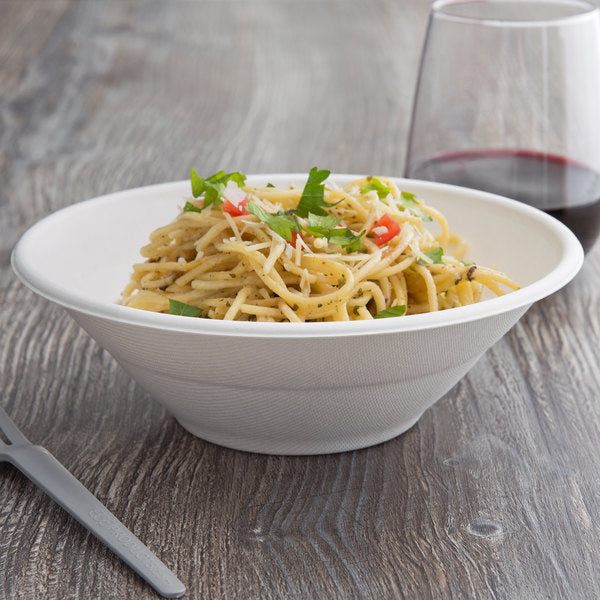
Choose eco-friendly packaging to keep your Tapioca Flour fresh, pure, and naturally protected.
Tapioca Flour Calories per Serving
Understanding the calories in tapioca flour helps with portion control. Here’s a quick breakdown:
| Serving Size | Calories |
|---|---|
| 1 tablespoon (~8 g) | 30 kcal |
| 1/4 cup (~32 g) | 120 kcal |
| 1/2 cup (~64 g) | 240 kcal |
| 1 cup (~128 g) | 480 kcal |
| 100 g | 358–370 kcal |
Note: Calories vary slightly by brand. Always check the label if precision matters.
Nutritional Breakdown

Tapioca flour is high in carbohydrates but low in everything else:
-
Carbohydrates: ~88–90 g per 100 g (main source of calories)
-
Protein: ~0.2–0.3 g per 100 g
-
Fat: ~0 g
-
Fiber: 0–1 g
-
Sugar: 0–1 g
It’s essentially pure starch, so it provides quick energy but few vitamins or minerals.
Comparing Tapioca Flour Calories to Other Flours
If you’re calorie-conscious, it’s useful to compare:
-
Tapioca flour: 358–370 kcal per 100 g
-
All-purpose wheat flour: 364 kcal per 100 g
-
Rice flour: 366 kcal per 100 g
-
Coconut flour: 400 kcal per 100 g (higher fat content)
-
Almond flour: 575 kcal per 100 g (much higher in fat & protein).
Tapioca flour is similar in calories to wheat or rice flour but low in nutrients like protein and fiber.
Why Tapioca Flour is Calorie-Dense
Tapioca flour is almost entirely carbohydrate, so it’s calorie-dense:
-
1 g of carbs = 4 kcal
-
No fat or protein to balance calorie content
-
Quick digestion → can spike blood sugar
In short: it gives fast energy but isn’t very filling on its own.
Health Implications

Tapioca flour is safe and useful in moderation. However:
-
Low fiber & protein → may leave you hungry quickly
-
High glycemic index → can impact blood sugar levels
-
Limited micronutrients → shouldn’t be your main carb source
It’s great for gluten-free recipes, but for balanced meals, pair it with protein, fiber, or healthy fats.
Cooking & Recipes: How Calories Change
Calories from tapioca flour are consistent, but the dish matters:
-
Bubble tea pearls: sugar + tapioca → high-calorie drink
-
Steamed dumplings: combine tapioca with other flours → moderate calories
-
Baking: adding butter, sugar, or coconut milk increases total calories
Tip: For accurate calorie tracking, consider all ingredients, not just the flour.
Practical Tips for Using Tapioca Flour

-
Measure carefully: grams are more accurate than cups
-
Mix with high-fiber flours: almond, oat, or coconut flour
-
Use in moderation: especially for desserts or fried foods
-
Check nutrition labels: brands may vary slightly
Summary
Tapioca flour calories are primarily from carbs. It’s perfect for:
-
Gluten-free baking
-
Thickening sauces
-
Asian desserts
But remember:
-
Low protein & fiber → less filling
-
High glycemic index → watch blood sugar
-
Pair with nutrient-rich ingredients for balanced meals
FAQs About Tapioca Flour Calories
Q: How many calories are in 100 g of tapioca flour?
A: Around 358–370 kcal.
Q: How many calories are in 1 tablespoon of tapioca flour?
A: About 30 kcal.
Q: Is tapioca flour high in calories compared to other flours?
A: It’s similar to wheat or rice flour but lower in protein and fiber.
Q: Can tapioca flour cause weight gain?
A: Overeating any high-carb flour can contribute to weight gain. Moderation is key.
Q: Can diabetics use tapioca flour?
A: It has a high glycemic index, so diabetics should use it sparingly and monitor blood sugar.
Q: Does cooking change tapioca flour calories?
A: No, but added ingredients like sugar or butter increase total dish calories.
Q: Are there healthier alternatives for low-calorie recipes?
A: Yes, almond flour, coconut flour, or oat flour can be lower in net carbs and higher in protein/fiber.
Conclusion
Tapioca flour is a versatile, gluten-free ingredient, but it’s high in calories and low in protein and fiber. Understanding its calorie content and measuring portions can help you use it wisely. Combine it with nutrient-rich ingredients for balanced meals, and enjoy your favorite recipes without overdoing calories.