Kebabs are one of the most popular street foods in the world flavorful, convenient, and satisfying. But if you're trying to manage your diet, one question matters most:
How many calories are in a kebab?
The answer isn’t simple. Depending on the type of meat, cooking method, sauces, and serving style, calories in kebab can range from 200 to over 1,000 calories per meal.
In this comprehensive guide, you’ll discover:
- Exact calorie breakdowns by kebab type
- How wraps, sauces, and sides impact total calories
- The healthiest kebab options for weight loss
- Smart ways for food businesses to offer healthier, eco-friendly takeaway solutions
-
Calories in Calzone: The Complete Guide for Food Businesses & Health-Conscious Consumers
-
Calories in Onion Rings: The Complete Guide to Nutrition, Portions, and Smarter Choices
- Fudge Calories: The Complete Guide to Calories in Fudge (By Type, Serving & Ingredients)
What Are Calories in Kebab?

A kebab typically consists of grilled or roasted meat served with bread, vegetables, and sauces. The calorie content depends on multiple variables:
Key Factors That Affect Calories in Kebab
- Meat type: Chicken is leaner; lamb is higher in fat
- Cooking method: Grilled = fewer calories than fried
- Portion size: Large doner kebabs can double calorie intake
- Sauces: Garlic mayo and chili sauce can add 100–300 extra calories
- Bread: Pita, naan, or wraps contribute significant carbs
Average calorie range:
- Small kebab: 250–400 kcal
- Medium kebab: 400–700 kcal
- Large kebab: 700–1,200+ kcal
How Many Calories in Kebab by Type?

Calories in Chicken Kebab
Chicken kebab is often the healthiest option due to its lower fat content.
- Grilled chicken kebab: 180–250 kcal
- Chicken doner kebab: 400–600 kcal
- Chicken kebab wrap: 500–700 kcal
- Chicken shish kebab (no bread): 200–300 kcal
Why it’s popular: High protein, lower fat, ideal for calorie-conscious consumers.
Calories in Lamb Kebab
Lamb kebab is rich and flavorful but also higher in calories.
- Lamb doner kebab: 600–900 kcal
- Lamb shish kebab: 250–400 kcal
- Lamb kebab wrap: 700–1,000 kcal
Key insight: Lamb contains more saturated fat, significantly increasing calorie density.
Calories in Beef Kebab
Beef kebab sits between chicken and lamb in terms of calories.
- Beef doner kebab: 500–800 kcal
- Beef kebab wrap: 600–900 kcal
Calories in Mixed Kebab
Mixed kebabs combine meats, increasing both flavor and calorie count.
- Mixed doner kebab: 700–1,100 kcal
- Combo kebab meal: 800–1,200+ kcal
Calories in Vegetarian Kebab
Vegetarian options can be misleading.
- Falafel kebab: 500–800 kcal
- Veggie kebab wrap: 400–600 kcal
Important: Fried falafel can be as calorie-dense as meat.
Calories in Kebab Wrap, Pita, and Plate Options

Calories in Kebab Wrap
A typical wrap includes meat, vegetables, and sauces.
- Chicken kebab wrap: 500–700 kcal
- Lamb kebab wrap: 700–1,000 kcal
Hidden calories: Tortillas and sauces.
Calories in Kebab with Pita Bread
- Kebab pita sandwich: 400–700 kcal
- Whole wheat pita option: slightly lower glycemic impact
Calories in Kebab Plate
Plates are often higher in calories due to sides.
- Kebab with rice: 600–900 kcal
- Kebab with fries: 800–1,200 kcal
- Salad bowl kebab: 300–500 kcal
Doner vs Shish vs Seekh Kebab Calories

Doner Kebab Calories
- Typically highest in calories
- Cooked on a vertical rotisserie
- Often includes fatty cuts
Calories: 600–1,000+
Shish Kebab Calories
- Grilled skewers
- Leaner cuts of meat
Calories: 200–400 (without bread)
Seekh Kebab Calories
- Ground meat mixed with spices
- Moderate fat content
Calories: 250–500
Which Kebab Has the Lowest Calories?
Best low-calorie choices:
- Chicken shish kebab
- Grilled veggie kebab
- Kebab salad bowl
Kebab Calories by Portion Size

- Small kebab: 250–400 kcal
- Medium kebab: 400–700 kcal
- Large kebab: 700–1,200 kcal
Pro tip: Portion size often matters more than meat type.
Full Nutritional Breakdown of Kebab
Macronutrients in Kebab
- Protein: 15–40g
- Fat: 10–50g
- Carbohydrates: 30–80g
Sodium Content
Takeaway kebabs can contain high sodium levels, especially with sauces.
Are Kebab Calories High?
Kebabs can be either healthy or high-calorie depending on choices.
When Kebabs Are Healthy
- Grilled meat
- Minimal sauce
- Served with vegetables
When Kebabs Become Unhealthy
- Fried meat
- Heavy sauces
- Large portions
Kebab vs Other Fast Foods
| Food Item | Average Calories |
|---|---|
| Kebab (medium) | 500–700 |
| Burger | 600–900 |
| Pizza slice | 250–400 |
| Fried chicken meal | 800–1,200 |
How to Reduce Calories in Kebab
- Choose grilled chicken over lamb
- Skip creamy sauces
- Ask for extra vegetables
- Use whole wheat bread
- Control portion sizes
Calories in Takeaway Kebab vs Homemade

Takeaway Kebab
- Higher fat and sodium
- Larger portions
Homemade Kebab
- Control ingredients
- Lower calories
- Healthier cooking methods
Calories Burned After Eating a Kebab
To burn a 700 kcal kebab:
- Walking: ~2–3 hours
- Running: ~60 minutes
- Cycling: ~90 minutes
FAQs
How many calories are in a doner kebab?
Typically between 600 and 1,000 calories, depending on size and ingredients.
Is kebab high in calories?
It can be but grilled, portion-controlled kebabs can be relatively healthy.
Which kebab has the lowest calories?
Chicken shish kebab or veggie kebab without sauces.
How many calories are in a chicken kebab wrap?
Around 500–700 calories.
Are kebabs healthy or unhealthy?
They can be both depending on preparation and portion size.
Can I eat kebab while dieting?
Yes, if you choose lean meat, skip sauces, and control portions.
What is the healthiest kebab option?
Grilled chicken kebab with salad and no sauce.
Final Thoughts
Kebabs don’t have to be a “cheat meal.” With the right choices, they can be:
- High in protein
- Moderately low in calories
- Part of a balanced diet
And for food businesses, there’s an even bigger opportunity:
Combine healthy menu options with sustainable packaging to stand out in a crowded market.
Upgrade Your Kebab Packaging Today
If you’re serious about:
- Reducing environmental impact
- Attracting modern, eco-conscious customers
- Enhancing your food brand
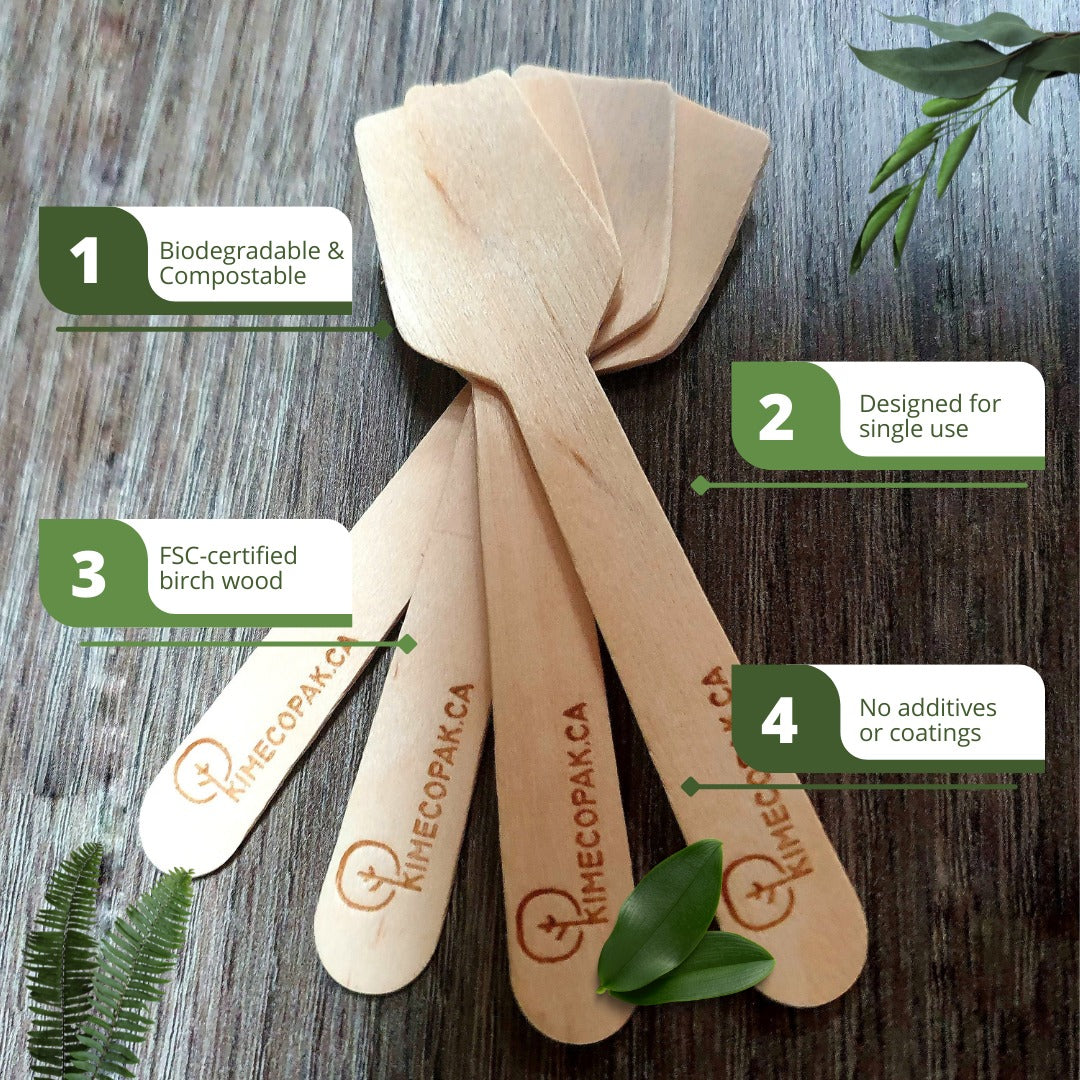
It’s time to switch to Kimecopak’s eco-friendly packaging solutions.
From biodegradable kebab wraps to premium takeaway boxes, Kimecopak helps your business:
- Look better
- Perform better
- Sell more
Explore sustainable packaging today and turn every kebab into a better experience for your customers and the planet.