If you’re searching Falafel Brands, you’re probably not looking for a “cute list.” You’re trying to pick a product you can serve consistently crispy, flavorful, profitable and that still eats well after a 15–25 minute delivery window. This guide is written for Canadian bakery cafés, quick-serve restaurants, and food businesses who want a buyer-first framework (cost, operations, and brand experience). And because packaging decides whether falafel arrives crisp or soggy, we’ll connect product choice to pack-out choices you can actually execute using practical solutions from kimecopak when it makes sense.
- Falafel Food Truck Guide: Best Menu Items to Order + How Great Falafel Trucks Run
- History of Falafel: Origins, Timeline, Variations & Modern Global Rise
- Falafel Platter for Restaurants: Portioning, Packaging & Catering System
- Types of Falafel You Must Know: Egyptian Ta’ameya vs Chickpea Falafel + Every Style Explained
What are Falafel Brands

Consumer “best of” vs restaurant-ready criteria
Most “best falafel” lists are built for home cooks: one pan, one air fryer, one hungry person. In foodservice, you’re solving a different problem:
- Consistency across shifts (same crunch at 11:30am and 8:30pm)
- Speed under pressure (batching, holding, refires, rush-hour volume)
- Cost control (portioning, yield, waste, and freezer footprint)
- Brand experience (how it travels, how it looks, how it’s remembered)
Your “best” falafel brand is the one that protects margin and customer satisfaction at scale.
The 4 decision buckets: taste, consistency, speed, cost
Use these four buckets to evaluate any brand (frozen or mix):
- Taste: herb brightness, spice balance, chickpea/fava depth, salt level
- Consistency: crumble rate, interior texture, oil absorption, repeatability
- Speed: prep time, cooking time, holding tolerance, refire quality
- Cost: cost per serving, waste risk, labor minutes, storage efficiency
When you pick falafel brands this way, you stop gambling on hype—and start buying like an operator.
The Best Store-Bought Falafel Brands by Use Case
(This section is a “decision shortcut.” Use it to match the falafel format to your menu and service style.)
Best for wraps & pitas (small balls, crisp shell)
Choose smaller balls or bite-size pieces when your product needs to stay crisp inside bread with sauces. Smaller units reheat better, and customers perceive “more pieces” as higher value even at the same portion weight.
Operational tip: pair with vented pack-out and keep sauces separate to avoid steam sog.
Best for bowls & salads (patties/burgers, easy portioning)
If you sell falafel bowls, patties or thicker discs are easier to portion and plate consistently. They also present well on top of grains/greens and resist crumbling during delivery.
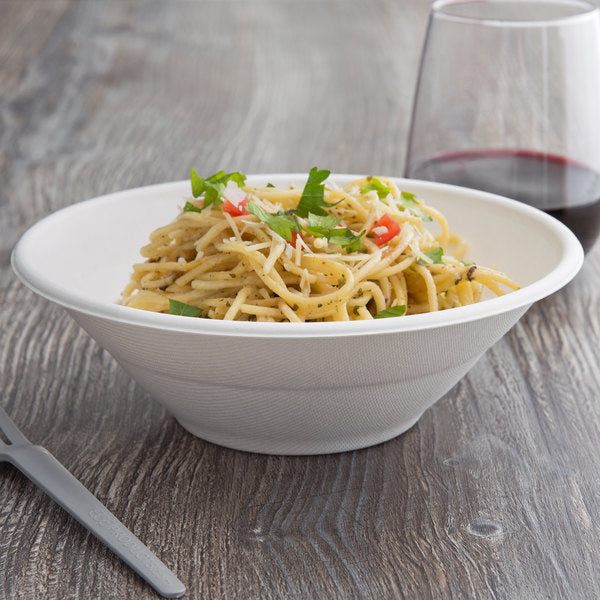
Packaging tip: bowls need grease resistance and structure—use paper bowls built for hot food service like Biodegradable & Compostable Round Paper Bowl With Lid to prevent leakage and preserve presentation.
GET A FREE SAMPLE PACKAGING HERE!
Best for catering platters (holds texture longer)
Catering is all about hold-time. Prioritize brands/formats that keep a stable crust for 30–60 minutes, or plan a service model (par-cook + flash finish) that locks in crunch right before pickup.
Platter tip: use inserts or separated compartments for pickles, salads, and sauces so falafel doesn’t absorb moisture.
Best budget pick (lowest cost per serving)
Budget picks are often mixes (lower ingredient cost, more labor) or bulk frozen (lower labor, higher product cost). The best budget choice depends on whether you’re constrained by labor minutes or food cost.
Best “clean label” pick (short ingredient list / dietary fit)
When your customers care about ingredients, you need two things:
- a product with a straightforward label, and
- a kitchen process that avoids cross-contact (especially if you market gluten-free).
Be careful: “plant-based” does not automatically mean “allergen-safe.” Your signage must match your actual back-of-house controls.
How We Evaluated Falafel Brands (Copyable Method)
Cook tests (oven vs air fryer vs pan) + hold-time test (10/20/30 minutes)
A brand can taste great out of the fryer and still fail your business if it turns soft during holding. Evaluate in the way you serve:
- Cook using your real equipment (oven, air fryer, fryer, flat-top)
- Hold in a warming environment you actually use (heat lamp, hot box, pass)
- Test at 10, 20, 30 minutes
- Do a delivery simulation: lid on for 15 minutes, then open and taste again
This is the only test that matters: “Does it still sell well after it travels?”

Texture scoring: crust, interior moisture, crumble rate
Score each brand on:
- Crust integrity (does it stay crisp?)
- Interior (fluffy vs pasty)
- Crumble rate (does it fall apart in a wrap/bowl?)
- Oil absorption (greasy falafel kills repeat purchases)
Flavor scoring: herb-forward vs cumin/garlic balance
Falafel brands typically fall into two lanes:
- herb-forward and bright (green interior, fresh aromatics)
- earthy and spice-forward (cumin, coriander, deeper roasted notes)
Pick the lane that matches your brand’s sauces and sides. A strong tahini/lemon profile needs a falafel that won’t get bullied; a bold garlic sauce needs a falafel that won’t taste flat.
Ops scoring: prep time, freezer/storage, portion control
Finally, score the “hidden costs”:
- minutes to prep per batch
- storage volume per 100 servings
- portion control (pieces per serving, variance risk)
- waste (breakage, crumb loss, overcooking)
These are the numbers that decide whether falafel is a hero item or a margin leak.
Best Frozen Falafel Brands (Restaurant-Friendly Picks)
Important note: The “best” brand name varies by region and distributor availability. The goal here is to give you a repeatable selection framework and a brand-scoring template you can apply to any frozen brand you can source in Canada.
Brand #1 — Best overall for foodservice
What to look for (your checklist):
- uniform size (portion control and cook consistency)
- crisp shell that holds after steaming
- balanced seasoning that works with multiple sauces
- low crumble rate (wrap-friendly)
Flavor & texture notes
A “best overall” frozen falafel is not always the most exciting—it’s the most reliable. You want a clean chickpea base, bright herbs, and a crust that stays firm after 15 minutes in a closed container.
Formats available (balls/patties/burgers)
Choose the format based on menu:
- balls: wraps, platters, apps
- patties/burgers: bowls, salads, sandwich builds
Dietary notes (vegan/GF/allergens)
Most falafel is naturally plant-based, but gluten-free claims depend on facility and ingredients. If you sell “GF,” you need supplier verification and kitchen controls.
Best menu uses (wrap/bowl/app)
This is your “workhorse” falafel for daily service. Great for high-volume SKUs and delivery-heavy hours.
Operator tips (batch cooking + holding)
- batch to 70–80% cooked, then finish-to-order for crunch
- avoid stacking directly; allow airflow to reduce steam
- never sauce falafel in-container unless it’s a deliberate “soft” product concept
Brand #2 — Best for garlic/herb profile
Look for a greener interior, higher herb content, and a fresher aroma. This is ideal when your menu leans Mediterranean and your sides are simple (tomato-cucumber salad, pickles, lemony sauces).
Ops watch-out: herb-forward falafel can soften faster; prioritize venting and keep hot items separated.
Brand #3 — Best value pick
Value brands win when:
- portion is stable
- crumble is low
- cook time is predictable
- cost per serving stays flat week to week
Value doesn’t mean “cheap.” It means predictable margin at scale.
Brand #4 — Best for “fresh-like” texture
Some frozen falafel brands aim for a softer interior, less dense bite, and a crust that mimics fresh-fried. These often perform best with:
- fryer finishing
- minimal holding
- strong packaging control (steam management)
Others we tested / honorable mentions (how to decide quickly):
If a brand performs “okay,” the deciding factor becomes your service model:
- If you’re delivery-heavy: prioritize hold-time + venting compatibility
- If you’re dine-in heavy: prioritize fresh finish + plating look
- If you’re catering: prioritize reheat stability and batch workflows
Best Falafel Mix Brands (Dry Mix) When You Want Lower Food Cost

When mix beats frozen (margin + freshness)
Mix wins when:
- you can spare labor minutes for prep
- you want a “made in-house” story
- you want control over salt, herbs, and size
- you can standardize procedures across staff
Mix also lets you tune your brand: spicy, herby, sesame-forward, or more traditional.
Best mix for crunch + authentic interior
Your success depends on technique:
- hydrate consistently (weigh water, don’t eyeball)
- rest time matters (structure forms during rest)
- correct oil temperature (too low = greasy; too high = burnt shell)
Best mix for speed (least finicky)
For speed, choose mixes that:
- tolerate small hydration variance
- hold shape well
- don’t require long resting
- can be portioned quickly (scoop + press)
Common failure points (hydration time, oil temp, binder issues)
- Overhydration → pasty interior, weak crust
- Underhydration → dry, crumbly falafel
- Wrong oil temp → greasy or scorched product
- Inconsistent portioning → uneven cook and customer complaints
If you choose mix, your real “brand” is your SOP. Write it down, train it, and audit it.
Where to Buy Falafel Brands in Canada (Without Guesswork)
What to check at big-box & grocery (frozen aisle vs refrigerated)
When you buy retail packs (for resale or small operations), check:
- frozen vs refrigerated location (changes shelf-life and logistics)
- pack size and piece count (portion economics)
- storage requirements (freezer space per 100 servings)
Distributor questions to ask (case pack, lead time, storage)
Ask every distributor:
- case pack and piece count
- average lead time and substitutions policy
- whether the brand is stable year-round
- storage and handling recommendations
- allergen statements and documentation
If a supplier can’t answer clearly, the risk shifts onto you.
If you sell retail packs: labeling & shelf placement basics
If you retail falafel (frozen packs, prepared meals), your compliance needs to match Canadian expectations for food labeling and allergen disclosure. Keep claims conservative unless you have written verification. Clear labeling reduces refunds and protects trust.

The Restaurant Packaging Checklist to Keep Falafel Crispy for Takeout
Falafel is a steam magnet. The same heat that makes it tempting also destroys it inside a sealed container. Packaging is not decoration—it’s product quality control.
Venting vs sog (when sealed containers fail)
Sealed containers trap steam. Steam softens crust. Soft crust becomes “stale” in the customer’s mind—even if it’s freshly cooked.
Practical fixes:
- choose lids/containers that allow controlled venting
- separate hot falafel from wet sides (salad, pickles, hummus)
- avoid stacking hot items directly on one another
If you’re serving bowls, use sturdy paper bowls built for hot food and test lid behavior. Start with 44 Oz Kraft Paper Bowl with Lids when you sell larger bowls or platters-to-go.
Grease resistance + structural integrity (stacking, delivery)
Falafel often travels with fries, roasted veg, or saucy sides. Your container must:
- resist grease
- keep its shape under weight
- stack without collapsing
A weak container becomes a refund. A solid one becomes repeat business.
Portioning: cups for sauces, separators for combos
Falafel lives or dies by sauce—and sauce is also the fastest way to kill crunch.
- portion sauces in separate cups
- keep hummus/tahini sealed until the customer eats
- use inserts or compartments for pickles and salads
For drinks, make sure your beverage packaging matches your food packaging quality and brand story—browse Paper Cup – To Go Cups with Lids if you’re building a consistent takeout set.
Branding moments (stickers, sleeves, inserts)
Your falafel may be “store-bought,” but the experience can still feel premium:
- a simple sticker seal and clean labeling
- consistent container color palette
- inserts that explain reheating (“air fryer 3–4 minutes”)
- a short brand promise line
Packaging is a silent sales rep: it turns a meal into a memory.
Buyer’s Calculator — Cost Per Serving + Menu Pricing Pointers
Cost-per-piece math (frozen) vs yield math (mix)
Frozen cost-per-serving is usually straightforward:
- cost per case ÷ pieces per case = cost per piece
- cost per piece × pieces per serving = food cost per serving
Then add:
- sauces + sides
- packaging
- expected waste (breakage, overcooks)
Mix yield math includes labor and variance:
- mix cost + oil + herbs add-ins
- number of portions you reliably produce
- labor minutes per batch (prep + fry + cleanup)
If your kitchen is already tight, a “cheaper” mix can cost more in labor than frozen.
Pricing by format: pita, bowl, platter
- Pita: perceived value comes from fullness and sauce balance. Portions must be consistent or customers feel cheated.
- Bowl: value comes from “protein feel” and visual layering. Falafel format matters (patties often look larger and more premium).
- Platter: value comes from variety and separation (sauces, pickles, salad, carbs). Packaging needs to keep components distinct.
Waste reducers (par-cook, freeze-back rules)
Waste often comes from “guess cooking.” Reduce it by:
- par-cooking during prep windows
- finishing to order
- setting clear hold limits
- documenting “freeze-back” rules (only if food safety and quality standards permit)
Pair your operational plan with the right containers. If you’re building a broader takeout system (hot foods, meal prep, catering), review packaging decision guidance like Restaurant Food Packaging: Sustainable Solutions and container selection basics like Rectangular Food Containers: The Complete Guide.
FAQs about Falafel Brands
What’s the best store-bought falafel brand?
For food businesses, the “best” is the brand that stays crispy after holding and travels well. Run a 10/20/30-minute hold test and a 15-minute closed-lid delivery simulation. If it survives those without turning soft or crumbling, it’s a strong candidate.
Frozen falafel vs falafel mix—what’s better for restaurants?
Frozen is usually best for speed, consistency, and predictable labor. Mix can win if you want a “made in-house” story and you have stable staffing and clear SOPs. The right choice depends on whether your constraint is labor minutes or food cost.
How do you reheat falafel and keep it crispy?
Air fryer reheating typically gives the best crisp return. For operations, finish-to-order is ideal: par-cook, then flash finish. For customers, include a simple insert: “Air fryer 3–4 minutes” or “Oven 6–8 minutes,” depending on your product.
Is store-bought falafel vegan / gluten-free?
Many falafel products are vegan by default, but gluten-free depends on ingredients and facility practices. Only make “gluten-free” claims if you have supplier verification and your kitchen prevents cross-contact.
How long can cooked falafel sit for delivery?
Quality drops fast once steam is trapped. Most falafel tastes best within 15–25 minutes if you manage venting and keep wet sides separate. Packaging design and sauce separation are the biggest levers you control.
Conclusion — Pick Your Brand by Use Case, Then Protect Crispness With the Right Pack-Out
Falafel brands aren’t just about flavor—they’re about repeatability. Choose frozen or mix based on your real constraint (labor vs food cost), then pick a format that matches your menu: balls for wraps and apps, patties for bowls, and hold-friendly options for catering. Finally, protect the product you worked hard to cook: venting, separation, grease resistance, and structure decide whether customers experience “crispy and fresh” or “soft and stale.”