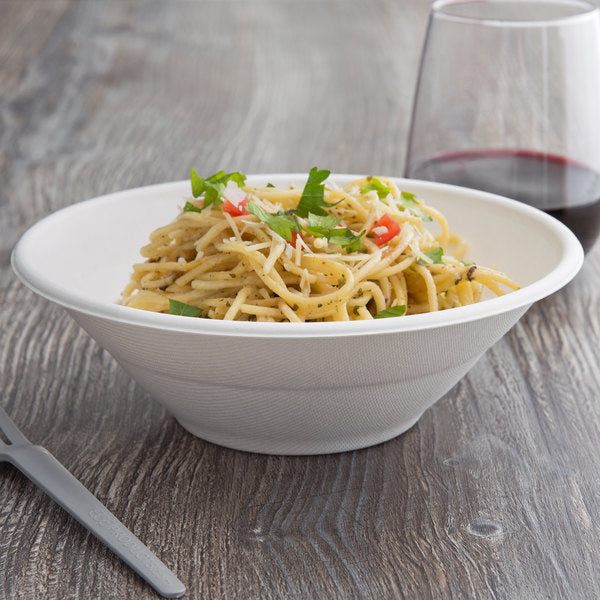
Leftover miso butter pasta can be tricky to reheat, but with the right techniques, you can enjoy creamy, umami-rich pasta without losing flavor or texture. If you’ve ever struggled with sauce separation, dry noodles, or bland reheated pasta, this guide is for you. In this article, you’ll learn how to properly reheat miso butter pasta, restore creamy pasta sauce, reheat pasta without drying, stovetop and microwave reheating tips, and best storage practices for leftover pasta. By following these steps, you can turn your leftover miso butter pasta into a meal that tastes just as good as freshly made.
What Makes Miso Butter Pasta Unique
Miso butter pasta stands out because of its deep umami flavor. The fusion of Japanese miso paste and rich butter creates a creamy, savory sauce that clings perfectly to the noodles. Miso adds fermented complexity and saltiness, while butter softens the flavor and provides a velvety texture.
Unlike tomato-based or oil-based sauces, miso butter sauce contains delicate emulsions of fat and protein. That’s why reheating can cause it to split or lose its smooth consistency. The salt and fat ratios are also different from typical cream sauces, which means temperature control is crucial during reheating.
Food experts, such as those from Serious Eats, note that butter-based sauces are highly sensitive to direct heat. The key is low, gradual reheating — maintaining the sauce’s emulsion without curdling or drying the pasta. Understanding these characteristics will guide your storage and reheating choices later on.
Proper Storage Before Reheating Miso Butter Pasta
Storing miso butter pasta correctly is the first step to reheating it successfully. Poor storage can lead to mushy noodles, separated sauce, and food spoilage. The goal is to maintain moisture and prevent bacterial growth while keeping the sauce creamy.
Storing Miso Butter Pasta in the Refrigerator
If you plan to reheat your pasta within 2–3 days, refrigeration is ideal. Place the cooled pasta in an airtight container and store it at 40°F (4°C) or below. To preserve the sauce’s texture, drizzle a teaspoon of olive oil or melted butter before sealing. This prevents sticking and keeps the surface from drying out.
For best results, store the sauce and noodles separately if possible. According to the USDA Food Safety and Inspection Service, cooked pasta should not remain at room temperature for more than 2 hours. Always refrigerate promptly to avoid bacterial growth.

Freezing Miso Butter Pasta for Later Reheating
Freezing is a great way to extend the shelf life of your miso butter pasta up to 2 months. Cool it completely before transferring it into freezer-safe bags or containers. Portioning (we’ll cover that next) makes defrosting more efficient.
To freeze effectively:
- Toss the pasta with a small amount of oil or butter.
- Use airtight, moisture-proof containers to prevent freezer burn.
- Label with the freezing date.
When ready to reheat, thaw overnight in the refrigerator to avoid shocking the sauce with sudden heat changes. Slow thawing helps maintain the sauce’s emulsified texture.
Portioning Miso Butter Pasta for Easy Reheating
Portioning your leftovers before storage makes reheating faster and more even. Divide the pasta into single-meal portions and store them separately. This prevents over-reheating or drying out large batches.
You can also store the sauce and pasta in different containers. This method, commonly used in restaurant prep kitchens, allows for better temperature control when reheating — since the sauce can be revived separately with a splash of cream, broth, or pasta water.
A practical tip: label each portion with the date and portion size. This ensures food safety and helps track how long your leftovers have been stored.
Why Reheating Miso Butter Pasta Can Be Tricky
The challenge with reheating miso butter pasta lies in its emulsion — a delicate balance of fat (from butter) and water (from miso and pasta). When reheated too quickly or at high temperatures, the fat separates from the water, leading to a greasy or grainy texture.
Additionally, miso’s fermented proteins can react differently under heat compared to cream or tomato sauces. The salt content intensifies, and the sauce can thicken or dry out if not moistened properly. Overheating the pasta also causes starches to release and clump, making the dish gummy.
This is why gentle, moisture-retaining reheating methods are essential. Experts recommend adding a little liquid and controlling the heat for consistent results.
Best Methods to Reheat Miso Butter Pasta
There are three main reheating methods that work well for miso butter pasta: stovetop, microwave, and oven. Each has its benefits depending on portion size and available equipment.
Reheating Miso Butter Pasta on the Stovetop
The stovetop is the most reliable method for maintaining texture and flavor. Use a non-stick skillet or saucepan over low heat. Add a tablespoon of water, broth, or milk to loosen the sauce. Stir gently until the pasta is heated evenly — usually about 3–5 minutes.
This method allows for direct control over temperature and moisture. It’s ideal for small to medium portions and preserves the creamy consistency of the miso butter sauce.

Reheating Miso Butter Pasta in the Microwave
Microwaving is convenient for quick meals, but it requires care to avoid separating the sauce. Place the pasta in a microwave-safe bowl, add a tablespoon of water or milk, and cover loosely with a lid or damp paper towel.
Heat on medium power (50%) for 1 minute, stir, then repeat in 30-second intervals until hot. This gradual reheating prevents overheating and helps the sauce stay creamy.
Reheating Miso Butter Pasta in the Oven
For larger portions or baked leftovers, the oven is effective. Preheat to 325°F (165°C). Transfer the pasta to an oven-safe dish, add a splash of liquid (about 2 tablespoons per serving), and cover tightly with foil to trap steam.
Bake for 10–15 minutes, stirring halfway through. The gentle, indirect heat helps keep the sauce smooth and prevents it from drying out.
Step-by-Step Guide to Reheating Miso Butter Pasta
Preparing Leftover Miso Butter Pasta
Before reheating, check that your pasta has been stored safely (refrigerated or thawed if frozen). Let it sit at room temperature for 10 minutes before heating to reduce temperature shock.
Add a small amount of liquid — about 1 tablespoon per cup of pasta — to help rehydrate the sauce. This could be pasta water, broth, or milk depending on your preference.
Stovetop Reheating of Miso Butter Pasta
- Heat a non-stick skillet on low heat.
- Add 1–2 tablespoons of liquid to the pan.
- Add the pasta and gently toss.
- Stir slowly for 3–5 minutes until warmed through.
- Adjust with more butter or miso if the flavor has dulled.
Pro tip: never let it boil — gentle reheating keeps the butter emulsified.
Microwave Reheating of Miso Butter Pasta
- Place pasta in a microwave-safe bowl.
- Add a teaspoon of water or milk.
- Cover loosely with a lid or damp towel.
- Heat on medium power (50%) for 1 minute.
- Stir and continue in 30-second bursts until hot.
Avoid full power — high heat breaks the sauce.
Finishing Touches After Reheating Miso Butter Pasta
After reheating, taste and adjust the seasoning. Add a small pat of butter, a splash of pasta water, or a few drops of soy sauce to refresh the flavor.
For texture, you can sprinkle fresh scallions, sesame seeds, or grated Parmesan. These final touches not only revive the dish visually but also balance the salty-umami notes from miso.

Troubleshooting Common Problems When Reheating Miso Butter Pasta
Fixing Separated Miso Butter Sauce
If your sauce has separated, don’t panic. Add 1 teaspoon of warm milk or water and stir gently over low heat until it emulsifies again. Avoid whisking too hard — that introduces air and worsens the split.
Reviving Dry or Clumped Pasta
Dry pasta? Add a bit of broth, milk, or reserved pasta water while reheating. Stir until smooth. A drizzle of olive oil can also loosen clumps and restore shine.
Adjusting Flavor of Leftover Miso Butter Pasta
Reheated pasta sometimes loses its balance. You can refresh the taste by:
- Adding a pinch of sugar to reduce saltiness.
- Stirring in a teaspoon of butter for richness.
- Mixing in a few drops of lemon juice for brightness.
Storage and Reheating Best Practices for Miso Butter Pasta
| Step | Best Practice | Reason |
|---|---|---|
| Storage | Use airtight containers | Prevents moisture loss |
| Temperature | Keep below 40°F (4°C) | Stops bacteria growth |
| Reheating | Use low, steady heat | Maintains sauce emulsion |
| Add liquid | Milk, broth, or water | Prevents dryness |
| Avoid boiling | Overheats butter | Causes separation |
Always reheat only once and consume immediately for best quality and safety.
Frequently Asked Questions About How to Reheat Miso Butter Pasta
How Do I Reheat Miso Butter Pasta Without the Sauce Breaking?
Use low heat and add a tablespoon of water or milk. Stir gently while reheating.
Can I Microwave Miso Butter Pasta Leftovers?
Yes — just use 50% power and heat in short intervals. Add moisture before reheating.
How Long Can I Store Miso Butter Pasta Before Reheating?
Refrigerated: up to 3 days. Frozen: up to 2 months if sealed properly.
Can I Freeze Miso Butter Pasta and Reheat Later?
Absolutely. Thaw overnight in the fridge and reheat gently on the stovetop.
What Is the Best Liquid to Add When Reheating Miso Butter Pasta?
Use pasta water, milk, or broth — each keeps the sauce creamy and flavorful.
Why Does Leftover Miso Butter Pasta Sauce Separate When Reheated?
Because butter emulsions break under high heat. Always reheat slowly on low.
Is It Better to Reheat on the Stovetop or Microwave for Butter-Based Pasta?
The stovetop gives the best control and prevents sauce splitting.
How Do You Refresh Leftover Miso Butter Pasta to Taste Fresh?
Add a pat of butter, a few drops of soy sauce, and fresh toppings like scallions.
What Temperature Should I Use to Reheat Miso Butter Pasta?
Aim for low heat, below simmering point (under 180°F / 82°C).
Can I Reheat Miso Butter Pasta with Added Vegetables or Protein?
Yes. Add them in the last minute of reheating to keep them tender and flavorful.
Conclusion
Reheating miso butter pasta doesn’t have to mean sacrificing flavor or texture. With a bit of care — proper storage, added moisture, and gentle heat — you can enjoy leftovers that taste just as creamy and savory as the day you made them.
Remember, the key lies in low temperature and moisture retention. Whether you choose the stovetop, microwave, or oven method, always reheat gradually and finish with a touch of butter or pasta water for a restaurant-quality result.
Read More: