Transporting pies for a catering event whether sweet fruit pies, creamy custard pies, savory meat pies, or assorted mini pies isn’t as simple as putting them in a box and driving off. Without the right care, pies can arrive soggy, cracked, leaning, or leaking, which ruins both taste and presentation.
In this guide, we break down everything you need to know to ensure your pies travel safely: from pie selection and packing containers, to temperature control, cushioning, transport methods, and final setup at the event. Whether you deliver to a wedding, corporate event, or private party, this guide helps your pies arrive in perfect condition.
- How to Transport Cupcakes: Tips for Bakers and Home Delivery
- Catering Services: The Ultimate Guide for Events and Businesses
- How to Host a Pie Party: A Complete Guide for Bakeries, Cafés, and Event Caterers
Why Proper Pie Transport Matters
- Fragile Crusts & Soft Fillings: Pies often have delicate pastry shells and moist or creamy fillings. Without correct handling, crusts break, fillings spill, and visual appeal is lost.
- Impact on Taste and Safety: Heat, moisture, or movement can spoil texture and, in the case of cream or custard pies, risk food safety.
- Presentation & Reputation: For catering presentation matters. A pie that looks ruined damages trust and reputation.
- Customer Satisfaction: Proper transport ensures guests receive pies that look good and taste fresh essential for repeat business and referrals.
Choosing the Right Pies for Transport

Not all pies travel equally well. Consider the type of pie before transport:
Sweet Pies
- Fruit Pies: Apples, berries, peaches – ensure thickened fillings to prevent runny leaks.
- Cream or Custard Pies: Chocolate cream, vanilla custard – refrigerate before transport to set fillings.
- Tarts: Smaller, dense tarts tend to hold up better than delicate layered desserts.
Related blogs:
- Sweet Potato Pie: The Heart of Southern Comfort Baking
- Fall Pies: Celebrate the Season with Flavorful Autumn Desserts
Savory Pies
- Meat Pies: Chicken pot pie, beef pies – sturdy crusts and firm fillings make these ideal for catering.
- Vegetable Pies: Ensure vegetables are cooked and drained to avoid soggy crusts.
- Mini Savory Pies: Single-serve portions are easier to transport safely and ideal for events.
Tip: Avoid overly delicate or extremely soft pies for long-distance transport.
Related blogs:
- Cheese and Pie: Ultimate Guide to Delicious Combinations
- Cheese and Onion Pie: A Savory Classic for Every Café
Essential Equipment for Pie Transport
Pie Boxes
- Sturdy, appropriately sized boxes prevent movement and damage.
- Clear-top boxes allow visual display without opening.
- Mini pie trays or compartments help organize multiple pies in a single container.
Explore our pie boxes and get a sample today!
Cooling Racks
- Allow pies to cool completely before packing.
- Prevent condensation from forming inside boxes.
Insulated Carriers
- Ideal for maintaining temperature during transport.
- Useful for cream or custard pies that require refrigeration.
Non-Slip Mats or Padding
- Prevent pies from sliding or tipping during transit.
- Use silicone mats, foam inserts, or cardboard dividers.
Step-by-Step Guide to Transporting Pies

1. Cool Pies Completely
- Allow pies to cool fully after baking.
- Refrigerate cream, custard, or custard-based pies to firm the filling.
2. Secure the Pies in Boxes
- Use a box slightly larger than the pie for stability.
- Place non-slip liners or cardboard supports at the base.
- For mini pies, use compartment trays to keep them upright.
3. Avoid Overstacking
- Stack only pies of similar height and weight.
- Avoid layering pies directly on top of each other.
- Use dividers for multi-tiered setups.
4. Maintain Temperature
- Refrigerate pies with perishable fillings during transport.
- Insulated carriers are perfect for cream, custard, or seafood pies.
- Sweet pies with cooked fruit can usually travel at room temperature if short distances.
5. Drive Carefully
- Secure pies on flat surfaces inside vehicles.
- Avoid sudden stops, sharp turns, or bumpy roads.
- Use mats or padding to minimize sliding.
6. Handle Upon Arrival
- Open boxes carefully to avoid touching the crust.
- If necessary, reheat savory pies slightly before serving to refresh textures.
- Arrange pies on display trays or catering platters neatly.
Tips for Catering Events
- Label each pie: Indicate flavors, dietary information, or allergens.
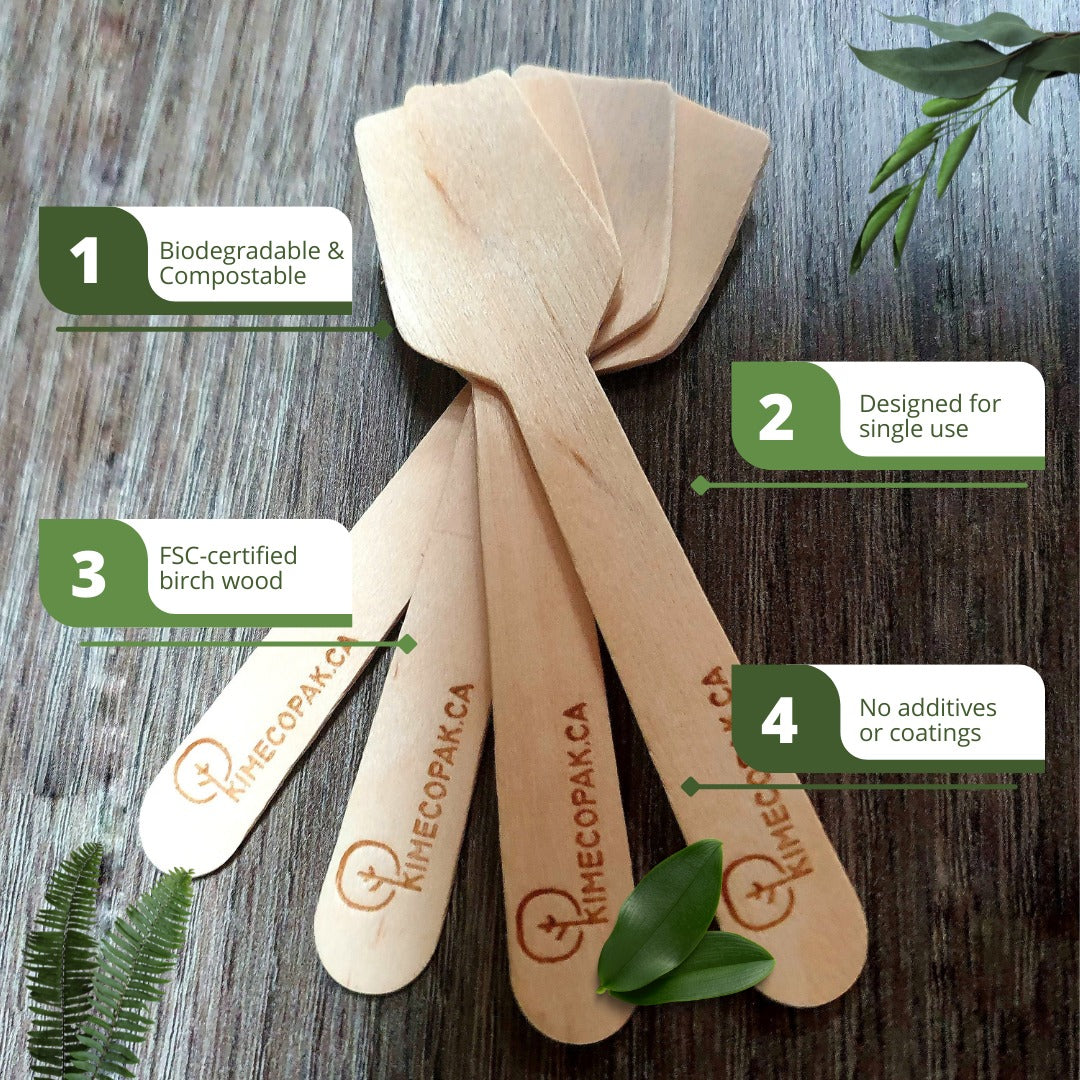
- Provide utensils: For cut-and-serve pies, include pie cutters, spatulas, or serving spoons.
- Prepare backup pies: Having extra pies in case of accidents ensures no guest goes without.
- Mini pies for convenience: Bite-sized portions reduce handling and make service faster.
- Temperature control: Cold pies remain fresh longer; hot pies can be insulated or reheated on-site.
Common Mistakes to Avoid
- Packing pies while warm: Leads to condensation and soggy crusts.
- Using weak boxes: Pies can shift, crumble, or collapse during transport.
- Stacking uneven pies: Causes top pies to tip or fillings to spill.
- Ignoring temperature needs: Cream and custard fillings spoil quickly without cooling.
- Neglecting signage: Unlabeled pies can confuse servers or guests.
Advanced Presentation for Catering
- Use tiered stands for mini pies or cupcakes to save table space.
- Add garnishes like herbs, powdered sugar, or edible flowers for visual impact.
- Arrange pies by flavor or size to guide guests at buffets or dessert stations.
- Provide portable serving utensils and trays for easy guest access.
FAQs About Transporting Pies for Catering

Q: Can I transport pies in the trunk of a car?
A: It’s better to place pies on flat surfaces inside the cabin to avoid bumps and temperature swings.
Q: How long can pies sit at room temperature during an event?
A: Sweet pies with cooked fruit can usually stay 2–4 hours. Cream, custard, or meat pies should remain chilled until serving.
Q: How long can pies safely sit at room temperature during delivery?
A: It depends on filling. Fruit pies without perishable cream generally can stay 2–4 hours (depending on heat), but cream, custard, or meat pies should be chilled and kept cool — ideally under 2 hours of room exposure.
Q: Can mini pies reduce transport risk?
A: Yes. Smaller pies are less likely to tip, easier to package, and convenient for individual servings.
Q: What kind of container works best for pies?
A: A rigid container sized appropriately (not too large), preferably with a secure lid. Add non-slip mat or liner inside and cushioning material around pies to prevent movement.
Q: How to transport pies in hot weather or over long distances?
A: Use insulated carriers or coolers with gel packs (wrapped), keep travel time short, avoid stacking, monitor internal temperature if possible. Cooling before packing is important.
Q: Can I transport pies in the trunk of a car?
A: Yes, but ensure they’re placed on a flat, stable surface (floorboard or flat cargo area), secured against sliding, and avoid hot or direct-sunlight zones.
Q: Are there eco-friendly options for pie transport?
A: Yes. Cardboard or biodegradable pie boxes are sturdy and environmentally responsible.
Conclusion
Transporting pies for catering events whether weddings, corporate parties, or family celebrations demands more than just baking skills. A great pie risks being ruined without careful cooling, packing, stabilization, temperature control, and gentle transport.
By selecting the right containers, using insulation or cushioning, cooling pies properly, and handling with care, you can ensure your pies arrive intact, fresh, and visually appealing. This not only preserves flavor and texture but also upholds your reputation as a reliable baker or caterer.
Start planning transport with care: proper packing, smart handling, and attentive delivery and turn every pie transport into a success story.