Lemon butter caper is a classic, restaurant-style sauce known for its bright citrus flavor, rich buttery texture, and briny caper finish. Made with simple ingredients like lemon juice, unsalted butter, capers, and garlic, this lemon butter caper sauce pairs perfectly with chicken, salmon, white fish, shrimp, and even pasta dishes. If you’re searching for an easy way to elevate everyday meals with a versatile, foolproof sauce, lemon butter caper delivers bold flavor in minutes. In this guide, you’ll learn exactly what lemon butter caper is, how to make it properly, the best proteins and sides to serve it with, and expert tips to achieve a smooth, balanced sauce every time—without overpowering acidity or a broken emulsion.
Lemon Butter Cod Recipe (Easy, Flaky & Ready in 30 Minutes)
Easy Lemon Butter Orzo Recipe – Creamy, Bright & Ready Fast
Lemon Butter: The Simple Sauce That Transforms Every Meal
Butter Packaging Ideas That Make Your Product Stand Out on the Shelf
What Is Lemon Butter Caper Sauce
Lemon butter caper sauce is a classic French-Italian condiment that combines the richness of butter with the bright acidity of fresh lemon juice and the briny punch of capers. This versatile sauce, known as "sauce piccata" in Italian cuisine, creates a harmonious balance between tangy, savory, and slightly salty flavors. The sauce typically features a silky emulsion created by whisking cold butter into a reduction of white wine, lemon juice, and chicken or vegetable stock, with capers adding distinctive pops of flavor throughout. Professional chefs and home cooks alike favor this sauce for its ability to elevate simple proteins like chicken, fish, and veal into restaurant-quality dishes within minutes. According to culinary experts at The Culinary Institute of America, the key to achieving the perfect consistency lies in the emulsification process, where butter is gradually incorporated off heat to create a smooth, glossy finish. This elegant sauce has become a staple in Mediterranean cooking and continues to be a go-to option for those seeking a quick yet impressive meal enhancement that doesn't require extensive culinary skills or exotic ingredients.

Lemon Butter Caper Sauce Ingredients
-
Authentic lemon butter caper sauce uses a small number of high-quality ingredients that work together to create layered, balanced flavor.
-
Unsalted butter (4–6 tablespoons) forms the base of the sauce, adding richness and a smooth, luxurious texture.
-
Fresh lemon juice (from 1–2 lemons) is essential for bright acidity and aroma; bottled lemon juice lacks freshness and depth.
-
Capers (2–3 tablespoons, brined) deliver the signature tangy, slightly floral flavor that defines lemon butter caper sauce.
-
Dry white wine (¼ cup) adds complexity and helps deglaze the pan for deeper flavor development.
-
Chicken or vegetable stock (½ cup) provides body and subtle savory notes.
-
Minced garlic (1–2 cloves) and finely chopped shallots enhance the sauce with gentle aromatic depth.
-
Fresh parsley is often added for color and a light herbaceous finish.
-
Some variations include a small amount of all-purpose flour for thickening, though classic recipes rely on butter emulsification alone.
-
Ingredient quality makes a noticeable difference—European-style butter creates a richer sauce, while well-brined capers from reputable brands offer clean flavor without excess salt.
How to Make Lemon Butter Caper Sauce
Making lemon butter caper sauce is surprisingly straightforward and takes only about 10-15 minutes from start to finish. Begin by heating a large skillet over medium heat and adding a small amount of olive oil or a tablespoon of butter. If you're serving the sauce with protein, cook your chicken, fish, or veal first and set aside, leaving the flavorful browned bits (fond) in the pan. Add minced shallots or garlic to the pan and sauté for 30-60 seconds until fragrant but not browned. Pour in the white wine to deglaze, scraping up those delicious browned bits with a wooden spoon, and let it reduce by half—this concentrates the flavors and cooks off the alcohol. Add the chicken or vegetable stock and lemon juice, bringing the mixture to a gentle simmer. Allow this to reduce by about one-third, which typically takes 3-4 minutes. Remove the pan from heat—this crucial step prevents the butter from breaking and becoming greasy. Add the capers, then begin whisking in cold butter one tablespoon at a time, allowing each piece to fully incorporate before adding the next. The sauce will transform into a glossy, cohesive emulsion. Taste and adjust seasoning with salt, pepper, and additional lemon juice if needed. Finish with fresh parsley and serve immediately for the best texture and flavor.
Step-by-Step Quick Reference:
- Sauté aromatics (shallots/garlic) – 1 minute
- Deglaze with wine and reduce by half – 2-3 minutes
- Add stock and lemon juice, reduce by one-third – 3-4 minutes
- Remove from heat and whisk in cold butter gradually – 2-3 minutes
- Add capers and parsley, season to taste – 1 minute
Lemon Butter Caper Pasta
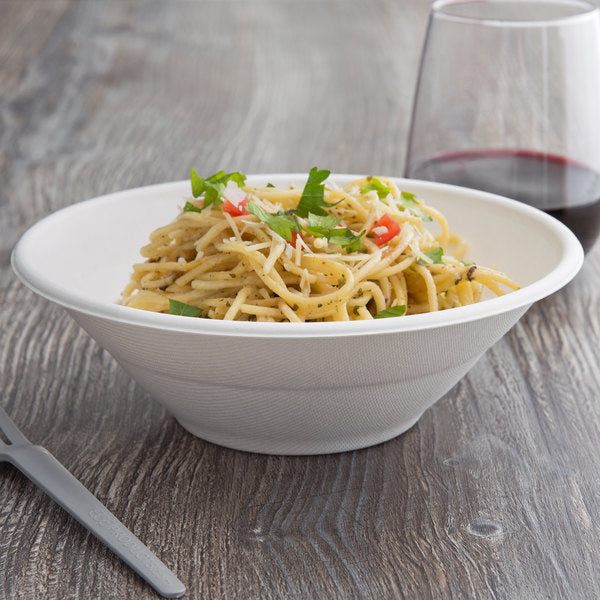
Lemon butter caper sauce transforms ordinary pasta into an elegant, restaurant-worthy dish that comes together in the time it takes to boil noodles. This preparation works exceptionally well with long pasta shapes like linguine, spaghetti, or fettuccine, which catch and hold the silky sauce beautifully. To create this dish, cook your pasta in generously salted water until al dente, reserving at least one cup of the starchy pasta water before draining. The pasta water becomes a secret weapon for adjusting sauce consistency and helping it cling to the noodles. After preparing your lemon butter caper sauce in a large skillet, add the drained pasta directly to the sauce along with 2-3 tablespoons of reserved pasta water. Toss vigorously using tongs or two forks, adding more pasta water as needed to create a glossy coating that envelops each strand. Many Italian home cooks recommend finishing the pasta in the sauce for the final minute of cooking, allowing the noodles to absorb flavors while contributing their starch to the sauce's body. For added protein and heartiness, consider tossing in grilled shrimp, flaked salmon, or shredded rotisserie chicken. A generous handful of freshly grated Parmesan cheese and torn basil leaves elevate the dish further, creating a complete meal that satisfies without feeling heavy.
What to Serve with Lemon Butter Caper
Lemon butter caper sauce pairs beautifully with a wide variety of proteins and vegetables, making it one of the most versatile sauces in culinary repertoire. The classic pairing features chicken piccata, where thinly pounded chicken breasts are lightly dredged in flour, pan-fried until golden, and finished with the bright, tangy sauce. Fish and seafood are equally excellent choices—delicate white fish like cod, halibut, or sole benefit from the sauce's acidity, which cuts through richness without overwhelming subtle flavors. Salmon, with its higher fat content, creates a particularly luxurious combination with the buttery sauce. Veal scaloppini represents the traditional Italian preparation, though pork tenderloin medallions offer a more budget-friendly alternative with similar results. Vegetarian options abound as well: the sauce dramatically enhances roasted cauliflower steaks, grilled zucchini, or sautéed mushrooms. For a complete meal, serve alongside simple preparations that won't compete with the sauce's bold flavors—roasted asparagus, garlic green beans, or a crisp arugula salad with lemon vinaigrette complement perfectly. Starchy sides like creamy polenta, garlic mashed potatoes, or crusty bread help soak up every precious drop of sauce, ensuring nothing goes to waste on the plate.

Best Protein Pairings:
- Chicken breast (traditional piccata style)
- White fish (cod, halibut, tilapia, sole)
- Salmon or trout
- Shrimp or scallops
- Pork tenderloin or chops
- Veal scaloppini
Ideal Side Dishes:
- Roasted or steamed asparagus
- Garlic green beans
- Simple arugula salad
- Creamy polenta
- Garlic mashed potatoes
- Crusty Italian bread
Storing and Reheating Lemon Butter Caper
Proper storage and reheating techniques help maintain the sauce's quality and prevent the butter emulsion from breaking. Fresh lemon butter caper sauce can be refrigerated in an airtight container for up to 3-4 days, though the texture will change slightly as the butter solidifies. Before storing, allow the sauce to cool to room temperature to prevent condensation buildup inside the container, which can dilute flavors and promote bacterial growth. When ready to reheat, transfer the sauce to a small saucepan and warm it over low heat, whisking frequently to re-emulsify the butter. Adding a tablespoon of warm water or chicken stock helps restore the original silky consistency. Avoid microwaving if possible, as uneven heating can cause the sauce to separate and become greasy. If the sauce does break during reheating, remove it from heat and whisk in a tablespoon of cold butter or a splash of cold cream to bring it back together. For longer storage, freezing is not recommended—the emulsion will break completely upon thawing, and the texture of capers deteriorates significantly. Instead, consider preparing fresh sauce as needed, which takes only 10-15 minutes. If you frequently use this sauce, you can prepare a concentrated base with wine, stock, and lemon juice in advance, refrigerating it for up to a week and adding fresh butter and capers when ready to serve.
Lemon Butter Caper FAQs
What Is Lemon Butter Caper Sauce Made Of
Lemon butter caper sauce consists of six essential components that create its signature flavor profile. The base includes unsalted butter, which provides richness and creates the sauce's silky texture through emulsification. Fresh lemon juice contributes bright acidity that balances the butter's heaviness, while capers add briny, tangy notes with their distinctive pickled flavor. Dry white wine forms the deglazing liquid and adds complexity, though some recipes substitute with additional stock. Chicken or vegetable stock provides savory depth and helps achieve the proper consistency without making the sauce too thick or too thin. Aromatics like minced garlic or shallots enhance the overall flavor foundation. The beauty of this sauce lies in its simplicity—these few high-quality ingredients transform into something far greater than the sum of their parts. According to James Beard Award-winning chef Lidia Bastianich, the key is using the freshest ingredients possible, as each component plays a starring role. Unlike cream-based sauces that can mask inferior ingredients, the clean flavors of lemon butter caper sauce highlight every element, making quality particularly important for achieving restaurant-caliber results at home.
Is Lemon Butter Caper the Same as Piccata
Lemon butter caper sauce and piccata sauce are essentially the same preparation, though "piccata" specifically refers to the Italian cooking technique and complete dish rather than just the sauce. In Italian cuisine, "piccata" describes a method of preparing meat—typically veal, chicken, or pork—where thin cutlets are dredged in flour, sautéed until golden, and finished with a sauce of lemon, butter, and capers. The term "piccata" literally means "larded" or "pounded flat" in Italian, referring to the thinly sliced preparation of the meat. When most people refer to "piccata sauce," they're describing the same lemon butter caper sauce used to finish the dish. The sauce components remain consistent whether you call it lemon butter caper sauce, piccata sauce, or sauce piccata. However, authentic Italian piccata preparations often include white wine in the sauce, while some simplified American versions skip this ingredient. Food historians note that piccata originated in Italian restaurants in the United States rather than in Italy itself, where similar preparations exist but aren't necessarily called "piccata." Regardless of terminology, both names describe the same delicious combination of tangy, buttery, and briny flavors that have made this sauce a beloved staple in Italian-American cooking.
Can Lemon Butter Caper Sauce Be Made Without Capers
Yes, lemon butter caper sauce can absolutely be made without capers, though the result will have a different flavor profile that emphasizes the lemon and butter components. Without capers, the sauce loses its distinctive briny, slightly floral notes and becomes a straightforward lemon butter sauce—still delicious but less complex. If you're avoiding capers due to availability or personal preference, several substitutions can approximate their unique contribution. Green olives, particularly Castelvetrano or Cerignola varieties, provide a similar briny quality when chopped finely, though they're less tangy and slightly fruitier. Chopped cornichons or dill pickles offer acidity and texture, working particularly well if you increase the lemon juice slightly. Some cooks use chopped artichoke hearts for a milder approach that still adds textural interest. For those with caper allergies or sensitivities, nutritionist recommendations suggest adding a small amount of pickle brine or white wine vinegar to replicate the acidic punch capers provide. You can also enhance the sauce with fresh herbs like dill, tarragon, or additional parsley to add complexity that compensates for the missing capers. The sauce will remain perfectly serviceable and tasty without capers—it simply becomes a different, though equally valid, preparation that works well with fish and poultry.
What Protein Goes Best with Lemon Butter Caper
Chicken breast ranks as the most popular protein for lemon butter caper sauce, particularly when prepared piccata-style with thinly pounded cutlets that cook quickly and absorb the sauce beautifully. The mild flavor of chicken provides an ideal canvas for the bright, tangy sauce without competing for attention. White fish varieties including cod, halibut, tilapia, and sole are equally excellent choices, as their delicate texture and subtle taste benefit significantly from the sauce's bold acidity and richness. According to seafood sustainability guides from the Monterey Bay Aquarium, Pacific halibut and Atlantic cod from well-managed fisheries make both environmentally responsible and delicious options. Salmon offers a richer alternative, with the sauce's acidity cutting through the fish's natural oils for a balanced bite. Shrimp and scallops provide elegant seafood options that cook rapidly and pair wonderfully with the lemony sauce. Veal scaloppini represents the traditional Italian preparation, though availability and cost make it less common in home cooking. Pork tenderloin and pork chops offer excellent alternatives with similar tenderness and mild flavor. For vegetarian preparations, firm tofu or tempeh can be pan-fried and finished with the sauce, while portobello mushrooms provide a meaty texture that works surprisingly well with the bright, acidic flavors.
Protein Recommendations by Cook Time:
| Protein | Cooking Time | Best Preparation |
|---|---|---|
| Chicken breast | 6-8 minutes | Pounded thin, lightly floured |
| White fish (cod, halibut) | 4-6 minutes | Pan-seared, skin-on or skinless |
| Salmon | 6-8 minutes | Skin-on, seared |
| Shrimp | 3-4 minutes | Peeled, deveined |
| Pork tenderloin | 8-10 minutes | Sliced into medallions |
| Veal cutlets | 4-6 minutes | Pounded very thin |
Can Lemon Butter Caper Sauce Be Made Ahead
Lemon butter caper sauce can be partially prepared ahead, though making it entirely in advance presents challenges due to the nature of butter emulsions. The best approach for advance preparation involves creating a concentrated flavor base by reducing the wine, stock, and lemon juice together, then refrigerating this mixture for up to 5-7 days in an airtight container. When ready to serve, simply reheat this base gently and whisk in fresh cold butter and capers at the last minute to create the finished sauce. This method preserves the sauce's silky texture while significantly reducing cooking time during final meal preparation. Professional caterers and restaurant chefs often use this technique during busy service periods to maintain quality while managing time constraints. If you absolutely must make the complete sauce ahead, it can be refrigerated for up to 3-4 days, but expect textural changes as the butter solidifies and the emulsion breaks down. Reheating requires patience and technique—warm the sauce over very low heat while whisking constantly, and add a tablespoon of warm water or stock to help re-emulsify the butter. Some home cooks report success with making the sauce 1-2 hours ahead and keeping it warm in a thermos or insulated container, though this method works best for small quantities and short time frames rather than true advance preparation.
How Do You Thicken Lemon Butter Caper Sauce
Thickening lemon butter caper sauce requires understanding the science behind emulsification and using appropriate techniques that won't compromise the sauce's character. The most traditional method relies on properly emulsifying cold butter into the reduced liquid base—the fat molecules in butter, when whisked vigorously off heat, create a natural thickening effect without additional ingredients. If your sauce remains too thin after incorporating butter, the simplest solution involves continued reduction: return the sauce to very low heat and simmer gently until it reaches your desired consistency, remembering that it will thicken slightly as it cools. For a more substantial thickness, create a small slurry by mixing one tablespoon of cornstarch or flour with two tablespoons of cold water, then whisk this into the simmering sauce and cook for 1-2 minutes until thickened. This technique appears frequently in American adaptations of the recipe, though purists argue it muddies the sauce's clean flavors. Another approach involves adding a tablespoon of cold butter mixed with an equal amount of flour (beurre manié in French cooking) to the simmering sauce, whisking until dissolved and thickened. Some chefs use reserved pasta water, which contains natural starches that thicken the sauce while helping it adhere to noodles. The key is adding thickeners gradually—you can always add more, but it's difficult to thin an over-thickened sauce without diluting flavors.
Thickening Methods Comparison:
- Butter emulsification: Most traditional, cleanest flavor, requires technique
- Reduction: Simple, concentrates flavors, time-consuming
- Cornstarch slurry: Quick, reliable, slightly alters texture
- Beurre manié: Professional technique, smooth result, adds richness
- Pasta water: Best for pasta dishes, natural thickening, adds starch
Is Lemon Butter Caper Sauce Acidic
Yes, lemon butter caper sauce is moderately acidic due to the fresh lemon juice and brined capers that form essential components of its flavor profile. The pH level of the sauce typically ranges from 3.5 to 4.5, which places it in the acidic category, though the butter's fat content and any added stock help buffer this acidity somewhat. Fresh lemon juice has a pH of approximately 2.0-2.5, making it quite acidic, while capers packed in brine add additional acidity from the vinegar or lemon juice used in their preservation. However, this acidity serves a crucial culinary purpose rather than being a drawback—it cuts through the richness of butter and fatty proteins, cleansing the palate between bites and preventing the dish from feeling heavy or cloying. According to registered dietitian recommendations, individuals with acid reflux or GERD should approach this sauce with caution, as the combination of citrus and vinegar can trigger symptoms in sensitive individuals. For those who find the sauce too acidic, several modifications can help: reduce the lemon juice by one-third, rinse the capers before adding them to remove excess brine, or increase the butter content slightly to provide more buffering. Adding a small pinch of sugar can also balance acidity without making the sauce taste sweet.
Is Lemon Butter Caper Good for Pasta
Lemon butter caper sauce is excellent for pasta, creating a light yet flavorful dish that comes together quickly and satisfies without feeling overly heavy. The sauce's composition makes it ideal for coating long pasta shapes like linguine, spaghetti, angel hair, or fettuccine, as the silky texture clings beautifully to the noodles while the capers nestle between strands for bursts of flavor in every bite. Unlike cream-based sauces that can become heavy and coating, lemon butter caper sauce maintains a bright, fresh quality that works year-round and appeals to those seeking lighter pasta preparations. The key to success lies in proper technique: reserve pasta cooking water before draining, as its starch content helps the sauce emulsify with the noodles and achieve the glossy, cohesive consistency Italian cooks call "mantecatura." Food bloggers and home cooks consistently rate lemon butter caper pasta among the top 10-minute meal options, praising its restaurant-quality results with minimal effort. The sauce also accommodates additions beautifully—toss in sautéed cherry tomatoes for sweetness, add grilled chicken or shrimp for protein, or stir in fresh spinach or arugula for vegetables. Nutritionally, this preparation offers a lighter alternative to cream sauces while still providing satisfaction, and the vitamin C from lemon juice offers some nutritional benefit alongside the indulgent butter component.
Read More
What Is Butter: Dairy Essential or Outdated Ingredient?
Vegan Butter Taste Test: Which One Truly Tastes Like Real Butter?
Vegan Brown Butter 101: Everything You Need to Know to Get It Right
Garlic Butter Pasta Recipe: Easy 15-Minute Dinner (Better Than Restaurants!)