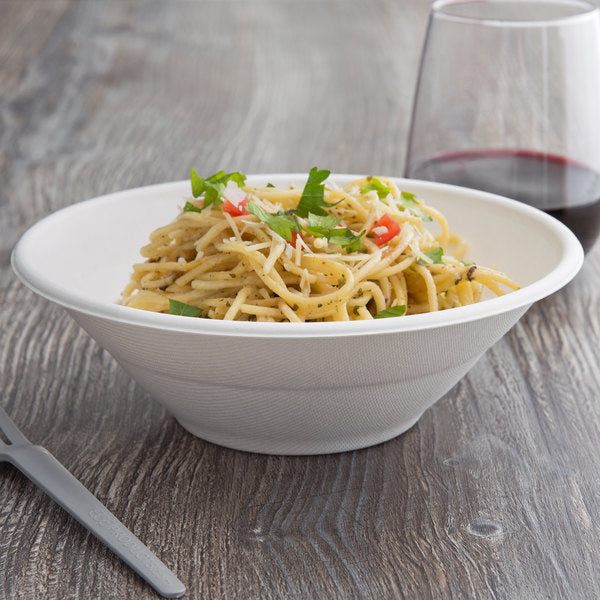
When it comes to homemade pasta, the flour you choose can make or break your dish. From delicate ravioli to hearty fettuccine, selecting the right pasta flour ensures perfect texture, elasticity, and flavor. This guide will explore everything you need to know about pasta flour, including types, uses, nutritional benefits, and expert tips for making perfect pasta at home.
-
Amaranth Flour: The Ultimate Guide to Nutrition, Uses, and Health Benefits
-
Quinoa Flour: Benefits, Uses, Nutrition & How It Compares to Other Gluten-Free Flours
-
Buckwheat Flour: Uses, Benefits, Nutrition & How to Cook With It
What Is Pasta Flour?

Pasta flour is a specialized flour designed to create smooth, elastic pasta dough. Unlike general-purpose flour, pasta flours are chosen for their protein content and gluten development, which directly impact pasta’s chewiness and structure. Using the right flour ensures your pasta holds its shape during cooking and absorbs sauces properly.
Pasta flour is typically made from durum wheat, but other types of flour, such as tipo 00, whole wheat, or alternative flours like buckwheat and chickpea, can also be used depending on the recipe.
Types of Pasta Flour

1. “00” Flour (Tipo 00)
“00” flour is the gold standard in Italian pasta making. Finely milled from soft wheat, it has a smooth texture and low protein content (around 8–11%), making it ideal for thin, delicate pasta like ravioli and tagliatelle. Its fine texture allows for silky sheets and effortless rolling with a pasta machine.
Related keywords: double zero flour, finely milled wheat flour, soft wheat flour pasta
2. Semolina (Durum Wheat) Flour
Semolina flour, made from durum wheat, is coarse and high in protein (12–14%), providing a firm, slightly chewy texture perfect for extruded pasta shapes like spaghetti, penne, and fusilli. Its golden hue also gives pasta an authentic Italian look.
3. All-Purpose (AP) Flour
All-purpose flour is a versatile choice for home cooks. While it lacks the high protein of semolina, it works well for soft pasta, especially when mixed with semolina or 00 flour. It’s ideal for quick pasta recipes and beginners.
4. Bread Flour
Bread flour has a higher protein content than AP flour, resulting in a chewier pasta. It’s best for robust doughs like egg-based noodles and hand-shaped pasta that require elasticity.
5. Whole Wheat Flour
Whole wheat flour includes bran and germ, adding a nutty flavor and coarse texture. It is a healthy alternative, offering more fiber and nutrients. Whole wheat pasta is ideal for rustic dishes and hearty sauces.
6. Specialty & Alternative Flours
For gluten-free or unique pasta recipes, alternative flours are popular:
-
Buckwheat flour: nutty, ideal for soba-style pasta
-
Chickpea flour: high protein, dense texture
-
Chestnut flour: sweet and aromatic, perfect for seasonal dishes
-
Cornmeal / Polenta flour: adds crunch and flavor
-
Potato flour: used in gnocchi or blended doughs
How to Choose the Right Pasta Flour

Choosing the correct pasta flour depends on pasta type, texture preferences, and cooking method:
-
Match Flour to Pasta Type:
-
Egg pasta: 00 flour or AP flour
-
Water-based pasta: semolina for structure
-
Hand-shaped vs extruded pasta: consider protein content
-
-
Texture and Gluten Considerations:
-
High protein (semolina, bread flour) → firm, chewy pasta
-
Low protein (00 flour) → silky, tender pasta
-
-
Flavor Profile:
-
Neutral flavor: 00 flour
-
Nutty or rustic flavor: whole wheat, buckwheat
-
-
Equipment Compatibility:
-
Pasta machine: smooth flour (00 or AP)
-
Hand-rolling: semolina for dusting and structure
-
-
Cost and Availability:
-
Imported Italian flours may be pricier
-
Local AP or semolina is often sufficient for home cooks
-
How to Use Pasta Flour

Hydration and Mixing
Typical pasta dough uses a 2:1 flour-to-liquid ratio for egg pasta. Mix flour with eggs or water until a cohesive dough forms.
Kneading
Kneading develops gluten, giving pasta elasticity. Knead 8–10 minutes for 00 flour, 10–15 minutes for semolina.
Rolling and Shaping
-
Thin sheets: 00 or AP flour
-
Hand-shaped pasta: semolina dusted on the board
-
Extruded pasta: semolina or specialty blends
Drying and Cooking
-
Fresh pasta cooks quickly (2–5 minutes)
-
Dried pasta lasts months and requires semolina or blends with AP flour
Storage
-
Keep pasta flour in a cool, dry, airtight container
-
Whole wheat and specialty flours have shorter shelf life
Nutritional Profile of Pasta Flour
| Flour Type | Protein | Fiber | Calories | Gluten Content |
|---|---|---|---|---|
| 00 Flour | 8–11% | Low | 364 kcal/100g | Low |
| Semolina | 12–14% | Medium | 360 kcal/100g | High |
| Whole Wheat | 13–15% | High | 340 kcal/100g | Medium |
| Alternative Flours | Varies | Medium | Varies | Low/Gluten-Free |
Health benefits include higher fiber in whole wheat, lower gluten for sensitive diets, and higher protein in semolina or chickpea flour.
Common Mistakes and Troubleshooting
-
Dough too sticky: Add more flour gradually
-
Dough too dry: Increase liquid slightly
-
Pasta falls apart: Knead more for gluten development
-
Uneven texture: Ensure proper flour type for recipe
-
Poor rolling: Dust board with semolina or 00 flour
Popular Pasta Flour Brands
-
Italian brands: Caputo 00, De Cecco semolina
-
American brands: King Arthur, Bob’s Red Mill
-
Specialty mill blends: Molino Magri, Molino Denti
Sustainability & Ethical Considerations

-
Organic pasta flours reduce chemical usage
-
Locally milled flours reduce transportation emissions
-
Eco-friendly packaging minimizes plastic waste
-
Reducing waste: repurpose leftover flour or make small batches
FAQs About Pasta Flour
-
What type of flour is best for making pasta?
00 flour for delicate pasta, semolina for extruded pasta -
Can I use all-purpose flour for pasta?
Yes, especially when mixed with semolina or for soft pasta -
What does “00” pasta flour mean?
It refers to the finest grind of wheat flour, smooth texture -
Are there gluten-free pasta flours?
Yes, buckwheat, chickpea, and rice flours are common alternatives -
Can I make whole wheat pasta?
Absolutely, but dough may need extra hydration and kneading
Conclusion
Choosing the right pasta flour is essential for delicious, restaurant-quality pasta at home. From 00 flour for delicate textures to semolina for firm, chewy pasta, each type offers unique benefits. Experimenting with blends and alternative flours can elevate your pasta-making skills while adding nutritional value and variety. Always consider protein content, gluten development, and flavor to create perfect pasta every time.