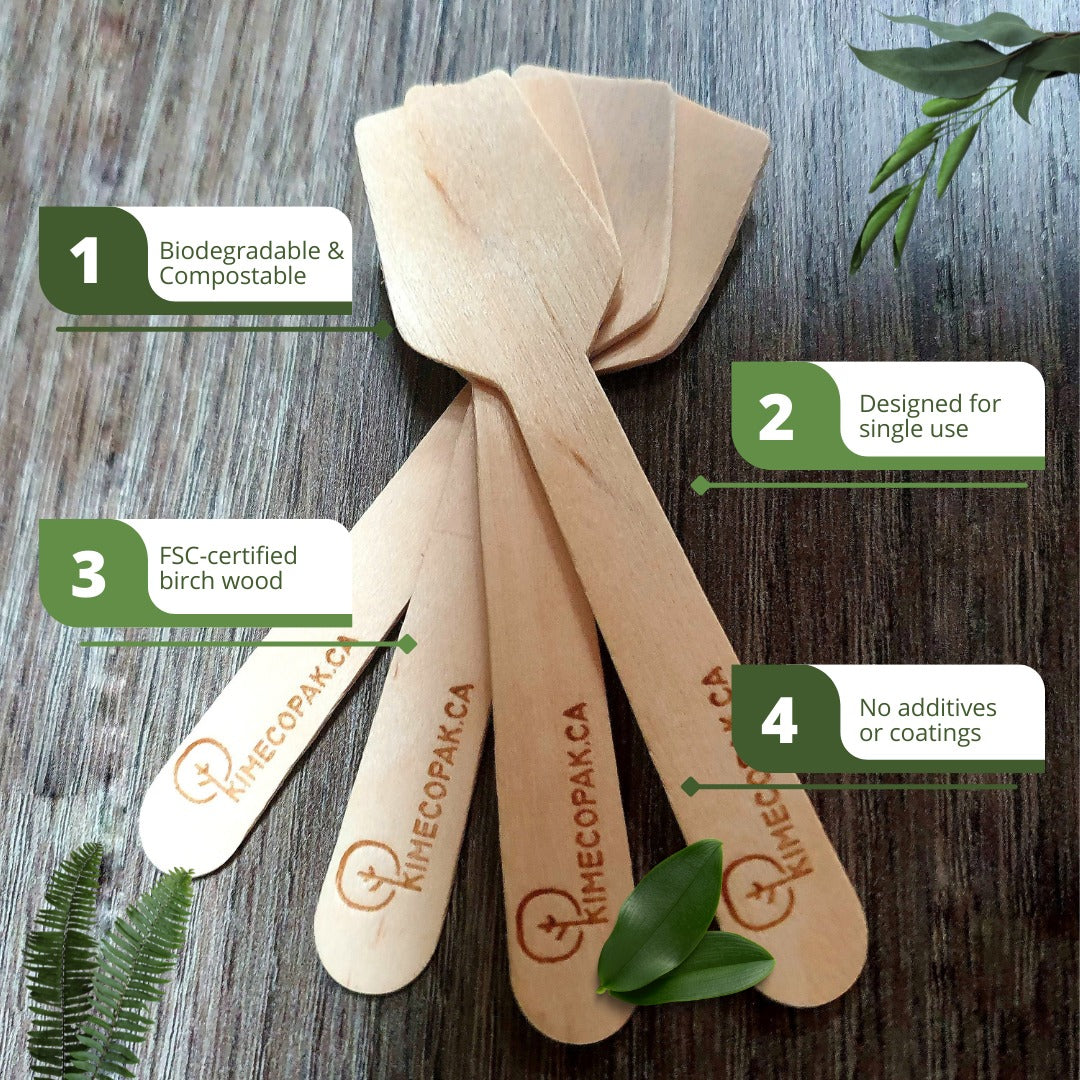
Butter chicken remains one of the most profitable and versatile dishes on Canadian menus. From quick-service Indian takeout to upscale fusion bistros, this creamy tomato-based curry consistently drives repeat orders, strong margins, and high customer satisfaction. At kimecopak.ca, we work with restaurants, cafés, and meal-prep brands across Canada that rely on durable, leak-resistant, and presentation-ready packaging for saucy dishes like butter chicken because how you serve it matters just as much as how you cook it.
If you're considering adding new butter chicken variations or refining your current offering, this guide breaks down the types of butter chicken that resonate with today’s customers, while helping you evaluate cost, prep efficiency, branding potential, and takeout performance.
- Butter Chicken Calories: How Many Calories Are in Butter Chicken + Takeout Portion Estimates
- Curry Pizza: The Complete Guide to Indian Fusion Pizza (5 Sauces, 6 Recipes & No-Soggy-Crust Method)
- Calories In Chicken Pot Pie Homemade: What Cafés & Bakeries Should Know
- Calories in Fried Chicken: Breast, Thigh, Drumstick & Wing Breakdown
What Is Butter Chicken?

Origins and Culinary Identity
Butter chicken, also known as chicken makhani, originated in Delhi as a solution to repurpose leftover tandoori chicken in a rich tomato and butter-based gravy. Over time, it evolved into a globally recognized comfort dish.
For Canadian food businesses, butter chicken is more than a traditional curry—it is:
- A reliable bestseller
- A gateway dish for new customers unfamiliar with Indian cuisine
- A scalable production item for catering and delivery
Its creamy, mildly spiced profile appeals broadly across demographics, making it ideal for restaurants targeting family dining, corporate lunch programs, or meal kits.
Core Ingredients & Flavor Profile
The classic butter chicken base includes:
- Tomato puree
- Butter and cream
- Aromatic spices (garam masala, cumin, coriander)
- Marinated chicken (often tandoori-style)
From a cost standpoint, cream and butter are the primary margin variables. Restaurants that manage portion control and sauce-to-protein ratios carefully maintain strong profitability while preserving flavor consistency.
Why Variations Exist (Regional & Modern Trends)
Butter chicken has diversified for several reasons:
- Regional adaptations
- Health-conscious customer demand
- Faster prep requirements
- Fusion cuisine growth
- Delivery and takeout expansion
Today’s consumers expect customization—spice levels, dairy-free options, lighter versions—making it critical for food operators to understand the full range of butter chicken types available.
Classic Butter Chicken Variations

Old Delhi-Style (Traditional Creamy Makhani)
This is the original format:
- Rich tomato base
- Generous butter and cream
- Charred tandoori chicken
- Balanced sweetness
Business insight:
This version performs best in dine-in settings where presentation and authenticity drive perceived value. Because of its heavier cream content, ingredient cost is slightly higher—but customers typically accept premium pricing.
Restaurant-Style Creamy Butter Chicken
Most Canadian restaurants serve a slightly sweeter, smoother version:
- Increased cream for silkier texture
- Slightly milder spice
- Uniform sauce consistency
Operational advantage: Easier to batch-produce and standardize. It performs well in catering trays and delivery bowls such as compostable containers from KimEcopak.
If butter chicken is your top seller, consistency and leak-proof delivery containers are non-negotiable. GET FREE SAMPLES NOW to test performance in your kitchen.
Minimalist One-Pot Butter Chicken
Designed for efficiency:
- Simplified spice profile
- Single-pot preparation
- Faster cook time
Best for: Quick-service restaurants (QSR) and food trucks.
This version reduces labor cost and improves speed of service. However, flavor complexity may be slightly reduced compared to traditional slow-simmered styles.
Quick 30-Minute Butter Chicken
A high-volume adaptation using:
- Pre-marinated chicken
- Prepared spice blends
- Faster cooking techniques
Business advantage:
Ideal for:
- Food courts
- Corporate cafeteria programs
- Cloud kitchens
Lower prep time increases daily output capacity, improving revenue per labor hour.
Health-Focused & Diet-Friendly Butter Chicken
Consumer demand in Canada increasingly includes dietary preferences and allergen awareness.
No-Butter or Reduced Butter Version
Uses less butter and substitutes oil or yogurt for richness.
Benefits:
- Lower ingredient cost
- “Lighter option” menu positioning
- Appeals to health-conscious diners
This variation is excellent for cafés offering lunch bowls.
Low-Calorie / Lighter Cream Alternatives
Substitutions may include:
- Greek yogurt
- Cashew paste
- Reduced-fat cream
Branding opportunity:
Marketed as “lighter butter chicken” without sacrificing flavor.
Dairy-Free (Coconut Milk) Butter Chicken
Replaces cream with coconut milk.
Why it matters:
- Expands audience reach
- Appeals to lactose-intolerant customers
- Differentiates your menu
Gluten-Free / Allergen-Friendly Variations
Butter chicken is naturally gluten-free if no wheat-based thickening agents are added.
For operators in Canada, allergen labeling and cross-contamination management must comply with federal and provincial regulations. Offering gluten-free butter chicken strengthens trust and repeat orders.
Pair these diet-friendly versions with sustainable, clearly labeled containers to reinforce your brand commitment to responsible dining.
Flavor-Forward & Regional Variations
Garlic Butter Chicken
Enhanced garlic presence for bold flavor.
Best for:
- Younger demographics
- Fusion casual dining
Green Butter Chicken (Spinach or Herb Base)
Includes spinach puree or herb blend for color and freshness.
Marketing angle: Visually striking—ideal for social media exposure and takeaway branding photos.
Spicy or Extra Heat Butter Chicken
Targets spice-loving customers.
Operational tip: Offer spice level customization while maintaining one base sauce. Add heat at the final stage to avoid doubling production complexity.
Tandoori Butter Chicken (Smoky Flavor)
Features charred chicken pieces with enhanced smoky aroma.
Premium positioning: Excellent for upscale restaurants and plated service.
Creative & Fusion Butter Chicken Dishes
Butter Chicken Biryani
Combines curry with layered rice.
Revenue opportunity: Higher average order value compared to curry alone.
Butter Chicken Wraps & Sandwiches
A modern adaptation:
- Butter chicken naan wrap
- Butter chicken panini
Best for cafés and bakeries expanding into savory menus.
Butter Chicken Pizza & Pasta
Fusion concepts attract younger customers and late-night delivery traffic.
Butter Chicken Noodles
Fast-casual and food court favorite.
These fusion options expand your brand identity beyond traditional Indian cuisine and increase cross-category sales.
How to Choose the Right Butter Chicken Variation for Your Menu

Cost of Ingredients & Margin Impact
Key cost drivers:
- Cream and butter
- Protein portion size
- Specialty ingredients
Classic makhani may cost more but commands higher pricing. Lighter versions reduce food cost percentage.
Prep Time & Kitchen Workflow
Ask:
- Can this be batch-cooked?
- Does it require specialized equipment?
- Will it slow down service?
One-pot and quick versions reduce kitchen bottlenecks.
Customer Preferences (Mild vs. Spicy)
In Canada, mild to medium spice levels typically perform best. Offer customization but avoid operational complexity.
Packaging & Takeaway Considerations
Butter chicken is sauce-heavy. Poor packaging leads to:
- Leakage
- Customer complaints
- Negative reviews
Choose leak-resistant, heat-stable containers.
Butter Chicken Pairings & Serving Suggestions
Rice & Breads
- Basmati rice
- Jeera rice
- Garlic naan
- Roti
Bundle these as combo meals to increase average ticket size.
Sides
- Raita
- Pickled onions
- Fresh salad
Sides add perceived value with minimal cost increase.
Beverage Pairings
- Mango lassi
- Chai
- Sparkling beverages
Strategic upselling improves profit margins.
Before moving to FAQs, evaluate your current butter chicken offering:
- Are you maximizing portion control?
- Is your packaging protecting food quality?
- Are you offering variations that match customer demand?
If you’re ready to upgrade your food presentation and operational efficiency, get sample now and test eco-friendly packaging built for hot, saucy dishes.
Frequently Asked Questions: Types of Butter Chicken

Are all butter chicken types equally authentic?
Authenticity varies by region and preparation style. The traditional Delhi version is considered the original, but many adaptations remain culturally valid.
Can butter chicken be made dairy-free?
Yes. Coconut milk or cashew-based alternatives can replace cream and butter while maintaining texture.
What is the difference between butter chicken and chicken makhani?
They are often used interchangeably. Makhani refers to the buttery tomato gravy base.
How does preparation time vary by type?
Traditional versions may require marination and slow cooking, while quick-service versions can be prepared in 30–40 minutes.
Are there regional Indian versions of butter chicken?
Yes. Variations exist based on spice intensity, cream content, and cooking method.
Conclusion: Expanding Your Menu with Butter Chicken Varieties
Butter chicken remains one of Canada’s most dependable menu performers. But the real opportunity lies in strategic variation:
- Offer one classic
- Add one health-focused version
- Introduce one fusion adaptation
- Optimize packaging for delivery
For bakeries, cafés, and restaurants expanding into savory categories, butter chicken provides a low-risk, high-demand option.
Strong margins depend not only on recipe design but also on portioning, workflow efficiency, and reliable packaging that preserves quality during transport.