This vegetarian pho recipe brings Vietnamese noodle soup comfort to your kitchen with a fragrant broth, rice noodles, toasted spices, and charred onion and ginger. Instead of bones, you’ll build depth with umami-rich mushrooms, optional kombu, and a smart seasoning balance—so the bowl tastes cozy, clean, and “pho-shop” satisfying. If you want a reliable weeknight plan, exact measurements, and the small chef tricks that prevent cloudy broth or mushy noodles, you’re in the right place. By the end, you’ll be able to customize toppings confidently and serve pho chay your way.
Vegetarian Pho: What It Is and How It Differs from Traditional Pho
Types of Vegetarian Pho: Popular Variations You Should Try
How Vegetarian Pho Gets Its Umami Flavor Without Meat
Is Vegetarian Pho Good for You? A Science-Backed Breakdown
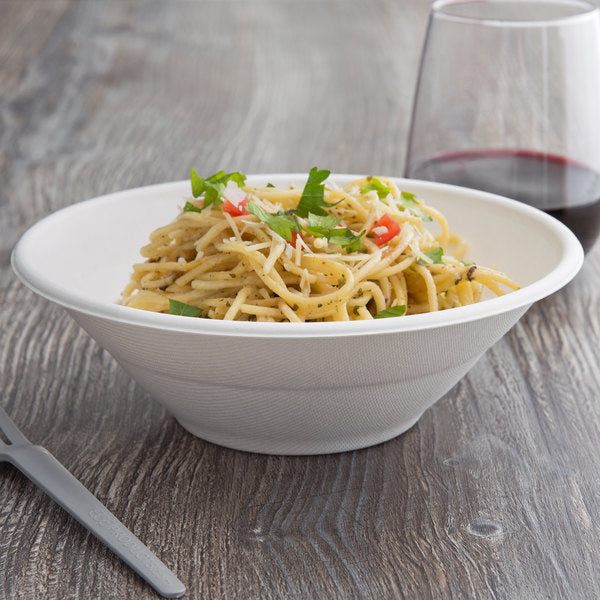
Best Paper Bowls for Pho Soup: Safe, Leakproof & Eco-Friendly Options
What Makes This Vegetarian Pho Recipe Taste “Restaurant-Style”
The pho spice profile (warm, sweet, and aromatic)
A great pho chay lives and dies by aroma. Most top vegetarian pho recipes rely on whole spices—typically star anise, cinnamon, cloves, and coriander seed—briefly toasted so their essential oils bloom, then gently simmered so the broth becomes fragrant, not perfumey. The important detail is restraint: spices should smell nutty and warm, never acrid. Many successful home recipes also include a small sweetness note (often rock sugar or a pinch of sugar) to round sharp edges and make the broth taste “finished,” the way restaurant broth does. When you taste your broth, aim for a clean first sip, a warm spice finish, and space for toppings to shine rather than a heavy, muddy base.

Plant-based umami strategy (mushrooms, kombu, and optional miso)
Without fish sauce or bones, you need a different depth-building plan. Many well-reviewed vegan/vegetarian pho approaches use dried shiitake mushrooms for savoriness and, optionally, kombu (dried kelp) for natural glutamates that amplify umami. If you’ve ever made Japanese dashi, it’s the same logic: kombu contributes glutamic acid that reads as “savory” even without meat. A small spoonful of miso can also add roasted, fermented complexity—use it as a background note, not the main flavor. The best results come from layering: charred aromatics for smokiness, toasted spices for pho identity, and mushrooms/kombu for that satisfying “brothy” depth.
Ingredients for Vegetarian Pho (Exact Shopping List)
Broth ingredients
This list is designed for 4 large bowls.
Aromatics
- 1 large yellow onion, halved
- 3–4 inch piece ginger, halved lengthwise
- 4 garlic cloves, smashed (optional but helpful)
Whole spices (classic pho set)
- 4 star anise
- 1 cinnamon stick
- 6 whole cloves
- 1 tablespoon coriander seeds
Umami + body
- 1 ounce dried shiitake mushrooms (or 6–8 large dried caps)
- 1 small piece kombu (optional)
- 6 cups low-sodium vegetable broth + 2 cups water
- 1–2 teaspoons white or yellow miso (optional)
Seasoning
- 1 to 2 tablespoons tamari (or soy sauce)
- 1 to 2 teaspoons sugar (or rock sugar if you have it)
- Salt to taste
- Lime juice to finish (served at the table)
These choices reflect common, proven building blocks in popular vegetarian pho methods (charred aromatics + spices + mushrooms/kelp).
Bowls + toppings
Noodles
-
12 ounces dried flat rice noodles (bánh phở style)
Protein
-
14 ounces extra-firm tofu (pressed), sliced into planks then strips
Vegetables + herbs
- 2 cups bean sprouts
- 2 cups thinly sliced mushrooms (fresh shiitake or cremini)
- 2 heads baby bok choy (or 3 cups shredded napa cabbage)
- Thai basil, cilantro, and/or mint
- 1–2 limes, cut into wedges
- 1 jalapeño, thinly sliced (optional)
Condiments (optional)
-
Hoisin, sriracha, chili oil
Best Pho Spices + Substitutions (If You’re Missing One)
Pho spices are forgiving if you keep the overall “warm + sweet” profile. If you’re missing something, swap thoughtfully rather than skipping all of it.
| If you don’t have… | Use this instead | What changes |
|---|---|---|
| Star anise | 1/2 tsp anise seed or a tiny pinch of five-spice | Less licorice aroma; still warm |
| Coriander seed | Fennel seed | Slightly sweeter, less citrusy |
| Cinnamon stick | 1/4 tsp ground cinnamon (added late) | Can cloud broth; add sparingly |
| Cloves | 1 allspice berry or extra cinnamon | Less sharp “pho edge” |
Most reputable vegetarian pho recipes still center on the classic spice set, even when ingredient lists vary.
Step-by-Step Vegetarian Pho Broth (Clear, Fragrant, Balanced)

Char onion & ginger (smoky sweetness)
Charring is the fastest way to make vegetable broth taste like it has a long backstory. Place onion and ginger cut-side down in a dry skillet over medium-high heat (or under a broiler). Let them blacken in spots until deeply browned; this builds smoky sweetness and reduces the “raw onion” harshness. If you’re using garlic, char it briefly so it sweetens instead of turning bitter. A practical cue: when your kitchen smells like toasted onion and ginger, you’ve done enough. This step shows up again and again in strong pho recipes because it creates depth without extra ingredients. Move the aromatics straight into your broth pot so you capture both aroma and momentum.
Toast spices (don’t burn)
In the same dry skillet, toast star anise, cinnamon, cloves, and coriander for about 60–90 seconds, shaking often. The goal is a warm, bakery-like aroma—not smoke. If the spices look glossy and smell stronger, they’re ready. Tip from experienced home cooks: put spices into a tea infuser or tied cheesecloth “spice sachet” so straining is effortless and your broth stays clear. Toasting spices is one of the main reasons homemade pho can taste surprisingly “authentic-style” even with a short simmer, because you’re amplifying aroma at the source.
Simmer + strain + season (salt/sweet/acid balance)
Add broth, water, dried shiitake, kombu (if using), charred aromatics, and toasted spices to a pot. Bring just to a simmer, then lower heat so it gently bubbles—avoid a hard boil if you want clarity. Simmer 30–45 minutes for a weeknight version, or up to 60 minutes for deeper mushroom flavor. Remove kombu around 20–30 minutes if you’re worried about bitterness. Strain through a fine-mesh strainer; for extra-clear broth, line it with cheesecloth. Season with tamari/soy sauce and a small pinch of sugar. If using miso, dissolve it in a ladle of hot broth first, then stir back in off heat. Serve with lime at the table so brightness stays fresh.
How to Prepare Tofu (Crispy Options) + Other Proteins
Pan-fried tofu method (pho-friendly texture)
Press tofu for 15 minutes (or use extra-firm and pat very dry). Slice into thin planks, then cut into matchsticks or strips. Heat a skillet with a thin layer of oil and pan-fry until golden on at least two sides. The goal is a lightly crisp exterior that won’t turn spongey the second it hits hot broth. Season simply (salt, pepper), because the broth and toppings will do the heavy lifting. This approach mirrors what many vegetarian pho recipes aim for: a protein that adds bite without overpowering the aromatic broth. If you want a sweeter-savory note, you can glaze tofu with a tiny splash of tamari and a pinch of sugar right at the end—just keep it subtle.
Other easy protein options (no extra learning curve)
If tofu isn’t your thing, you still have strong options. Seitan strips add chew and hold up well in broth; extra mushrooms (shiitake, oyster) give that “meaty” feel while staying light; edamame adds protein with almost no prep. The key is choosing something that won’t cloud the broth and won’t fight the spice aroma. If using store-bought meat alternatives, taste for salt—many are already seasoned, and pho broth can get too salty fast. That matters because public health guidance in Canada flags high sodium intake as a concern, so it’s worth building flavor with aromatics and acidity, not just salt.

How to Cook Rice Noodles for Pho (No Mush, No Clumps)
Rice noodles are simple, but timing is everything. For most dried flat pho noodles, you’ll get the best texture by soaking in hot water until pliable, then doing a very short boil (or blanch) right before serving. If you fully boil them early, they keep absorbing water and can turn gummy by the time you finish the broth. Practical method: soak noodles 20–30 minutes in hot (not boiling) water, then boil 30–60 seconds until just tender. Drain well. If you’re assembling multiple bowls, rinse quickly with cool water to stop cooking, then toss with a few drops of neutral oil so they don’t stick. This “control the noodle separately” strategy is also what makes leftovers better, because noodles and broth stored together tend to bloat overnight.
How to Assemble Vegetarian Pho Bowls (Order Matters)
Assembly is where pho becomes pho. Start with hot bowls (a quick rinse with hot water helps). Add noodles first, then tofu and vegetables that can soften slightly in the heat (bok choy, mushrooms). Ladle piping hot broth over everything to warm it through. Finish with a big handful of herbs and fresh toppings—bean sprouts, basil, cilantro, jalapeño, and lime. The reason this order works: broth heat wakes up aromatics in the herbs, while the herbs cool the top of the soup just enough to eat comfortably. If you’re cooking for a group, set up a “toppings board” so everyone customizes their own bowl; many home-cook pho guides encourage this because it keeps herbs crisp and makes the meal feel festive without extra work.

Timing Plan + Make-Ahead / Meal Prep
60-minute weeknight plan (what to do when)
Minute 0–10: Char onion/ginger; start broth pot.
Minute 10–15: Toast spices; add to pot with dried mushrooms.
Minute 15–40: Simmer broth; prep toppings; press and slice tofu.
Minute 40–55: Pan-fry tofu; strain and season broth; soak noodles.
Minute 55–60: Blanch noodles; assemble bowls.
For storage, keep broth separate from noodles. Cool leftovers quickly and refrigerate within about 2 hours; divide large pots into shallow containers for faster chilling. Reheat broth to steaming hot, then warm noodles briefly in hot water. This approach protects texture and supports food-safety best practices.
Troubleshooting Vegetarian Pho (Fixes That Actually Work)
If the broth tastes flat, it usually needs one of three things: a touch more salt, a pinch more sugar, or more acid at serving (lime). If it tastes too spicy or perfumey, dilute with a little water and simmer 5 minutes; you can also pull the spice sachet earlier next time. If it’s bitter, the most common culprits are over-toasted spices or leaving kombu too long at a hard simmer—remove kombu earlier and keep heat gentle. If the broth is cloudy, strain again through cheesecloth and avoid boiling. If it’s too salty, add water and brighten with lime and herbs; remember that hoisin and sriracha add salt too. This matters for anyone watching sodium—Health Canada’s guidance emphasizes reducing intake when above 2300 mg/day, so controlling salty add-ons is a smart move.
FAQs (People-also-ask style)
Is pho broth vegetarian?
Traditional pho is often made with meat-based broth, but vegetarian pho (pho chay) uses a plant-based broth built from charred aromatics, toasted spices, and umami ingredients like mushrooms (and sometimes kombu or miso).
What is vegetarian pho broth made of?
Most versions include onion, ginger, warming whole spices (star anise, cinnamon, cloves, coriander), and umami boosters like dried shiitake; many recipes also use vegetable broth as the liquid base.
Can I make vegetarian pho vegan and gluten-free?
Yes—use tofu or vegetables for protein and choose tamari (or certified gluten-free soy sauce) instead of regular soy sauce. Rice noodles are typically rice-based, but always check labels and watch for cross-contact in packaged sauces.
Can I freeze vegetarian pho broth?
Absolutely. Freeze broth (strained) in airtight containers, leaving headspace. Reheat to a full simmer and assemble with fresh noodles and herbs for best texture. (Store noodles separately.)
What vegetables go best in pho chay?
Bok choy, napa cabbage, mushrooms, bean sprouts, and thin-sliced onions work especially well because they soften quickly in hot broth without overpowering the spice aroma.
How do I add more umami without fish sauce?
Use dried shiitake, kombu, and (optionally) a small spoonful of miso. Keep the broth at a gentle simmer so flavors stay clean, not bitter.
Conclusion
If you can char onion and ginger, toast a handful of spices, and keep the simmer gentle, you can make vegetarian pho that tastes deeply satisfying—without needing hours of bone broth. Start with this base recipe once, then make it yours with crispy tofu, extra mushrooms, or a big herb platter. Next, you might enjoy related reads like tofu pho variations, mushroom pho, or a gluten-free pho guide (tamari and condiment swaps) for even more control over flavor and dietary needs.
Read More
What Is Mushroom Pho? Flavor, Ingredients, and Variations
Tofu Pho Explained: A Gentle Take on Vegetarian Pho
What Is Pho? Vietnamese Noodle Soup Explained (Ingredients, History)