If you’ve ever wondered what does falafel taste like, you’re not alone, especially if you’re building a Mediterranean menu, adding a vegetarian-friendly option, or testing a new lunch bowl concept. For restaurant, café, and bakery owners in Canada, the bigger question is practical: Can you deliver that “crispy outside, fluffy inside” promise consistently dine-in, takeout, and delivery without complaints, sogginess, or sauce leaks? This guide breaks down the taste in plain language, shows what changes it from place to place, and turns those insights into operational choices that protect quality and margin. KIMECOPAK packaging recommendations are included where they directly support texture, temperature, and presentation.
- Types of Falafel You Must Know: Egyptian Ta’ameya vs Chickpea Falafel + Every Style Explained
- Falafel Toppings Guide: Best Sauces, Pickles, Crunch & Combo Ideas
- What to Serve with Falafel: 35 Best Sides, Sauces, and Menu Combos for Canadian Restaurants
- Falafel Street Food: Origin, How It’s Served, and How to Keep It Crispy for Takeout
The Short Answer (If You’re in a Hurry)
Falafel’s main flavor notes in one sentence
Falafel typically tastes nutty and earthy (from chickpeas or fava beans), fresh and herb-forward (parsley/cilantro), and warmly spiced (often cumin and coriander), with a savory aroma that reads “comforting” rather than hot.
The texture you should expect (crispy outside, tender inside)
A good falafel is crisp and golden on the outside, then tender, fluffy, and slightly crumbly in the center more like a well-made fritter than a dense meatball. When it’s fresh, it feels light; when it’s old or stored poorly, it can turn dry or gummy.
Is falafel spicy? (what “warm spices” actually means)
Most falafel isn’t “spicy” in the chili-heat sense. “Warm spices” usually means aromatic spices (cumin, coriander, pepper) that add depth. You can make it spicy with hot sauce, chili paste, or pickled peppers but the base flavor is usually savory and aromatic, not fiery.
Falafel Flavor Profile (A Simple Sensory Breakdown)

The base taste: earthy + nutty (chickpeas or fava beans)
The foundation of falafel is legume-driven. Chickpea falafel tends to taste mildly nutty with a clean, earthy finish easy to pair with bright toppings and creamy sauces. Fava-based falafel can read slightly deeper, sometimes more “bean-forward,” and can carry spices in a bolder way.
Operator insight: this base taste is a menu advantage because it’s friendly—falafel can sit beside bold items (garlic sauce, pickles) without disappearing, and it can also support simpler builds for customers who don’t want strong flavors.
The “green” taste: herbs like parsley/cilantro (why good falafel smells fresh)
What makes falafel feel “alive” is the herb layer. Parsley and cilantro bring a fresh, green aroma that customers recognize immediately when they open a wrap or bowl. When herbs are generous and properly handled, the interior can even look slightly green an instant signal of freshness.
Buyer-centric angle: herb freshness is also a cost-control tool. If your herb profile is consistent, you can reduce reliance on expensive toppings to “save” the flavor. Consistency sells repeat orders.
The spice layer: cumin, coriander, garlic, onion (warm, savory depth)
Falafel’s signature warmth comes from cumin and coriander think toasted, savory, slightly citrusy spice rather than heat. Garlic and onion add a familiar backbone that makes falafel taste satisfying even without meat.
Menu strategy: because the spice layer reads “Middle Eastern/Mediterranean,” it pairs naturally with tahini, hummus, pickles, chopped salad, and fries giving you profitable cross-sell opportunities (add-ons, combo meals, platters).
What it shouldn’t taste like (greasy, bland, overly dry) + what causes that
Customers rarely complain that falafel is “too herby.” They complain when it’s:
- Greasy (oil too cool, mix too wet, overcrowded fryer)
- Bland (under-seasoned mix, herbs/spices not balanced, old product)
- Overly dry (overcooked, held too long, poor humidity control, wrong takeout packaging)
For takeout and delivery, “dry” and “soft” can happen even if the falafel was perfect at pickup because steam gets trapped. This is where packaging becomes part of the recipe, not an afterthought.
Falafel Texture (This Is What Makes People Love or Hate It)
Ideal texture: crisp shell + fluffy/crumbly center
The ideal bite has contrast: a thin crisp crust and a light interior that breaks cleanly. Customers describe this as “crispy but not hard,” “tender but not mushy.”
Operational note: this texture is fragile during delivery. If you trap steam, the crust softens quickly. If you let it dry out, the interior loses tenderness. The best operations engineer for the “last 20 minutes,” not just the fryer.
Dry vs moist falafel—why it happens
Dryness can come from:
- Over-frying or holding too long under heat
- Mix issues (too much flour/binder, not enough hydration balance)
- Poor storage (uncovered product, airflow stripping moisture)
- Takeout packaging that either steams (soggy outside) or over-vents (drying out)
Moistness isn’t about being wet; it’s about a tender crumb. The goal is structured and tender, not paste-like.

Fried vs baked falafel: how the taste and mouthfeel change
- Fried falafel: crispier shell, richer aroma, classic street-food experience.
- Baked falafel: cleaner finish, less crisp, can skew dry if not engineered (oil misting, humidity control).
Business-first takeaway: fried falafel often wins customer satisfaction, but baked can work for specific brand positioning. If you bake, you must compensate with sauce strategy and packaging that prevents dryness.
Freshness test: signs you’re eating great falafel
A quick quality checklist your team can use:
- Smells herb-fresh when opened
- Shell is crisp, not leathery
- Center is tender and aromatic, not gummy
- Not oily on the fingers
- Holds shape in a wrap but breaks easily when bitten
When this checklist passes, reviews improve. When it fails—especially in delivery—refunds and “never again” customers follow.
Why Falafel Tastes Different From Place to Place
Chickpea vs fava bean falafel (taste differences)
Chickpea falafel is the most common in many Canadian markets: mild, nutty, approachable. Fava can be deeper and sometimes more “bean-forward,” which some customers love because it feels heartier.
Decision tip for operators: if your customer base skews toward first-timers, chickpea profiles are often easier. If you’re serving a more traditional audience, a fava blend may feel more authentic. Either way, clarity in menu descriptions reduces confusion and improves conversion.
Herb ratio (mild, balanced, or very herb-forward)
Herb-forward falafel is aromatic and vibrant—great with tahini and pickles. Mild-herb falafel is safer for customers who dislike cilantro.
Practical move: offer a sauce pairing that “guides” the taste. Herb-forward pairs well with tahini; milder profiles can handle garlic sauce and spicy add-ons.
Grind size + mix technique (dense vs light interior)
A finer grind can become denser if overworked; a coarser grind can feel lighter but may crumble if not balanced.
Training insight: standardize your mix process so texture doesn’t swing from batch to batch. Consistency is more profitable than “perfect once.”
Oil temperature and frying method (crisp vs oily)
Oil management is texture management. If oil is too cool, falafel absorbs oil and tastes heavy. If too hot, the outside browns before the inside sets.
Margin insight: oil stability impacts food cost and brand reputation at the same time. Set fryer SOPs, record temps, and keep portion sizes consistent to reduce waste.
What Does Falafel Taste Like Compared to Other Foods?

Falafel vs hummus (similar ingredients, different experience)
They share legumes and aromatics, but the experience is different. Hummus is creamy and smooth; falafel is structured and crisp.
Upsell idea: customers who love hummus are often primed for falafel so pairing them intentionally (combo platter, “add hummus”) increases average order value.
Falafel vs veggie fritters/croquettes (what’s similar, what’s not)
Falafel behaves like a fritter: crisp outside, tender inside. But the flavor is more herb-and-spice driven than many Western croquettes.
Menu language that sells: describe it as “crispy herb falafel fritters” or “golden chickpea-herb bites” for customers who need a familiar anchor.
If you like X, you’ll probably like falafel (quick preference match)
Falafel tends to land well if your customer likes:
- Savory herb flavors (tabbouleh, pesto-style freshness)
- Warm spices without heat (cumin-forward dishes)
- Crispy snacks (fritters, pakoras, croquettes)
- Plant-based proteins with texture
This is useful for front-of-house scripts and menu copy—especially for upselling to first-time buyers.
How Falafel Is Usually Served (And How That Changes the Taste)
In a pita wrap: the classic “balanced bite”
A wrap balances crispness with softness: warm pita, crunchy vegetables, creamy sauce, and falafel texture. The “taste” becomes a complete experience savory + tangy + fresh.
Operator win: wraps are efficient, portable, and scalable for lunch rush. But they require sauce containment and moisture control so the pita doesn’t turn soggy.
In a bowl/plate: falafel as the main texture + topping canvas
Bowls push falafel forward as the main texture element. The taste depends heavily on toppings: grains, greens, pickles, slaws, and sauces.
For operators, bowls are a margin opportunity because you can standardize portions and upsell proteins, sides, and premium sauces.
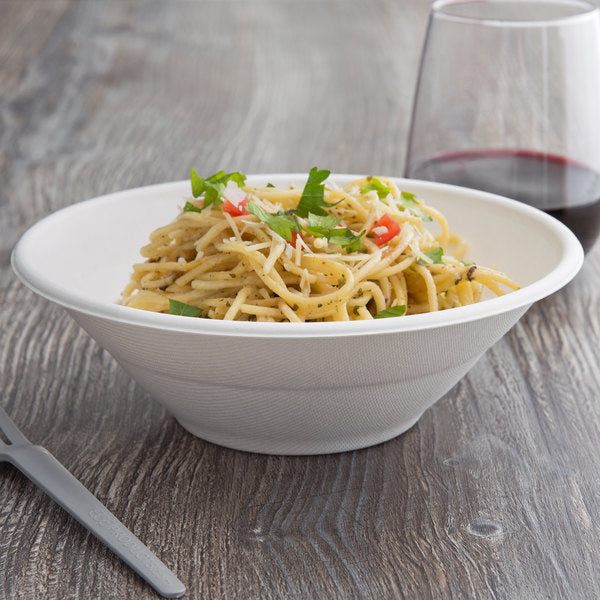
For bowl service and takeout, choose containers that protect structure and reduce leaks. Paper-based bowls are popular for hot/cold versatility and presentation. Consider options like Paper Bowl for bowl menus that need a sturdy, professional look.
Sauces explained: tahini vs hummus vs garlic sauce
- Tahini: nutty, creamy, slightly bitter (in a good way), classic pairing
- Hummus: smooth, mellow, familiar
- Garlic sauce: bold, rich, craveable
Business-first move: sauces drive repeat orders, but sauces also cause the most delivery complaints (leaks, mess, soggy falafel). Treat sauces like a packaging system: portion size, lid fit, and separation matter.
A practical way to reduce mess is using dedicated portion cups. For example, many operators use Disposable Portion Cups to keep tahini or garlic sauce sealed and separate from hot falafel until the customer is ready to dip.
GET A FREE SAMPLE PACKAGING NOW!
Pickles, salad, and heat (how toppings brighten the flavor)
Pickles and fresh salad add acidity and crunch. They make falafel taste brighter and less heavy. Heat (spicy sauces, chili) adds excitement for customers who want a stronger kick.
Operational tip: keep wet toppings (tomatoes, saucy slaws) separated for delivery when possible. You’ll protect crispness and reduce sog.
For Restaurant Owners: How to Keep Falafel Tasting Great for Takeout & Delivery
The #1 enemy: steam (why crispy falafel turns soft in closed containers)
Falafel’s crust is a promise. Steam breaks that promise fast. The moment hot falafel goes into a fully sealed container, moisture condenses and softens the shell. The customer doesn’t say “steam”; they say “soggy” and blame the kitchen.
Packaging principles for crispness (venting, liners, separation)
To protect crispness:
- Use venting when product is hot and crispness matters
- Add a liner that manages oil without trapping steam excessively
- Separate falafel from wet toppings and sauces
- Avoid stacking hot falafel tightly—airflow matters
For hot items where venting and leak control must coexist, some operators lean on paper containers designed for hot foods. Depending on your menu format (bowls, sides, hot apps), you can review Paper Container options built for takeout workflows.
Sauce control (portion cups, lids, leak prevention, presentation)
Sauce is where you lose money quietly: extra sauce given away, leaks triggering refunds, messy bags, and customer frustration. A portion strategy solves this:
- Standardize ounces per sauce type
- Use tight-fitting lids
- Separate sauces from hot falafel
- Label sauces for speed and fewer mistakes
For high-volume service, many teams standardize using a single portion-cup ecosystem. You can start with 2 oz Clear Portion Cups for tahini/garlic sauce, then scale to multiple sizes as your menu grows.
Falafel platter packaging checklist (stacking, travel time, reheating note card)
Falafel platters are high-value orders—and high-risk if they arrive messy. Use this checklist:
- Base container holds structure without bending
- Wet items separated (salads, pickles, sauces)
- Sauces sealed and placed upright
- Hot falafel not sealed airtight (venting matters)
- Travel time accounted for (10, 20, 30 minutes)
- Simple reheat instruction (air fryer/oven note) to restore crispness
For platter-style service that includes fried items, many operators use compartment logic (separation) and a sturdier box format. Browse To Go Box styles when you want a clean “platter presentation” that travels better than a standard clamshell.
Eco-friendly packaging options that protect texture (what to look for)
Eco-friendly doesn’t mean “less functional.” For falafel and Mediterranean menus, look for:
- Rigid structure (prevents crushing)
- Oil resistance (reduces sog and staining)
- Lid reliability (prevents leaks)
- Right size (prevents shifting and smearing)
- Custom branding readiness (for repeat orders and catering)
If branding matters (and for most Canadian operators, it does), consider scaling to custom-printed containers when volume supports it. A product like Kraft Paper Food Containers Custom Logo can turn every takeout order into a brand touchpoint especially for bowl concepts, catering, and lunch rush.
FAQs: What Does Falafel Taste Like

Does falafel taste like chickpeas?
Yes, falafel often carries a chickpea/legume nuttiness, but it’s transformed by herbs, garlic, onion, and spices. The result is more aromatic and savory than plain chickpeas.
Is falafel supposed to be dry?
No. Falafel should be tender and fluffy inside, not dry. Dryness usually comes from overcooking, holding too long, or poor takeout moisture control. If customers complain about dryness after delivery, packaging steam/venting balance may be the real culprit.
Is falafel bitter or grassy?
It can taste slightly “green” from herbs, but it shouldn’t be unpleasantly bitter. Bitterness can come from too much herb stem, old herbs, or an unbalanced tahini sauce. If your falafel is herb-forward, pair it with a creamy sauce and pickles to round it out.
Is falafel healthy (fried vs baked)?
From a menu perspective, falafel is widely perceived as a plant-based protein option. Fried falafel typically tastes richer and crispier; baked can be lighter but may feel drier. Many operators offer one core version and focus on portion control, sides, and sauce balance to meet customer expectations.
What sauce makes falafel taste best?
Classic choices are tahini (nutty/creamy), hummus (mellow), and garlic sauce (bold). The “best” depends on your falafel profile. Herb-forward falafel often shines with tahini; milder falafel can handle garlic sauce or spicy options.
Can falafel be gluten-free?
Falafel can be gluten-free if you avoid wheat-based binders and prevent cross-contact. If gluten-free is a key audience segment, treat it as an operational program: ingredients, prep surfaces, fryer policy, and labeling.
What’s the best way to reheat falafel so it stays crispy?
For customers, the best results usually come from an air fryer or oven (not the microwave). For operators, including a small reheat note can reduce complaints and improve repeat orders—especially for delivery-heavy neighborhoods.
Quick Recommendations (Decision Helpers)
What to order if it’s your first time
Recommend a classic falafel wrap with tahini, salad, and pickles—simple, balanced, and familiar. Offer a mild sauce option for hesitant customers.
What to order if you dislike strong herb flavors
Offer a milder herb blend or guide them toward hummus-based builds with fewer green herbs. Keep pickles optional and lean on creamy sauces to soften the herbal edge.
What to order if you want it extra crispy
Recommend fresh-fried falafel with sauce on the side for dipping. For takeout, instruct staff to avoid sealing hot falafel fully airtight.
Best “falafel pairing” ideas for menus (wraps, bowls, platters)
High-performing pairings that also sell packaging:
- Wrap + side sauce cup upsell
- Bowl + premium sauce add-on
- Platter + multi-sauce flight (portion cups)
- Catering tray + branded containers for group orders
If you’re building your falafel menu content strategy, you can also align this article with supporting education pieces already on your site Falafel: Everything You Need to Know and Falafel Balls: How to Make Them Crispy, Fluffy & More so customers (and staff) get consistent language and expectations across channels.
Conclusion
One-line sensory recap
Falafel tastes nutty and earthy, fresh and herb-forward, and warmly spiced with the best versions delivering a crispy shell and a tender, fluffy center that feels satisfying without being heavy.
(For operators) The 3-step takeout texture plan
If falafel is on your menu (or about to be), your success isn’t only in the mix, it’s in the last mile. A simple operational plan protects your product and your reviews:
- Protect crispness: avoid trapping steam; use smart venting and spacing
- Separate moisture: keep sauces and wet toppings sealed and apart until eating
- Standardize portions: reduce leaks, waste, and inconsistent customer experiences