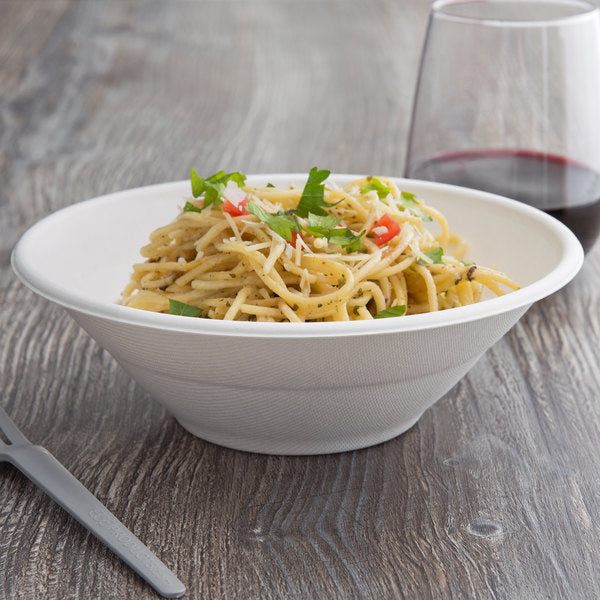
If you’re looking for a quick, flavorful dinner that combines rich umami flavors with a silky, satisfying texture, miso butter pasta with mushrooms is the perfect choice. This easy recipe blends the deep, savory taste of miso paste with creamy butter, tender sautéed mushrooms, and perfectly cooked pasta for a comforting meal any night of the week. Whether you want a creamy miso mushroom pasta, a vegan miso mushroom pasta, or a miso butter pasta with mushrooms no cream, this recipe has you covered. With simple ingredients, minimal prep, and maximum flavor, this dish is a must-try for anyone craving umami-rich pasta, weeknight dinners, or healthy mushroom pasta recipes.
By the end of this guide, you’ll know exactly how to make miso butter pasta with mushrooms step by step, explore variations, and even learn tips for restaurant-style miso butter pasta at home.
What Is Miso Butter Pasta with Mushrooms

Understanding miso butter pasta with mushrooms
Miso butter pasta with mushrooms is a comforting fusion dish that blends Japanese umami richness with classic Italian pasta techniques. At its core, the recipe combines tender noodles with a silky sauce made from butter and miso paste, creating a savory, slightly sweet, deeply complex flavor profile. Food reviewers often describe it as "creamy without cream" and "umami-packed in every bite." The mushrooms—whether shiitake, oyster, or cremini—act as natural flavor enhancers, adding earthiness, aroma, and texture. Home cooks who prepare this dish repeatedly mention how easy it is to personalize with aromatics, vegetables, or proteins. From a culinary standpoint, miso butter pasta showcases how East-meets-West fusion can elevate a simple pasta recipe into something memorable. The dish is naturally flexible, allowing you to prepare it creamy, vegan, dairy-free, or even extra-rich depending on your preference. Overall, it’s a balanced, approachable recipe that delivers restaurant-level flavor with minimal effort, making it perfect for beginners and experienced cooks alike.
Why miso butter pasta with mushrooms is packed with umami flavor
Miso butter pasta with mushrooms is well-known for its intense umami flavor—one of the five basic tastes recognized in food science (Harvard T.H. Chan School of Public Health). The umami comes from several natural glutamate-rich ingredients: miso paste, mushrooms, butter, and sometimes parmesan cheese. Miso paste, especially white or yellow miso, contains fermented soybeans that produce amino acids responsible for deep savory notes. Mushrooms such as shiitake, oyster, and porcini are commonly referenced in culinary research for their ability to amplify umami in plant-based dishes. When these ingredients are gently heated with butter, they release aromatic compounds that build layers of flavor. Reviews from home cooks often mention that a small spoon of miso makes the dish taste “slow-cooked” even though the recipe takes only minutes to prepare. The combination of sautéed mushrooms and miso butter sauce brings a warm, comforting richness that feels both indulgent and balanced. This umami synergy is why the dish stands out among quick pasta recipes.
Origins of miso butter pasta with mushrooms – Japanese meets Italian fusion
Miso butter pasta with mushrooms represents a growing culinary movement where traditional Japanese pantry staples meet Italian cooking techniques. The concept likely evolved from wafu pasta, a category of Japanese pasta dishes developed after World War II when Western cuisine became increasingly popular in Japan. Wafu pasta incorporates Japanese ingredients like soy sauce, nori, katsuobushi, and miso into Italian noodle dishes. Over time, miso butter emerged as a flavorful alternative to cream sauces because it provides richness without dairy-heavy components. Mushrooms—especially shiitake and enoki—have long been used in Japanese cuisine for their depth of flavor, making them a natural addition. As fusion cuisine gained popularity globally, chefs in North America, Australia, and Europe adopted miso butter pasta as a modern comfort dish. Today, food bloggers and restaurant chefs praise it for delivering familiar pasta textures while introducing Japanese umami layers. This fusion reflects how global cooking traditions continue to evolve through creativity, cultural exchange, and modern pantry staples.
Why You’ll Love Miso Butter Pasta with Mushrooms
Miso butter pasta with mushrooms as a quick weeknight dinner
One of the biggest advantages of miso butter pasta with mushrooms is its speed. Most versions take 20 minutes or less, making it ideal for busy home cooks who want something flavorful without a long prep time. Pasta cooks quickly, mushrooms sauté in minutes, and the miso butter sauce requires just a few ingredients stirred together. Reviews from home cooks often highlight how the dish feels “gourmet” even though it requires very little hands-on cooking. It also saves time because it uses common pantry staples—pasta, butter, miso paste, garlic, and mushrooms—so there’s no need for complicated shopping lists. The recipe works with whatever mushrooms or pasta shapes you already have on hand, which makes it even more convenient. Whether you're cooking for one, preparing a last-minute meal for the family, or wanting something satisfying after a long day, miso butter pasta with mushrooms reliably delivers a warm, savory meal with minimal effort.
Miso butter pasta with mushrooms for creamy texture and savory depth
The creamy texture of miso butter pasta with mushrooms is one of the reasons people fall in love with it. Even without heavy cream, the combination of miso and butter creates a silky, velvety sauce that coats each strand of pasta. Miso’s natural thickness, combined with starchy pasta water, gives the dish a consistency similar to Alfredo but with a more complex flavor profile. Mushrooms add depth and a soft bite, making the dish feel more substantial and balanced. Food bloggers often note that the dish tastes “luxurious but light,” meaning it satisfies comfort-food cravings without feeling overly heavy. This creamy yet savory balance is ideal for anyone who wants a comforting pasta but prefers something more flavorful than standard cream sauces. The dish also pairs beautifully with parmesan or pecorino for even more richness, but it stands strong without cheese as well, making it versatile for different dietary preferences.
Miso butter pasta with mushrooms – flexible for healthy or vegan diets
One of the strengths of miso butter pasta with mushrooms is its adaptability to different diets. For those wanting a lighter meal, you can reduce butter, use whole-grain or gluten-free pasta, and incorporate more vegetables such as spinach, broccoli, or kale. For vegan eaters, the recipe is easy to modify with plant-based butter, olive oil, or even tahini for richness. Miso paste itself is naturally vegan, and mushrooms provide savory depth without meat. Nutrition-focused cooks appreciate that miso contains probiotics, while mushrooms offer fiber, antioxidants, and B-vitamins. This flexibility has made the dish popular among health-conscious consumers who want a balanced meal that still tastes indulgent. Many home cooks report successfully adapting the recipe to dairy-free or low-sodium versions without losing flavor. Whether your goal is high protein, lower calories, or purely plant-based, miso butter pasta with mushrooms offers a customizable canvas that supports a variety of dietary lifestyles.
Ingredients for Miso Butter Pasta with Mushrooms
Key ingredients for miso butter pasta with mushrooms
The essential ingredients for miso butter pasta with mushrooms blend simplicity with big flavor. Pasta is the foundation—spaghetti, linguine, fettuccine, or short shapes like rigatoni all work well. Butter provides richness, while miso paste delivers the deep umami that defines the dish. White miso (shiro miso) is most commonly recommended because of its mild sweetness and smooth texture, making it easy to mix into sauces. Mushrooms—shiitake, oyster, cremini, or a blend—create savory depth and enhance the earthy notes. Garlic adds aroma, while shallots can introduce a subtle sweetness. Olive oil helps with caramelizing the mushrooms, and pasta water helps bind everything together into a silky sauce. Many home cooks and professionals also include optional ingredients like parmesan cheese, chili flakes, or lemon zest to brighten the dish. Together, these simple yet harmonious components create a balanced fusion of Japanese umami and Italian comfort.
Best mushrooms for miso butter pasta – shiitake, oyster, or cremini
Choosing the right mushrooms greatly impacts the flavor and texture of miso butter pasta. Shiitake mushrooms, praised for their firm texture and smoky aroma, are often the top choice due to their naturally high umami content, as recognized by the Journal of Food Science. Oyster mushrooms offer a delicate, almost seafood-like flavor and a soft, silky bite, making them perfect for creamy or vegan variations. Cremini mushrooms (baby bellas) are widely accessible and bring a mild, earthy taste that pairs beautifully with miso and butter. Some cooks also add enoki mushrooms for texture contrast or porcinis for deeper, woodsy notes. Using a mix of mushrooms is an excellent strategy for boosting complexity in plant-based dishes. Regardless of the variety, the key is slicing them evenly and allowing them to brown properly to build layers of savory flavor that complement the miso sauce.
Choosing the right miso for miso butter pasta with mushrooms
Miso selection significantly affects the final flavor of your pasta. White miso (shiro miso) is the most popular choice due to its mild, slightly sweet profile and smooth consistency. It blends effortlessly into butter to create a balanced, creamy sauce. Yellow miso, which is slightly stronger and saltier, also works well and adds a more pronounced savory note. Red miso, the boldest variety, is fermented longer and has deeper, saltier flavors that can overpower delicate sauces unless used sparingly. For miso butter pasta, it’s best to start with white or yellow miso to ensure balance and avoid excessive saltiness. Professional chefs often recommend choosing unpasteurized miso when possible because it retains beneficial enzymes and probiotics, though these are reduced when heated. Whether organic, artisanal, or store-brand, the key is a miso paste with a smooth texture that incorporates easily into butter or pasta water.
Aromatics and add-ins to elevate miso butter pasta with mushrooms
Aromatics play a crucial role in elevating miso butter pasta with mushrooms by adding depth, fragrance, and complementary flavor layers. Garlic is the most common aromatic—freshly sliced or grated for a sharper punch. Shallots add mild sweetness that balances miso’s saltiness, while green onions or scallions provide freshness when used as a topping. Chili flakes or fresh chili slices introduce heat for those who enjoy spicy notes. Add-ins like spinach, kale, broccoli, or peas can increase nutrients and color. Some cooks enhance umami by adding a splash of soy sauce, dashi, or mirin. For a richer profile, a touch of parmesan or pecorino can deepen the savory complexity. Even a teaspoon of sesame oil adds a nutty dimension, especially in vegan versions. These aromatics and add-ins allow home cooks to customize the dish to their preferences while keeping the core flavors intact.
Optional toppings – cheese, sesame, lemon zest, and herbs
Toppings bring personality and contrast to miso butter pasta with mushrooms. Parmesan or pecorino cheese adds salty richness and enhances the umami already present in the dish. Sesame seeds—white or toasted—provide crunch and nutty undertones that pair especially well with Japanese-inspired flavors. Lemon zest brightens the sauce and balances the richness of butter and mushrooms, making each bite feel lighter. Fresh herbs such as parsley, chives, or basil contribute freshness and color. Chili flakes or crispy chili oil can offer spice, while nori strips add a subtle oceanic umami. If you’re preparing a vegan version, nutritional yeast is an excellent cheese substitute that brings a similar savory profile. These toppings are optional but highly recommended; they turn a simple bowl of pasta into a more dynamic, restaurant-style dish that appeals to a variety of tastes and dietary preferences.
How to Make Miso Butter Pasta with Mushrooms Step-by-Step

Cook the pasta to al dente perfection
Cooking your pasta to al dente is the first essential step for great miso butter pasta with mushrooms. Al dente pasta—firm but tender—holds up better when tossed with sauces and prevents the final dish from becoming mushy. To achieve this, bring a large pot of salted water to a rolling boil. Many chefs recommend using at least 4–6 liters of water per pound of pasta to ensure even cooking. Cook the pasta according to package instructions, but check it 1–2 minutes early for doneness. Reserve at least one cup of pasta water before draining, as this starchy liquid will help emulsify the miso butter sauce later. Home cooks consistently emphasize that using pasta water, not plain water, is what creates the silky, glossy finish that restaurant pasta dishes are known for. Once the pasta reaches the perfect al dente texture, drain it and set it aside briefly while preparing the sauce.
Sauté mushrooms for golden color and texture
Beautifully sautéed mushrooms are the heart of miso butter pasta. Start by heating butter and a splash of olive oil in a wide pan; the oil prevents the butter from burning while adding richness. Add the mushrooms in a single layer—crowding the pan traps moisture and prevents browning. Cook over medium-high heat until the mushrooms release their moisture and begin developing golden edges. This caramelization enhances flavor and creates the savory depth associated with umami-rich dishes. Reviews from experienced home cooks emphasize patience: resist stirring too often and allow each side to develop color. Add garlic or shallots once the mushrooms are browned, cooking briefly to avoid burning. Properly sautéed mushrooms should be tender yet slightly chewy, adding texture that complements the silky miso butter sauce. This step is essential for achieving the rich, layered mushroom flavor that defines the dish.
Prepare the miso butter sauce for miso butter pasta with mushrooms
The miso butter sauce is the flavorful backbone of the recipe. Start by melting butter over low heat to avoid scorching. Add a spoonful of miso paste—white or yellow miso works best—and gently whisk until smooth. Once the miso is fully incorporated, add a splash of pasta water to thin the sauce and create a glossy, emulsified texture. Some home cooks enhance the sauce with garlic, mirin, soy sauce, or a pinch of sugar to balance saltiness. The key is keeping the heat low because miso can break or become grainy when overheated. The sauce should appear creamy, slightly thickened, and aromatic. If you're making a creamy version, add heavy cream or milk at this stage. For vegan variations, add plant-based butter or tahini. By preparing the sauce slowly and carefully, you ensure that each ingredient contributes to the rich, umami-forward flavor profile.
Combine pasta, mushrooms, and miso butter sauce
Once the pasta, mushrooms, and miso butter sauce are ready, it’s time to bring everything together. Add the drained pasta directly into the mushroom pan. Pour the miso butter sauce over the top, and use tongs to toss until each strand is evenly coated. Gradually add more pasta water if needed to achieve the ideal silky texture—professional chefs emphasize that emulsification is the secret to restaurant-quality pasta. The starch in pasta water binds the miso and butter, preventing separation and ensuring the sauce clings beautifully. Add-ins like spinach, peas, chili flakes, or cheese can go in at this stage. Taste and adjust the seasoning—miso is naturally salty, so additional salt is rarely needed. The final mixture should be creamy, aromatic, and balanced, with mushrooms distributed evenly throughout. This step ties together the earthy, savory, and creamy elements that make miso butter pasta irresistible.
Finish and serve miso butter pasta with mushrooms hot
Miso butter pasta with mushrooms tastes best immediately after cooking. Serve it hot to enjoy the silky sauce and the earthy aroma of mushrooms at their peak. Plate the pasta in warm bowls to maintain temperature and preserve texture. Add your desired toppings—parmesan, sesame seeds, herbs, or lemon zest—for contrast and brightness. For a more refined presentation, drizzle a tiny amount of extra-virgin olive oil or sesame oil over the top. Reviews from home cooks consistently highlight that the dish becomes thicker as it cools, and the sauce may lose its glossy finish, so serving promptly ensures the best experience. If you prefer a lighter or more vibrant version, finish with lemon juice or fresh herbs. Whether served as a quick weeknight dinner or a cozy meal for friends, the dish delivers deep umami flavor, creamy texture, and mushroom richness in every bite.
Creamy Miso Butter Pasta with Mushrooms
How to make creamy miso butter pasta with mushrooms
Creamy miso butter pasta with mushrooms takes the classic recipe to a richer, more indulgent level by incorporating dairy or dairy alternatives into the sauce. To begin, sauté your mushrooms until golden brown, then prepare a miso butter base with white miso and melted butter over low heat. Once smooth, slowly add heavy cream, stirring continuously to create a cohesive sauce. The cream softens the saltiness of miso while enhancing its velvety texture. Combine the sauce with freshly cooked pasta and toss until every strand is fully coated. Many home cooks note that the creamy version is ideal for special occasions or cold-weather meals because of its comforting richness. You can adjust the creaminess by adding more or less cream or substituting half-and-half for a lighter finish. This variation retains all the umami depth of traditional miso pasta but introduces a luxurious, restaurant-quality feel.
Ingredients for creamy miso mushroom pasta
To make creamy miso mushroom pasta, you’ll need a core set of ingredients: pasta (spaghetti, linguine, or fettuccine), butter, white miso paste, and heavy cream. Mushrooms are essential—shiitake, oyster, or cremini work best for the deep umami profile. Aromatics like garlic and shallots help build flavor, while pasta water supports emulsification. Parmesan cheese is often added to intensify the savory depth and create a silky, rich finish. Some cooks include optional elements like black pepper, chili flakes, or white wine for additional complexity. If you prefer a lighter creamy version, substitute milk, coconut milk, or oat milk. The key is to use high-quality ingredients—good butter, fresh mushrooms, and smooth miso paste—because the recipe contains only a few components, making each one crucial to the final result.
Tips for balancing cream and miso flavor in creamy miso butter pasta with mushrooms
Balancing cream and miso requires careful proportioning to avoid overpowering either component. Start with a small quantity of miso and increase gradually, tasting as you go. Miso is inherently salty, so adding too much can overwhelm the dish, especially when combined with parmesan or salted butter. Heavy cream mellows miso’s intensity, but using too much cream can mute the umami flavor. Experienced cooks recommend using a 1:1 or 2:1 ratio of cream to pasta water for a lighter sauce that still feels luxurious. Adding pasta water also prevents the sauce from becoming overly thick or heavy. If the miso flavor becomes too strong, a splash of lemon juice or a bit of sugar helps restore balance. These techniques ensure a smooth, creamy, well-rounded flavor profile that highlights the best qualities of both miso and mushrooms.
Creamy miso mushroom pasta with garlic, butter, and parmesan
For a truly indulgent version, creamy miso mushroom pasta with garlic, butter, and parmesan is a standout. Begin by sautéing mushrooms in butter until caramelized and fragrant. Add garlic for warmth and aroma, then whisk in miso paste and cream to create a velvety sauce. Parmesan cheese—freshly grated for best texture—melts into the sauce, boosting umami and adding nutty complexity. The combination of miso and parmesan is widely praised by chefs for creating an intensified savory profile that remains balanced and comforting. This version is excellent for dinner parties or cozy nights at home, offering a sophisticated twist on traditional creamy pasta dishes. With every bite, you’ll taste layers of garlic-infused butter, creamy miso, rich cheese, and deeply savory mushrooms that come together seamlessly.
Miso Butter Pasta with Mushrooms No Cream
How to make miso butter pasta with mushrooms no cream
Making miso butter pasta without cream highlights the natural richness of miso and butter while keeping the dish lighter. Start by sautéing mushrooms until golden brown. Then create the sauce using melted butter combined with miso paste and enough pasta water to form a glossy, cohesive mixture. The starchy pasta water helps emulsify the sauce, creating a silky consistency reminiscent of creamy pasta—without dairy. This no-cream method is ideal for those who prefer a lighter meal or want the dish to feel less heavy. Many cooks also appreciate that the no-cream version allows the miso and mushroom flavors to shine more clearly, offering a bolder umami profile. With proper emulsification, the dish still achieves a satisfying creaminess using just butter, miso, and pasta water.
Miso mushroom pasta no cream – lighter but flavorful
Even without cream, miso mushroom pasta remains deeply flavorful because miso and mushrooms naturally bring richness and complexity. Butter adds smoothness, while pasta water thickens the sauce and helps it cling to the noodles. This lighter version is especially appealing for warm-weather months or for people who enjoy comfort food without the heaviness of a dairy-based sauce. Home cooks who try the no-cream method often note that the flavors feel brighter and more defined: miso is more pronounced, the mushrooms stand out, and the dish feels clean yet indulgent. Adding ingredients such as lemon zest, sesame seeds, or fresh herbs boosts freshness and creates contrast, making the no-cream version just as satisfying as the traditional creamy one.
Substitutes for cream in miso butter pasta with mushrooms
If you prefer the creaminess but don’t want to use dairy cream, several alternatives work well. Milk, coconut milk, cashew cream, oat milk, and soy milk are popular substitutions that add body without overpowering the miso. For an extra-rich dairy-free option, coconut cream or blended silken tofu creates a smooth texture comparable to heavy cream. Greek yogurt or sour cream can also be used sparingly, though they add tanginess. Plant-based creamers designed for cooking are excellent for vegan or lactose-free versions. When substituting, adjust salt levels as some dairy alternatives are naturally sweeter or thinner. These options allow you to enjoy a creamy-feeling miso pasta while meeting your dietary goals.
Maintaining creamy texture without dairy in miso mushroom pasta no cream
Achieving a creamy texture without dairy relies on proper emulsification and strategic ingredients. Using starchy pasta water is essential—it binds with butter and miso to form a smooth, cohesive sauce. Adding a small amount of olive oil or plant-based butter can improve mouthfeel. Blended cashews, mashed white beans, or pureed silken tofu provide natural creaminess without altering flavor significantly. Mushrooms also contribute to the texture by releasing natural juices that mix into the sauce. Many experienced home cooks recommend tossing the pasta vigorously to help the sauce cling and thicken. These techniques ensure the dish feels creamy, satisfying, and flavorful—without relying on cream, milk, or cheese.
Healthy Miso Butter Pasta with Mushrooms

What makes healthy miso butter pasta with mushrooms different
Healthy miso butter pasta with mushrooms focuses on reducing calories, lowering saturated fat, and boosting nutritional value without compromising flavor. Instead of relying heavily on butter or cream, the healthy version uses lighter ingredients such as olive oil, reduced amounts of butter, whole-grain or gluten-free pasta, and plenty of vegetables. Mushrooms bring natural umami and fiber, while miso provides essential amino acids and probiotics when minimally heated. Many health-conscious cooks add greens like spinach, kale, or broccoli for vitamins A, C, and K. This version also keeps sodium levels in check by carefully measuring miso and using low-sodium broth or water to thin the sauce. The result is a balanced dish that maintains the savory depth of traditional miso butter pasta while offering a lighter, nutrient-forward profile suitable for everyday meals.
Health benefits of miso and mushrooms in miso butter pasta
Miso and mushrooms offer impressive nutritional benefits that make this pasta not just delicious, but also nourishing. Miso is rich in protein, minerals, and gut-friendly probiotics, according to research published in the Journal of Food Microbiology. These probiotics can support digestion and overall gut health when miso is not overheated. Mushrooms, meanwhile, are high in B vitamins, magnesium, selenium, and antioxidants like ergothioneine, which may help reduce inflammation. They are naturally low in calories yet provide deep flavor, making them a satisfying substitute for meat. The combination of miso and mushrooms creates an umami-packed dish with numerous health advantages, including immune support, improved digestion, and better heart health when prepared with moderate fats and whole grains.
How to reduce sodium and calories in healthy miso butter pasta with mushrooms
Reducing sodium and calories is simple with a few strategic adjustments. First, choose white or low-sodium miso varieties, which contain less salt than red miso. Use smaller amounts of butter and replace part of it with olive oil for a healthier fat profile. Whole-grain or legume-based pasta increases fiber and protein, helping you feel fuller with fewer calories. Add more vegetables such as spinach, zucchini, or bell peppers to boost volume without increasing calories. When thinning the sauce, use pasta water or low-sodium vegetable broth instead of soy sauce or salted butter. For an even lighter dish, use cooking spray when sautéing mushrooms or rely on the mushrooms’ own moisture. These adjustments preserve flavor while making the dish more suitable for weight-conscious or heart-healthy diets.
Whole-grain and gluten-free pasta swaps for healthy miso butter pasta
Choosing the right pasta type can significantly improve the nutritional profile of your dish. Whole-grain pasta is rich in fiber, supporting digestion and steady energy levels. It also pairs beautifully with miso’s earthy flavor. Gluten-free pasta options—such as rice, quinoa, chickpea, or lentil pasta—are excellent for individuals with gluten sensitivities or celiac disease. Chickpea and lentil pasta, in particular, add plant-based protein and iron, making the meal more satiating. Brown rice pasta offers a mild flavor ideal for miso dishes, while quinoa pasta adds a subtly nutty taste. When using gluten-free pasta, follow cooking instructions carefully since some varieties can become mushy if overcooked. Any of these swaps can create a wholesome, flavorful, and well-balanced version of miso butter pasta with mushrooms.
Vegan Miso Mushroom Pasta

How to make vegan miso mushroom pasta without butter or cheese
Vegan miso mushroom pasta eliminates butter and cheese while preserving the rich, savory flavor the dish is known for. Start by sautéing mushrooms in olive oil or vegan butter until golden. Create the sauce by whisking white miso with warm pasta water, then add plant-based butter to enrich the mixture. Nutritional yeast replaces parmesan cheese, providing a nutty, cheesy flavor without dairy. The result is a silky, umami-forward pasta that feels indulgent yet aligns with vegan preferences. Many vegan cooks find that the strong umami notes from miso and mushrooms make dairy unnecessary. For extra creaminess, add coconut milk, cashew cream, or blended tofu. This method allows you to enjoy a comforting, plant-based pasta that doesn’t compromise on texture or depth.
Substituting vegan butter and nutritional yeast in vegan miso mushroom pasta
Vegan butter and nutritional yeast play essential roles in building flavor and texture in dairy-free miso pasta. Vegan butter replicates the richness of traditional butter, melting smoothly into miso to form a cohesive sauce. Choose high-quality brands made with coconut oil or avocado oil for the best results. Nutritional yeast adds savory, cheese-like flavor and enhances the umami profile. It also provides B vitamins, including B12 when fortified. You can adjust the amount of nutritional yeast to achieve the desired cheesiness—typically 1–2 tablespoons. These substitutions make vegan miso mushroom pasta creamy, flavorful, and satisfying without relying on dairy ingredients.
Vegan miso mushroom pasta with tofu or tempeh for added protein
Adding tofu or tempeh introduces a protein boost to vegan miso mushroom pasta, transforming it into a complete and filling meal. Soft or silken tofu can be blended directly into the sauce to increase creaminess, while firm tofu can be pan-fried and added as a topping. Tempeh, with its naturally nutty flavor and dense texture, pairs exceptionally well with miso and mushrooms. Crumbled or cubed tempeh absorbs the miso sauce and enhances the umami profile. For even more depth, marinate tofu or tempeh in soy sauce, garlic, or sesame oil before searing. These additions make the vegan version more nutritious and satisfying without compromising the core flavors of the dish.
Tips to enhance umami flavor in vegan miso mushroom pasta
Boosting umami in a vegan pasta can be achieved through the right ingredients and techniques. Use white or yellow miso for balanced depth, and sauté mushrooms until deeply browned to release maximum flavor. Add a splash of soy sauce, tamari, or coconut aminos for extra savory notes. Nutritional yeast provides cheesiness, while toasted sesame oil adds nutty aroma. Sundried tomatoes, kombu powder, or a touch of mushroom broth further intensify umami. Many vegan chefs recommend mixing multiple mushroom varieties—shiitake, oyster, and cremini—to layer flavors effectively. With these methods, your vegan miso pasta becomes rich, complex, and deeply satisfying.
Tips for Perfect Miso Butter Pasta with Mushrooms
How to get golden, not soggy, mushrooms
To achieve beautifully golden mushrooms for your miso butter pasta, the key lies in heat control and pan crowding. Mushrooms contain a lot of water, so if the pan is overloaded, they steam instead of sear, resulting in soggy, rubbery pieces. Start by heating a pan over medium-high heat and adding oil or butter only when the pan is fully hot. Spread the mushrooms in a single layer and avoid stirring for the first few minutes—this allows them to caramelize and develop a deep, savory flavor that pairs perfectly with the miso butter sauce. Salt should be added only after they’ve browned, because salting too early releases moisture and limits browning. Using a mix of mushrooms such as shiitake, cremini, and oyster also boosts the texture and flavor complexity. Golden mushrooms bring umami depth and the perfect bite, making your miso mushroom pasta rich, fragrant, and restaurant-quality.
The right ratio of miso to butter for miso butter pasta with mushrooms
Getting the ideal balance of miso and butter is essential for building a velvety, savory sauce. Too much miso can make the pasta overly salty and overpowering, while too much butter dilutes the signature umami depth. A reliable ratio is 1 tablespoon of miso paste for every 2 tablespoons of butter. This creates a base that is rich, well-rounded, and easily adjustable. White miso works best for creamy miso mushroom pasta because it has a milder sweetness, but red miso can be used sparingly for a deeper flavor. Combine the butter and miso over low heat so they emulsify smoothly without burning. This balanced ratio pairs particularly well with sautéed mushrooms, helping the sauce cling beautifully to spaghetti, linguine, or udon. Once you master this ratio, you can effortlessly customize the pasta based on personal taste—creamier, lighter, or more umami-forward.
Using pasta water to create a silky miso butter sauce
Pasta water plays a crucial role in achieving the silky, glossy texture of miso butter pasta with mushrooms. The starch in the water helps emulsify the miso and butter, ensuring the sauce binds well to each strand of pasta instead of separating. After sautéing your mushrooms and adding the miso-butter mixture, pour in a splash of hot pasta water—start with 2–4 tablespoons—and whisk or stir vigorously to create a creamy, cohesive sauce. Add more pasta water as needed to reach your desired consistency. This technique prevents the sauce from being too thick or clumpy and helps balance the flavors. The result is a rich, velvety miso butter sauce that coats the pasta evenly, enhancing every bite with umami depth and mushroom richness.
Finishing miso butter pasta with mushrooms with lemon or herbs
Finishing the dish with bright, fresh elements elevates its flavor complexity. A squeeze of lemon juice cuts through the richness of the miso butter sauce and mushrooms, adding acidity that balances the savory umami profile. Lemon zest can also be added for a subtle citrus aroma without altering the sauce’s thickness. Fresh herbs—especially parsley, chives, basil, or green onions—provide a refreshing contrast to the creamy sauce, making each bite more vibrant and balanced. If you prefer a slightly spicy finish, a pinch of chili flakes adds heat that complements the earthy mushrooms. These simple additions at the end transform the dish from comforting to gourmet, making your miso mushroom pasta feel lighter, brighter, and perfectly rounded in flavor.
Flavor Variations for Miso Butter Pasta with Mushrooms
Miso butter pasta with mushrooms and shrimp
Adding shrimp to miso butter pasta with mushrooms introduces a sweet, briny flavor that pairs beautifully with the savory miso base. Start by sautéing the shrimp separately until pink and slightly caramelized, then fold them into the pasta at the end to prevent overcooking. The combination of juicy shrimp, tender mushrooms, and creamy miso butter sauce creates a luxurious seafood-infused dish perfect for date nights or special dinners. This variation also adds extra protein, making the meal more satisfying without needing heavy cream. You can enhance the seafood flavors with a splash of white wine or a sprinkle of lemon zest. This miso shrimp mushroom pasta is both comforting and elegant, offering a delicious fusion of Japanese umami and Italian pasta tradition.
Miso butter pasta with mushrooms and garlic
Garlic is a natural enhancer for miso mushroom pasta, adding aromatic depth and earthy sweetness. For the best flavor, sauté the garlic in butter until fragrant but not browned—burnt garlic becomes bitter and can overshadow the miso’s delicate umami. Combining garlic with mushrooms amplifies the savory foundation of the dish, while the miso butter sauce binds everything together with a creamy, luscious finish. This variation is perfect for garlic lovers who enjoy bold flavors without losing the balance of the original recipe. You can also roast garlic beforehand for a sweeter, more complex profile. Whether using spaghetti, linguine, or fettuccine, adding garlic makes the miso mushroom pasta richer, fuller, and incredibly satisfying.
Creamy miso butter pasta with mushrooms and spinach
Spinach adds color, nutrients, and a gentle earthiness that complements the savory richness of miso butter pasta with mushrooms. Its mild flavor blends seamlessly with the creamy sauce, while its tender texture contrasts the bite of sautéed mushrooms. To prevent watery sauce, always add spinach at the end and cook just until wilted. You can make the pasta creamier by adding a splash of heavy cream, milk, or even oat milk for a lighter option. This version not only enhances the dish nutritionally but also visually, giving it a vibrant green accent. It’s a great way to make creamy miso mushroom pasta feel more wholesome without losing the indulgent, umami-packed profile.
Vegan miso butter pasta with mushrooms and sesame oil
For a dairy-free and vegan alternative, replace butter with a mix of sesame oil and vegan butter or olive oil. Sesame oil adds a nutty aroma that pairs exceptionally well with mushrooms and miso, creating a deeply flavorful sauce without needing animal products. White miso is naturally vegan, making this variation easy to adapt. You can enrich the sauce using a splash of plant-based milk—like soy, oat, or coconut—to add creaminess. Topping the dish with toasted sesame seeds, green onions, or nori strips enhances the Japanese-inspired flavor profile. This vegan miso mushroom pasta tastes luxurious, silky, and satisfying, proving that plant-based dishes can be just as rich and comforting as their classic counterparts.
Storing and Reheating Miso Butter Pasta with Mushrooms
How to store leftover miso butter pasta with mushrooms
To store leftover miso butter pasta with mushrooms, first allow the dish to cool to room temperature for no more than two hours to prevent bacterial growth. Transfer the pasta into an airtight container to maintain freshness and prevent the sauce from absorbing odors from other foods. Properly stored, the pasta can last in the refrigerator for 3–4 days. For best results, separate toppings like cheese, fresh herbs, or lemon zest to preserve their texture and flavor. Avoid leaving the pasta at room temperature for extended periods, as miso and butter are perishable. When storing vegan or no-cream versions, the same guidelines apply. Labeling the container with the date helps ensure you consume the leftovers safely while still enjoying a dish that tastes nearly as fresh as when first made.
Reheating creamy miso butter pasta with mushrooms correctly
Reheating creamy miso butter pasta requires care to maintain its silky texture. Avoid microwaving on high, which can cause the sauce to separate. Instead, reheat gently on the stovetop over low heat, stirring constantly. Add a splash of pasta water or plant-based milk to loosen the sauce and help it cling to the noodles. For microwave reheating, use medium power in 30-second intervals, stirring in between to ensure even warming. If the pasta seems too thick, gradually add liquid to restore creaminess. Finishing with a small pat of butter or a drizzle of olive oil enhances richness and restores the sauce’s luxurious texture. Proper reheating ensures that even leftovers retain the deep umami and creamy consistency that defines miso butter pasta.
Keeping texture and flavor in reheated miso mushroom pasta
To preserve both texture and flavor in reheated miso mushroom pasta, avoid overcooking mushrooms, which can turn them mushy. Sautéed mushrooms retain their bite better if reheated slowly with the sauce rather than microwaved directly. Stirring the pasta continuously during reheating ensures the miso butter sauce coats the noodles evenly, preventing clumps or separation. If herbs or lemon zest were used as toppings initially, add them fresh after reheating to retain brightness and freshness. Additionally, a gentle touch of seasoning, such as a sprinkle of black pepper, can rejuvenate the flavors. Following these steps ensures that your reheated miso mushroom pasta remains creamy, savory, and as satisfying as the day it was first prepared.
Common Mistakes and Fixes for Miso Butter Pasta with Mushrooms
How to fix salty miso butter pasta with mushrooms
Miso is naturally salty, and overusing it can make your pasta too intense. To fix an overly salty dish, add a splash of unsalted pasta water, which dilutes the salt while keeping the sauce creamy. Adding extra butter or plant-based fat can also mellow saltiness. For a more neutral solution, toss in unsalted vegetables like spinach, zucchini, or mushrooms—they absorb some salt while increasing volume. A small squeeze of lemon juice or a pinch of sugar can help balance flavors further. Tasting throughout cooking is essential, as miso’s saltiness varies by brand. These adjustments ensure the pasta remains rich, umami-packed, and enjoyable without overwhelming saltiness.
Avoiding watery sauce in miso mushroom pasta
Watery miso mushroom pasta typically occurs when mushrooms release excess moisture or pasta water is overused. To prevent this, sauté mushrooms on medium-high heat without crowding the pan so moisture evaporates and browns the mushrooms. Add pasta water gradually—just enough to create a silky sauce. If the sauce becomes too thin, cook it for a few more minutes to reduce it slightly, stirring constantly to avoid burning. Using starchy pasta water ensures emulsification without excess liquid. These techniques preserve a creamy, cohesive sauce that clings to noodles and mushrooms perfectly.
Why your miso butter sauce separates and how to fix it
Miso butter sauce can separate if cooked over too high heat or if liquids are added too quickly. Separation occurs because fats and miso proteins fail to emulsify. To fix it, remove the pan from heat and whisk vigorously, slowly adding a bit of pasta water or cream to bring the sauce back together. For vegan versions, plant-based milk or olive oil works similarly. Avoid reheating too quickly; low and steady heat preserves the sauce’s silky texture. Emulsifying gradually ensures a cohesive, luxurious miso butter sauce every time.
Frequently Asked Questions About Miso Butter Pasta with Mushrooms
Can I make miso butter pasta with mushrooms no cream?
Yes, you can make this pasta without cream by using butter, miso, and starchy pasta water for emulsification. This creates a silky, light sauce that still carries umami depth. Vegan versions can use plant-based butter and a touch of olive oil or cashew cream.
Is miso butter pasta with mushrooms healthy?
The dish can be healthy, especially when using moderate butter, whole-grain or gluten-free pasta, and plenty of vegetables. Miso adds protein and probiotics, while mushrooms provide fiber, antioxidants, and B vitamins. Adjusting sodium and fat levels can make it a balanced meal.
Can I use red miso instead of white miso in miso butter pasta?
Red miso can be used, but it has a stronger, saltier flavor than white miso. Start with a smaller amount, taste, and adjust gradually to avoid overpowering the dish.
How do I make vegan miso mushroom pasta taste creamy?
Use vegan butter, olive oil, or plant-based cream alternatives such as cashew cream, oat milk, or silken tofu. Nutritional yeast can also enhance the savory, “cheesy” flavor while keeping it fully vegan.
How long does miso butter pasta with mushrooms last in the fridge?
Stored in an airtight container, the pasta lasts 3–4 days in the refrigerator. Separate fresh herbs or lemon toppings to maintain brightness.
Can I freeze miso butter pasta with mushrooms?
Freezing is possible, but not recommended for creamy versions because the texture can separate. No-cream or vegan versions freeze better. Thaw gently and reheat slowly, adding pasta water to restore sauce consistency.
Serving Suggestions for Miso Butter Pasta with Mushrooms

What to serve with miso butter pasta with mushrooms
Miso butter pasta with mushrooms pairs well with light, complementary sides that don’t overpower its umami flavor. A crisp green salad with a citrus vinaigrette provides a refreshing contrast to the creamy pasta. Roasted or steamed vegetables, such as asparagus, broccoli, or bell peppers, add color, texture, and nutrients. For a more indulgent meal, garlic bread or a warm baguette is excellent for sopping up leftover miso butter sauce. In vegan versions, serving lightly roasted tofu or tempeh on the side can add extra protein and maintain a balanced meal. For a cozy dinner, pairing the pasta with miso soup or a simple vegetable broth works beautifully, echoing the Japanese-inspired umami theme.
Wine pairings for creamy miso butter pasta with mushrooms
Creamy miso butter pasta pairs well with wines that balance umami and richness. For white wine, choose medium-bodied options like Chardonnay, Viognier, or Pinot Grigio, which complement the buttery, creamy sauce without overpowering the mushrooms. Light, fruity reds such as Pinot Noir or Gamay also work well, as their earthy undertones harmonize with sautéed mushrooms. For vegan or no-cream versions, crisp Sauvignon Blanc or sparkling wines provide acidity to cut through richness. Professionals recommend serving wine slightly chilled for whites or slightly below room temperature for reds, allowing the flavors of both the pasta and wine to shine harmoniously.
Side dishes that complement vegan miso mushroom pasta
Vegan miso mushroom pasta benefits from nutrient-dense, flavorful sides. Roasted or sautéed vegetables like zucchini, snap peas, or carrots provide texture and freshness. A simple seaweed salad or pickled vegetables enhances the Japanese-inspired umami profile. Light grain-based sides, such as quinoa or brown rice, create a more filling meal without adding dairy. Tofu or tempeh, marinated in soy sauce, sesame oil, and garlic, adds extra protein while reinforcing the umami flavors. Fresh herbs or a sprinkle of toasted sesame seeds on the side also boost aroma and presentation. These sides ensure the vegan version remains balanced, satisfying, and visually appealing.
Nutrition Breakdown for Miso Butter Pasta with Mushrooms
Calories in creamy miso butter pasta with mushrooms
Creamy miso butter pasta contains moderate calories, typically 450–600 kcal per serving depending on portion size, pasta type, and amount of butter or cream used. Creamy versions naturally have higher fat and calorie content due to heavy cream and butter, while no-cream or vegan variations are lighter. Using whole-grain or legume-based pasta increases fiber and protein, promoting satiety with fewer calories. Controlling portion size and using a moderate amount of fat can make this dish suitable for everyday meals without overconsumption of calories.
Protein, carbs, and fat in healthy miso butter pasta with mushrooms
A typical serving provides approximately 15–20g protein, 50–60g carbohydrates, and 15–25g fat. Mushrooms and miso contribute plant-based protein and micronutrients, while pasta provides complex carbohydrates for energy. Butter and cream increase fat content, though substituting plant-based oils or vegan alternatives can reduce saturated fat. Adding vegetables like spinach or broccoli boosts fiber, vitamins, and minerals, making the meal more balanced. Nutritional adjustments, such as reduced butter or low-sodium miso, allow this dish to meet various dietary goals while maintaining its rich flavor.
Adjusting portion sizes for balanced meals
Portion control is crucial for balancing calories, carbs, and fat. For a lighter meal, serve ¾ cup of cooked pasta per person with generous mushrooms and vegetables. Pair with a side salad or roasted vegetables for added fiber and micronutrients. Larger portions may be suitable for dinner or weekend indulgence, but keeping sauce quantities moderate ensures the dish doesn’t become overly rich. Adjusting portion sizes allows flexibility for dietary needs while enjoying miso butter pasta with mushrooms guilt-free.
Final Thoughts on Miso Butter Pasta with Mushrooms
Why miso butter pasta with mushrooms is a must-try dish
Miso butter pasta with mushrooms is a perfect blend of Japanese umami and Italian comfort food. Its rich, savory flavors, creamy texture, and flexibility for vegan, no-cream, or healthy variations make it universally appealing. Whether for weeknight dinners or special occasions, it delivers indulgence with depth and balance.
Choosing your favorite version — creamy, vegan, or no-cream
The recipe is versatile: creamy for indulgence, vegan for plant-based diets, or no-cream for a lighter approach. Each version maintains the essence of umami and mushroom richness while catering to dietary preferences. This adaptability makes it a go-to recipe for diverse audiences.
Quick recap: the ultimate miso mushroom pasta for every taste
Golden sautéed mushrooms, perfectly cooked pasta, and a silky miso butter sauce are the foundation. Optional ingredients like spinach, shrimp, or udon noodles allow personalization. Toppings such as lemon zest, herbs, sesame seeds, or nutritional yeast elevate flavor. Whether creamy, vegan, or lighter, this dish embodies comfort, umami, and versatility in every bite.
Read More: