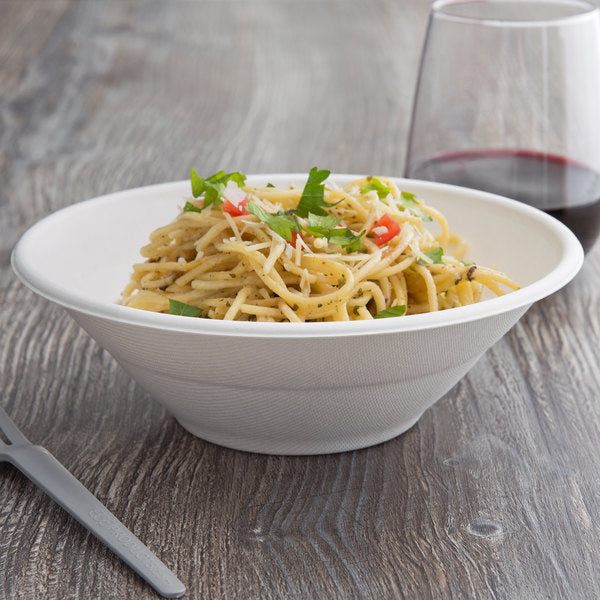
Rich, savory, and irresistibly creamy — miso butter sauce is the secret weapon behind countless restaurant-quality dishes you can make at home. This simple yet luxurious miso butter recipe blends the deep umami flavor of fermented miso paste with the smooth richness of melted butter, creating a versatile umami butter sauce that enhances everything from pasta and salmon to roasted vegetables and steak. If you’ve ever wondered how to make miso butter sauce, which miso is best for miso butter, or what goes well with miso butter sauce, this guide covers it all. Keep reading to discover the origins, variations, uses, and expert tips that will help you master this Japanese-inspired flavor bomb — and learn why it’s become a staple for home cooks and chefs worldwide.
When I first discovered miso butter sauce during a late-night cooking experiment, I had no idea I was stumbling onto one of the most versatile and deeply satisfying sauces in modern cuisine. What started as a desperate attempt to elevate a simple pasta dish with whatever I had in my pantry turned into an obsession with this golden, umami-rich creation that bridges Japanese tradition with contemporary cooking.
Miso butter sauce represents something beautiful about modern cooking—it's the perfect marriage between Eastern and Western culinary traditions. This sauce has quietly revolutionized home kitchens and restaurant menus alike, offering an immediate way to add depth and complexity to virtually any dish. Whether you're tossing it with fresh pasta, glazing salmon, or simply spreading it on warm bread, miso butter sauce delivers that elusive fifth taste—umami—in the most approachable way possible.
What Is Miso Butter Sauce

Definition of Miso Butter Sauce
Miso butter sauce is a fusion condiment that combines Japanese miso paste with butter to create a rich, savory sauce with deep umami flavor. At its core, it's an emulsion of fermented soybean paste and dairy fat that creates a creamy, glossy sauce with complex flavor notes ranging from sweet and nutty to salty and deeply savory.
The sauce typically has a golden to amber color, depending on the type of miso used, and maintains a smooth, velvety texture when properly prepared. Its consistency can range from a thick, spreadable compound butter when served cold to a silky, pourable sauce when warm. What makes this sauce particularly special is how it balances the funky, fermented notes of miso with the rich, creamy neutrality of butter.
History of Miso Butter Sauce
While miso itself dates back over 1,300 years in Japanese cuisine, miso butter sauce is a relatively modern creation born from the fusion cooking movement of the late 20th century. The combination likely emerged in the 1980s and 1990s when Japanese chefs working in Western kitchens began incorporating traditional Japanese ingredients into European cooking techniques.
The sauce gained significant popularity through high-end restaurants, particularly those specializing in Japanese-French fusion cuisine. Pioneering chefs recognized that miso's umami-rich profile could enhance the richness of butter-based sauces, creating something entirely new yet familiar to both Eastern and Western palates.
Social media and food culture in the 2010s really pushed miso butter sauce into mainstream consciousness. Home cooks began sharing their versions online, and the sauce's photogenic golden color and incredible versatility made it a natural fit for the visual-first food culture of platforms like Instagram and TikTok.
The Umami Flavor Behind Miso Butter Sauce
Umami, often called the fifth taste alongside sweet, sour, salty, and bitter, is what makes miso butter sauce so addictive and satisfying. Miso paste is packed with glutamates—the compounds responsible for umami flavor—which are created during the fermentation process of soybeans.
When combined with butter, these umami compounds are carried and distributed by the fat, creating a sauce that literally coats your palate with savory satisfaction. The fermentation process in miso also creates dozens of other flavor compounds, including organic acids and esters, which contribute to the sauce's complexity.
From a scientific perspective, the fat in butter acts as a flavor carrier, helping these water-soluble umami compounds reach taste receptors more effectively. This is why miso butter sauce tastes so much richer and more satisfying than either ingredient would alone—it's a perfect example of culinary synergy where the whole becomes greater than the sum of its parts.
Why Miso Butter Sauce Became Popular
The rise of miso butter sauce reflects several broader trends in modern cooking. First, there's been a growing appreciation for umami-rich ingredients as home cooks seek to add depth to their dishes without relying heavily on salt. Miso provides that depth while also contributing probiotic benefits and a connection to traditional fermentation practices.
The sauce also fits perfectly into the "fusion without confusion" approach that characterizes successful modern cuisine. Unlike some fusion dishes that can feel forced or overly complex, miso butter sauce feels natural and intuitive. Butter is familiar and comforting to Western palates, while miso adds just enough exotic intrigue to feel special and sophisticated.
From a practical standpoint, the sauce's versatility has driven much of its popularity. In an era where home cooks are looking for maximum impact with minimal effort, miso butter sauce delivers restaurant-quality flavor with just two main ingredients and virtually no technical skill required.
Ingredients for Miso Butter Sauce

Core Ingredients in Miso Butter Sauce
The beauty of miso butter sauce lies in its simplicity. The two essential ingredients are miso paste and butter, though a few additional components can help achieve the perfect consistency and balance.
Miso paste forms the flavor foundation of the sauce. This fermented soybean paste provides all the umami, saltiness, and complex fermented notes that make the sauce special. The paste should be relatively fresh and smooth, without crystallization or separation.
Butter serves as both the fat base and the mellowing agent that balances miso's intensity. European-style butter with higher fat content works best, as it creates a richer, more stable emulsion. Unsalted butter is preferable since miso already provides plenty of sodium.
Liquid components help create the proper consistency. This might include pasta water, dashi, chicken stock, or even plain water. The liquid also helps emulsify the sauce and prevents it from becoming too thick or greasy.
Acid brightens the sauce and helps balance its richness. A small amount of rice vinegar, white wine vinegar, or fresh lemon juice can make the difference between a heavy, cloying sauce and one that feels bright and balanced.
Best Miso Paste for Miso Butter Sauce (White vs Red Miso)
Choosing the right miso paste significantly impacts your sauce's final flavor profile. The two main categories—white (shiro) miso and red (aka) miso—offer distinctly different characteristics that work better for different applications.
White miso is my go-to choice for most miso butter sauce applications. It's fermented for a shorter period (usually 6 months to a year), resulting in a sweeter, milder flavor with less saltiness. White miso creates a more golden, visually appealing sauce and pairs beautifully with delicate proteins like fish, chicken, or vegetables. The sweetness in white miso also helps balance the richness of butter without overwhelming other flavors in a dish.
Red miso offers a more intense, deeply savory flavor that works well with heartier ingredients. Fermented for one to three years, red miso has a stronger, more complex flavor with earthy, almost wine-like notes. It creates a darker, more amber-colored sauce that pairs excellently with red meat, robust vegetables, or when you want the miso flavor to really stand out.
Mixed miso approaches are becoming increasingly popular. Some cooks combine white and red miso in different ratios to achieve a custom flavor profile that balances the sweetness of white miso with the depth of red miso.
Optional Add-ins to Customize Miso Butter Sauce
While the basic miso butter sauce is perfect on its own, several add-ins can customize the sauce for specific dishes or personal preferences.
Aromatics like garlic, ginger, and shallots add complexity and depth. Minced garlic is probably the most popular addition, providing pungency that complements miso's earthiness. Fresh ginger adds warmth and brightness, while shallots contribute a mild onion flavor that doesn't overpower.
Herbs can brighten and freshen the sauce. Chopped scallions are traditional and add both color and a mild onion bite. Fresh herbs like thyme, rosemary, or even basil can bridge the sauce to specific cuisines or dishes.
Spices and heat elements allow for customization. Red pepper flakes add gentle heat, while a touch of togarashi (Japanese seven spice) keeps the flavors cohesive. White pepper provides heat without changing the sauce's color.
Sweetening agents can help balance particularly salty miso or add complexity. A touch of honey, maple syrup, or even brown sugar can round out harsh edges and add another layer of flavor.
Substitutions for Butter or Miso in Miso Butter Sauce
While traditional miso butter sauce relies on dairy butter, several substitutions can accommodate different dietary needs or preferences.
For butter substitutions, high-quality vegan butter works surprisingly well, especially brands that use coconut oil as a base. The key is choosing a vegan butter with similar fat content and melting properties to dairy butter. Olive oil can work in a pinch, though it creates a thinner sauce with a different flavor profile. Ghee is an excellent substitution that adds nutty notes while still providing the rich mouthfeel of traditional butter.
For miso substitutions, the options are more limited since miso's unique fermented flavor is hard to replicate. However, other fermented bean pastes like Chinese doubanjiang or Korean doenjang can work, though they'll create distinctly different flavor profiles. Tahini mixed with soy sauce and a touch of white wine vinegar can approximate some of miso's richness and complexity, though it lacks the true fermented depth.
Soy sauce concentrate or reduced soy sauce mixed with a small amount of nut butter can provide some umami depth, though again, it won't perfectly replicate miso's complex flavor profile.
How to Make Miso Butter Sauce

Step-by-Step Instructions for Miso Butter Sauce
Making miso butter sauce is straightforward, but attention to detail ensures the best results. Here's my preferred method that consistently produces a smooth, well-balanced sauce:
Step 1: Prepare your ingredients. Bring butter to room temperature if using the cold method, or have it ready for melting if using the warm method. Measure your miso paste and have any additional ingredients ready.
Step 2: Create the miso base. In a small bowl, whisk the miso paste with a small amount of warm liquid (water, stock, or wine) to create a smooth paste. This prevents lumps and makes incorporation easier.
Step 3: Combine with butter. For the cold method, gradually work the miso mixture into softened butter until smooth. For the warm method, melt butter in a pan over low heat, then whisk in the miso mixture.
Step 4: Adjust consistency. Add liquid gradually until you reach your desired consistency. The sauce should be smooth and glossy, not broken or greasy.
Step 5: Season and balance. Taste and adjust with acid, additional liquid, or seasonings as needed.
Ratio of Butter to Miso for Perfect Balance
Getting the ratio right is crucial for a balanced miso butter sauce. After making this sauce hundreds of times, I've found that the ideal starting ratio is about 4:1 butter to miso by weight, which translates to roughly 4 tablespoons of butter to 1 tablespoon of miso paste.
However, this ratio should be adjusted based on the type of miso you're using and your intended application. White miso, being milder, might allow for a ratio closer to 3:1, while strong red miso might work better at 5:1 or even 6:1.
The key is to start conservatively—you can always add more miso, but it's much harder to fix an overly salty or funky sauce. I recommend starting with less miso than you think you need, tasting, and gradually adding more until you achieve the perfect balance for your palate and application.
Whisking and Emulsifying Miso Butter Sauce Properly
Proper emulsification is what separates a silky, restaurant-quality miso butter sauce from a broken, greasy mess. The key is understanding that you're creating an emulsion between the water-soluble components in miso and the fat in butter.
Temperature control is crucial. If making a warm sauce, keep the heat low and gentle. High heat will cause the emulsion to break and the sauce to separate into oily and watery components.
Whisking technique matters more than force. Use a figure-eight motion rather than circular whisking, which incorporates ingredients more effectively. Start slowly and gradually increase speed as the emulsion forms.
Adding liquid gradually helps maintain the emulsion. Never dump all your liquid in at once—add it slowly while whisking constantly. This allows the emulsion to build gradually and remain stable.
If your sauce does break, don't panic. Remove it from heat and whisk in a small amount of cold liquid, one teaspoon at a time, until the emulsion reforms.
Cold-Whipped vs Warm-Melted Method for Miso Butter Sauce
Both methods have their place, and choosing between them depends on your intended use and personal preference.
The cold-whipped method involves working miso paste into softened butter at room temperature. This creates a compound butter-style sauce that's excellent for spreading, finishing steaks, or tossing with hot pasta where the residual heat will melt the sauce. The cold method produces a more stable sauce that holds its shape and can be stored easily.
This method works best when you plan to use the sauce as a finishing touch or when you want to make it ahead of time. The texture is richer and more butter-forward, with the miso providing background depth rather than dominant flavor.
The warm-melted method involves melting butter and incorporating miso while warm. This creates a more fluid sauce that's ideal for immediate use with pasta, as a glaze for proteins, or when you want a sauce with a more prominent miso flavor.
The warm method allows for better integration of additional ingredients like garlic or herbs, and it's easier to adjust seasoning and consistency on the fly. However, warm miso butter sauce is more temperamental and must be used quickly or carefully reheated.
Tips for Avoiding Lumps in Miso Butter Sauce
Lumpy miso butter sauce is frustrating and unappetizing, but it's easily preventable with proper technique.
Pre-dissolve the miso in a small amount of liquid before incorporating it into butter. This is the single most effective way to prevent lumps. Whisk the miso with warm water, stock, or wine until completely smooth before adding to butter.
Room temperature butter is essential for the cold method. Cold butter won't incorporate properly, leading to lumps and uneven texture. Similarly, if using the warm method, don't let the butter get too hot before adding miso.
Strain if necessary. If you do end up with lumps, pour the sauce through a fine-mesh strainer. Use a spoon to press the lumps through the strainer, which will break them up and create a smooth sauce.
Quality miso matters. Old or poorly stored miso paste can become grainy or develop crystals that won't dissolve properly. Fresh, smooth miso paste incorporates much more easily.
Variations of Miso Butter Sauce
Garlic Miso Butter Sauce
Garlic miso butter sauce is probably the most popular variation, and for good reason—the pungent sweetness of garlic complements miso's earthy depth beautifully. The key is deciding whether to use raw or cooked garlic, as each provides a different flavor profile.
For cooked garlic, I prefer to gently sauté minced garlic in a small amount of butter until fragrant and just beginning to turn golden. This mellows the garlic's bite and adds a subtle nutty sweetness. Once the garlic is cooked, I whisk in the miso mixture and remaining butter.
Raw garlic provides more punch and works well when you want the garlic flavor to be prominent. Microplane-grated garlic incorporates better than minced, and the sauce benefits from sitting for 10-15 minutes to allow the flavors to meld.
A middle-ground approach involves using garlic confit—garlic slowly cooked in oil until soft and sweet. This provides garlic flavor without the harshness of raw or the nuttiness of sautéed garlic.
Brown Butter Miso Sauce
Brown butter miso sauce takes the nutty complexity up several notches by first browning the butter before incorporating the miso. This variation requires more attention but rewards you with incredible depth of flavor.
To make brown butter miso sauce, cook butter in a light-colored pan over medium heat, swirling occasionally, until it turns golden brown and smells nutty. The key visual cue is the milk solids turning golden brown while the foam subsides. This usually takes 3-5 minutes.
Once the butter is properly browned, remove it from heat and let it cool slightly before whisking in your miso mixture. The brown butter adds a toasted, almost caramelized flavor that pairs exceptionally well with autumn vegetables, pork, or hearty fish like salmon.
Be careful not to over-brown the butter, as burnt butter will make the entire sauce bitter. If you're nervous about timing, err on the side of caution—lightly browned butter is better than burnt butter.

Spicy Miso Butter Sauce
Adding heat to miso butter sauce opens up numerous possibilities for customization. The type of heat you choose significantly impacts the final flavor profile.
Red pepper flakes provide gentle, familiar heat that doesn't overwhelm the miso flavor. Start with just a pinch, as the heat will build as the sauce sits.
Gochujang (Korean chili paste) creates an amazing Korean-Japanese fusion flavor. Since gochujang is also fermented, it complements miso beautifully while adding sweet heat and additional umami depth.
Sriracha or sambal oelek work well for those who want more accessible heat flavors. These add brightness along with spice.
Fresh chilies like jalapeños or serranos can be minced and incorporated, but remember that their heat can vary significantly. Always start with less than you think you need.
Vegan Miso Butter Sauce
Creating a vegan version of miso butter sauce that maintains the richness and mouthfeel of the original requires choosing the right plant-based butter substitute.
High-quality vegan butter is essential. Brands that use coconut oil as a base tend to work best, as they have similar melting properties to dairy butter. Avoid margarine or spreads with high water content, as they won't emulsify properly.
Cashew butter thinned with a small amount of neutral oil can create a rich, creamy base that works beautifully with miso. The nuts' natural richness complements miso's earthiness.
Refined coconut oil works when you want to avoid any coconut flavor. It provides richness and creates a proper emulsion, though the texture will be slightly different from traditional butter-based versions.
The technique remains the same regardless of your fat choice—the key is ensuring your plant-based fat has similar properties to butter in terms of melting point and fat content.
Cheesy Miso Butter Sauce
Adding cheese to miso butter sauce might sound unusual, but certain cheeses complement miso's umami character beautifully, creating an incredibly rich and satisfying sauce.
Parmesan cheese is the most obvious choice, as its aged, nutty flavor pairs naturally with miso's fermented notes. Finely grated Parmesan whisked into warm miso butter sauce creates something that's greater than the sum of its parts.
Gruyère or aged cheddar work well when you want more pronounced cheese flavor. These should be grated finely and added off heat to prevent the sauce from becoming stringy.
Cream cheese creates an incredibly rich, smooth sauce that's excellent for pasta or as a dip. The tanginess of cream cheese balances miso's saltiness beautifully.
When adding cheese, remember that most cheeses add saltiness, so you may need to adjust your miso quantity accordingly.
Asian-Inspired Miso Butter Sauce
Building on miso butter sauce with other Asian flavors creates exciting variations that feel cohesive and intentional.
Sesame oil and seeds are natural partners for miso. A few drops of toasted sesame oil add nutty depth, while toasted sesame seeds provide texture and visual appeal.
Rice vinegar and mirin add brightness and subtle sweetness. These traditional Japanese ingredients enhance miso's natural flavor profile rather than competing with it.
Ginger and scallions create a fresh, aromatic variation that's excellent with fish or vegetables. Grate fresh ginger finely to avoid chunks, and add scallions at the end to preserve their color and bite.
Soy sauce might seem redundant with miso, but a small amount of high-quality soy sauce can add another layer of umami complexity.
How to Use Miso Butter Sauce

Miso Butter Sauce for Pasta
Miso butter sauce transforms simple pasta into something restaurant-worthy with minimal effort. The key to perfect miso butter pasta is understanding how to use pasta water to create a silky, cohesive sauce that coats every strand.
Pasta water is crucial for proper emulsification. The starchy, salty water helps bind the miso butter sauce to the pasta while adjusting consistency. Always reserve at least a cup of pasta water before draining.
Timing matters. Add the pasta to your miso butter sauce while both are hot, then add pasta water gradually while tossing. The residual heat helps emulsify everything together.
Pasta shapes affect how the sauce clings. Long, thin pastas like spaghetti or linguine work beautifully, as do shapes with ridges or curves that hold sauce well. Avoid very delicate pasta that might break during tossing.
I particularly love miso butter sauce with fresh pasta, as its slightly irregular texture holds the sauce exceptionally well. However, high-quality dried pasta works perfectly—just make sure to cook it properly al dente.
Miso Butter Sauce for Salmon and Fish
The combination of miso butter sauce with fish, particularly salmon, is nothing short of magical. The sauce's umami richness complements fish's natural oils while adding complexity without overwhelming delicate flavors.
Salmon is the classic pairing, and for good reason. The fish's rich, meaty texture stands up to miso's intensity, while its natural oils blend beautifully with butter. Both white and red miso work well with salmon, though I prefer white miso for its gentler sweetness.
White fish like halibut, cod, or sea bass benefit from miso butter sauce's ability to add richness without competing flavors. Use white miso and consider adding a touch of lemon juice to brighten the combination.
Application methods vary depending on your cooking technique. For pan-seared fish, add miso butter sauce to the pan after cooking to create a glaze. For baked fish, brush the sauce on during the last few minutes of cooking. For grilled fish, use it as a finishing sauce drizzled over the cooked fish.
Miso Butter Sauce for Vegetables
Vegetables and miso butter sauce are a match made in heaven, particularly for those looking to make plant-based dishes more satisfying and umami-rich.
Roasted vegetables benefit enormously from miso butter sauce. Toss vegetables like Brussels sprouts, carrots, or cauliflower with the sauce before roasting, or drizzle it over just before serving. The sauce caramelizes beautifully in the oven.
Steamed vegetables can be transformed from bland to spectacular with a simple drizzle of miso butter sauce. This works particularly well with green vegetables like broccoli, asparagus, or green beans.
Grilled vegetables develop incredible complexity when basted with miso butter sauce during cooking. The sauce adds richness while the sugars in miso help create beautiful caramelization.
Vegetable preparation affects how well the sauce adheres. Cut vegetables into pieces that maximize surface area for sauce contact, and make sure they're properly dried before adding the sauce.
Miso Butter Sauce for Steak, Chicken, and Tofu
Miso butter sauce works as an excellent finishing sauce for proteins, adding richness and umami that enhances rather than masks the protein's natural flavors.
Steak pairs beautifully with miso butter sauce, particularly when you use red miso for its deeper, more intense flavor. The sauce works best as a finishing touch rather than a marinade, applied after the steak has rested. The combination of beef's richness with miso's umami creates an incredibly satisfying flavor profile.
Chicken benefits from miso butter sauce's ability to add moisture and flavor. Both white and dark meat work well, though I find thighs particularly delicious with this sauce. For chicken, you can use the sauce as a glaze during the last few minutes of cooking or as a finishing sauce.
Tofu and miso butter sauce create a fantastic vegetarian main course. The sauce adds richness that tofu naturally lacks, while tofu's mild flavor allows the miso to shine. This combination works especially well with firm or extra-firm tofu that's been properly pressed and seared.
Miso Butter Sauce as a Spread or Dipping Sauce
Beyond its uses as a cooking sauce, miso butter sauce makes an excellent condiment for various applications.
As a spread, room-temperature miso butter sauce elevates simple bread, crackers, or even bagels. The compound butter-like consistency makes it easy to spread, and the umami flavor adds depth to simple carbohydrates.
For dipping, thin the sauce slightly with stock or water to create the perfect consistency for bread, vegetables, or even dumplings. Warm miso butter sauce makes an excellent dipping sauce for artichokes or other steamed vegetables.
Sandwich applications work surprisingly well. A thin layer of miso butter sauce adds incredible depth to grilled cheese, enhances the flavor of roasted vegetable sandwiches, and even works as a base for more complex sandwich combinations.
What Goes Well With Miso Butter Sauce
Understanding flavor pairings helps you use miso butter sauce more creatively and effectively.
Ingredients that enhance umami work naturally with miso butter sauce. Mushrooms, tomatoes, aged cheeses, and cured meats all complement the sauce's savory depth.
Sweet elements provide excellent balance. Caramelized onions, roasted root vegetables, and even fruits like pears or apples can create interesting contrasts with the sauce's saltiness.
Fresh herbs and acids brighten the sauce and prevent it from feeling too heavy. Lemon juice, rice vinegar, fresh herbs like cilantro or parsley, and even pickled vegetables work as excellent accompaniments.
Textural contrasts make dishes more interesting. Toasted nuts, crispy shallots, or crunchy vegetables provide textural variety that prevents the rich sauce from becoming monotonous.
Cooking Techniques for Miso Butter Sauce
How to Emulsify Miso Butter Sauce with Pasta Water
Emulsifying miso butter sauce with pasta water is a technique that separates good pasta dishes from great ones. The starchy pasta water acts as an emulsifier, helping create a silky sauce that clings to pasta rather than sitting separately on the plate.
Pasta water quality matters significantly. The water should be well-salted (it should taste like seawater) and starchy from cooking the pasta. Don't rinse the pasta, as you want that surface starch to help with emulsification.
Temperature control is crucial for proper emulsification. Both the pasta and the miso butter sauce should be hot when combined. If either cools too much, the emulsion won't form properly, and you'll end up with a greasy, separated sauce.
The technique involves adding hot pasta to your miso butter sauce, then gradually adding pasta water while tossing constantly. Start with small amounts of water—a few tablespoons at a time—and add more as needed to achieve the right consistency.
Visual cues tell you when the emulsification is working. The sauce should look glossy and cohesive, coating the pasta evenly without pooling in the bottom of the pan. If it looks greasy or separated, add more pasta water and toss more vigorously.
Controlling Heat and Texture in Miso Butter Sauce
Heat management is critical when working with miso butter sauce, as too much heat can cause the sauce to break, while too little heat prevents proper emulsification.
Low and steady heat works best for most applications. High heat will cause the butter to separate and the miso to become grainy or bitter. Medium-low heat allows for proper melting and emulsification without stress.
Signs of overheating include the sauce looking oily or separated, developing a grainy texture, or taking on a burnt smell. If you notice any of these signs, immediately remove the pan from heat and whisk in a small amount of cool liquid to bring the temperature down.
Texture adjustments can be made throughout the cooking process. If the sauce is too thick, add liquid gradually while whisking. If it's too thin, continue cooking gently to reduce some liquid, or whisk in additional butter to thicken.
Off-heat finishing often produces the best results. Many experienced cooks prepare miso butter sauce mostly off heat, using only residual pan heat to warm and emulsify the ingredients.
Salt and Umami Balance in Miso Butter Sauce
Balancing salt and umami in miso butter sauce requires understanding that these two flavor elements work together but aren't interchangeable.
Miso provides both salt and umami, but different types of miso have different ratios. White miso is generally less salty but still umami-rich, while red miso tends to be saltier and more intensely savory.
Tasting throughout the cooking process is essential. Miso's saltiness becomes more apparent as the sauce reduces or concentrates, so what tastes balanced initially might become too salty by the end of cooking.
Dilution techniques can help if the sauce becomes too salty. Adding unsalted butter, cream, or neutral liquid can help balance excessive saltiness without completely starting over.
Enhancement vs. overwhelming is a delicate balance. The goal is to enhance the natural flavors of whatever you're serving with the sauce, not to overwhelm them with umami intensity.
When to Add Garlic, Herbs, or Acids in Miso Butter Sauce
Timing additions properly ensures they contribute their intended flavors without becoming overpowering or losing their character.
Garlic timing depends on how prominent you want the garlic flavor to be. Add raw garlic at the very end for sharp, pungent flavor. Cook garlic gently at the beginning for mellow, sweet garlic notes. For moderate garlic flavor, add it midway through the process.
Fresh herbs should generally be added at the end of cooking to preserve their color, flavor, and texture. Hardy herbs like rosemary or thyme can withstand more heat, while delicate herbs like basil or cilantro should be stirred in just before serving.
Dried herbs and spices can be added earlier in the process, as they need time and heat to release their flavors. However, be careful not to cook them so long that they become bitter.
Acids like lemon juice or vinegar should typically be added at the end, as prolonged cooking can diminish their brightness. However, wines or cooking acids can be added earlier and reduced to concentrate their flavors.
Flavor Pairings and Garnishes for Miso Butter Sauce
Best Herbs, Spices, and Toppings for Miso Butter Sauce
Choosing the right garnishes and flavor additions can transform miso butter sauce from good to extraordinary, adding layers of complexity and visual appeal.
Asian herbs and aromatics work naturally with miso butter sauce. Fresh cilantro adds brightness and a slight pepper note, while Thai basil provides anise-like complexity. Green onions or scallions offer mild onion flavor and beautiful color contrast.
European herbs can create interesting fusion flavors. Fresh thyme pairs surprisingly well with miso's earthiness, while parsley adds freshness and color. Sage, particularly when crisped in the butter before adding miso, creates an incredibly sophisticated flavor profile.
Textural toppings add interest and contrast to the rich sauce. Toasted sesame seeds provide nuttiness and crunch, while crispy garlic or shallots add both texture and flavor. Panko breadcrumbs toasted in butter create an excellent contrast to the sauce's smoothness.
Spice additions should complement rather than compete with miso's complexity. A pinch of white pepper adds heat without changing the sauce's color, while togarashi (Japanese seven spice) provides heat and additional umami notes.
Pairing Miso Butter Sauce with Proteins and Vegetables
Understanding which proteins and vegetables work best with miso butter sauce helps you create balanced, harmonious dishes.
Rich proteins like salmon, duck, or pork belly pair excellently with miso butter sauce because they can stand up to its intensity while their natural fats complement the sauce's richness. The key is not overwhelming these already flavorful proteins.
Mild proteins like chicken breast, white fish, or tofu benefit from miso butter sauce's ability to add complexity and richness. These proteins act as a canvas that allows the sauce to shine while providing substance.
Sweet vegetables like carrots, sweet potatoes, or butternut squash create beautiful flavor harmony with miso butter sauce. The vegetables' natural sweetness balances the sauce's saltiness, while their earth tones provide visual appeal.
Bitter or pungent vegetables like Brussels sprouts, broccoli, or asparagus are transformed by miso butter sauce. The sauce's richness mellows their intensity while adding umami depth that makes these vegetables incredibly satisfying.
Complementary Sauces and Seasonings
Sometimes layering miso butter sauce with other flavors creates even more complex and interesting dishes.
Citrus elements provide essential brightness that prevents miso butter sauce from feeling too heavy. Fresh lemon or lime juice, yuzu, or even orange zest can add the acidic balance that makes rich sauces more appealing.
Other fermented flavors can complement miso's fermented character. A small amount of high-quality soy sauce, fish sauce, or even Worcestershire sauce can add additional umami layers without competing.
Wine reductions can be incorporated into miso butter sauce for added complexity. White wine provides acidity and brightness, while sake creates a cohesive Japanese flavor profile. Red wine works with heartier dishes and red miso variations.
Nut oils and tahini add richness and complexity while maintaining the sauce's smooth texture. A few drops of toasted sesame oil or a small amount of tahini can create Middle Eastern or Asian fusion flavors.
Storage and Shelf Life of Miso Butter Sauce
How to Store Miso Butter Sauce in the Refrigerator
Proper storage ensures your miso butter sauce maintains its quality, texture, and food safety for as long as possible.
Container choice affects how well the sauce stores. Glass containers are ideal because they don't absorb flavors and are easy to clean. If using plastic, choose containers specifically designed for food storage. Avoid metal containers, as miso's acidity can interact with certain metals over time.
Surface protection prevents oxidation and off-flavors. Press plastic wrap directly onto the sauce's surface before covering with a lid. This prevents air exposure, which can cause the butter to become rancid and the miso flavors to deteriorate.
Temperature consistency is crucial. Store the sauce in the main part of your refrigerator, not in the door where temperatures fluctuate. The ideal storage temperature is between 32-38°F (0-3°C).
Shelf life for properly stored miso butter sauce is typically 5-7 days, though this can vary based on the freshness of your initial ingredients and storage conditions. The butter component is usually the limiting factor, as it can develop off-flavors before the miso does.

Can You Freeze Miso Butter Sauce?
Freezing miso butter sauce is possible but requires understanding how freezing affects the sauce's texture and quality.
Texture changes are inevitable when freezing butter-based sauces. The emulsion will break during freezing and thawing, resulting in a separated appearance that requires re-emulsification. While the flavor remains good, the texture will never be quite the same as fresh sauce.
Freezing techniques can minimize damage. Freeze the sauce in small portions—ice cube trays work well for this. Once frozen solid, transfer the cubes to a freezer bag for longer storage. This allows you to thaw only what you need.
Thawing and reconstitution require patience and technique. Thaw frozen miso butter sauce slowly in the refrigerator, then gently rewarm while whisking constantly. You may need to add a small amount of warm liquid to help re-emulsify the sauce.
Frozen storage time should not exceed 2-3 months for best quality. While the sauce won't become unsafe beyond this time, flavors will begin to deteriorate, and texture problems will become more pronounced.
Reheating Miso Butter Sauce Without Separation
Reheating miso butter sauce properly requires gentle heat and careful technique to maintain the emulsion.
Low heat is essential. High heat will cause the sauce to separate immediately and may make it impossible to re-emulsify. Use the lowest heat setting that will warm the sauce through.
Stirring technique matters more than speed. Use a gentle folding motion rather than aggressive whisking, which can break the emulsion. Stir constantly to ensure even heating.
Adding liquid can help maintain the emulsion during reheating. A tablespoon of warm stock, pasta water, or even plain water can help keep the sauce smooth and prevent separation.
Off-heat finishing often works best. Warm the sauce most of the way through, then remove from heat and continue stirring until it reaches serving temperature. The residual heat will finish warming the sauce without risking separation.
Nutritional Information for Miso Butter Sauce
Calories and Macronutrients in Miso Butter Sauce
Understanding the nutritional profile of miso butter sauce helps you incorporate it into your diet mindfully and make informed decisions about portion sizes and frequency of use.
Caloric density is significant due to the high fat content from butter. A typical serving (about 2 tablespoons) contains approximately 150-180 calories, with the vast majority coming from fat. This makes miso butter sauce a calorie-dense condiment that should be used thoughtfully.
Fat content comprises about 85-90% of the calories, with most of it being saturated fat from butter. However, recent nutritional research has shown that natural saturated fats from dairy may not be as problematic as once thought, especially when consumed as part of a balanced diet.
Protein content is moderate, with most coming from the miso paste. Miso provides complete protein with all essential amino acids, though the quantities in a typical serving of miso butter sauce are relatively small.
Carbohydrate content is low, making miso butter sauce suitable for low-carb diets. Most carbohydrates come from the miso paste and are primarily complex carbohydrates from the fermented soybeans.
Sodium and Fat Content Considerations
The sodium and fat content in miso butter sauce requires consideration, particularly for those with dietary restrictions or health concerns.
Sodium levels can be quite high, primarily from the miso paste. A typical serving might contain 400-600mg of sodium, which represents about 25-30% of the recommended daily intake. This is important for those monitoring sodium for blood pressure or heart health reasons.
Saturated fat content is significant due to the butter base. While recent research has questioned the direct link between saturated fat and heart disease, those with specific dietary restrictions may need to modify the sauce or limit portion sizes.
Cholesterol content comes entirely from the butter component. Each serving contains approximately 20-30mg of cholesterol, which is moderate but worth considering for those managing cholesterol levels.
Balancing with other foods can help mitigate these concerns. Using miso butter sauce with high-fiber vegetables, lean proteins, and whole grains can create more nutritionally balanced meals.
How to Make Miso Butter Sauce Healthier
Several modifications can reduce the caloric density and improve the nutritional profile of miso butter sauce without sacrificing too much flavor.
Butter substitutions can significantly impact the nutritional profile. Using half butter and half Greek yogurt creates a lighter sauce with added protein and probiotics. Avocado can replace some butter for heart-healthy monounsaturated fats.
Portion control is the most effective way to enjoy miso butter sauce while managing caloric intake. Using the sauce as an accent rather than a coating can provide flavor satisfaction with fewer calories.
Adding vegetables to extend the sauce increases fiber and nutrient content while reducing caloric density. Pureed roasted vegetables like cauliflower or butternut squash can add body and nutrition.
Lower-sodium miso varieties are available and can reduce the overall sodium content. Some brands offer reduced-sodium miso pastes that maintain much of the flavor complexity.
Troubleshooting Miso Butter Sauce
How to Fix Salty Miso Butter Sauce
Over-salted miso butter sauce is one of the most common problems home cooks encounter, but several techniques can help balance excessive saltiness.
Dilution is often the most effective solution. Adding unsalted butter gradually can help balance saltiness while maintaining the sauce's richness. Alternatively, adding cream, milk, or neutral stock can reduce salt concentration.
Acid balance can help counteract excessive saltiness. A small amount of lemon juice, rice vinegar, or white wine vinegar can make the sauce taste less salty by providing contrasting flavors.
Sweetness can also help balance salt. A small amount of honey, maple syrup, or even a pinch of sugar can round out harsh salty edges without making the sauce taste sweet.
Volume expansion works when you have the time and ingredients. Making a second batch of miso butter sauce with less miso and combining the two batches often produces better results than trying to fix an over-salted sauce.
How to Fix Broken or Separated Miso Butter Sauce
A broken or separated miso butter sauce looks unappealing but is usually fixable with the right technique.
Temperature adjustment is often the first step. If the sauce broke due to overheating, remove it from heat immediately and let it cool slightly. If it broke due to being too cold, gentle warming can sometimes help.
Re-emulsification techniques involve starting with a small amount of the broken sauce and gradually whisking in the rest. Take a tablespoon of the broken sauce and whisk it vigorously while slowly adding the remaining sauce.
Adding emulsifiers can help stabilize a problematic sauce. A small amount of Dijon mustard, egg yolk, or even lecithin can help bind the fat and water components together.
Starting over is sometimes the best option if the sauce is severely broken and other techniques aren't working. Use the broken sauce as a base and treat it as you would when making fresh sauce.
How to Thicken or Thin Miso Butter Sauce
Achieving the perfect consistency for your intended use requires understanding how different ingredients affect the sauce's texture.
Thickening techniques depend on whether you want to maintain the sauce's character. Adding more butter will thicken the sauce while maintaining its richness. Reducing the sauce over low heat will concentrate flavors and thicken consistency.
Alternative thickeners include cream cheese for richness, cornstarch slurry for neutral thickening, or even pureed vegetables for added nutrition and body.
Thinning methods vary based on your flavor goals. Pasta water adds starch and helps with emulsification. Stock adds flavor while thinning. Plain water works when you don't want to change the flavor profile.
Consistency adjustments should be made gradually. It's much easier to thin a sauce than to thicken it, so always err on the side of too thick rather than too thin.
Preventing Grainy or Lumpy Texture in Miso Butter Sauce
Texture problems in miso butter sauce are usually preventable with proper technique and ingredient preparation.
Miso preparation is crucial for smooth texture. Always whisk miso paste with a small amount of liquid before incorporating it into butter. This pre-dissolution prevents lumps and ensures even distribution.
Temperature management prevents graininess caused by overheating. Keep temperatures low and gentle throughout the cooking process. High heat can cause the miso proteins to coagulate, creating a grainy texture.
Straining solutions can fix texture problems after they occur. Pouring the finished sauce through a fine-mesh strainer removes any lumps or grainy particles, though you'll lose some volume.
Quality ingredients prevent many texture problems from occurring. Fresh, smooth miso paste and high-quality butter create better emulsions and smoother final textures.
Frequently Asked Questions About Miso Butter Sauce
What Is Miso Butter Sauce Made Of?
Miso butter sauce is made primarily from two ingredients: miso paste and butter. Miso paste is a fermented soybean paste that provides umami flavor and saltiness, while butter provides richness and serves as the fat base for the sauce. Additional ingredients might include small amounts of liquid (water, stock, or wine) to achieve the desired consistency, and sometimes acid (lemon juice or rice vinegar) to balance the richness.
The beauty of miso butter sauce lies in its simplicity—these few ingredients combine to create something much more complex and flavorful than either would be alone. Optional ingredients like garlic, herbs, or spices can customize the sauce, but the basic version requires only miso and butter.
How Do You Make Miso Butter Sauce for Pasta?
Making miso butter sauce for pasta involves creating an emulsion between miso paste and butter, then using starchy pasta water to create a silky sauce that coats the noodles.
Start by cooking your pasta in well-salted water and reserving at least a cup of the pasta water before draining. While the pasta cooks, whisk miso paste with a small amount of warm water until smooth. In a large pan, melt butter over low heat, then whisk in the miso mixture until combined.
Add the hot, drained pasta to the pan with the miso butter, then gradually add pasta water while tossing constantly until the sauce becomes glossy and coats the pasta evenly. The starchy pasta water is crucial for proper emulsification and helps create a restaurant-quality sauce.
Which Miso Is Best for Miso Butter Sauce?
White miso (shiro miso) is generally the best choice for miso butter sauce, especially for beginners or when pairing with delicate flavors. White miso is fermented for a shorter time, resulting in a milder, sweeter flavor that balances beautifully with butter's richness without overwhelming other ingredients.
Red miso (aka miso) works well when you want a more intense, complex flavor or when pairing with heartier ingredients like red meat or robust vegetables. Red miso has been fermented longer and has a deeper, more pronounced flavor.
Mixed miso approaches are becoming popular, where cooks blend white and red miso to achieve a custom flavor profile. Start with white miso to understand the basic flavor profile, then experiment with red miso or combinations as you become more comfortable with the sauce.
Can Miso Butter Sauce Be Vegan?
Yes, miso butter sauce can absolutely be made vegan by substituting plant-based butter for dairy butter. High-quality vegan butter that's designed to mimic real butter's properties works best, particularly brands that use coconut oil as a base.
The technique remains the same when using vegan butter—the key is choosing a product with similar fat content and melting properties to dairy butter. Some vegan butters have higher water content, which can affect emulsification, so you may need to adjust your liquid additions accordingly.
Other plant-based fat alternatives like refined coconut oil or even cashew butter thinned with neutral oil can work, though they'll create slightly different flavor profiles and textures than traditional butter-based versions.
How Long Does Miso Butter Sauce Last in the Fridge?
Properly stored miso butter sauce lasts 5-7 days in the refrigerator. The sauce should be stored in an airtight container with plastic wrap pressed directly onto the surface to prevent oxidation. Store it in the main part of the refrigerator where temperatures are most consistent.
The butter component is typically what limits the sauce's shelf life, as it can develop off-flavors before the miso does. Signs that the sauce has gone bad include off smells, changes in texture, or visible mold growth.
For longer storage, the sauce can be frozen for 2-3 months, though the texture will change and require re-emulsification upon thawing.
Can I Use Miso Butter Sauce on Fish or Vegetables?
Miso butter sauce is excellent on both fish and vegetables. For fish, it works particularly well with salmon, as the rich fish can stand up to the sauce's intensity, but it also enhances milder fish like cod or halibut by adding richness and complexity.
For vegetables, miso butter sauce transforms both roasted and steamed vegetables. It's particularly good with vegetables that have some natural sweetness, like carrots or Brussels sprouts, as well as with bitter vegetables like broccoli or asparagus, where the sauce's richness balances their intensity.
The sauce can be used as a glaze during cooking, brushed on just before serving, or served alongside as a dipping sauce, depending on your preparation method and preferences.
Is Miso Butter Sauce Healthy?
Miso butter sauce is calorie-dense due to its high fat content, but it also provides some nutritional benefits. Miso paste contains probiotics, complete proteins, and various vitamins and minerals from the fermentation process. However, the sauce is high in saturated fat and sodium, which should be considered in the context of your overall diet.
The sauce is best enjoyed in moderation as part of a balanced diet. Its intense flavor means a little goes a long way, so you can get significant flavor impact with relatively small portions. Pairing it with fiber-rich vegetables and lean proteins can help create more nutritionally balanced meals.
What Goes Well With Miso Butter Sauce?
Miso butter sauce pairs well with a wide variety of ingredients. Proteins like salmon, chicken, pork, and tofu all work excellently. Vegetables, particularly those with some natural sweetness or bitterness, are transformed by the sauce.
From a flavor perspective, ingredients that complement umami work well—mushrooms, aged cheeses, and tomatoes all enhance the sauce's savory character. Fresh herbs like cilantro, parsley, or scallions add brightness, while acids like lemon juice or rice vinegar provide necessary balance.
Textural contrasts like toasted nuts, crispy shallots, or crunchy vegetables help prevent the rich sauce from becoming monotonous and add visual appeal to finished dishes.
Creative Ways to Use Miso Butter Sauce
Miso Butter Sauce for Rice Bowls
Rice bowls have become increasingly popular as a customizable, satisfying meal format, and miso butter sauce adds incredible richness and umami depth that transforms simple ingredients into something special.
Grain preparation affects how well the sauce integrates. Warm rice absorbs the sauce better than cold, and slightly sticky short-grain rice holds the sauce more effectively than long-grain varieties. I particularly love using the sauce with brown rice, as its nuttiness complements miso's earthiness.
Layering strategy matters for rice bowls. I prefer to drizzle some miso butter sauce directly onto the warm rice, allowing it to be absorbed, then add toppings and finish with additional sauce on top. This creates layers of flavor throughout the bowl rather than just on the surface.
Protein combinations work beautifully in miso butter rice bowls. Seared tofu, grilled chicken, or even a simple fried egg become more satisfying when combined with the sauce. The rice acts as a neutral base that allows both the protein and sauce to shine.
Vegetable additions should provide textural and flavor contrast. Crispy vegetables like cucumber or radishes, roasted vegetables like broccoli or carrots, and pickled vegetables all work well to balance the sauce's richness.
Miso Butter Sauce in Sandwiches and Burgers
Using miso butter sauce in sandwiches and burgers might sound unconventional, but it adds incredible depth and umami richness that elevates these familiar formats.
Bread choice affects how well the sauce works in sandwiches. Sturdy breads that won't get soggy work best—think ciabatta, sourdough, or good-quality burger buns. Toasting the bread lightly helps create a barrier that prevents the sauce from making the bread soggy.
Application techniques vary depending on the sandwich style. For hot sandwiches, I like to spread room-temperature miso butter sauce on the bread before assembling, then grill or toast the sandwich. For cold applications, the sauce works well as a spread mixed with cream cheese or mayonnaise for easier application.
Burger applications are particularly exciting. Miso butter sauce works as both a spread and a topping for burgers. It's especially good with beef burgers, where it enhances the meat's umami character, but also works beautifully with mushroom or black bean veggie burgers.
Complementary ingredients should balance the sauce's intensity. Fresh vegetables like lettuce, tomato, or cucumber provide necessary freshness, while pickled vegetables add acidity that cuts through the richness.
Miso Butter Sauce for Grilled or Roasted Dishes
Grilling and roasting create unique opportunities to use miso butter sauce, as the high heat caramelizes the sauce's sugars and creates complex flavor development.
Basting techniques for grilled foods require careful timing. Apply miso butter sauce during the last few minutes of grilling to prevent burning. The sauce's sugars will caramelize quickly, creating a beautiful glaze, but too much exposure to high heat will make it bitter.
Roasting applications work particularly well with vegetables and proteins that benefit from the sauce's richness. Root vegetables like carrots, parsnips, or sweet potatoes develop incredible complexity when roasted with miso butter sauce.
Temperature management is crucial when using the sauce with high-heat cooking methods. The butter can burn easily, so consider adding the sauce toward the end of cooking or using it as a finishing glaze rather than a marinade.
Finishing touches can enhance grilled or roasted dishes with miso butter sauce. Fresh herbs, toasted sesame seeds, or a squeeze of fresh lemon juice added after cooking can brighten the dish and provide textural contrast.
Miso Butter Sauce as a Marinade or Glaze
While miso butter sauce works excellently as a finishing sauce, it can also function as a marinade or glaze with some modifications and considerations.
Marinade applications work best when the sauce is thinned slightly and used for shorter marinating times. The salt content in miso can cure proteins if left too long, changing their texture in ways that might not be desirable.
Glaze timing is crucial for success. Apply the sauce in the final stages of cooking to create a beautiful, caramelized coating without burning. Multiple light applications often work better than one heavy coating.
Heat tolerance varies depending on the cooking method. For high-heat applications like grilling, consider reserving some plain miso butter sauce for finishing, as the cooked glaze might become too intense or slightly bitter.
Acid additions can help when using the sauce as a marinade. A touch of rice vinegar or citrus juice can help tenderize proteins and balance the richness for longer contact times.
Miso Butter Sauce in Japanese and Modern Cuisine
Traditional Roots of Miso in Japanese Cooking
Understanding miso's traditional role in Japanese cuisine helps appreciate how miso butter sauce represents both continuity and innovation in culinary development.
Historical significance of miso in Japan dates back over 1,300 years, when it served as a crucial protein source and preservative. Originally, miso was eaten as a solid food rather than dissolved into liquids or sauces, highlighting how dramatically its culinary applications have evolved.
Traditional applications include miso soup, marinades for fish and vegetables, and as a flavoring agent for various dishes. The concept of combining miso with fats isn't entirely foreign to traditional Japanese cooking—miso-glazed dishes often rely on the natural fats in the ingredients being cooked.
Fermentation culture in Japan extends far beyond miso to include sake, soy sauce, and various pickled vegetables. This deep cultural appreciation for fermented flavors helps explain why miso butter sauce feels natural rather than forced—it builds on existing flavor preferences and traditions.
Regional variations in miso production throughout Japan create different flavor profiles that work better or worse in fusion applications like miso butter sauce. Understanding these regional differences can help you choose the best miso for your specific applications.
How Western Cuisine Adapted Miso Butter Sauce
The adoption of miso butter sauce in Western cooking represents a successful example of cultural culinary exchange that respects tradition while creating something new.
French technique influence is evident in miso butter sauce's preparation methods, which closely resemble classic French butter sauce techniques. The emphasis on proper emulsification, temperature control, and sauce consistency reflects French culinary training that many professional chefs bring to fusion cooking.
Italian pasta integration has been particularly successful, as miso butter sauce works beautifully with pasta preparations. The technique of using pasta water for emulsification and the emphasis on simple, high-quality ingredients aligns perfectly with Italian cooking philosophy.
American innovation has driven much of miso butter sauce's popularity through social media and food culture. American cooks' willingness to experiment and combine flavors from different traditions has helped normalize and popularize the sauce.
Restaurant culture played a crucial role in introducing miso butter sauce to broader audiences. High-end restaurants' adoption of the sauce helped establish its credibility and introduced diners to flavor combinations they might not have tried at home.
Modern Culinary Trends Using Miso Butter Sauce
Contemporary food culture has embraced miso butter sauce as part of several broader culinary trends that reflect modern eating preferences and social media influence.
Umami awareness has grown significantly in recent years, with more home cooks understanding and seeking out the fifth taste. Miso butter sauce provides an accessible way to add umami to familiar dishes, fitting perfectly into this trend.
Fusion cooking acceptance has made combinations like miso butter sauce feel natural rather than exotic. Modern diners are more open to flavor combinations that cross cultural boundaries, especially when they're executed thoughtfully.
Visual appeal has become increasingly important in food culture, and miso butter sauce's golden color and glossy finish make it naturally photogenic for social media sharing. This visual appeal has contributed significantly to its popularity.
Fermentation interest reflects growing awareness of gut health and traditional food preparation methods. Miso butter sauce allows people to incorporate fermented foods into their diets in an approachable, delicious way.
FAQs (for Schema and Quick Answers)
What goes well with miso butter sauce?
Miso butter sauce pairs excellently with pasta, salmon and other fish, roasted or steamed vegetables, chicken, steak, and tofu. It also works well with ingredients that complement umami flavors like mushrooms, aged cheeses, and tomatoes.
How do you make miso butter sauce from scratch?
Whisk miso paste with a small amount of warm liquid until smooth. Melt butter over low heat, then whisk in the miso mixture until combined. Adjust consistency with additional liquid and season as needed. The typical ratio is 4 tablespoons butter to 1 tablespoon miso paste.
What is the best miso to use for miso butter sauce?
White miso (shiro miso) is generally best for miso butter sauce due to its milder, sweeter flavor that balances well with butter. Red miso works when you want more intense flavor or are pairing with hearty ingredients like red meat or robust vegetables.
Can miso butter sauce be made ahead of time?
Yes, miso butter sauce can be made ahead and stored in the refrigerator for 5-7 days. Store in an airtight container with plastic wrap pressed directly onto the surface. It can also be made as a compound butter and stored longer.
Can miso butter sauce be frozen?
Miso butter sauce can be frozen for 2-3 months, though the emulsion will break during freezing and thawing. Freeze in small portions and gently reheat while whisking to re-emulsify. The texture won't be quite the same as fresh sauce.
How do you fix salty miso butter sauce?
Fix overly salty miso butter sauce by adding more unsalted butter, cream, or neutral liquid to dilute the saltiness. A small amount of acid (lemon juice or vinegar) or sweetness (honey or maple syrup) can also help balance excessive salt.
Is miso butter sauce gluten-free or vegan?
Traditional miso butter sauce is gluten-free if made with gluten-free miso paste (some contain wheat), but it's not vegan due to the dairy butter. It can be made vegan by substituting high-quality plant-based butter for dairy butter while maintaining the same preparation technique.
Conclusion
After years of cooking and experimenting with countless sauces and condiments, I'm convinced that miso butter sauce deserves a permanent place in every home cook's repertoire. Its versatility alone makes it invaluable—this single sauce can transform pasta, elevate vegetables, enhance proteins, and even work as a spread or dip.
The sauce represents everything I love about modern cooking: it's simple enough for weeknight dinners but sophisticated enough for special occasions. It bridges cultures in a way that feels natural and respectful, taking the best elements from both Japanese and Western culinary traditions to create something entirely new yet familiar.
From a practical standpoint, miso butter sauce solves the common problem of how to add depth and complexity to simple ingredients without requiring advanced techniques or exotic ingredients. The two main components—miso paste and butter—are increasingly available in regular grocery stores, and the basic technique can be mastered in a single attempt.
Perhaps most importantly, miso butter sauce delivers on the promise of umami—that elusive fifth taste that makes food deeply satisfying. In our increasingly busy lives, having a go-to sauce that can make any meal feel special and satisfying is genuinely valuable.
Read More: