Chestnut flour is a naturally gluten-free flour made by grinding dried chestnuts. Traditionally used in European cuisine, particularly in Italy, France, and Corsica, chestnut flour is celebrated for its nutty flavor, sweet aroma, and versatile culinary uses. Unlike wheat flour, it contains no gluten, making it an ideal choice for gluten-sensitive individuals and those seeking alternative flours for baking.
Historically, chestnut flour was a staple in mountainous regions where wheat was scarce. Today, it has gained popularity worldwide as part of the gluten-free flour trend and is recognized for its impressive nutritional profile.
-
Types of Flour: A Complete Guide for Professional Bakers and Pastry Chefs
-
Is Flour Healthy? A Complete Guide to Flour Nutrition, Benefits, and Health Risks
-
Does Flour Go Bad? How to Tell, How Long It Lasts, and What to Do
Nutritional Profile of Chestnut Flour

Macronutrients
Chestnut flour is rich in complex carbohydrates and contains a moderate amount of protein, making it suitable for energy-dense recipes. It is naturally low in fat, which enhances its digestibility. Its resistant starch content helps in blood sugar regulation and supports digestive health.
Micronutrients
Chestnut flour is packed with essential vitamins and minerals. It is a good source of:
-
Vitamin C – important for immunity and skin health
-
B-complex vitamins – aiding metabolism
-
Potassium and magnesium – supporting cardiovascular function
-
Calcium and iron – essential for bone and blood health
Antioxidants
Chestnut flour contains phenolic compounds like gallic acid and ellagic acid, which provide antioxidant properties. These compounds help reduce oxidative stress and may contribute to long-term heart and metabolic health.
Health Benefits of Chestnut Flour

Heart Health
Rich in potassium and antioxidants, chestnut flour may help regulate blood pressure and reduce the risk of cardiovascular diseases. Its low-fat content and nutrient density make it heart-friendly.
Digestive Health
The high dietary fiber content in chestnut flour promotes healthy digestion and serves as a prebiotic, supporting gut microbiota.
Blood Sugar Management
Chestnut flour has a low to moderate glycemic index, making it suitable for individuals looking to manage blood sugar levels without sacrificing taste.
Anti-Inflammatory and Antioxidant Effects
Phenolic acids and polyphenols in chestnut flour exhibit anti-inflammatory and antioxidant properties, potentially reducing the risk of chronic diseases.
Weight Management
Low fat and high fiber content increase satiety, making chestnut flour a supportive ingredient in weight management diets.
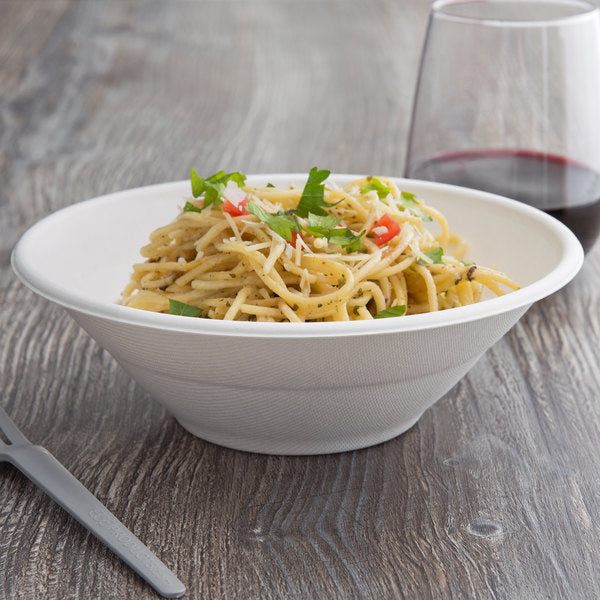
Consider packaging your baked goods or products in eco-friendly packaging to maintain quality and sustainability.
Production Process of Chestnut Flour

Harvesting and Drying
Chestnuts are harvested in the fall and carefully dried to preserve their flavor and nutrients. Traditional slow-drying methods or modern dehydrators can be used.
Peeling and Milling
Once dried, chestnuts are peeled, and the skins removed before being milled into fine flour. The resulting flour can be sifted to achieve uniform texture suitable for baking and cooking.
Packaging and Storage
Chestnut flour is sensitive to moisture and should be stored in airtight containers in a cool, dry place to extend shelf life. Proper packaging prevents spoilage and maintains aroma and flavor.
Culinary Uses of Chestnut Flour

Baking
Chestnut flour is widely used in gluten-free baking. It works well in:
-
Cakes and muffins – adding a naturally sweet, nutty flavor
-
Cookies and biscuits – providing a soft, crumbly texture
-
Traditional recipes like Castagnaccio, an Italian chestnut cake
Tip: Since chestnut flour lacks gluten, it’s often blended with other flours or binding agents like xanthan gum to improve dough elasticity.
Pasta and Savory Dishes
Chestnut flour can be used to make gluten-free pasta, flatbreads, gnocchi, and crepes. Its slightly sweet flavor pairs well with both savory and sweet fillings.
Modern Culinary Applications
Chefs are now incorporating chestnut flour into:
-
Functional foods and snack bars
-
Gluten-free breads and pastries
-
Energy bars and protein-rich snacks
Baking Tips

-
Substitute 20–30% of wheat flour with chestnut flour in bread recipes for a nutty flavor
-
Combine with almond flour or rice flour for better structure in cakes
-
Store in an airtight container, away from light and moisture
Limitations
-
Lacks gluten: requires binding agents in recipes
-
Slightly higher carbohydrate content: consider if monitoring carb intake
-
Cost: can be more expensive than common flours
FAQs
Q1: Is chestnut flour gluten-free?
Yes, chestnut flour is naturally gluten-free and safe for those with celiac disease or gluten sensitivity.
Q2: What can I make with chestnut flour?
Use it for cakes, muffins, cookies, pancakes, gnocchi, pasta, and traditional recipes like Castagnaccio.
Q3: How to store chestnut flour?
Keep it in an airtight container in a cool, dry place. Proper storage extends shelf life and maintains flavor.
Q4: Can diabetics use chestnut flour?
Yes, its low glycemic index makes it a better choice than high-carb flours for blood sugar control.
Q5: Can I make chestnut flour at home?
Yes, by drying peeled chestnuts and grinding them into fine flour using a grinder or food processor.
Conclusion
Chestnut flour is a versatile, nutrient-rich, gluten-free alternative flour with applications ranging from traditional European dishes to modern gluten-free baking. Its health benefits, including antioxidant content, fiber, and essential micronutrients, make it a functional addition to a balanced diet.
For businesses or home cooks, using chestnut flour in your recipes is not only a culinary upgrade but also an eco-conscious choice.