Chow mein is one of the highest-volume noodle dishes served in Canadian Chinese restaurants, food trucks, and takeout businesses. Understanding the main types by texture, protein, and regional style helps restaurant owners make smarter menu decisions, control food cost, and choose the right packaging for delivery and catering.
- Indian Food Calories: A Practical Guide to Dishes, Takeout Portions & Smarter Combos
- Curry Calories: How Many Calories Are in Curry (By Type) + Takeout Portion Estimates
- Samosa Calories: How Many Calories Are in 1 Samosa (By Size) + Fried vs Baked
What is Chow Mein?

Chow mein is a Chinese-style noodle dish made from wheat noodles that are stir-fried with vegetables, protein (such as chicken, beef, shrimp, or tofu), and a savory soy-based sauce. The name comes from the Chinese words meaning “fried noodles,” and the dish is known for its balance of soft noodles, crisp vegetables, and umami flavor. Depending on how it is prepared, chow mein can be lightly tossed with sauce for a drier texture or cooked with more oil and seasoning for a richer, heavier version commonly served in takeout and restaurant meals.
For food businesses, chow mein is a high-margin, scalable dish that works across dine-in, takeout, and catering formats and the right packaging is essential to protecting that quality all the way to the customer.
The Two Main Categories of Chow Mein
Before exploring protein and regional variations, it’s important to understand the two foundational texture types.
Soft (Steamed) Chow Mein
Soft chow mein is the most common type served in Canada.
Characteristics:
- Egg noodles are parboiled before stir-fying
- Tossed quickly with vegetables and protein
- Lightly coated in sauce
- Tender but slightly chewy texture
Why It’s Popular:
- Faster kitchen execution
- Easier portion control
- Consistent presentation
- Travels well for takeout and delivery
For restaurants: faster kitchen execution, easier portion control, consistent presentation, and travels well for takeout and delivery. Standard 32oz paper containers work well for soft chow mein — the sauce stays contained and texture holds for 15–20 minutes in transit.
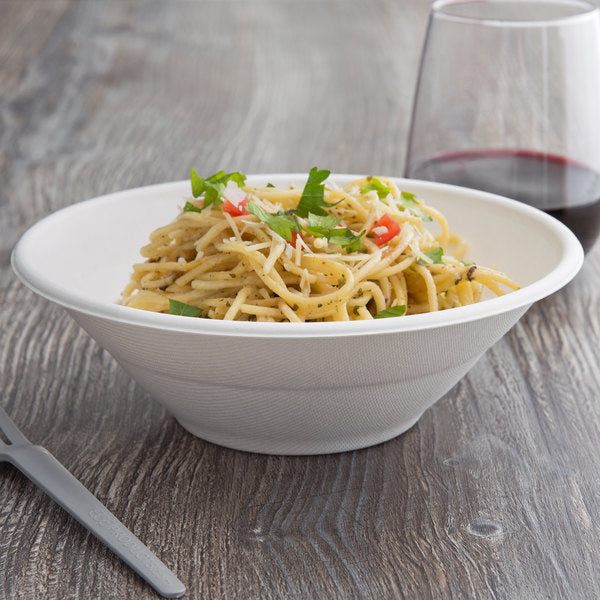
Serving chow mein for takeout or catering? The right container protects texture and prevents sauce leakage — especially for crispy versions. KimEcopak supplies eco-friendly, grease-resistant noodle containers for Canadian food businesses.
GET A FREE SAMPLE OR REQUEST A WHOLESALE QUOTE TODAY
Crispy (Hong Kong-Style) Chow Mein
Crispy chow mein features noodles that are pan-fried or deep-fried until golden and crunchy. Sauce and toppings are added over the top.
Characteristics:
- Crispy noodle “cake” base
- Sauce poured over protein and vegetables
- Textural contrast between crunchy and tender
Business consideration: Higher oil usage, more prep time, and crispness declines during delivery if packaging traps steam. Ventilated containers are strongly recommended for crispy chow mein — trapped steam softens the noodle cake within minutes. This version is best positioned as a dine-in or premium pickup item.
Protein-Based Types of Chow Mein
Beyond texture, chow mein types are commonly categorized by protein. This affects pricing, portioning, and menu positioning.

Chicken Chow Mein
The most popular chow mein type in Canada.
Why it sells:
- Balanced flavor
- Moderate price point
- Lean protein perception
- Broad appeal
From a business perspective, chicken offers strong margin control and predictable demand. It’s often used in combo meals and lunch specials.
Beef Chow Mein
Beef chow mein provides a richer, heavier flavor profile.
Characteristics:
- Higher perceived value
- Strong savory taste
- Premium menu pricing
Operationally, beef requires tighter portion control due to higher cost. It is often positioned as an upgrade option.
Shrimp Chow Mein
Shrimp creates a lighter seafood alternative.
Characteristics:
- Premium positioning
- Lean protein image
- Appeals to seafood lovers
However, shrimp has higher ingredient cost and requires careful inventory management. Best suited for upscale or dinner-focused menus.
Vegetable Chow Mein
Vegetable chow mein is one of the most versatile types.
Benefits:
- Lowest ingredient cost
- Vegetarian-friendly
- Wide dietary appeal
- Simplified prep
For cafés, bakeries, or smaller kitchens expanding into hot food, vegetable chow mein is often the safest starting option.
How Many Calories Are in Chow Mein? What Restaurant Owners Need to Know

Calorie data matters for restaurants for three reasons: menu transparency requirements in Canada, portion sizing strategy, and packaging selection. Here's the breakdown.
Calories Per 1 Cup (200g) — Quick Reference
|
Type |
Calories/Cup |
Protein |
Fat |
Carbs |
|
Vegetable |
220–280 cal |
6–8g |
8–12g |
35–40g |
|
Chicken |
300–400 cal |
18–22g |
12–18g |
35–40g |
|
Shrimp |
320–420 cal |
20–23g |
12–18g |
35–40g |
|
Beef |
350–450 cal |
20–24g |
18–25g |
35–40g |
Restaurant Portion Reality: Where Calories Multiply
Most restaurant or takeout portions are 2–3 cups per container. That means:
- Chicken chow mein (restaurant portion): 600–1,000+ calories
- Beef chow mein (restaurant portion): 700–1,200+ calories
- Vegetable chow mein (restaurant portion): 450–800 calories
Portion size is the biggest hidden factor — and it directly connects to packaging size selection, food cost per serving, and how customers perceive value.
The #1 Calorie Driver: Oil
1 tablespoon of oil = 120 calories. High-heat wok cooking typically uses 2–3 tbsp per portion.
Operational insight: Reducing oil by ½ tablespoon per serving saves ~60 calories per dish and directly reduces food cost — without noticeable flavor impact for most customers.
Chow Mein vs Fried Rice: Quick Comparison (1 Cup)
|
Dish |
Calories |
|
Vegetable Chow Mein |
220–280 |
|
Chicken Chow Mein |
300–400 |
|
Vegetable Fried Rice |
300–380 |
|
Chicken Fried Rice |
350–450 |
Chow mein is generally lower-calorie than fried rice because noodles absorb less oil than rice. Restaurants can use this in menu messaging to position chow mein as the 'lighter' noodle option for health-conscious diners.
Portion Control Strategy: How Packaging Size Affects Your Business
Portion size isn't just a calorie consideration — it's a profit and branding decision.
Container Size vs. Calorie & Cost Impact
|
Container Size |
Approx. Serving |
Calorie Range (Chicken) |
Business Use |
|
16oz |
1 cup / light |
300–400 cal |
Lunch special, light option |
|
24oz |
1.5–2 cups / standard |
500–700 cal |
Regular takeout portion |
|
32oz |
2.5–3 cups / large |
800–1,200+ cal |
Value meal, sharing |
How Packaging Material Affects Chow Mein Quality
The wrong container ruins good chow mein:
- Soft chow mein: Needs grease-resistant lining to prevent oil seepage. Standard kraft paper containers work well for up to 20 minutes in transit.
- Crispy chow mein: Needs ventilation holes or partial-open lids — steam destroys crispness within 5–10 minutes if trapped.
- Catering portions (12+ servings): Needs reinforced bottom panels and secure-lock lids to handle stacking and transport weight.
Why Portion Size Matters for Restaurants in Canada
This is where nutrition becomes a business strategy.
Portion Size = Calorie Perception
A large 32oz container:
- May contain 800–1,200+ calories
- Feels like better value
- Increases food cost
A smaller, well-designed 24oz container:
- Controls calories
- Controls food cost
- Maintains presentation
Portion perception is strongly influenced by packaging dimensions.
Packaging Size Influences Serving Behavior
Customers typically:
- Eat what’s served
- Assume the container equals one serving
Using appropriately sized takeout containers can naturally manage calorie totals.
Explore sustainable, right-sized packaging options like: TAKE OUT BOXES
Looking to control portion size without compromising presentation? GET A FREE SAMPLE NOW and test balanced serving containers for noodle dishes.
Transparent Nutrition Labeling Trends in Canada
Canadian consumers increasingly care about:
- Calorie transparency
- Ingredient quality
- Sustainable packaging
Restaurants that align with this trend build stronger brand trust.
Choosing the Right Takeout Packaging for Noodle Dishes

Standard Container Sizes & Calorie Impact
Common noodle container sizes:
- 16oz (single light portion)
- 24oz (standard serving)
- 32oz (large portion)
A 32oz box can easily double calorie intake compared to a 16oz container.
Selecting packaging strategically supports:
- Cost control
- Calorie transparency
- Portion consistency
Oil Absorption & Material Considerations
Packaging material affects:
- Oil seepage
- Presentation
- Customer perception
Grease-resistant paper containers maintain:
- Clean appearance
- Controlled portion integrity
See eco-friendly noodle containers here!
Sustainable Packaging for Health-Conscious Customers
Today’s diners connect: Healthy food + Sustainable packaging = Responsible brand
Using compostable or recyclable containers reinforces:
- Health positioning
- Environmental values
- Premium perception
Frequently Asked Questions about Types of Chow Mein
What are the main types of chow mein?
The two main categories are soft (steamed) chow mein and crispy (Hong Kong-style) chow mein. Within those categories, variations are based on protein such as chicken, beef, shrimp, vegetable, or combination.
Is crispy chow mein authentic?
Yes. Hong Kong-style crispy chow mein is a traditional regional variation and widely served in Chinese cuisine.
What is the difference between Cantonese and American chow mein?
Cantonese chow mein emphasizes lighter seasoning and thinner noodles, while American-style versions often use heavier sauce and softer texture.
Which type of chow mein is most popular in Canada?
Chicken chow mein is typically the top seller, followed by beef and vegetable versions.
How do I keep crispy chow mein crispy during delivery?
Use ventilated containers and avoid sealing with airtight lids immediately after plating. A slight vent allows steam to escape without cooling the dish too quickly. KimEcopak offers ventilated kraft containers suitable for crispy noodle dishes.
How many calories are in 1 cup of chicken chow mein?
Approximately 300–400 calories, depending on oil and sauce quantity.
What eco-friendly packaging works best for chow mein?
Compostable kraft paper containers with grease-resistant lining are the best choice — they handle oil content, maintain presentation, and meet Canadian customer sustainability expectations. KimEcopak offers FSC-certified options with custom print capability.
Is chow mein healthier than fried rice?
Usually yes — especially vegetable or chicken chow mein — because fried rice absorbs more oil.
Why is restaurant chow mein higher in calories?
Restaurants often use:
- More oil
- Larger portions
- Richer sauces
Portion size is the biggest factor.
Is vegetable chow mein low calorie?
Compared to other variations, yes. It typically contains 220–280 calories per cup.
How can restaurants reduce calories in chow mein?
- Reduce oil usage
- Increase vegetable ratio
- Offer smaller portion sizes
- Use controlled-size takeout containers
Packaging plays a surprisingly large role in portion control.
Conclusion
Chow mein is a category, not a single dish. Understanding the texture types (soft vs crispy) and protein variations helps restaurant owners make smarter menu decisions — balancing food cost, kitchen efficiency, and customer appeal.
Chicken and vegetable versions dominate volume sales and offer the best margin control. Beef and shrimp support premium pricing. Crispy styles elevate dine-in presentation but require careful packaging for delivery.
One often-overlooked factor: the container you use directly affects how good your chow mein tastes when it reaches the customer. The right packaging — grease-resistant, correctly ventilated, and properly sized — protects the quality you put into every dish.
At KimEcopak, we supply eco-friendly, food-safe noodle containers for Canadian restaurants, food trucks, and caterers — from standard takeout sizes to custom-printed catering trays.